

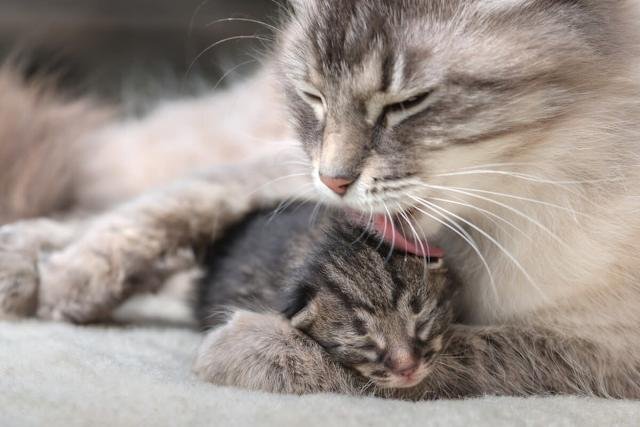
If you have a playful kitten at home, you know how important it is to keep them clean and comfortable. A cat grooming kitten kit is the secret to making this task easy and fun for both you and your furry friend.
Imagine turning grooming time into a bonding moment, preventing mats and tangles before they start. You’ll discover exactly what tools you need and how to use them to keep your kitten happy and healthy. Ready to become your kitten’s favorite groomer?
Keep reading to learn all the simple steps you can take today.
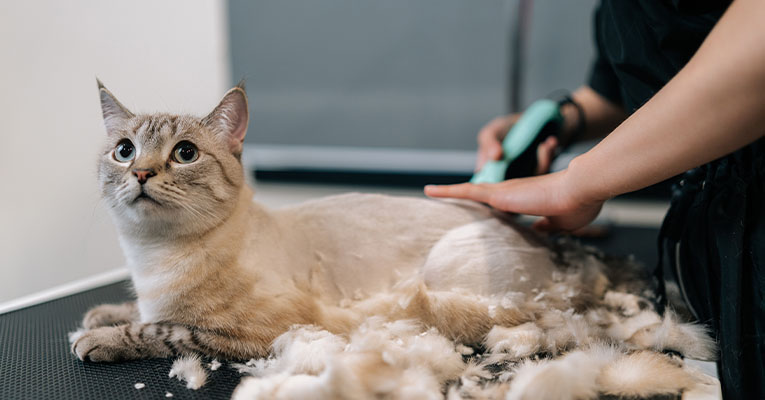
Credit: www.zoomzoomgroom.com
Choosing The Right Grooming Tools
Choosing the right grooming tools for your kitten is more than just picking what looks good on the shelf. It’s about understanding their delicate needs and ensuring each item you select makes grooming a positive experience. The right tools help build trust and keep your kitten comfortable throughout the grooming process.
Brush Types For Kittens
Not all brushes are created equal, especially for kittens with their soft, sensitive fur. A soft-bristle brush is ideal for young kittens because it gently removes loose fur without irritating their skin.
Another great option is a rubber brush, which mimics the feeling of a cat’s tongue and can be very soothing. Avoid wire brushes or anything too harsh—they can cause discomfort and make grooming stressful for your kitten.
Selecting Safe Nail Clippers
Clipping your kitten’s nails can be tricky if you don’t have the right tools. Look for clippers designed specifically for small pets; they are usually smaller with a gentle cutting edge.
Scissor-style clippers offer more control, which is helpful when your kitten wiggles. You want to prevent cutting into the quick—the sensitive part inside the nail—because it’s painful and can cause bleeding.
Gentle Shampoo Options
Bathing a kitten requires shampoos that are mild and free from harsh chemicals. Choose a shampoo labeled for kittens or cats, which will be formulated to protect their sensitive skin and eyes.
Look for products with natural ingredients like oatmeal or aloe vera. These help soothe the skin and prevent dryness, making the bath a calming experience rather than a stressful one.

Credit: www.youtube.com
Establishing A Grooming Routine
Starting a grooming routine for your kitten sets a strong foundation for their health. It helps keep their coat clean and reduces shedding. It also allows you to check for skin problems early. A routine makes grooming easier over time.
Best Time For Grooming
Choose a quiet time when your kitten feels relaxed. After a nap or play session works well. Avoid grooming during meal times or when the kitten is very active. Pick a time that fits your daily schedule to stay consistent.
Frequency Of Grooming Sessions
For kittens, short sessions are better than long ones. Aim for 5 to 10 minutes per session. Brush your kitten’s fur two to three times a week. Increase frequency if your kitten has long hair or sheds a lot.
- Short sessions keep your kitten calm.
- Regular brushing prevents mats and tangles.
- Use gentle strokes to build trust.
Creating A Calm Environment
Find a quiet spot with soft lighting. Use a soft brush or comb made for kittens. Speak softly and move slowly to avoid startling your kitten. Offer gentle petting before grooming to relax them. Keep treats nearby as a reward after each session.
Brushing Techniques For Fluffy Fur
Brushing a fluffy kitten’s fur needs care and patience. Regular brushing keeps the coat soft and clean. It also helps remove loose hair and dirt. Using the right technique makes grooming easier and pleasant for your kitten. Gentle strokes and a calm approach build trust. Focus on making grooming a positive time.
Handling Sensitive Areas
Some kitten spots are more sensitive than others. These include the belly, tail, and behind the ears. Use a soft brush and light strokes in these areas. Watch your kitten’s reaction. Stop if it shows discomfort. Speak softly and move slowly. This helps your kitten relax and accept grooming.
Dealing With Tangles And Mats
Tangles can form quickly in fluffy fur. Use a wide-tooth comb to gently work through knots. Hold the fur close to the skin to avoid pulling. For tough mats, try a detangling spray made for kittens. Never cut mats with scissors. This can hurt your kitten. Regular brushing prevents mats from forming.
Encouraging Positive Behavior
Make brushing a fun and happy time. Offer treats and praise during and after grooming. Short sessions work best for young kittens. Stop before your kitten gets tired or restless. Use calm words and gentle touches. Positive experiences help your kitten enjoy grooming as they grow.
Bathing Your Kitten Safely
Bathing a kitten needs extra care to keep them safe and calm. Kittens have delicate skin and get cold easily. A gentle approach helps make bath time a positive experience. Follow the right steps to keep your kitten comfortable and clean.
Preparing For Bath Time
Gather all supplies before you start. Use kitten-friendly shampoo and a soft towel. Find a warm, quiet place for the bath. Fill a basin with a few inches of lukewarm water. Remove anything that might scare the kitten. Keep a cup or small pitcher ready for rinsing.
Step-by-step Bath Guide
- Gently place your kitten in the water.
- Use your hand or a cup to wet the fur slowly.
- Apply a small amount of kitten shampoo.
- Massage the shampoo gently into the fur.
- Rinse thoroughly with lukewarm water.
- Keep the kitten’s head dry or use a damp cloth to clean it.
- Speak softly to calm your kitten throughout the bath.
Drying Tips To Avoid Chilling
Wrap the kitten immediately in a soft towel. Pat dry gently, avoiding rubbing. Use a warm room for drying. Avoid cold drafts and fans. If your kitten allows, use a hairdryer on low heat and low speed. Keep the dryer moving and far from skin. Stay close until your kitten is completely dry and warm.
Nail Care And Ear Cleaning
Nail care and ear cleaning are essential parts of keeping your kitten healthy and comfortable. Neglecting these areas can lead to discomfort, infections, or even injury. Paying attention to these details early helps your kitten get used to regular grooming and reduces stress for both of you.
Trimming Nails Without Stress
Many kittens dislike having their nails trimmed, but you can make it easier by starting slow. Let your kitten get used to the sight and feel of the clippers first—offer treats and gentle petting during this time. Try trimming just one or two nails per session to avoid overwhelming them.
Use sharp, small nail clippers designed for cats. Cut only the sharp tip, avoiding the pink quick inside the nail to prevent pain and bleeding. If your kitten squirms, pause and try again later—patience is key.
Ear Cleaning Basics
Clean ears help prevent wax buildup and infections. Use a soft, damp cloth or a vet-approved ear cleaning solution applied to a cotton ball. Gently wipe the visible part of your kitten’s ears without going deep inside.
Check the ears regularly, especially if your kitten spends time outdoors or scratches their ears often. A clean ear should smell fresh and appear light pink without redness or discharge.
Signs Of Infection To Watch For
Watch for signs like redness, swelling, or a foul odor coming from your kitten’s ears. Excessive scratching, shaking the head, or sensitivity when you touch the ears also signal a problem.
For nails, look out for swelling around the nail bed or limping, which might indicate injury or infection. If you notice any of these signs, consult your vet promptly to avoid complications.
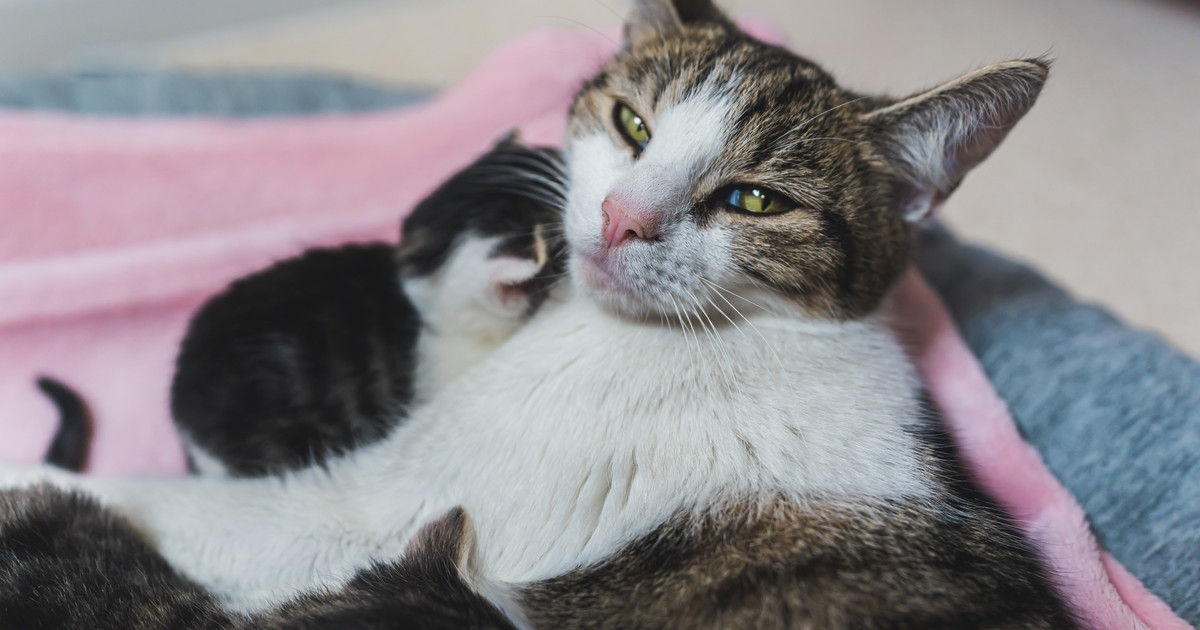
Credit: paradepets.com
Common Grooming Challenges
Grooming a kitten is important but not always easy. Kittens are small and often nervous. Grooming can become a challenge if they shed a lot or resist touch. Understanding these common challenges helps pet owners care better for their kittens.
Managing Shedding
Kittens shed fur as they grow. Shedding can spread hair around the house. Regular brushing helps control loose fur. Use a soft brush designed for kittens. Brushing also keeps their coat healthy and shiny. It reduces hairballs and prevents mats from forming.
Handling Fear And Resistance
Kittens may be scared of grooming tools. They might try to run or scratch. Stay calm and gentle to ease their fear. Use treats and soft words to reward good behavior. Short sessions work best to avoid stress. Patience and consistency build trust over time.
When To Seek Professional Help
Some grooming tasks need expert care. If mats are painful or hard to remove, visit a groomer. Professional groomers handle anxious kittens safely. They can trim nails and clean ears correctly. Regular vet checks also help spot skin problems early.
Health Benefits Of Regular Grooming
Regular grooming is essential for a kitten’s health and happiness. It keeps their coat clean and skin healthy. Grooming also helps catch problems early, making treatment easier. The process supports your kitten’s well-being in many ways.
Preventing Hairballs
Kittens groom themselves but swallow loose fur. This fur can form hairballs in their stomach. Regular brushing removes loose fur before your kitten swallows it. Fewer hairballs reduce coughing and upset stomach. Grooming helps keep your kitten comfortable and healthy.
Detecting Skin Issues Early
Grooming lets you check your kitten’s skin closely. You can spot ticks, fleas, or rashes early. Early detection stops infections from getting worse. It also helps you find dry or irritated spots. Quick action protects your kitten’s skin and health.
Strengthening Kitten Bond
Grooming time builds trust between you and your kitten. Gentle brushing feels soothing and calming. It creates a routine your kitten learns to enjoy. This bonding makes your kitten feel safe and loved. A strong bond improves their overall behavior and mood.
Frequently Asked Questions
What Essential Tools Are In A Cat Grooming Kitten Kit?
A basic kitten grooming kit includes a soft brush, nail clippers, a comb, and kitten-safe shampoo. These tools help maintain coat health and hygiene. Regular grooming prevents matting and reduces shedding.
How Often Should You Groom A Kitten?
Groom kittens 2-3 times a week to keep their fur clean and healthy. Regular grooming helps with bonding and early detection of skin issues or parasites.
Can Grooming Improve A Kitten’s Health?
Yes, grooming promotes healthy skin and reduces hairballs. It also helps spot health problems early, such as fleas or skin infections, improving overall kitten well-being.
What Is The Best Way To Introduce Grooming To Kittens?
Start grooming gently and briefly, using soft brushes. Make sessions positive with treats and praise. Gradually increase grooming time as the kitten gets comfortable.
Conclusion
Taking care of your kitten’s fur is important for their health. A good grooming kit helps keep fur clean and soft. Regular brushing stops mats and reduces shedding. Choose tools that fit your kitten’s size and coat type. Make grooming a calm and gentle time for your pet.
This builds trust and makes grooming easier. Start early to help your kitten enjoy grooming. Happy kittens mean happy owners. Simple care goes a long way in keeping your kitten comfortable.
