

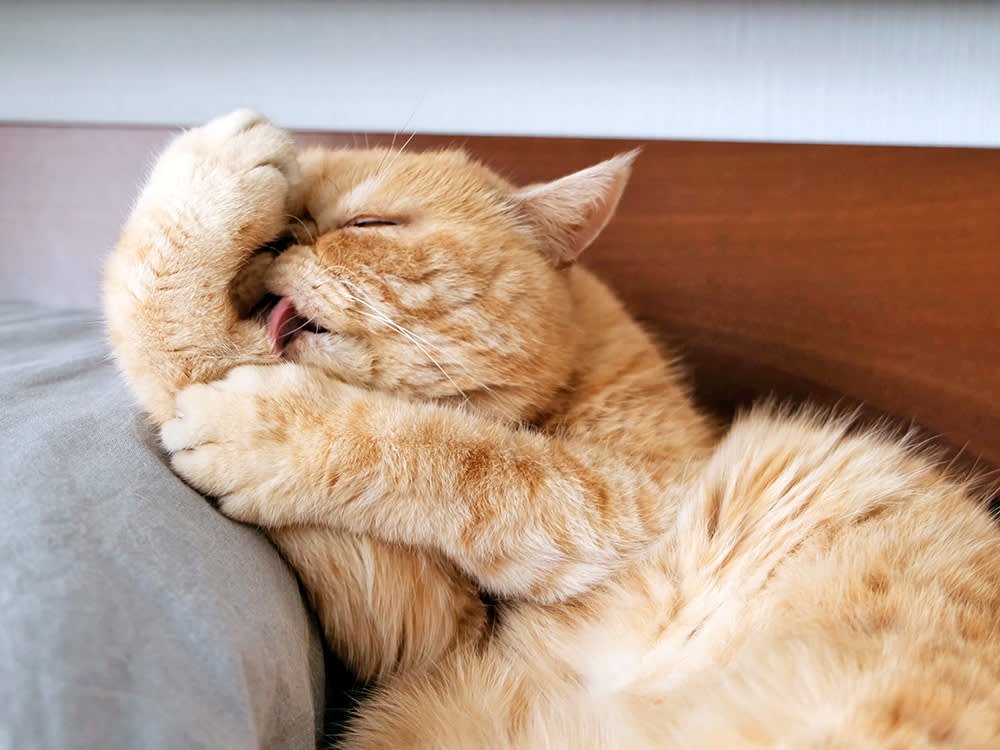
Have you ever watched your cat carefully lick its fur and wondered why it spends so much time grooming itself? Understanding why your cat grooms itself can reveal a lot about its health and happiness.
When you know the reasons behind this natural behavior, you can better care for your furry friend and spot any problems early. Keep reading to discover the surprising benefits of cat grooming and how it helps keep your cat feeling its best every day.
Why Cats Groom Themselves
Cats grooming themselves is more than just a neat habit; it’s a vital part of their daily routine. Understanding why your cat spends so much time licking and cleaning can help you appreciate their behavior and support their well-being. Let’s look at the reasons behind this natural act from different angles.
Instincts Behind Grooming
Self-grooming is deeply rooted in a cat’s instincts. From a young age, kittens learn to lick their fur to stay clean, a skill passed down from their mothers. This instinct helps cats remove dirt, loose hair, and even scents that might attract predators.
Have you noticed how your cat’s grooming intensifies after a meal or playtime? This instinctive cleaning helps them stay alert and safe in their environment.
Health And Hygiene Benefits
Grooming keeps a cat’s coat shiny and skin healthy. By licking, cats remove dead skin cells and distribute natural oils evenly across their fur, which prevents dryness and irritation. This self-care reduces the chance of infections or parasites like fleas.
Regular grooming also helps cats cool down. When saliva evaporates from their fur, it provides a natural cooling effect—especially important in warmer weather. If you see your cat grooming excessively, it might signal stress or health issues, so keep an eye out.
Social And Emotional Reasons
Grooming isn’t only about cleanliness; it also serves emotional needs. Cats often groom to soothe themselves when they feel anxious or stressed. You might see your cat licking more after a visit to the vet or a loud noise—this behavior helps calm their nerves.
In multi-cat households, mutual grooming builds strong social bonds. If you notice your cats licking each other, they are strengthening trust and friendship. This shows that grooming plays a significant role in their emotional well-being, not just physical care.

Credit: www.shutterstock.com
How Cats Groom Effectively
Cats groom themselves with great skill to stay clean and healthy. Their grooming habits help remove dirt, loose fur, and parasites. This process also cools them down and reduces stress. Cats have unique tools and techniques that make their grooming effective and thorough.
Role Of The Tongue
The cat’s tongue is covered with tiny, hook-like structures called papillae. These hooks help catch loose hair and dirt. The tongue also spreads natural oils across the fur. This keeps the coat shiny and waterproof. Cats lick repeatedly to untangle fur and remove dead skin.
Use Of Paws And Claws
Cats use their paws to clean areas the tongue cannot reach. They lick their paws and then rub them on their face and head. This method helps clean delicate spots like around the eyes and ears. Their claws help remove tough debris and shed fur from the coat.
Cleaning Hard-to-reach Areas
Cats twist and bend their bodies to reach difficult spots. Their flexible spine allows them to groom the back and tail easily. They use a combination of licking and pawing to clean these areas. This ensures no part of their body stays dirty or tangled.
Common Grooming Habits
Cats spend a significant part of their day grooming themselves. Understanding their common grooming habits can help you support their health and comfort. Observing these habits also reveals how your cat maintains its coat and skin, and how you can assist when needed.
Daily Grooming Routine
Your cat uses its tongue to clean its fur multiple times a day. This routine removes loose hair, dirt, and helps distribute natural oils, keeping the coat shiny. If your cat suddenly stops grooming, it might be a sign of stress or illness.
Have you noticed your cat licking specific spots repeatedly? This can indicate discomfort or irritation. Watching these habits closely can help you spot potential health problems early.
Shedding And Fur Maintenance
Shedding is a natural process for cats to get rid of old or damaged fur. It usually increases during seasonal changes, especially in spring and fall. You can reduce loose fur around your home by brushing your cat regularly.
Using the right brush for your cat’s fur type is important. For example, short-haired cats benefit from a rubber brush, while long-haired cats need a wide-toothed comb. Does your cat enjoy brushing, or do they avoid it? Paying attention to their reaction helps make grooming a positive experience.
Dealing With Dirt And Parasites
Cats typically keep themselves clean, but they can still pick up dirt or parasites like fleas and ticks. Check your cat’s coat regularly, especially after outdoor adventures. Look for signs like excessive scratching, redness, or small black specks.
If you find dirt or parasites, a gentle bath or vet-approved treatments might be necessary. You don’t have to wait for a problem to appear; preventive care is key. How often do you inspect your cat’s fur for unwanted guests?
When Grooming Becomes A Problem
Grooming is a natural part of a cat’s daily routine, but it can become a problem when it turns excessive or harmful. You might notice your cat spending far more time licking or scratching than usual. This behavior can signal underlying issues that need your attention.
Overgrooming Signs
Look for bald spots or patches where fur is missing. Your cat may have red, irritated skin or scabs from constant licking. Overgrooming can also cause sores or thickened skin, which are clear warning signs.
Does your cat seem restless or stressed when grooming? Sometimes, pacing or obsessive grooming behaviors come with anxiety. Watch if grooming happens more during certain times or after specific events.
Causes Of Grooming Issues
Stress and anxiety are common triggers. Changes in environment, new pets, or lack of stimulation can make your cat overgroom.
Parasites like fleas or mites often cause itching that leads to excessive grooming. Allergies to food or environmental factors can also be the culprit.
Sometimes, medical conditions like skin infections or pain from arthritis cause your cat to lick more than usual.
Health Concerns Linked To Grooming
Overgrooming can lead to serious skin infections if left untreated. Constant licking breaks the skin barrier, inviting bacteria.
Hairballs can increase if your cat swallows too much fur, causing digestive issues or blockages. This risk grows with compulsive grooming.
Behavioral problems may also develop. If grooming stems from anxiety, your cat’s overall well-being can decline without proper support.
Supporting Your Cat’s Grooming
Supporting your cat’s grooming helps keep their coat healthy and shiny. Cats groom themselves, but they need some help from you. You can make grooming easier and more effective with simple care steps. This support lowers hairballs and prevents skin problems. It also builds trust between you and your cat. Here are some key ways to support your cat’s grooming.
Regular Brushing Tips
Brushing removes loose fur and stops matting. Use a brush that suits your cat’s coat type. Brush gently to avoid hurting your cat’s skin. Short-haired cats need brushing once a week. Long-haired cats need brushing several times weekly. Check for ticks, fleas, or skin issues during brushing. Make it a calm, quiet time for your cat. Praise your cat with gentle words or treats after brushing.
Bathing Do’s And Don’ts
Bathing is not often needed for cats. Only bathe your cat if they are very dirty or have fleas. Use warm water and cat-safe shampoo. Avoid water in your cat’s ears and eyes. Rinse thoroughly to remove all shampoo. Dry your cat with a soft towel. Do not use human shampoo or soap. Never force your cat into water. Keep bathing sessions short and calm. Stop if your cat shows stress or fear.
Diet And Hydration Impact
A healthy diet supports your cat’s skin and coat. Feed high-quality cat food with balanced nutrients. Omega-3 and omega-6 fatty acids improve coat shine. Fresh water keeps your cat’s skin hydrated and healthy. Dehydration can cause dry, flaky skin. Change water daily and keep bowls clean. Wet food adds extra hydration to your cat’s diet. Avoid feeding too many treats or table scraps. Good nutrition makes grooming easier for your cat.

Credit: www.shutterstock.com
Tools That Help Cats Groom Better
Proper tools make grooming easier for cats. They help remove loose hair, dirt, and tangles. Grooming tools also support a cat’s natural cleaning habits. Using the right equipment can keep your cat healthy and comfortable. It reduces shedding and prevents matting. These tools come in many types to suit different fur and skin needs.
Choosing The Right Brushes
Brushes help remove dead fur and dirt. Cats with short hair need soft bristle brushes. Long-haired cats benefit from slicker brushes to untangle knots. Use brushes with gentle bristles to avoid skin irritation. Brushing often keeps fur shiny and smooth. It also helps spread natural oils on the skin.
Grooming Gloves And Combs
Grooming gloves feel like petting for cats. They collect loose fur while massaging the skin. Gloves are good for shy or nervous cats. Combs are ideal for removing small tangles and debris. Use wide-toothed combs for thick fur and narrow-toothed for finer hair. Both tools support gentle grooming without stress.
Safe Nail Trimming
Nail trimming is part of grooming that protects cats and furniture. Use small, sharp nail clippers made for pets. Trim only the sharp tips to avoid pain. Hold the paw gently but firmly. Regular trimming prevents nails from becoming too long or sharp. Safe nail care keeps cats comfortable and reduces scratching damage.
Signs Of A Healthy Groomed Cat
Recognizing signs of a healthy groomed cat helps ensure your pet feels good and stays well. A well-groomed cat shows clear signals of good care and health. Observing these signs regularly keeps you aware of your cat’s condition.
Shiny And Clean Coat
A healthy cat’s coat looks shiny and smooth. It should be free of mats, dirt, and flakes. Soft fur means the cat is grooming well and has good nutrition. Dull or patchy fur may indicate health problems or poor grooming habits.
Comfortable Behavior
A groomed cat acts calm and relaxed. It will not scratch or bite itself often. Cats that feel itchy or uncomfortable may groom too much or too little. Healthy cats move smoothly and enjoy being petted without fuss.
Normal Grooming Frequency
Cats groom themselves several times a day to stay clean. A balanced grooming routine means they are neither neglecting nor overdoing it. Excessive grooming can cause hair loss or skin damage. Too little grooming may lead to mats or dirt buildup.

Credit: www.shutterstock.com
Frequently Asked Questions
Why Do Cats Groom Themselves Frequently?
Cats groom themselves to stay clean, remove dirt, and regulate body temperature. Grooming also reduces stress and strengthens their bond with owners by showing contentment.
How Often Should A Cat Groom Itself Daily?
Cats typically groom themselves 30-50% of their waking hours. This varies by age, health, and breed, but regular grooming is essential for their well-being.
Can Excessive Self-grooming Harm My Cat?
Yes, excessive grooming can cause hair loss, skin irritation, or infections. It may indicate stress, allergies, or medical issues needing veterinary attention.
What Are Signs Of Poor Self-grooming In Cats?
Signs include matted fur, greasy coat, bad odor, and visible dirt. Poor grooming may suggest illness, dental problems, or arthritis impairing movement.
Conclusion
Cats groom themselves daily to stay clean and healthy. This habit helps remove dirt and loose fur. It also keeps their skin fresh and reduces stress. You can support your cat by providing a calm space and regular brushing. Watching your cat groom shows you care about its well-being.
Healthy grooming means a happy cat. Keep an eye on changes in grooming habits, as they may signal health issues. Simple care and understanding make a big difference for your furry friend.
