

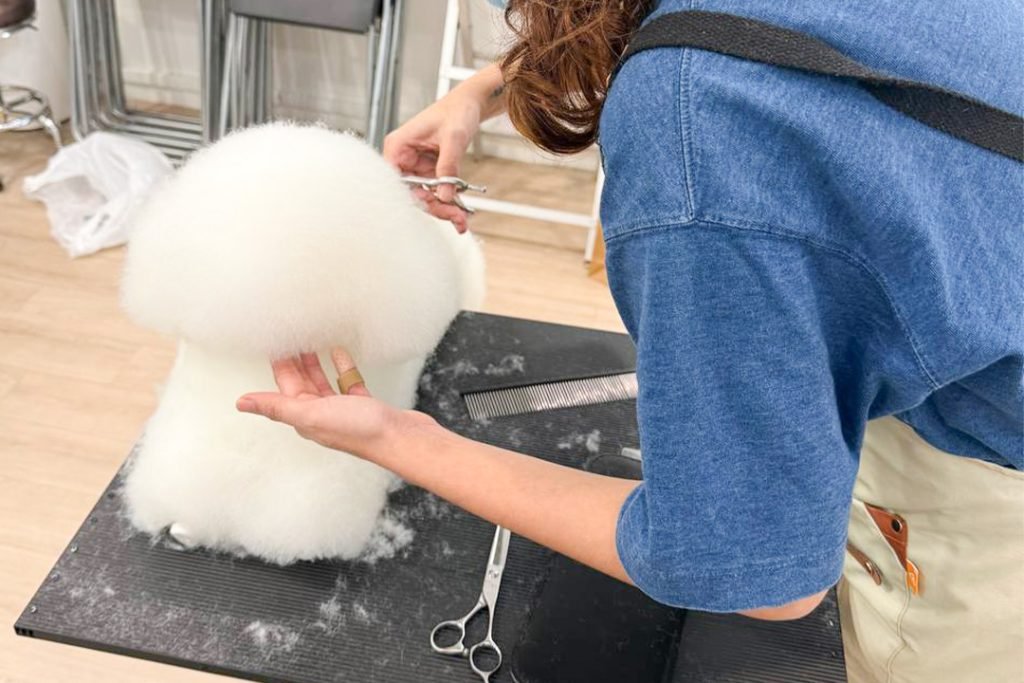
Are you tired of struggling with your cat’s messy fur or dealing with those unexpected grooming challenges? Imagine having the skills to keep your feline friend looking clean, healthy, and happy without the stress.
A Cat Grooming Course can give you exactly that – the confidence and know-how to care for your cat’s coat like a pro. Whether you’re a new cat owner or just want to improve your grooming routine, this guide will show you how to make grooming easy and enjoyable for both you and your cat.
Keep reading to discover how you can transform grooming from a chore into a bonding experience.
Benefits Of Cat Grooming
Cat grooming offers more than just a neat appearance for your feline friend. It plays a vital role in enhancing their overall wellbeing and your relationship with them. Understanding these benefits can motivate you to take grooming seriously and enjoy the positive impact it brings.
Health Advantages
Regular grooming helps spot health issues early, such as skin infections, lumps, or parasites. Removing loose fur reduces hairballs and prevents mats that can cause pain or skin problems. You can also keep an eye on your cat’s claws and teeth, ensuring they stay in good condition.
Have you noticed your cat scratching more than usual? Grooming sessions allow you to check for fleas or ticks before they become a bigger problem. Keeping your cat clean and comfortable contributes directly to their physical health.
Behavioral Improvements
Grooming can calm anxious or restless cats, helping them feel more secure. The routine itself provides structure and reduces stress, especially if your cat is shy or nervous. Plus, it can decrease excessive scratching and biting caused by discomfort.
Think about how your cat reacts during grooming—do they become more relaxed over time? Consistent grooming teaches your cat to tolerate touch, which makes vet visits and handling easier. This improvement in behavior benefits both you and your cat daily.
Bonding With Your Cat
Spending time grooming your cat strengthens trust and deepens your connection. It’s a quiet moment that shows your cat you care beyond feeding and playtime. This close interaction often reveals your cat’s unique personality and preferences.
Have you ever noticed your cat purring or kneading during grooming? These signs mean they’re enjoying the experience and feeling safe with you. Grooming can become a special ritual that enhances the love and companionship you share.

Credit: learncatgrooming.com.au
Essential Grooming Tools
Essential grooming tools make cat care simple and effective. Every cat needs regular grooming to stay healthy and happy. The right tools help remove loose fur, prevent mats, and keep skin clean.
Choosing good quality tools is key for safe grooming. Tools should suit your cat’s fur type and size. Comfort matters for both the cat and the groomer. Below are the main grooming tools every cat owner or groomer should have.
Brushes And Combs
Brushes and combs remove dirt and loose hair. They help stop hairballs and reduce shedding. Different types suit different fur lengths and textures.
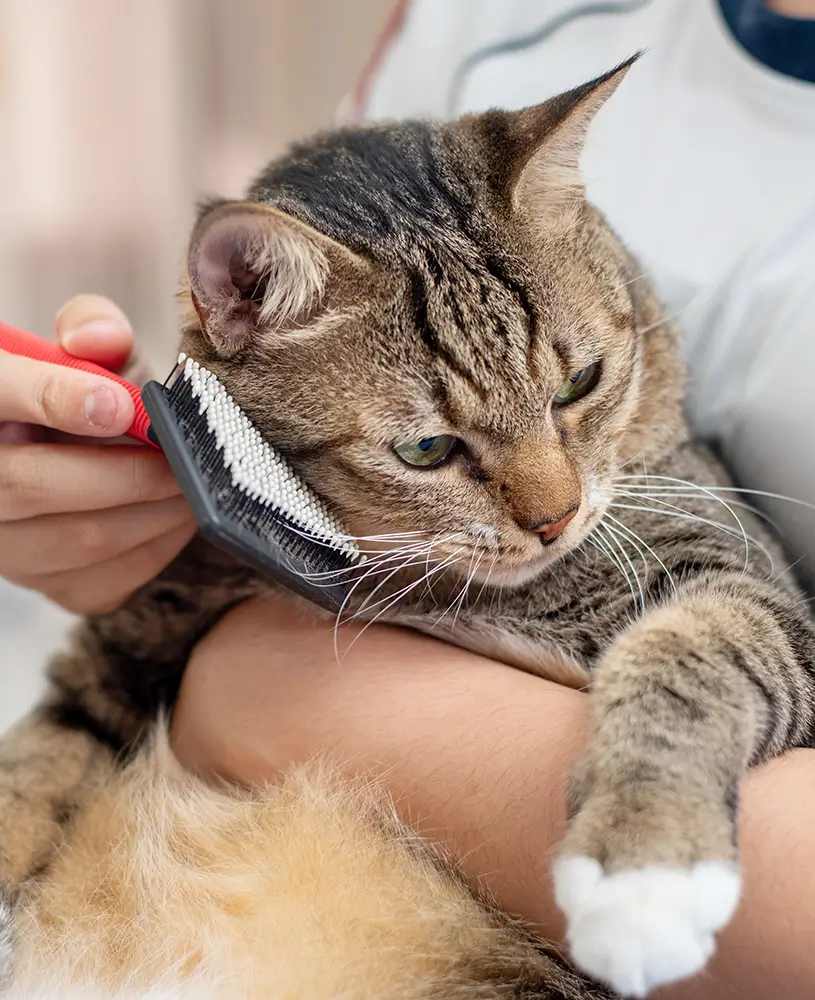
- Slicker brushes work well for long-haired cats. They gently detangle and remove mats.
- Bristle brushes are good for short-haired cats. They spread natural oils for shiny coats.
- Metal combs help find small tangles and debris. They are perfect for sensitive areas.
Regular brushing improves blood flow and keeps fur smooth. It also builds trust between cat and groomer.
Nail Clippers
Trimming nails prevents scratches and damage. Sharp nails can hurt your cat and others. Use clippers designed for cats for safety and ease.
- Guillotine-style clippers cut cleanly with a single motion.
- Scissor-style clippers offer more control for thick nails.
- Electric nail grinders smooth rough edges after clipping.
Clip nails carefully to avoid the quick. Healthy nails keep cats comfortable and safe.
Shampoos And Conditioners
Shampoos clean dirt and oils from your cat’s coat. Conditioners soften fur and reduce tangles. Use products made especially for cats.
- Hypoallergenic shampoos suit sensitive skin.
- Medicated shampoos treat skin problems like fleas or dandruff.
- Conditioners help with dry or matted fur.
Bathing with the right products keeps your cat’s coat healthy. Always rinse thoroughly to avoid irritation.
Step-by-step Grooming Techniques
Grooming a cat requires patience and gentle care. Each step helps keep cats healthy and comfortable. Learning proper techniques improves the grooming experience for both cat and owner.
Follow these clear steps to groom your cat safely and effectively. They cover essential tasks to maintain your cat’s coat, nails, and hygiene.
Brushing And Dematting
Use a soft brush made for cats. Brush in the direction of hair growth. This removes loose hair and reduces shedding. For mats, use a dematting comb carefully. Hold the fur close to the skin to avoid pulling. Work through mats gently to prevent pain.
Bathing Tips
Choose a cat-safe shampoo with mild ingredients. Use lukewarm water and wet the cat slowly. Apply shampoo lightly and avoid the face. Rinse thoroughly to remove all soap. Dry the cat with a soft towel. Keep the room warm to prevent chills.
Nail Trimming
Use special cat nail clippers. Hold the paw gently but firmly. Trim only the sharp tip of each nail. Avoid the pink area called the quick. Cutting the quick causes pain and bleeding. Reward your cat with treats for calm behavior.
Ear And Eye Cleaning
Check ears for dirt and wax buildup. Use a soft cloth or cotton ball dampened with ear cleaner. Wipe the outer ear gently. For eyes, use a clean damp cloth to remove discharge. Avoid touching the eyeball directly. Regular cleaning prevents infections and irritation.

Credit: ultimatepetparent.com.au
Handling Different Fur Types
Handling different fur types requires special care and techniques. Each cat’s coat needs unique attention to keep it healthy and clean. Understanding these differences helps groomers work gently and effectively. This knowledge also prevents skin irritation and matting.
Short-haired Cats
Short-haired cats need regular brushing to remove loose fur. Use a soft-bristle brush or grooming glove. Brushing once or twice a week is enough. It reduces shedding and keeps the coat shiny. Check for dirt and fleas during grooming sessions.
Long-haired Cats
Long-haired cats need daily grooming to avoid mats and tangles. Use a wide-toothed comb to gently untangle knots. Follow with a fine-toothed comb for smoothness. Pay special attention to areas like behind ears and under legs. Bathing may be needed more often for cleanliness.
Hairless Breeds
Hairless cats need skin care rather than fur grooming. Their skin can get oily and dirty quickly. Use a damp cloth or special wipes to clean their skin. Avoid harsh soaps that can dry out their skin. Regular checks for rashes or irritation are important.
Dealing With Grooming Challenges
Grooming cats can be tricky. Many cats do not enjoy the process. This section helps you handle common grooming problems. Knowing how to deal with these challenges makes grooming safer and easier for both you and the cat.
Stress And Anxiety
Many cats feel scared during grooming. Signs of stress include trembling, hiding, or refusing to move. Creating a calm environment helps reduce anxiety. Use soft voices and gentle touches.
Short grooming sessions work better than long ones. Giving breaks lets the cat relax. Rewarding with treats or praise builds positive feelings. Patience is key to lowering stress.
Aggressive Behavior
Some cats show aggression when groomed. They may scratch, bite, or hiss. Understanding why they act this way helps manage it. Fear and pain often cause aggression.
Wear protective gloves and use safe tools. Approach slowly and watch the cat’s body language. Stop if the cat becomes too upset. Gradually increase grooming time as trust grows.
Health Issues During Grooming
Grooming can reveal health problems. Look for skin sores, lumps, or parasites. Cats with arthritis may resist brushing certain areas.
Handle these cats with extra care. Avoid hurting sore spots. Consult a vet if you notice unusual signs. Early detection helps keep cats healthy.
Professional Grooming Insights
Understanding professional grooming insights can transform how you care for your cat. Grooming is not just about looks; it’s about health and comfort. Learning when to seek expert help, how often to groom, and what costs to expect will save you time and stress.
When To Seek Experts
Some grooming tasks require a professional’s touch. If your cat has matted fur, sensitive skin, or unusual lumps, it’s best to visit a groomer. They have the tools and knowledge to handle these issues safely.
Even if your cat is calm, professional groomers can spot health problems early. Have you ever noticed your cat scratching more after grooming? A professional can advise if it’s a skin problem or just dry fur.
Grooming Frequency
How often should you groom your cat? It depends on your cat’s breed, age, and lifestyle. Long-haired cats usually need grooming every week, while short-haired cats may only need it once a month.
Senior cats or those with health issues might require more frequent grooming to prevent mats and discomfort. Pay attention to your cat’s behavior—if they start grooming themselves excessively, it might be time to step in.
Cost Considerations
Professional grooming costs vary widely depending on services and location. Basic grooming can range from $40 to $80, while specialized treatments like de-matting or nail care may add extra fees.
Think about what services your cat needs most. Some groomers offer packages that save money over time. Have you budgeted for occasional extra visits during shedding seasons or after outdoor adventures?
Building A Grooming Routine
Building a grooming routine is essential for keeping cats healthy and happy. A consistent schedule helps maintain their coat and skin in top condition. It also reduces stress during grooming sessions. Understanding how often and what kind of care cats need makes the process smoother for both owner and pet.
Daily Care
Daily grooming keeps cats clean and comfortable. Brushing removes loose fur and prevents hairballs. Use a soft brush suited to your cat’s coat type. Check their eyes, ears, and teeth every day. Wipe away dirt or discharge gently with a damp cloth. This simple routine supports overall health and bonding.
Weekly Sessions
Spend more time grooming once a week. Focus on thorough brushing to detangle and remove mats. Trim nails carefully to avoid scratches. Clean ears with a vet-approved solution to prevent infections. Inspect the skin for bumps or parasites. Weekly sessions build trust and keep cats looking their best.
Seasonal Adjustments
Adjust grooming routines with the seasons. Cats shed more during spring and fall. Increase brushing frequency to manage extra fur loss. In winter, check for dry skin and use moisturizing sprays if needed. Summer may require shorter nail trims if cats are more active. Seasonal care helps cats stay comfortable year-round.
Credit: www.fearfree.com
Resources For Cat Grooming Courses
Finding the right resources for cat grooming courses can shape your learning experience and skill level. Whether you prefer studying at home or engaging in hands-on sessions, there are options that fit different learning styles and schedules. Understanding these resources helps you make informed decisions about your grooming education.
Online Classes
Online classes offer flexibility and access to a wide range of experts without leaving your home. You can watch video tutorials, participate in live Q&A sessions, and download detailed guides at your own pace. Many platforms provide interactive forums where you can ask questions and share tips with other learners.
Think about how often you can commit time each week. Would a self-paced online course fit into your schedule better than fixed-time sessions? Online learning can be especially useful if you want to revisit tricky grooming techniques multiple times.
Local Workshops
Local workshops provide hands-on experience with real cats and professional groomers guiding you in person. These sessions often allow immediate feedback and personalized tips tailored to your skill level. You also get to connect with fellow cat lovers and build a network in your community.
Have you noticed how much easier it is to remember techniques after practicing them live? Workshops can boost your confidence faster than watching videos alone. Plus, some workshops include demonstrations of handling different breeds, which is invaluable.
Certification Options
Certification can validate your skills and open doors to professional opportunities in pet care. Some courses offer certificates after passing exams or completing practical assessments. Certifications from recognized organizations can add credibility if you plan to offer grooming services.
Are you aiming to turn grooming into a career or just want to improve your personal skills? Knowing the certification requirements beforehand helps you choose courses that meet your goals. Keep in mind that some certifications require ongoing education to maintain your status.
Frequently Asked Questions
What Skills Will I Learn In A Cat Grooming Course?
You will learn brushing, bathing, nail trimming, and ear cleaning techniques. The course also covers handling different cat breeds and grooming tools safely.
How Long Does A Typical Cat Grooming Course Last?
Most cat grooming courses last between 4 to 8 weeks. Duration depends on course intensity and whether it’s online or in-person.
Is Prior Experience Needed For A Cat Grooming Course?
No prior experience is required. Courses start with basics and gradually teach advanced grooming skills suitable for beginners and professionals.
Can A Cat Grooming Course Help Start A Grooming Business?
Yes, the course provides practical skills and business tips. It prepares you to offer professional grooming services confidently.
Conclusion
A cat grooming course helps you care for your pet better. You learn how to keep your cat clean and healthy. Grooming reduces hairballs and skin problems. It also builds a stronger bond with your cat. Simple steps make grooming easy and safe.
Anyone who loves cats can benefit from this course. Start caring for your cat with confidence today.
