

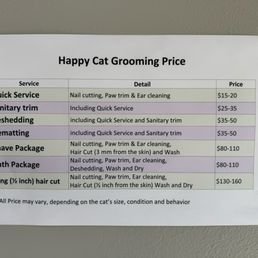
Are you wondering how much it will cost to keep your cat looking clean and healthy? Understanding cat grooming costs can help you plan your budget and make the best choices for your furry friend.
Whether your cat needs a simple bath or a full grooming session, knowing what to expect will save you surprises and stress. You’ll discover the real expenses behind cat grooming, plus tips to get the best value without compromising your cat’s comfort.
Keep reading to find out how to care for your cat without breaking the bank.
Factors Affecting Cat Grooming Costs
Cat grooming costs vary widely. Several factors influence how much you may pay. Understanding these can help plan your budget. Each cat’s needs affect the final price. Groomers consider many details before setting fees.
Breed And Coat Type
Different breeds have unique grooming needs. Long-haired cats need more time and care. Their coats may require regular brushing and detangling. Short-haired cats usually need less grooming. Thick or double coats also add to grooming time. Some breeds may need special products or tools.
Age And Health Considerations
Older cats might need gentler handling. Health issues can make grooming longer or harder. Cats with sensitive skin need special shampoos. Ill or injured cats may need extra care. Groomers may charge more for these special needs. Safety and comfort take priority during grooming.
Frequency Of Grooming Sessions
Regular grooming can lower overall costs. Frequent visits keep your cat’s coat healthy. Less frequent grooming may result in higher fees. More work may be needed to clean and detangle. Some groomers offer discounts for routine appointments. Consistency helps maintain your cat’s appearance.
Location And Service Provider
Prices vary by location and salon type. Urban areas often have higher grooming costs. Independent groomers may charge less than big salons. Mobile grooming services may include travel fees. High-end salons sometimes offer extra services. Compare options to find the best fit and price.
Credit: petizen.sg
Average Prices For Cat Grooming Services
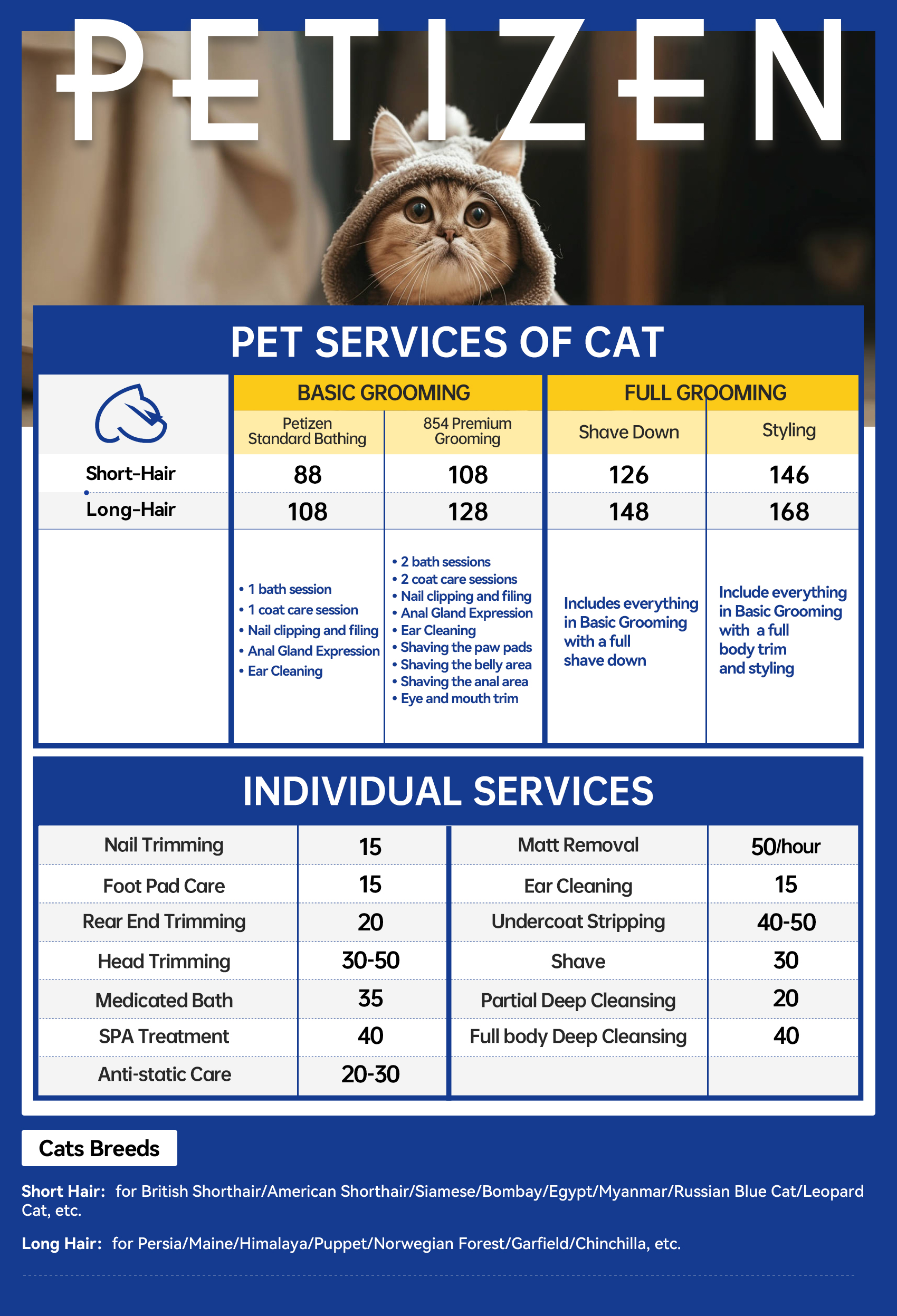
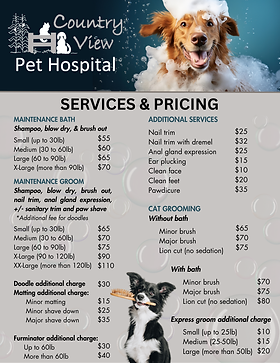
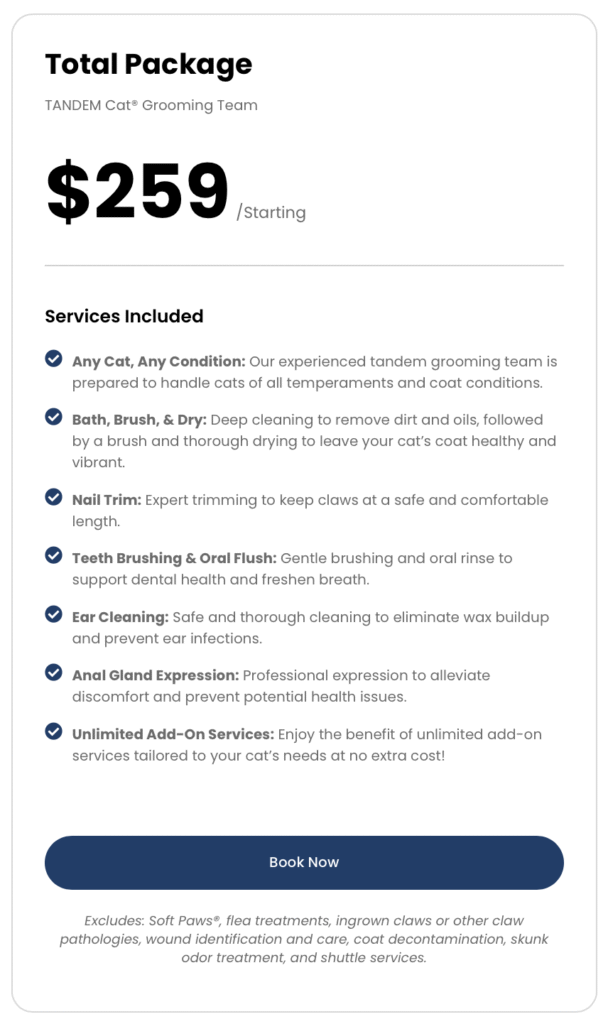
Understanding the average prices for cat grooming services helps you plan your pet care budget effectively. Grooming costs vary based on the services your cat needs and the groomer’s expertise. Let’s break down typical pricing categories so you know what to expect and can make informed choices for your furry friend.
Basic Grooming Packages
Basic grooming usually includes a bath, brushing, nail trimming, and ear cleaning. Prices for these packages often range between $40 and $70. If your cat has short fur and behaves well during grooming, you might find the cost on the lower end.
Long-haired cats or those with mats may require more time, pushing prices toward the higher side. Some groomers also offer simple haircut trims in basic packages, but these might come at an additional cost. Have you checked if your groomer includes all essentials in their basic package or charges separately?
Specialized Treatments
Specialized treatments cover services beyond the basics, like de-shedding, flea treatments, or medicated baths. These can add anywhere from $20 to $60to your grooming bill. If your cat has skin issues or allergies, specialized care can make a huge difference.
For example, a flea treatment might cost extra but save you money on vet visits later. Some groomers offer spa-like treatments such as deep conditioning or aromatherapy, which are nice but optional extras. Think about what your cat really needs versus what’s just a luxury.
Add-on Services And Extras
Add-ons include things like teeth brushing, gland expression, or special nail care. These services often range from $10 to $25each. While they might seem small, adding a few extras can increase the total grooming cost significantly.
Many pet owners skip add-ons due to price but consider how they impact your cat’s overall health. For instance, regular teeth brushing during grooming can prevent dental problems. Would investing a bit more now save you from costly vet treatments later?
Diy Grooming To Save Money
Grooming your cat at home can significantly cut down expenses and strengthen your bond. It may seem challenging at first, especially if your cat is not used to it. But with the right tools, routine, and approach, you can make grooming a comfortable and even enjoyable experience for both of you.
Essential Grooming Tools
Gathering the right tools is the first step. You don’t need a full salon setup; just a few essentials will do the trick.
- Brush or Comb:Choose based on your cat’s fur type—slicker brushes work well for long hair, while a fine-toothed comb suits short hair.
- Nail Clippers:Use cat-specific clippers to avoid splitting or hurting nails.
- Pet-safe Shampoo:If you plan to bathe your cat, pick a gentle formula made for cats.
- Styptic Powder:Useful to stop bleeding if you accidentally trim nails too short.
- Soft Towels:For drying and calming your cat after grooming sessions.
Step-by-step Grooming Routine
Start slow and keep sessions brief to avoid overwhelming your cat. Here’s a simple routine to follow.
- Begin with brushing to remove loose fur and prevent mats. Focus on gentle strokes in the direction of fur growth.
- Check your cat’s ears and eyes for any dirt or discharge and clean with a damp cloth if needed.
- Trim nails carefully, clipping only the sharp tips. If your cat resists, try trimming one or two nails at a time.
- Bathing is optional and only if your cat tolerates it. Use lukewarm water and keep the shampoo minimal and cat-safe.
- End with rewarding your cat with treats or playtime to create positive associations with grooming.
Tips For Handling A Nervous Cat
Grooming a nervous cat requires patience and sensitivity to their mood. How can you make the process less stressful?
- Choose a quiet, comfortable space with minimal distractions.
- Speak softly and use slow movements to avoid startling your cat.
- Let your cat sniff and get used to the grooming tools before starting.
- Take breaks if your cat shows signs of distress and try again later.
- Use treats generously to encourage calm behavior and cooperation.
Have you noticed your cat relaxing more with each grooming session? That small progress can make a big difference over time.
Affordable Grooming Alternatives
Finding affordable grooming options helps keep your cat healthy and happy. Grooming costs can add up, but some choices save money without cutting quality. These alternatives offer convenience and good care for your pet.
Mobile Groomers And Home Services
Mobile groomers come to your home, saving travel time and stress. They often charge less than salons. Your cat stays calm in a familiar place. Home grooming services offer personalized care tailored to your pet’s needs.
Pet Grooming Schools And Training Sessions
Pet grooming schools provide low-cost grooming by students learning skills. Students work under expert supervision, ensuring safe care. Training sessions teach you how to groom your cat at home. Learning basic grooming saves money long-term.
Discounts, Packages, And Memberships
Many groomers offer discounts for first visits or multiple pets. Packages bundle several grooming sessions at a reduced rate. Membership programs give regular services with extra perks. These options make grooming more affordable and predictable.
Maintaining Your Cat’s Coat Between Grooming
Keeping your cat’s coat healthy between professional grooming sessions is key to reducing costs and ensuring your feline friend stays comfortable. Regular care at home not only prevents matting and excessive shedding but also helps you spot skin issues early. You don’t need to spend hours daily; simple, consistent habits make a big difference.
Brushing Techniques And Frequency
Brushing your cat regularly removes loose fur and dirt while distributing natural oils that keep the coat shiny. Short-haired cats benefit from brushing once or twice a week, while long-haired breeds need daily attention to prevent tangles. Use a soft-bristle brush or a grooming glove to avoid irritating your cat’s skin.
Try brushing in the direction of hair growth, using gentle strokes. Pay extra attention to areas behind the ears, under the legs, and around the neck where mats often form. If your cat resists, try brushing during quiet moments or after playtime to create positive associations.
Bathing Tips At Home
Bathing your cat isn’t always necessary, but occasional baths can help especially if your cat gets into something dirty or sticky. Use a cat-specific shampoo and lukewarm water to avoid drying out their skin. Avoid the head area to prevent water or shampoo from getting into their eyes and ears.
Make bath time less stressful by preparing everything in advance and keeping the session short. You might find that gently massaging shampoo into the coat helps your cat relax. Afterwards, dry your cat thoroughly with a towel and keep them warm until fully dry.
Nutrition And Coat Health
Your cat’s diet directly impacts the health and appearance of their coat. High-quality protein and fatty acids like omega-3 and omega-6 keep fur soft, glossy, and less prone to shedding. Some cats benefit from supplements, but always check with your vet before adding anything new.
Have you noticed your cat’s coat looking dull or patchy? It could be a sign of nutritional deficiencies or underlying health issues. Feeding balanced meals designed for your cat’s age and lifestyle supports overall well-being and keeps their fur in top shape.
%20(1).png)
Credit: www.countryviewpets.com
Warning Signs Needing Professional Grooming
Recognizing when your cat needs professional grooming is crucial. Sometimes, the signs are subtle but ignoring them can lead to discomfort or health issues. Paying attention to these warning signals can save your furry friend from unnecessary pain and keep their coat and skin healthy.
Matting And Skin Issues
Severe matting is more than just an ugly tangle. It can pull on your cat’s skin, causing pain and even infections. If you notice thick mats that you cannot gently comb out, it’s time to seek professional help.
Watch for redness, sores, or scabs under the fur. These are signs of skin irritation or infection often caused by mats or poor grooming. Professional groomers can safely remove mats and treat the skin without hurting your cat.
Behavioral Changes During Grooming
Has your cat started hiding or showing aggression when you try to groom them? This change in behavior might mean grooming is uncomfortable or painful. It’s important to listen to your cat’s signals rather than forcing the process.
If your cat struggles, bites, or scratches more than usual during brushing or nail trimming, consider professional grooming. Experts are trained to handle stressed cats gently and can make the experience less traumatic.
When To Consult A Vet
Sometimes grooming problems point to underlying health issues. If your cat’s skin looks unhealthy, or they scratch excessively, a vet visit is necessary. Conditions like allergies, parasites, or infections need medical treatment alongside grooming.
Also, if your cat suddenly refuses grooming after years of tolerating it, or shows signs of pain, get a vet’s opinion. Ignoring these signs can worsen their condition and complicate grooming efforts.
Credit: catsinthecity.com
Frequently Asked Questions
How Much Does Cat Grooming Cost?
Cat grooming costs vary based on services and location. On average, grooming sessions can range from $30 to $70. This cost typically includes brushing, bathing, and nail trimming. Additional services, such as de-shedding or flea treatments, may incur extra charges.
Always check local groomers for specific pricing.
Is Cat Grooming Worth The Expense?
Yes, cat grooming is worth the expense for most owners. Regular grooming keeps your cat’s coat healthy and reduces shedding. It also helps prevent matting and skin issues. Professional groomers can spot potential health concerns early. This adds value beyond just aesthetic benefits.
How Often Should You Groom Your Cat?
The frequency of grooming depends on your cat’s breed and coat type. Long-haired cats typically need grooming every 4 to 6 weeks. Short-haired cats may require less frequent grooming, about every 6 to 8 weeks. Regular brushing at home can help maintain their coat between professional sessions.
What Factors Affect Cat Grooming Prices?
Several factors affect cat grooming prices, including location, services offered, and your cat’s coat condition. Groomers may charge more for matted fur or difficult-to-handle cats. Additional services like flea treatments or de-shedding can also increase costs. Always discuss specific needs and pricing with your groomer.
Conclusion
Cat grooming costs vary depending on size and coat type. Regular grooming keeps your cat healthy and happy. Budgeting for grooming helps avoid unexpected expenses. Choose a groomer who treats your cat gently. Simple care at home can reduce grooming needs.
Understanding costs helps you plan better for your pet. Keep your cat’s comfort as a top priority. Small investments in grooming lead to big benefits. Taking care of your cat’s fur shows your love.
