

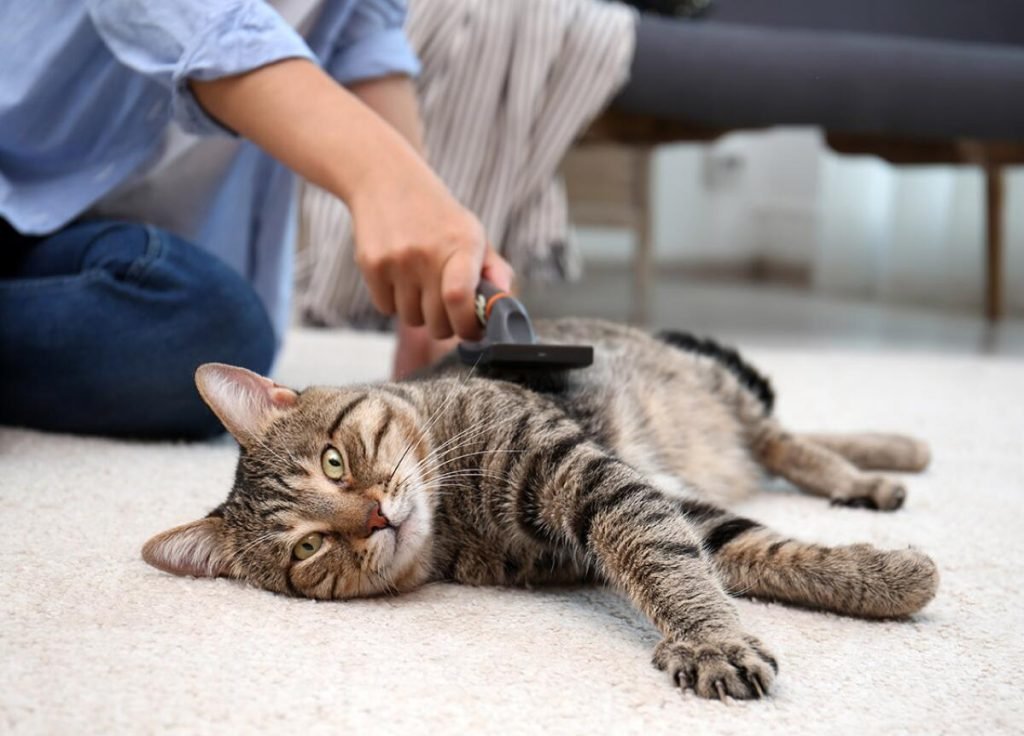
Taking care of your cat’s grooming at home might seem challenging, but it doesn’t have to be. Imagine saving time, money, and stress by learning simple steps to keep your furry friend clean and healthy right in your living room.
You’ll discover easy tips to make grooming a bonding experience that your cat actually enjoys. Ready to transform your cat’s care routine and see the difference it makes? Keep reading—you’re about to unlock the secrets to hassle-free cat grooming at home.
Benefits Of Home Grooming
Grooming your cat at home offers many rewards beyond just keeping them clean. It nurtures a calm and trusting environment for both you and your pet. Regular home grooming sessions help maintain your cat’s health and comfort while saving money. These moments together create chances to observe your cat closely, noticing any changes early. Home grooming transforms a simple task into quality time that benefits both of you.
Strengthening The Bond
Brushing and grooming build trust between you and your cat. Gentle touch soothes your pet and reduces stress. Cats enjoy the attention and feel loved during grooming. These quiet moments deepen your connection and improve behavior. Regular grooming helps your cat feel safe and cared for.
Cost Savings
Grooming at home cuts costs on professional services. You control the schedule, avoiding last-minute expenses. Basic tools like brushes and nail clippers are affordable and last long. Regular grooming prevents costly health problems caused by mats or overgrown nails. Saving money is simple with consistent home care.
Early Health Detection
Home grooming lets you spot health issues early. Look for skin problems, lumps, or parasites during brushing. Notice changes in your cat’s coat or behavior. Early detection helps get quick treatment and avoids serious conditions. Grooming is a helpful way to keep your cat healthy.

Credit: www.youtube.com
Essential Grooming Tools
Grooming a cat at home needs the right tools. These tools help keep your cat clean, healthy, and comfortable. They make grooming easier for you and less stressful for your pet.
Choosing good grooming tools means better care and less mess. Each tool has a special job. Knowing what to use helps you keep your cat’s coat shiny and skin healthy.
Choosing The Right Brush
Brushes come in different types for different coats. Use a slicker brush for long-haired cats. It removes tangles and loose fur.
Short-haired cats do well with a bristle brush. It smooths the coat and spreads natural oils. A rubber brush works great to remove dead hair gently.
Pick a brush with a comfortable handle. Soft bristles or pins protect your cat’s skin. Brush gently to avoid hurting your cat.
Nail Clippers And Trimmers
Clipping nails keeps your cat’s paws healthy. Use clippers made for cats only. They fit small nails and cut cleanly.
Scissor-style clippers are good for thick nails. Guillotine clippers work well for thin nails. Avoid cutting too close to the quick. It causes pain and bleeding.
Trim nails every two to three weeks. Keep styptic powder nearby to stop bleeding if needed.
Shampoo And Conditioner Options
Choose shampoos made for cats. Human or dog shampoos can irritate their skin. Look for mild, hypoallergenic formulas.
Shampoos with natural ingredients calm sensitive skin. Avoid products with strong scents or harsh chemicals. Conditioner helps keep fur soft and shiny.
Use conditioner only if your cat has long or dry fur. Rinse well to prevent residue and itching.
Step-by-step Grooming Process
Grooming your cat at home keeps them clean and healthy. It also strengthens the bond between you and your pet. Follow a simple grooming routine to make the experience calm and pleasant. Focus on brushing, bathing, nail trimming, and ear and eye care. Each part helps your cat feel comfortable and look great.
Brushing Techniques
Choose a brush suited to your cat’s fur type. Short-haired cats need a soft bristle brush. Long-haired cats benefit from a comb or slicker brush.
- Brush gently in the direction of hair growth.
- Start with short strokes, increase length as your cat relaxes.
- Pay attention to tangled areas, but avoid pulling.
- Brush daily for long-haired cats, twice a week for short-haired.
Bathing Tips
Use a mild cat shampoo designed for sensitive skin. Prepare warm water in a sink or tub. Keep your cat calm and secure.
- Wet your cat gently, avoiding the head.
- Apply shampoo and lather carefully.
- Rinse thoroughly to remove all soap.
- Dry your cat with a soft towel, avoid hair dryers.
Nail Trimming Guide
Use nail clippers made for cats. Hold your cat’s paw gently but firmly. Avoid cutting too close to the quick, the pink part inside the nail.
- Trim only the sharp tip of each nail.
- Work on one paw at a time.
- Stop if your cat resists or becomes stressed.
- Offer treats and praise after trimming.
Ear And Eye Care
Check ears and eyes regularly for dirt or discharge. Use a damp cotton ball for gentle cleaning. Avoid inserting anything inside the ear canal.
- Wipe the outer ear and around the eyes carefully.
- Use separate cotton balls for each ear and eye.
- Consult a vet if you see redness, swelling, or strong odor.
Handling Difficult Cats
Handling difficult cats during grooming can be challenging. Cats may feel scared or stressed. This makes grooming harder for both you and your pet. Patience and the right approach help keep your cat calm and cooperative. Understanding your cat’s behavior is key to a smooth grooming session.
Creating A Calm Environment
A quiet, comfortable space reduces stress for your cat. Choose a room with few distractions and soft lighting. Use a non-slip mat on your grooming surface. Speak softly and move slowly to avoid startling your cat. Play gentle music or use calming pheromone sprays designed for cats.
Using Treats And Rewards
Treats motivate your cat and create positive associations. Offer small, tasty treats during and after grooming. Praise your cat with a calm voice and gentle petting. Use favorite toys to distract and reward good behavior. Keep sessions short and end on a positive note to build trust.
When To Seek Professional Help
Some cats resist grooming despite your efforts. Signs include aggressive behavior or extreme fear. Professional groomers have experience handling difficult cats safely. They use specialized tools and techniques for stress-free grooming. Consult a vet if your cat’s behavior worsens or if grooming causes injury.
Maintaining A Grooming Schedule
Keeping a regular grooming schedule helps your cat stay healthy and comfortable. Grooming removes loose fur, dirt, and prevents mats. It also lets you spot skin problems early. A consistent routine builds trust and makes grooming easier over time.
Frequency Based On Coat Type
Short-haired cats need less grooming, about once a week. Their fur is less likely to tangle or mat. Long-haired cats require grooming several times a week. Their thick coats can easily form mats and traps dirt. Medium-haired cats fall in between and benefit from grooming two to three times weekly.
Seasonal Grooming Adjustments
Seasons change your cat’s grooming needs. In spring and fall, cats shed more fur. Increase grooming frequency to remove loose hair. Summer may require less grooming but watch for heat stress. Winter grooming focuses on checking for dry skin and keeping fur clean.
Tracking Your Cat’s Grooming Needs
Use a simple calendar or notebook to track grooming sessions. Note coat condition, skin issues, or changes in behavior. This helps adjust the schedule based on your cat’s needs. Regular tracking also reminds you when grooming is due. Consistency creates a healthy habit for both of you.

Credit: www.amazon.ca
Common Grooming Mistakes To Avoid
Grooming your cat at home helps keep them healthy and happy. Avoid common mistakes that can cause stress or harm. These errors often come from misunderstanding your cat’s needs or habits. Knowing what to avoid makes grooming easier and safer for your pet.
Over-bathing
Bathing cats too often removes natural oils from their fur. This leads to dry skin and irritation. Most cats clean themselves well and only need baths occasionally. Use a gentle shampoo designed for cats. Avoid harsh soaps or human shampoos that can harm their skin.
Improper Brushing
Brushing too hard or with the wrong brush can hurt your cat. Use a brush suited to your cat’s fur type. Brush gently to remove loose hair and prevent mats. Regular brushing reduces hairballs and keeps fur shiny. Stop if your cat shows signs of discomfort.
Neglecting Sensitive Areas
Some cats dislike grooming around their face, ears, and paws. Avoid ignoring these spots, as dirt and debris build up there. Clean ears carefully with a soft cloth. Trim nails regularly but gently. Check the mouth and eyes for signs of infection or irritation.

Credit: www.latimes.com
Frequently Asked Questions
How Often Should I Groom My Cat At Home?
Groom your cat once or twice a week to keep its coat healthy. Long-haired cats may need more frequent grooming to prevent mats and tangles.
What Tools Are Essential For Cat Grooming At Home?
Use a soft brush, comb, nail clippers, and pet-safe wipes. These tools help remove loose fur, prevent mats, and maintain hygiene effectively.
Can I Bathe My Cat During Home Grooming?
Yes, but only when necessary. Use cat-specific shampoo and lukewarm water. Avoid frequent baths to prevent skin dryness and stress.
How Do I Safely Trim My Cat’s Nails At Home?
Use cat nail clippers and trim only the sharp tips. Avoid cutting the quick to prevent pain and bleeding. Regular trimming prevents scratching damage.
Conclusion
Caring for your cat at home keeps them happy and healthy. Regular grooming stops mats and reduces shedding. It also helps you spot health issues early. Use gentle tools and stay calm to make grooming easy. Your cat will enjoy the quiet time together.
Small steps each day make a big difference. Keep grooming simple and fun for both of you. This care builds trust and strengthens your bond. Start today for a cleaner, healthier cat tomorrow.
