

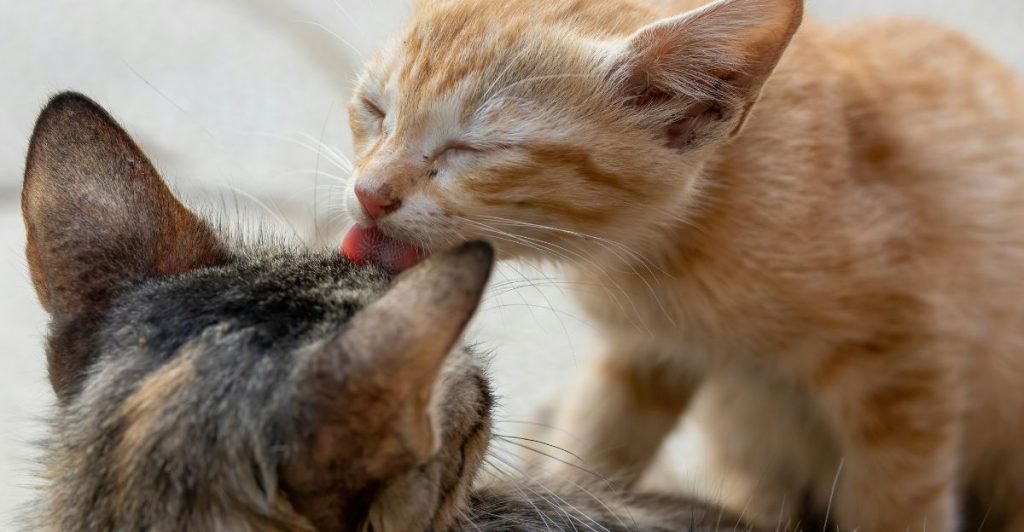
Have you ever noticed your cat gently licking another cat? That’s called cat grooming, and it’s more than just a cute behavior.
When one cat grooms another, it’s a powerful way they build trust and show affection. Understanding why your cat grooms another cat can help you strengthen the bond between your pets and keep them happy and healthy. Keep reading to discover the surprising reasons behind this behavior and how it affects your furry friends every day.

Credit: basepaws.com
Why Cats Groom Each Other
Watching cats groom each other can be a fascinating glimpse into their world. This behavior goes beyond simple cleanliness. It reveals deep connections and important social functions within their groups.
Social Bonds And Trust
Mutual grooming is a clear sign of trust between cats. When your cats groom each other, they are strengthening their social bonds. This act helps reduce tension and builds a sense of security.
If you notice your cats spending time grooming together, it’s a good sign they feel safe and comfortable in each other’s company. Have you seen your cats pause and start grooming one another after playtime or naps? That’s their way of reinforcing friendship.
Scent Sharing And Group Identity
Cats use grooming to share scents, creating a unique group smell. This shared scent helps them recognize who belongs to their social circle. It’s like a secret club membership badge that says, “You’re part of this family.”
This scent sharing can be especially important in multi-cat households. It reduces conflicts by signaling unity and belonging. When cats groom each other, they’re actively maintaining peace in their territory.
Stress Relief And Comfort
Grooming releases calming hormones in cats, lowering their stress levels. When your cats groom each other, they provide comfort and emotional support. This can be especially important after stressful events like loud noises or vet visits.
Have you noticed your cats grooming each other more when something new or scary happens? They instinctively use grooming to soothe and calm one another. You can encourage this behavior by creating a calm environment and giving them plenty of time together.

Credit: www.youtube.com
When Grooming Becomes Friendship
Cat grooming is more than a simple cleaning task. It is a sign of trust and bonding. When one cat grooms another, it shows deep friendship. This act builds social ties and calms both cats involved. Observing these moments reveals how cats connect on a personal level.
Signs Of Strong Cat Relationships
- Frequent grooming between cats
- Relaxed body language during grooming
- Sleeping close together
- Sharing toys and space peacefully
- Playful chasing and gentle touching
Mutual Grooming Patterns
Mutual grooming happens when cats clean each other’s fur. It often starts with the head and neck. These spots are hard to reach by themselves. Grooming is slow and gentle. It shows care and respect. Cats take turns grooming to keep balance. This behavior strengthens their bond and reduces stress.
Beyond Grooming: Play And Coexistence
Friendship between cats goes past grooming. Play is a key sign. Cats chase, pounce, and wrestle in a friendly way. They share resting spots and eat close by. These actions show comfort and trust. A strong friendship helps cats live peacefully together. It creates a happy home for both pets.
How Cats Choose Grooming Partners
Cats are selective about who they groom. Grooming another cat is more than cleaning. It is a social bond and a sign of trust. Understanding how cats choose grooming partners reveals their social world. Several factors shape these choices.
Familiarity And Early Socialization
Cats usually groom cats they know well. Early social experiences affect this choice. Cats raised together often groom each other. Familiar scents and shared space create comfort. This comfort encourages grooming behavior. New cats may be avoided until trust forms.
Hierarchy And Dominance
Social rank affects grooming roles. Higher-ranking cats often receive grooming from others. Grooming can show respect or submission. It helps keep peace in multi-cat groups. Dominant cats may groom subordinates to reinforce status. Grooming patterns reflect the social order clearly.
Age And Gender Factors
Age influences grooming partnerships. Older cats may groom younger ones more. Young cats groom peers to build bonds. Gender also plays a role in choice. Female cats tend to groom more than males. Male cats may groom female cats more often.

Credit: www.shutterstock.com
Benefits Of Grooming For Cats
Grooming between cats is more than just a cute behavior—it plays a vital role in their overall well-being. When cats groom each other, they help maintain cleanliness, build social bonds, and even ease tensions. Understanding the benefits of grooming can help you appreciate why your cats spend time licking and cleaning one another.
Health And Hygiene
Grooming helps remove dirt, loose fur, and parasites like fleas from a cat’s coat. This keeps their skin healthy and reduces the risk of infections. When cats groom each other, they can reach spots that are hard to clean alone, such as the back of the neck.
Have you noticed your cats licking each other’s ears or around the eyes? This targeted cleaning helps prevent buildup that could lead to irritation or illness. Regular grooming also spreads natural oils across the fur, keeping it shiny and soft.
Emotional Well-being
Grooming creates a sense of security and comfort among cats. When your cats lick each other, it releases calming hormones that reduce stress and anxiety. This shared activity promotes a peaceful environment in your home.
Think about the last time your cat groomed another—did they seem more relaxed afterward? Grooming sessions often strengthen their trust and affection. This emotional support can improve their mood and reduce feelings of loneliness.
Reducing Aggression
Grooming acts as a social glue that prevents conflicts between cats. When cats groom each other, they signal friendship and acceptance. This behavior lowers tension and helps settle disputes without fighting.
If you’ve seen cats pause their arguments to lick each other, you’ve witnessed grooming’s power to calm aggression. Encouraging grooming in your multi-cat household can help maintain harmony and reduce stressful encounters.
Recognizing When Grooming Signals Problems
Grooming between cats is often a sign of friendship and trust, but sometimes it can signal underlying problems. Not all grooming is healthy or positive. You need to watch closely to spot when grooming behavior might indicate stress, conflict, or illness.
Over-grooming And Stress
Have you noticed your cat licking another cat excessively? Over-grooming can be a sign of stress or anxiety. It might look like caring behavior, but it often leads to skin irritation or hair loss.
Stress triggers can include changes in the environment, new pets, or even boredom. When grooming turns obsessive, it’s a red flag. Pay attention if one cat seems restless or if the other starts avoiding the groomer.
Avoiding Grooming Conflicts
Not all cats appreciate being groomed by others. Sometimes, what starts as gentle grooming can escalate into conflict. Watch for signs like growling, swatting, or tail flicking during grooming sessions.
Intervene early to prevent fights and anxiety. You can redirect their attention with toys or separate them briefly. Creating a calm space for each cat helps reduce tension and makes grooming safer and more enjoyable for both.
Signs Of Illness In Grooming Behavior
Changes in grooming habits can reveal health problems. If a cat suddenly stops grooming another or grooms one spot obsessively, it might be hurting or sick.
Look for signs like swollen skin, wounds, or unusual smells. Illnesses like skin infections, allergies, or dental pain can affect grooming behavior. Don’t hesitate to consult your vet if grooming patterns change abruptly.
Encouraging Positive Grooming Habits
Encouraging positive grooming habits between cats helps build trust and reduce stress. Grooming is a social activity for cats, but it requires a gentle approach. Patience and understanding are key to nurturing this behavior. Creating the right setting and using simple tools can make grooming a pleasant experience for both cats.
Creating A Calm Environment
Choose a quiet place without loud noises or distractions. Soft lighting helps cats feel relaxed. Keep the room warm and comfortable. Avoid sudden movements and loud voices that might scare them. A calm space encourages cats to groom each other naturally.
Introducing New Cats Slowly
Let cats meet each other step by step. Start by letting them sniff each other’s scent on a cloth. Allow short, supervised meetings in the same room. Gradually increase their time together as they get comfortable. Slow introductions help prevent fear and aggression.
Using Toys And Treats To Bond
Use toys to encourage playful interaction between cats. Gentle play can lead to grooming moments. Offer treats during or after grooming to create positive feelings. Rewarding good behavior helps cats enjoy grooming each other. This makes bonding easier and more natural.
Frequently Asked Questions
Why Do Cats Groom Each Other?
Cats groom each other to strengthen social bonds. It helps remove dirt and loose fur. This behavior shows trust and affection between cats.
How Often Do Cats Groom Other Cats?
Cats groom each other several times a day. Grooming frequency varies based on their relationship and environment. It helps maintain cleanliness and reduce stress.
Can Cat Grooming Indicate Health Issues?
Yes, excessive or lack of grooming can signal health problems. Changes in grooming habits may indicate stress, skin issues, or illness. Always monitor and consult a vet if needed.
What Areas Do Cats Groom On Other Cats?
Cats usually groom the head, neck, and ears of others. These are hard-to-reach spots for self-grooming. Grooming these areas shows care and social connection.
Conclusion
Cat grooming another cat shows their strong bond and trust. It helps keep their fur clean and healthy. Watching this behavior can teach you how cats care for each other. Encourage safe and gentle grooming to strengthen their friendship. Remember, patience and calmness make grooming easier for both cats.
Enjoy these special moments—they bring comfort and happiness to your pets. Keep observing, learning, and supporting your cats’ natural ways to stay close and clean.
