

Keeping your cat clean and comfortable isn’t just about looks—it’s about their health and happiness too. But grooming a cat can sometimes feel tricky or even stressful for both of you.
What if you had simple, effective tips that make grooming easy and enjoyable? You’ll discover practical advice that helps you care for your cat’s coat, skin, and claws with confidence. Stick around, and you’ll learn how to turn grooming time into a bonding moment you both look forward to.
Benefits Of Regular Grooming
Regular grooming does more than just keep your cat looking neat. It plays a crucial role in maintaining their overall health and comfort. You might be surprised how much a simple grooming routine can improve your cat’s life and your own.
Improved Coat Health
Brushing your cat regularly helps distribute natural oils across their fur. This keeps the coat shiny and soft, preventing dryness and dullness. I noticed my cat’s coat became visibly healthier after just a few weeks of daily brushing—no more patchy or flaky skin.
Do you check your cat’s coat for signs of irritation or parasites during grooming? It’s an easy way to catch problems early before they become serious.
Reduced Shedding
Shedding can be a challenge, especially if you have allergies or prefer a clean home. Regular grooming removes loose hair before it falls all over your furniture. This means less cleaning for you and fewer hairballs for your cat to deal with.
Consistency is key—brushing your cat several times a week can drastically cut down on the amount of fur around your house.
Prevention Of Hairballs
Cats often ingest loose fur while grooming themselves, leading to hairballs. By removing excess hair through regular brushing, you reduce the amount they swallow. This can prevent uncomfortable hairballs and digestive issues.
Have you ever seen your cat struggle with coughing up hairballs? A simple grooming habit can save them from this discomfort and keep their tummy happy.

Credit: www.latimes.com
Choosing The Right Tools
Choosing the right tools for cat grooming makes the process easier and safer. Each cat has different needs depending on its fur type and behavior. Using proper tools helps keep your cat comfortable and clean. It also reduces the risk of skin irritation or injury.
Types Of Brushes And Combs
Brushes and combs are essential to remove loose hair and prevent mats. Select tools based on your cat’s fur length and texture.
- Slicker brusheswork well for long or thick fur. They remove tangles and loose hair gently.
- Bristle brushessuit short-haired cats. They smooth the coat and spread natural oils.
- Wide-toothed combshelp untangle mats without pulling too hard.
- Flea combscan catch tiny fleas and debris between fur strands.
Nail Clippers And Other Essentials
Trimming nails keeps cats from scratching furniture or people. Use clippers made for pets to avoid splitting nails.
- Guillotine-style clipperscut nails cleanly and safely.
- Scissor-style clippersoffer control for thick or tough nails.
- Styptic powderhelps stop bleeding if you trim too close.
- Ear cleanerkeeps ears free from wax and dirt.
- Pet-safe wipeshelp clean eyes and face gently.
Brushing Techniques
Brushing your cat is more than just a quick comb through the fur. It helps remove loose hair, prevents mats, and keeps the skin healthy. Using the right brushing techniques makes the experience pleasant for your cat. Gentle strokes and patience are key. Understanding how often and when to brush, along with choosing the correct approach for your cat’s fur type, improves grooming results.
Frequency And Timing
Regular brushing reduces shedding and hairballs. Short-haired cats need brushing once a week. Long-haired cats require brushing several times a week or daily. Choose a calm time, like after a meal or playtime. Brushing sessions should last 5 to 10 minutes. Stop if your cat shows signs of stress or discomfort. Consistency helps your cat get used to grooming.
Handling Different Fur Types
Each cat’s fur type needs special care. Short-haired cats enjoy soft brushes or rubber grooming tools. Long-haired cats need combs to prevent tangles and mats. Use gentle strokes, starting from the head moving to the tail. For thick or curly fur, detangle with wide-toothed combs before fine brushes. Always check for mats or knots. Be careful around sensitive areas like the belly and legs.
Bathing Your Cat
Bathing your cat is not always needed but can help in certain situations. Cats usually keep themselves clean. Sometimes dirt, fleas, or skin problems require a bath. Bath time needs patience and care to avoid stress for your cat.
When To Bathe
Bathe your cat only when necessary. Examples include:
- Cat smells bad or is very dirty
- Cat has fleas or other parasites
- Cat has a skin condition needing treatment
- Cat gets sticky or oily substances on fur
- Vet recommends a bath for health reasons
Too frequent baths can dry out your cat’s skin. Most cats need baths very rarely.
Safe Shampoo Options
Use shampoos made specifically for cats. Human or dog shampoos can harm their skin. Look for shampoos that are:
- Gentle and fragrance-free
- Hypoallergenic for sensitive skin
- Free from harsh chemicals like parabens
- Designed to kill fleas if needed
Always check with your vet before trying new products.
Step-by-step Bathing Guide
- Brush your cat to remove loose fur and mats
- Fill a sink or tub with warm water, about 3-4 inches deep
- Place a towel or mat in the basin to prevent slipping
- Gently wet your cat’s fur using a cup or sprayer
- Apply a small amount of cat shampoo and lather carefully
- Avoid eyes, ears, and nose while shampooing
- Rinse thoroughly with warm water to remove all shampoo
- Wrap your cat in a dry towel and gently pat dry
- Keep your cat warm until fully dry
Speak softly and stay calm to help your cat relax. Bathing can be easier with two people.
Dealing With Mats And Tangles
Mats and tangles are more than just an eyesore on your cat’s fur—they can cause discomfort and skin problems. Dealing with them gently and effectively is key to keeping your feline friend happy and healthy. Understanding how to prevent and safely remove these knots will save both you and your cat a lot of stress.
Prevention Tips
Stopping mats before they form is easier than removing them later. Regular brushing is essential, especially for long-haired cats. Aim for short sessions daily or at least several times a week.
Choose the right tools for your cat’s coat type. A wide-toothed comb works well for detangling, while a slicker brush can smooth out the fur. Pay special attention to areas prone to mats, such as behind the ears, under the legs, and around the collar.
Keep your cat’s fur clean and dry. Moisture can make mats worse, so drying your cat thoroughly after baths or rainy outdoor adventures is important. Also, check if your cat’s diet supports healthy skin and fur, as poor nutrition can increase matting risk.
Safe Removal Methods
Removing mats requires patience and care. Never pull hard on a tangle, as this can hurt your cat and damage their skin. Instead, try to gently loosen the mat with your fingers before using tools.
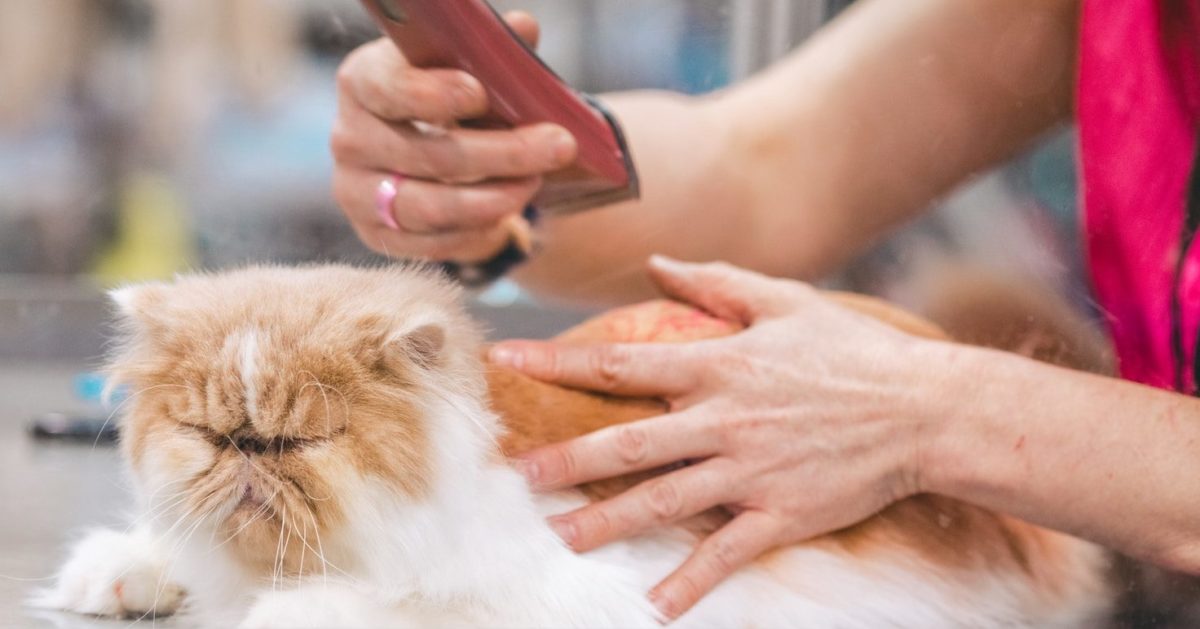
Use a dematting comb or scissors with rounded tips designed specifically for pets. If you choose scissors, cut only the mat, not the skin underneath. If the mat is too tight or close to the skin, it’s safer to seek help from a professional groomer or veterinarian.
Break down large mats into smaller sections and work slowly to avoid stressing your cat. Reward your cat with treats or gentle petting during breaks to keep the experience positive. Have you noticed your cat’s reaction when you carefully remove a mat? Their relief is often immediate and worth the effort.
Credit: thepetconcierge.com
Nail Care Basics
Caring for your cat’s nails is a key part of grooming. Healthy nails keep cats comfortable and prevent damage to furniture. Regular nail trimming stops nails from growing too long or curling into the paw pad. It also reduces scratching injuries to you and others. Nail care is simple with the right tools and knowledge. A calm approach makes the process easier for both you and your cat.
Trimming Tips
- Use a sharp, cat-specific nail trimmer for clean cuts.
- Hold your cat gently but firmly to avoid sudden moves.
- Press the paw pad to extend the nail for a clear view.
- Trim only the sharp tip, avoiding the pink quick inside the nail.
- Cut a small amount at a time to prevent bleeding.
- Offer treats and praise to keep your cat relaxed.
- Trim nails every 1 to 2 weeks for best results.
Avoiding Common Mistakes
- Do not cut into the quick; it causes pain and bleeding.
- Avoid using human nail clippers, which can crush nails.
- Never force your cat if it struggles; try again later.
- Do not skip nail checks; nails grow quickly.
- Avoid trimming all nails at once if your cat is nervous.
- Don’t ignore overgrown nails; they can cause infections.
Ear And Eye Maintenance
Ear and eye care are crucial parts of your cat’s grooming routine. These sensitive areas can easily develop problems if neglected, yet they often get overlooked. Regular attention helps keep your cat comfortable and healthy, preventing potential infections or irritations.
Cleaning Guidelines
Start by gently inspecting your cat’s ears and eyes in a well-lit area. Use a soft, damp cloth or a cotton ball moistened with warm water to wipe away any dirt or discharge. Avoid using cotton swabs inside the ear canal as they can cause injury.
For ears, focus on the outer folds and avoid pushing too deep. If you notice wax buildup, a vet-approved ear cleaner can help, but always follow your vet’s advice. For eyes, clean from the inner corner outward to prevent spreading any debris.
Keep cleaning sessions short and calm to prevent your cat from becoming stressed. Reward your cat afterward with a treat or gentle petting to create a positive association.
Signs Of Infection
Watch for redness, swelling, or foul odor in the ears, which can indicate an infection. Your cat may also scratch or shake its head frequently if discomfort is present. In the eyes, look for excessive tearing, cloudiness, or crusty discharge.
If your cat’s eyes appear swollen or if they squint often, it could be a sign of irritation or infection. Pay attention to any sudden behavioral changes, like increased irritability or hiding, which might signal pain.
Have you noticed your cat rubbing its ears or eyes more than usual? Don’t hesitate to consult your vet promptly to prevent minor issues from escalating. Early detection is key to effective treatment and your cat’s comfort.
Handling Grooming Stress
Grooming can be stressful for many cats. They may feel scared or uncomfortable during brushing or nail trimming. Reducing grooming stress helps keep your cat calm and safe. It also makes grooming easier for both of you. Simple steps can create a better experience and build trust.
Creating A Calm Environment
Choose a quiet room with few distractions. Soft lighting helps your cat feel relaxed. Keep the temperature comfortable—not too hot or cold. Use a soft towel or mat for your cat to sit on. Avoid sudden movements and loud noises. Play gentle music or white noise to mask outside sounds. Take breaks if your cat seems tense or restless. A calm space helps your cat stay peaceful during grooming.
Positive Reinforcement Techniques
Use treats to reward good behavior during grooming. Offer small, tasty snacks your cat loves. Praise your cat with a soft voice. Pet your cat gently after each grooming step. Start with short sessions and slowly increase time. Let your cat explore grooming tools before using them. This builds comfort and trust. Positive moments help your cat enjoy grooming more each time.
When To Seek Professional Help
Knowing when to seek professional help for cat grooming is important. Some grooming tasks can be tricky or stressful for both you and your cat. Watching your cat’s behavior and coat condition can guide you to the right choice. Professionals have skills and tools that make grooming safer and easier.
Recognizing Grooming Challenges
Look for signs that grooming is hard to manage at home. Your cat may resist brushing or nail trimming strongly. Matted fur that you cannot untangle is a clear sign. Excessive shedding or skin issues might need expert care. Cats with long hair often need special attention to avoid knots. Older cats or those with health problems can find grooming painful or stressful. Unusual odors or dirt buildup also indicate a need for help.
Benefits Of Professional Groomers
Professional groomers know how to handle cats calmly and safely. They use special tools to remove mats and clean ears properly. Groomers can trim nails without hurting your cat or causing stress. They spot skin problems early and can advise on care. A professional session often includes bathing and drying that is gentle. Regular grooming by experts helps keep your cat healthy and comfortable. Your cat will look and feel better after a visit.

Credit: www.latimes.com
Frequently Asked Questions
How Often Should I Groom My Cat?
Cats with short hair need grooming once a week. Long-haired cats require grooming at least 2-3 times weekly. Regular brushing prevents matting and reduces shedding. Grooming also helps you spot skin issues early.
What Tools Are Best For Cat Grooming?
Use a soft bristle brush for short-haired cats. A slicker brush works well for long-haired cats. Nail clippers and grooming wipes are also helpful. Choose tools designed specifically for cats to avoid discomfort.
Can Grooming Reduce My Cat’s Shedding?
Yes, regular grooming removes loose fur and reduces shedding. Brushing helps distribute natural oils, keeping fur healthy. It also prevents hairballs by removing dead hair before ingestion. Grooming frequency depends on your cat’s coat type.
How Do I Safely Trim My Cat’s Nails?
Use cat-specific nail clippers and trim only the sharp tip. Avoid cutting the quick, the pink part inside nails. If unsure, consult a vet or groomer. Regular trimming prevents scratching injuries and keeps nails healthy.
Conclusion
Grooming your cat keeps them healthy and happy. Regular brushing stops hairballs and matting. Clean ears and trimmed nails prevent pain and infections. Make grooming a calm and gentle routine. Watch your cat’s reactions to know their comfort level. A little care goes a long way for your pet’s well-being.
Enjoy the bonding time during grooming sessions. Your cat will thank you with a shiny coat and bright eyes. Small steps daily help your cat feel loved and cared for.
