

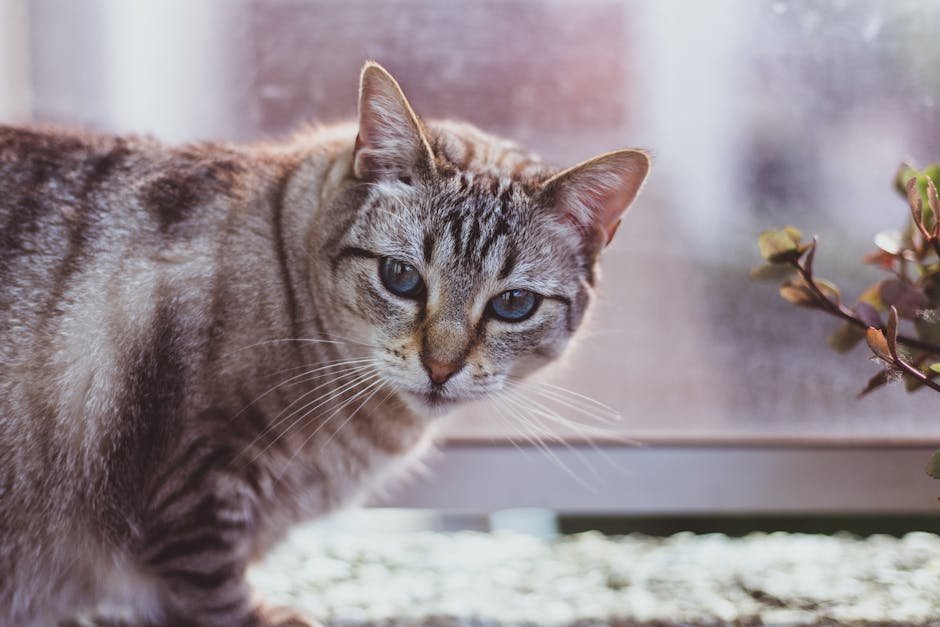
Is your cat’s fur looking dull or patchy? Healthy fur isn’t just about appearance—it’s a key sign of your cat’s overall well-being.
You might not realize it, but what your cat’s coat tells you can help you spot health issues early. Imagine running your fingers through soft, shiny fur every day—doesn’t that sound wonderful? You’ll discover simple yet powerful ways to keep your cat’s fur in top shape.
Ready to unlock the secrets to a vibrant, healthy coat that your furry friend will love? Keep reading to learn how you can make a real difference in your cat’s life.
Benefits Of A Shiny Coat
A shiny coat is a clear sign of a cat’s good health. It shows that the cat is well-nourished and cared for. A glossy coat also protects the skin from damage and keeps the fur soft and smooth. This makes cats look beautiful and feel comfortable every day.
Signs Of Healthy Fur
- Fur looks bright and smooth without dull spots
- Coat feels soft to touch, not dry or rough
- Minimal shedding and no bald patches
- Skin beneath the fur is clean, with no redness or flakes
- Cat grooms itself regularly and easily
Impact On Cat’s Well-being
A shiny coat helps keep your cat warm and dry. It reduces the chance of skin infections and irritations. Healthy fur also boosts your cat’s confidence and mood. Cats with good fur health tend to be more active and playful. It reflects a strong immune system and proper diet too.

Credit: www.amazon.ca
Nutrition For Fur Health
Good nutrition plays a big role in keeping a cat’s fur shiny and healthy. Feeding the right foods helps the skin stay strong and the coat look smooth. Cats need certain nutrients to grow thick, soft fur and to prevent dryness or shedding.
Choosing the best diet supports fur health from the inside out. Balanced meals supply essential vitamins and fatty acids. These ingredients nourish hair follicles and protect the skin barrier. Healthy fur also shows a cat’s overall well-being.
Key Nutrients For A Glossy Coat
- Protein: Builds strong hair strands and repairs skin cells.
- Omega-3 and Omega-6 Fatty Acids: Keep skin hydrated and fur soft.
- Vitamin E: Acts as an antioxidant to protect skin from damage.
- Zinc: Supports fur growth and helps heal skin irritations.
- Biotin: Improves hair thickness and reduces hair loss.
Best Foods To Include
Wet and dry cat foods with high-quality protein are ideal. Fish such as salmon and sardines provide healthy fats. Chicken and turkey also offer lean protein for fur strength.
Foods rich in omega oils and vitamins support a shiny coat. Some commercial diets are specially formulated for skin and fur health. Fresh water is important to keep the skin hydrated and prevent dryness.
Supplements That Help
- Fish oil capsules add extra omega-3 fatty acids.
- Biotin supplements promote healthy hair growth.
- Multivitamins ensure cats get all skin-friendly nutrients.
- Zinc chelates help with fur repair and shine.
Consult a vet before giving supplements. Proper dosage is necessary for best results.
Grooming Practices
Keeping your cat’s fur healthy goes beyond just admiration—it requires consistent grooming that supports their skin and coat. Proper grooming reduces hairballs, prevents matting, and helps you spot health issues early. Let’s dive into some practical grooming habits that make a real difference.
Brushing Techniques
Choose a brush that suits your cat’s fur length and texture. For short-haired cats, a rubber brush or bristle brush works well, while long-haired cats benefit from a slicker brush or comb. Brush gently in the direction of hair growth to avoid hurting your cat’s skin.
Regular brushing sessions, even just a few minutes a day, help distribute natural oils that keep fur shiny. Notice how your cat reacts—if they seem uncomfortable, try shorter sessions or a different tool. Have you ever seen your cat relax into a brushing session? That’s a sign you’re doing it right.
Bathing Tips
Bathing cats isn’t always necessary, but some situations like allergies or dirt buildup call for it. Use a shampoo made specifically for cats to protect their sensitive skin. Always rinse thoroughly to avoid residue that can cause irritation.
Keep the water lukewarm and the environment calm to reduce your cat’s stress. A handheld showerhead or a cup to pour water gently works best. Remember, patience is key—try to make the experience as quick and smooth as possible.
Dealing With Shedding
Shedding is natural, but excessive fur loss might indicate health problems. Use grooming tools designed to remove loose hair efficiently, such as deshedding brushes. Regular brushing before shedding seasons can significantly reduce the mess around your home.
Consider supplements like omega-3 fatty acids after consulting your vet; they can improve coat health and reduce shedding. Have you tried setting up a dedicated grooming spot? It helps contain fur and keeps the process stress-free for both you and your cat.
Environmental Factors
Environmental factors play a crucial role in maintaining your cat’s fur health. The space where your cat lives and the level of stress they experience can directly affect the condition of their coat. Paying attention to these elements can help you keep your feline friend’s fur shiny, smooth, and healthy.
Creating A Healthy Living Space
Your cat’s environment affects more than just their mood—it impacts their fur quality too. Ensure your home is clean and free of dust and allergens, which can irritate your cat’s skin and cause fur problems.
Provide soft bedding and cozy spots where your cat feels safe and comfortable. Cats love warmth, so a sunny windowsill or a heated bed can make a big difference in their fur condition.
Regular vacuuming and air filtration reduce airborne irritants. Have you noticed your cat shedding more in dusty areas? That’s a sign to improve your home’s cleanliness.
Managing Stress For Better Fur
Stress causes cats to over-groom or lose fur in patches. Think about changes in your cat’s routine or environment that might upset them, like new pets, loud noises, or moving furniture.
Spend quality time with your cat every day to build trust and reduce anxiety. Interactive play and gentle petting help calm your cat and improve their overall well-being.
Consider calming tools like pheromone diffusers or soft background music. Have you tried these to soothe your cat during stressful times? You might see a positive change in their fur quality.
Common Fur Problems
Cat fur problems are common and can affect your pet’s comfort. Healthy fur shows a cat’s overall well-being. Problems like dryness or hair loss need attention. Early care helps prevent serious issues. Understanding these common fur problems helps keep your cat happy and healthy.
Dry Skin And Dandruff
Dry skin causes flaking and itchiness in cats. Dandruff looks like small white flakes on fur. These issues may happen due to:
- Poor diet lacking essential fatty acids
- Low humidity in the environment
- Frequent bathing with harsh shampoos
- Allergies to food or environment
Regular grooming and a balanced diet can reduce dry skin. Using a humidifier in dry homes helps as well. Avoid over-bathing to protect natural oils on the skin.
Hair Loss Causes
Hair loss in cats can look alarming. Causes include:
- Parasites like fleas or mites
- Stress or anxiety leading to over-grooming
- Skin infections from bacteria or fungi
- Allergic reactions to food or environment
- Hormonal imbalances such as thyroid issues
Some hair loss is seasonal and normal. Persistent or patchy hair loss needs attention. Watching your cat’s behavior helps identify the cause early.
When To See A Vet
Visit a vet if your cat shows these signs:
- Excessive scratching or biting at fur
- Large bald patches or severe hair loss
- Red, swollen, or scaly skin
- Sudden changes in coat condition
- Signs of pain or discomfort
Early diagnosis prevents serious skin and fur problems. Vets can recommend treatments or special diets. Don’t delay if your cat’s fur looks unhealthy.

Credit: www.youtube.com
Natural Remedies
Taking care of your cat’s fur naturally can be both safe and effective. Natural remedies often avoid harsh chemicals and support your cat’s skin and coat health gently. Have you noticed how some oils and herbs seem to calm your cat or make their fur shine?
Oils And Treatments
Oils can work wonders for your cat’s fur, making it softer and less prone to shedding. Coconut oil, for example, is a popular choice. Just a small amount rubbed into their fur can reduce dryness and add shine.
Another great option is fish oil, rich in omega-3 fatty acids. Adding a few drops to your cat’s food can improve coat texture and reduce inflammation. Always start with a small dose and watch for any reactions.
- Coconut oil:Moisturizes and reduces dandruff.
- Fish oil:Supports skin health and fur shine.
- Olive oil:Adds softness when applied topically.
Remember, before applying oils directly, test a tiny patch to ensure your cat doesn’t have a sensitivity. Have you tried any of these oils and seen an improvement in your cat’s coat?
Herbal Options
Herbs can also help maintain a healthy coat naturally. Calendula, known for its soothing properties, can calm irritated skin and promote healing. You can find calendula in pet-safe shampoos or as a gentle rinse after baths.
Chamomile is another herb that can reduce itching and inflammation. Brew it into a mild tea, let it cool, and use it as a rinse or spray on your cat’s fur. This is especially helpful for cats with sensitive skin.
- Calendula:Soothes and heals skin.
- Chamomile:Reduces itchiness and calms skin.
- Lavender:May repel fleas and provide calming effects.
When using herbs, always check that they are safe for cats and avoid any that could cause allergies. Have you noticed your cat respond positively to any herbal treatments?

Credit: petkrewe.com
Frequently Asked Questions
How Can I Improve My Cat’s Fur Health Naturally?
Provide a balanced diet rich in omega-3 and omega-6 fatty acids. Regular grooming removes loose fur and stimulates oils. Ensure your cat stays hydrated and stress-free for optimal coat condition.
What Are Common Signs Of Poor Cat Fur Health?
Dull, dry, or patchy fur indicates poor health. Excessive shedding, bald spots, or flaky skin are red flags. Behavioral changes like over-grooming may also suggest underlying issues.
Does Diet Affect Cat Fur Quality?
Yes, diet directly impacts fur health. Nutrients like protein, vitamins, and fatty acids keep fur shiny and strong. Poor nutrition often causes dullness and hair loss in cats.
How Often Should I Groom My Cat For Healthy Fur?
Groom cats with short fur weekly and long-haired cats daily. Regular brushing reduces tangles, spreads natural oils, and minimizes shedding. Grooming also helps spot skin problems early.
Conclusion
Healthy cat fur shows a happy, well-cared-for pet. Regular brushing helps remove loose hair and dirt. A balanced diet supports shiny, strong fur. Watch for changes in coat texture or color. These signs may mean health problems. Keep your cat clean and comfortable every day.
Small actions create big differences in fur health. Caring for your cat’s coat builds trust and love. Simple steps keep your furry friend looking great. Good fur health means a content and lively cat.
