

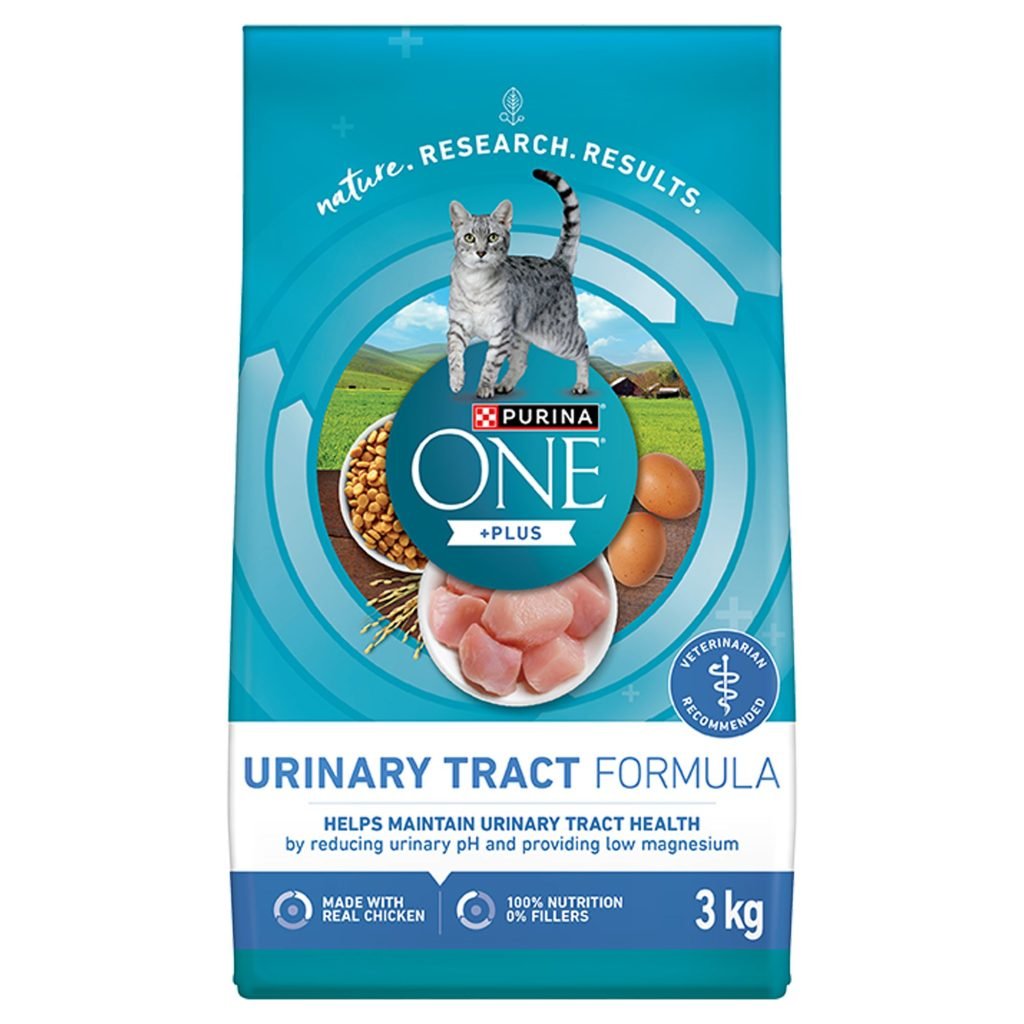
If you care about your cat’s health, you know how important it is to keep their urinary tract in good shape. Urinary problems can be painful and even dangerous for your furry friend.
But did you know that the right cat food can make a big difference? Choosing the best cat foods for urinary tract health is one of the smartest ways to protect your pet from discomfort and costly vet visits. You’ll discover which foods support a healthy urinary system and how to spot ingredients that can help your cat feel their best every day.
Keep reading to learn how you can make a simple change that could save your cat from serious health issues.
Importance Of Urinary Health In Cats
Maintaining urinary health is vital for cats to live a happy, pain-free life. The urinary system helps remove waste and balance fluids in their bodies. Problems in this system can cause severe discomfort and dangerous health issues. Early attention to urinary health can prevent many serious conditions and keep cats active.
Common Urinary Issues
- Urinary Tract Infections (UTIs): Bacterial infections causing pain and frequent urination.
- Feline Lower Urinary Tract Disease (FLUTD): A group of conditions affecting the bladder and urethra.
- Bladder Stones: Hard mineral deposits that cause blockages and irritation.
- Urinary Blockage: A life-threatening condition where urine cannot pass, common in male cats.
- Crystal Formation: Minerals in urine that may lead to stones or irritation.
Signs Of Urinary Problems
- Frequent attempts to urinate with little output.
- Straining or pain during urination.
- Blood in the urine.
- Urination outside the litter box.
- Excessive licking of the genital area.
- Changes in behavior such as hiding or irritability.
Key Nutrients For Urinary Health
Supporting your cat’s urinary tract health starts with understanding the key nutrients that play a crucial role. These nutrients help prevent common issues like urinary crystals and infections. Knowing what to look for in cat food can make a big difference in your pet’s comfort and health.
Role Of Moisture
Water content in your cat’s diet is vital for urinary health. Cats naturally have a low thirst drive, so dry food alone may not provide enough hydration. Wet cat food or adding water to dry food helps flush out the urinary tract and dilute urine, reducing the risk of crystal formation.
Have you noticed your cat drinking less water? Increasing moisture in their meals can be a simple fix to help keep their urinary system clear and healthy.
Balanced Minerals
Minerals like magnesium, calcium, and phosphorus need to be balanced in cat food. Excessive magnesium, in particular, can lead to the formation of urinary crystals. Look for foods labeled as low or controlled in minerals to protect your cat’s urinary tract.
It’s not just about avoiding minerals; it’s about the right amounts. Feeding a diet that balances these minerals supports healthy urine composition and reduces irritation.
Ph Control
The acidity or alkalinity of your cat’s urine influences crystal formation. Cat foods designed for urinary health often help maintain an optimal pH level, usually slightly acidic, to prevent crystals and stones. Check the label for mentions of urinary pH support or acidifiers.
Are you aware of your cat’s urinary pH? Feeding foods that manage urine pH can be a powerful tool in preventing urinary problems before they start.
Types Of Cat Foods For Urinary Health
Choosing the right type of cat food is key to supporting your cat’s urinary tract health. Different foods offer various benefits, and understanding these can help you make the best choice for your feline friend. Let’s look at the main types of cat foods that promote urinary health, so you can see which fits your cat’s needs.
Wet Foods
Wet foods have a high moisture content, which helps increase your cat’s water intake. This additional hydration can dilute urine and reduce the risk of crystal formation in the urinary tract.
Many cats prefer the taste of wet food, making it easier to encourage them to eat a diet that supports urinary health. Look for wet foods with controlled magnesium, phosphorus, and calcium levels, as these minerals can affect urinary crystals.
Dry Foods
Dry foods are convenient and often more affordable, but they contain less moisture than wet foods. To support urinary health, some dry formulas include ingredients designed to promote urinary tract balance.
Check for dry foods labeled specifically for urinary health; they often help maintain proper pH levels in the urine. However, if you feed dry food, ensure your cat drinks enough water daily to prevent dehydration.
Prescription Diets
Prescription diets are specially formulated by veterinarians to manage or prevent urinary tract issues. These foods have precise nutrient balances and additives that help dissolve crystals and prevent stone formation.
If your cat has a history of urinary problems, your vet might recommend a prescription diet. These diets require a vet’s approval but can be very effective in protecting your cat’s urinary health over time.
Credit: www.newfoundlandgrocerystores.ca
Top Ingredients To Look For
Choosing the right cat food for urinary tract health means focusing on ingredients that truly support your feline’s well-being. Some components can help prevent infections, reduce inflammation, and maintain a healthy urinary pH. Knowing what to look for helps you make smarter choices that keep your cat comfortable and healthy.
Cranberry Extract
Cranberry extract is a powerful ingredient for urinary health. It helps prevent harmful bacteria from sticking to the bladder walls, reducing the chance of infections. Many cat owners notice fewer urinary issues after switching to foods containing cranberry extract.
Have you ever wondered why cranberry juice is recommended for urinary problems in humans? The same benefits apply to cats, making it a natural and effective addition to their diet.
Omega Fatty Acids
Omega fatty acids, like Omega-3 and Omega-6, fight inflammation inside the urinary tract. They promote overall cell health and support the immune system. Cats with urinary problems often show improvements when their diet includes these essential fats.
Look for fish oils or flaxseed oil listed among the ingredients. These sources provide a good balance of omega fatty acids that your cat’s body can use easily.
Natural Antioxidants
Antioxidants such as vitamin E, vitamin C, and selenium protect urinary tract cells from damage caused by harmful molecules. Including these in your cat’s food can strengthen their defenses and speed up recovery from minor irritations.
Think about how antioxidants help your own health—your cat benefits in similar ways. Choosing foods rich in natural antioxidants supports long-term urinary tract health and overall vitality.
Foods And Ingredients To Avoid
Choosing the right cat food is crucial for maintaining your feline’s urinary tract health. Some ingredients can worsen urinary issues or even trigger painful flare-ups. Knowing which foods to avoid helps you protect your cat’s wellbeing and comfort.
Excessive Magnesium
Magnesium is a mineral that, in high amounts, can contribute to the formation of urinary crystals in cats. These crystals can block the urinary tract and cause serious health problems. Check your cat food labels and avoid those with magnesium levels above 0.1% on a dry matter basis.
Not all cats react the same way, but if your pet has a history of urinary issues, cutting down on magnesium is a smart move. Have you ever noticed your cat straining or licking their genital area excessively? These could be warning signs linked to high magnesium intake.
Artificial Additives
Artificial colors, flavors, and preservatives offer no nutritional benefit and can irritate your cat’s bladder. Some cats are sensitive to these additives, which may worsen inflammation or cause allergic reactions. Look for foods labeled as free from artificial additives to reduce this risk.
Many commercial cat foods use synthetic ingredients to enhance taste or shelf life, but these shortcuts often come with hidden costs. Would you feed your cat a treat if you knew it might cause discomfort? Avoiding artificial additives is a simple step to prevent urinary tract problems.
High Carbohydrates
Cats are natural carnivores, and their bodies are not designed to process large amounts of carbohydrates. High carb diets can lead to obesity and increase the risk of urinary tract issues by altering urine pH. Avoid cat foods with excessive grains, corn, or fillers that boost carbohydrate content.
Instead, choose foods with higher protein and lower carbs to support healthy urine flow and reduce crystal formation. Have you checked the ingredient list on your cat’s food lately? You might be surprised how many contain unnecessary carbohydrates.
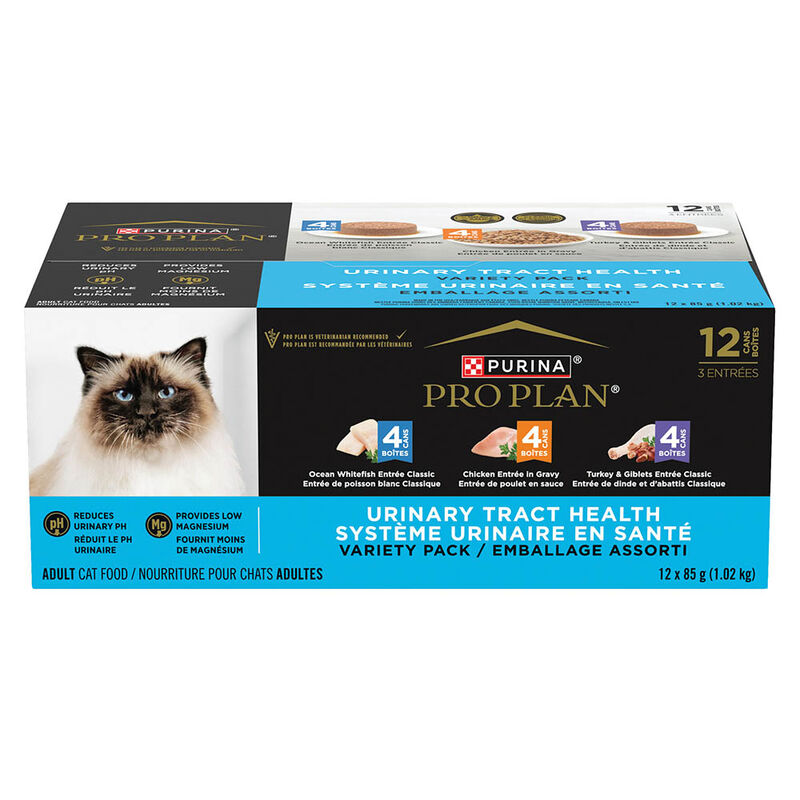
Credit: www.renspets.com
Feeding Tips For Urinary Health
Feeding cats for urinary tract health requires careful attention. Small changes in diet can make a big difference. Focus on hydration, feeding schedules, and smooth food transitions. These tips help keep your cat’s urinary system strong and reduce health risks.
Proper Hydration
Water intake is vital for urinary health. Wet cat food contains more moisture than dry food. Encourage your cat to drink fresh water daily. Use multiple water bowls around the house. Some cats like running water from a pet fountain. Adequate hydration helps flush the urinary tract and prevent crystals.
Feeding Frequency
Feed smaller meals throughout the day. Frequent feeding keeps the bladder active and reduces urine concentration. Avoid large meals that cause dehydration or stress on the urinary tract. Consistent feeding times help regulate your cat’s digestion and urinary function. Observe your cat’s appetite and adjust accordingly.
Transitioning Foods
Switching to urinary health cat food needs care. Gradually mix new food with the old over 7 to 10 days. Slowly increase the new food ratio to avoid digestive upset. Watch for signs of intolerance like vomiting or diarrhea. A smooth transition supports better acceptance and maintains urinary health benefits.
Popular Cat Food Brands For Urinary Care
Choosing the right cat food is key to supporting urinary tract health. Some brands focus on formulas that help maintain proper urinary pH levels and reduce crystal formation. These foods often include controlled mineral content and added moisture to support a healthy urinary system.
Many pet owners trust certain popular brands for their proven effectiveness in urinary care. These brands combine quality ingredients with veterinary research to create diets that protect your cat’s urinary tract.
Hill’s Prescription Diet Urinary Care
Hill’s offers specialized diets designed to prevent urinary crystals and stones. Their formulas help maintain optimal urine pH and dissolve existing crystals. Many veterinarians recommend Hill’s for cats with urinary problems.
Royal Canin Urinary So
Royal Canin provides diets that support urinary tract health by controlling mineral levels. Their food helps reduce the risk of struvite and calcium oxalate stones. It also promotes a balanced urinary environment for cats.
Purina Pro Plan Urinary Tract Health
Purina Pro Plan features formulations that promote urinary health through balanced nutrition. The food helps manage urine pH and supports kidney function. Cats often enjoy the taste, making it easier to maintain their diet.
Blue Buffalo Natural Veterinary Diet
Blue Buffalo offers natural ingredients focused on urinary health. Their veterinary diet includes controlled minerals and antioxidants. This helps reduce inflammation and supports a healthy urinary system.
Wellness Core Grain-free Urinary Health
Wellness CORE provides grain-free options with urinary support. Their recipes include high moisture content and balanced minerals. This food helps keep the urinary tract clear and healthy.
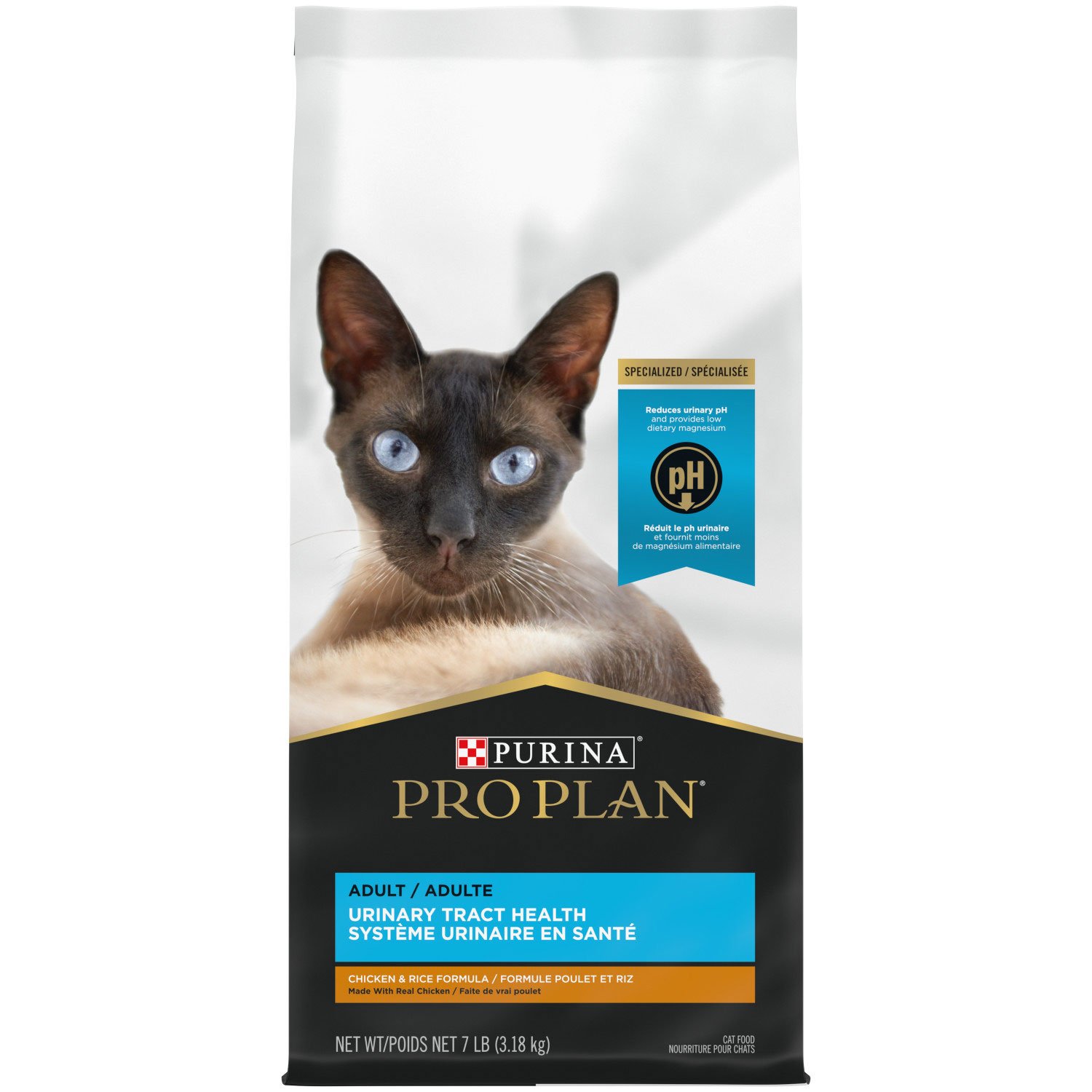
Credit: www.mondou.com
When To Consult A Veterinarian
Knowing when to consult a veterinarian about your cat’s urinary health can make a huge difference in preventing serious complications. Urinary tract issues in cats can quickly become painful and even life-threatening if left untreated. Paying attention to the warning signs and acting promptly protects your furry friend’s well-being.
Recognizing Persistent Symptoms
If your cat frequently tries to urinate but produces little or no urine, this is a red flag. Watch for signs like blood in the urine or excessive licking of the genital area. These symptoms often indicate a urinary blockage or infection that needs immediate veterinary attention.
Changes In Behavior And Appetite
Your cat may hide or show signs of discomfort when urinating. Loss of appetite, lethargy, or vomiting can also accompany urinary problems. These changes suggest your cat is in distress and requires a professional evaluation as soon as possible.
When Diet Alone Isn’t Enough
Specialized cat foods for urinary health help manage minor issues, but they aren’t a cure-all. If you notice no improvement after a few days on a urinary care diet, it’s time to visit the vet. Dietary changes should be part of a broader treatment plan guided by a professional.
Emergency Situations That Need Immediate Care
Complete inability to urinate is an emergency. This condition can cause toxins to build up rapidly and become life-threatening. If your cat shows signs of distress, pain, or bloating along with urinary problems, take them to the vet immediately.
Regular Check-ups To Prevent Problems
Even if your cat seems healthy, regular veterinary check-ups help catch urinary issues early. Ask your vet about urine tests during routine visits, especially if your cat has a history of urinary problems. Early detection can save your cat from painful complications.
Frequently Asked Questions
What Ingredients Support Cat Urinary Tract Health?
Ingredients like cranberry extract, omega-3 fatty acids, and high moisture content promote urinary tract health in cats. They help reduce inflammation and prevent urinary crystals.
How Does Hydration Affect Cat Urinary Health?
Proper hydration dilutes urine, reducing crystal formation and urinary tract infections. Wet cat foods increase water intake, supporting healthy urinary function.
Are Grain-free Cat Foods Better For Urinary Health?
Grain-free diets may reduce inflammation and allergies but don’t guarantee better urinary health. Focus on moisture and urinary-supportive ingredients instead.
Can Diet Prevent Urinary Tract Infections In Cats?
Yes, diets formulated to maintain urinary pH and reduce crystal formation help prevent infections. Always consult your vet for tailored recommendations.
Conclusion
Choosing the right cat food supports urinary tract health well. Balanced ingredients help keep your cat’s bladder strong. Proper nutrition reduces risks of infections and stones. Always read labels and pick foods made for urinary care. Regular vet visits keep your cat healthy and happy.
Healthy cats live longer and feel better every day. Simple choices make a big difference in their wellbeing. Keep your cat’s diet clean, safe, and supportive. A happy cat starts with smart food decisions.
