

Are you worried about what’s really in your cat’s food? If your furry friend has allergies or you simply want to avoid chicken in their diet, finding the right cat food can feel overwhelming.
You want to give your cat something healthy, tasty, and safe—but where do you start? This guide will help you discover the best cat food without chicken, so you can feel confident about every meal you serve. Keep reading to learn how to keep your cat happy and healthy without chicken in their bowl.
Reasons To Avoid Chicken In Cat Food
Choosing cat food without chicken can benefit many cats. Some cats react poorly to chicken protein. Others may need special diets for health reasons. Quality of chicken used in pet food varies widely. Some owners prefer to avoid chicken for personal or ethical reasons. Understanding these reasons helps in selecting the best food.
Common Allergies And Sensitivities
Chicken is one of the most common allergens in cats. Many cats develop skin problems or digestive issues from chicken. Symptoms include itching, hair loss, and vomiting. Avoiding chicken reduces the risk of allergic reactions. This helps cats stay healthier and feel better.
Quality Concerns In Chicken Ingredients
Not all chicken used in cat food is high quality. Some foods contain low-grade chicken by-products. These parts may have little nutritional value. Some chicken comes from sources with poor safety standards. Feeding poor-quality chicken can harm your cat’s health. Choosing chicken-free food avoids these risks.
Dietary Preferences And Restrictions
Some cats need special diets due to health conditions. Chicken may not fit certain dietary plans. Cats with kidney problems or other illnesses may need alternatives. Owners may prefer plant-based or novel protein sources. Avoiding chicken supports these dietary needs and preferences.
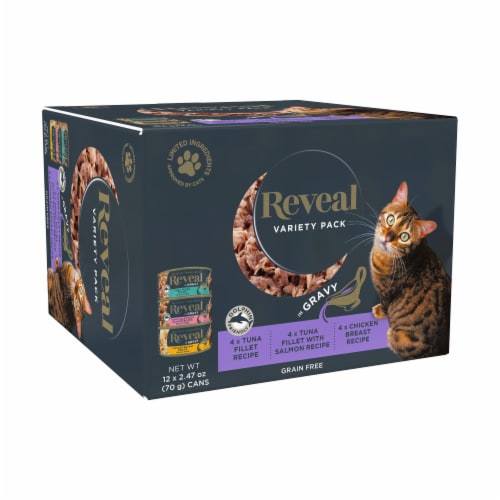
Credit: www.harristeeter.com
Top Protein Alternatives To Chicken
Finding the right protein alternative to chicken in your cat’s diet can feel challenging. Cats need high-quality protein to stay healthy and energetic. Luckily, there are several tasty and nutritious options that can keep your feline friend happy without relying on chicken.
Fish-based Options
Fish like salmon, tuna, and whitefish are excellent protein sources for cats. These options are rich in omega-3 fatty acids, which support a shiny coat and healthy skin.
If your cat enjoys the taste of fish, you might notice increased enthusiasm at mealtime. However, be cautious about mercury levels and choose fish formulated specifically for cats.
- Salmon: High in protein and healthy fats
- Tuna: Loved by many cats but best in moderation
- Whitefish: Gentle on the stomach and easy to digest
Beef And Lamb Choices
Beef and lamb provide a rich, savory alternative that some cats prefer over poultry. These meats deliver essential amino acids and minerals like zinc and iron.
Switching to beef or lamb can be a good choice if your cat shows signs of chicken intolerance or allergies. Try offering small portions first to see how your cat responds.
- Grass-fed beef: More natural and nutrient-dense
- Lamb: A novel option that tends to be gentler on sensitive stomachs
Novel Proteins Like Duck And Rabbit
Novel proteins such as duck and rabbit are gaining popularity in cat food without chicken. These options reduce the risk of allergic reactions due to their uncommon use in traditional cat diets.
I once switched my cat to a rabbit-based diet, and the difference was clear: less itching and more energy. If your cat has food sensitivities, novel proteins might be the solution you need.
- Duck: Rich in iron and a flavorful choice
- Rabbit: Lean, easy to digest, and hypoallergenic
Benefits Of Grain-free Cat Food
Grain-free cat food offers many benefits, especially for cats with sensitive stomachs. Cats naturally thrive on diets low in carbohydrates and free from grains. Grain-free formulas often focus on higher protein and fat content, supporting a cat’s energy needs and overall health.
Choosing grain-free food can help avoid common digestive and allergy issues linked to grains. It also tends to be easier for cats to digest. This type of diet often improves nutrient absorption, leading to better vitality and coat condition.
Improved Digestion
Grain-free cat food often contains fewer fillers and carbohydrates. Cats digest proteins and fats more easily than grains. This can reduce stomach upset, gas, and diarrhea.
With less fiber from grains, digestion becomes smoother. Nutrients absorb better, supporting healthy gut function. Many cats show improved stool quality and more regular bowel movements.
Reduced Allergic Reactions
Grains like corn, wheat, and soy are common allergens for cats. Grain-free diets remove these triggers, lowering allergy risks. Cats with itchy skin, redness, or ear infections may benefit greatly.
Allergy symptoms often decrease over weeks of feeding grain-free food. This can lead to less scratching and discomfort. Grain-free options provide a safer choice for sensitive cats.

Credit: www.amazon.com
Homemade Cat Food Without Chicken
Making homemade cat food without chicken can be a great way to cater to your cat’s dietary needs, especially if they have allergies or sensitivities. It also allows you to control exactly what goes into their meals, ensuring freshness and quality. If you’re ready to try it out, understanding the right ingredients and techniques is key to keeping your feline friend healthy and happy.
Key Ingredients To Include
Choosing the right ingredients is crucial. Cats need a high-protein diet, so consider alternatives like turkey, rabbit, or fish such as salmon and sardines. These provide essential amino acids your cat needs for energy and muscle health.
Don’t forget organ meats like liver and kidney—they’re rich in vitamins and minerals. Adding a small amount of cooked eggs or cottage cheese can boost protein and provide additional nutrients. Also, a bit of cooked pumpkin or carrot adds fiber, which helps with digestion.
Balancing Nutritional Needs
Just feeding protein isn’t enough. Your cat also needs taurine, an essential amino acid found mostly in animal tissues. If you’re leaving out chicken, make sure the other meats you use are rich in taurine or consider supplements.
Fats are another important part of your cat’s diet. Include healthy sources like fish oil or flaxseed oil to support their skin and coat. Calcium is equally important—crushed eggshells or powdered bone meal can help maintain strong bones.
Have you checked if your homemade recipe covers all the vitamins and minerals your cat requires? Consulting a vet or using a nutrient calculator can prevent gaps in their diet.
Safe Cooking Practices
Always cook meats thoroughly to eliminate harmful bacteria. Avoid seasoning or adding salt, garlic, or onions, as these can be toxic to cats. Keep your cooking area and utensils clean to prevent cross-contamination.
When storing homemade food, use airtight containers and refrigerate portions promptly. Freeze any extras and thaw only what you need to maintain freshness. Keeping your cat’s meals safe is just as important as making them nutritious.
Popular Commercial Brands Without Chicken
Finding commercial cat food without chicken can feel like a challenge, but many top brands offer quality options that cater to cats with allergies or dietary preferences. These products often use alternative protein sources to ensure your feline friend gets the nutrition they need without compromising on taste or health. Let’s look at some popular brands that provide chicken-free choices to help you make the right pick for your cat.
High-quality Dry Food
Brands like Orijen and Blue Buffalo offer dry foods made with fish, turkey, or beef instead of chicken. Orijen’s “Six Fish” formula is a standout for cats that thrive on seafood-based diets. Blue Buffalo’s Wilderness line also includes a turkey recipe, perfect if you want to avoid common allergens.
These dry foods often include whole ingredients and avoid fillers, which means better digestion and more energy for your cat. Have you noticed how some cats refuse dry food with chicken? Trying a chicken-free dry option might change their mealtime attitude entirely.
Wet Food Options
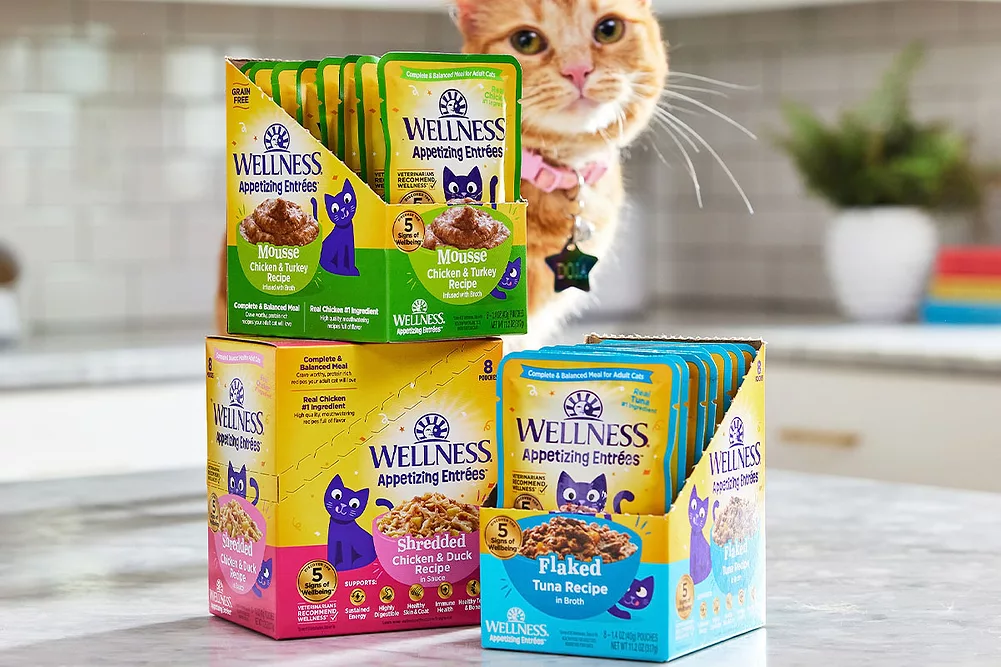
Wet food brands like Wellness and Natural Balance provide tasty alternatives without chicken. Wellness CORE’s fish or duck varieties are packed with moisture and protein, ideal for cats needing hydration plus nutrition. Natural Balance has limited ingredient wet foods that often use venison or salmon to keep things simple and safe.
Wet food can be especially helpful if your cat has sensitivities or prefers a softer texture. How often do you switch up wet food flavors to keep your cat interested? Offering a chicken-free wet food can be a game changer.
Specialty And Limited Ingredient Diets
For cats with specific allergies or health issues, brands like Blue Buffalo Basics and Merrick offer limited ingredient diets free from chicken. These formulas focus on one or two protein sources, like lamb or rabbit, to reduce the risk of allergic reactions.
These diets are not only gentle on the stomach but also rich in essential nutrients. Have you ever tried a limited ingredient diet to pinpoint your cat’s food sensitivities? These options can provide clarity and relief for your furry companion.
Tips For Transitioning Your Cat’s Diet
Switching your cat to a diet without chicken requires care and attention to ensure they adjust comfortably. Sudden changes can upset their stomach or cause them to reject the new food. Taking the right steps helps keep your cat happy and healthy during the transition.
Gradual Food Introduction
Start by mixing a small amount of the new chicken-free food with your cat’s current meals. Slowly increase the new food’s portion over 7 to 10 days while decreasing the old food. This slow change helps your cat get used to the new taste and texture without digestive issues.
Watch how your cat reacts to the new food. If they seem reluctant, try warming it slightly or adding a bit of water to enhance the aroma. Have you noticed that cats often prefer food with stronger smells? Use this to your advantage.
Monitoring Health And Behavior
Pay close attention to your cat’s energy levels, appetite, and litter box habits during the switch. Digestive upset, such as diarrhea or vomiting, signals that the transition might be too fast or the food isn’t agreeing with them. Keep a daily log of any changes to track progress accurately.
Also, observe your cat’s mood and activity. A drop in playfulness or unusual hiding could mean discomfort or stress. Remember, your cat can’t tell you what they feel, so your observations matter a lot.
Consulting Your Veterinarian
Before changing your cat’s diet, talk with your vet about the best chicken-free options. They can suggest formulas that meet your cat’s nutritional needs and advise on any allergies or sensitivities. Have you ever been surprised by a vet’s recommendation that perfectly suited your pet?
If any health issues arise during the transition, don’t hesitate to seek veterinary advice immediately. Your vet can help adjust the diet plan or recommend supplements to keep your cat thriving. Their expertise is invaluable for a smooth and safe change.
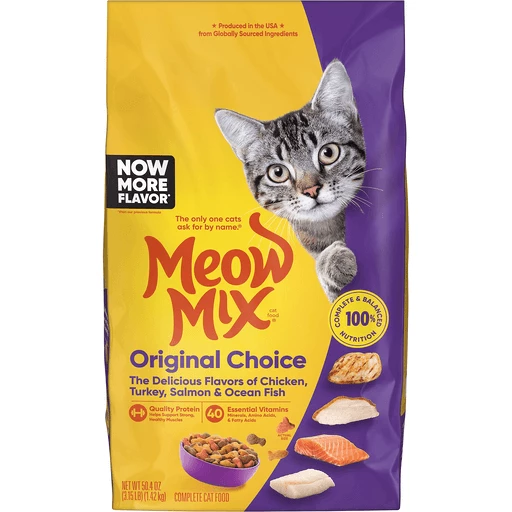
Credit: shop.commissaries.com
Frequently Asked Questions
What Are Common Ingredients In Cat Food Without Chicken?
Cat food without chicken often uses fish, turkey, beef, or lamb as protein sources. These alternatives provide essential nutrients and cater to cats with chicken allergies or sensitivities, ensuring a balanced diet without compromising health.
Why Choose Cat Food Without Chicken For My Cat?
Choosing cat food without chicken helps avoid allergic reactions and digestive issues in sensitive cats. It also offers variety and can improve your cat’s overall nutrition by including diverse protein sources.
Is Cat Food Without Chicken Nutritionally Complete?
Yes, many cat foods without chicken are nutritionally complete. They meet AAFCO standards, providing essential vitamins, minerals, and amino acids necessary for your cat’s health and wellbeing.
Can Cats Thrive On A Chicken-free Diet?
Cats can thrive on a chicken-free diet if it includes adequate protein and nutrients. Alternative meats and fish can fully support their dietary needs without chicken.
Conclusion
Choosing cat food without chicken can suit many cats well. Some cats have allergies or dislike chicken taste. There are many options with fish, beef, or turkey. Always check ingredients to ensure quality and nutrition. Your cat’s health and happiness come first.
Feeding the right food supports their energy and coat. Try different brands to find what your cat prefers. A careful choice helps your pet stay strong and active. Keep an eye on how your cat reacts to new food. Simple changes can make a big difference in their life.
