

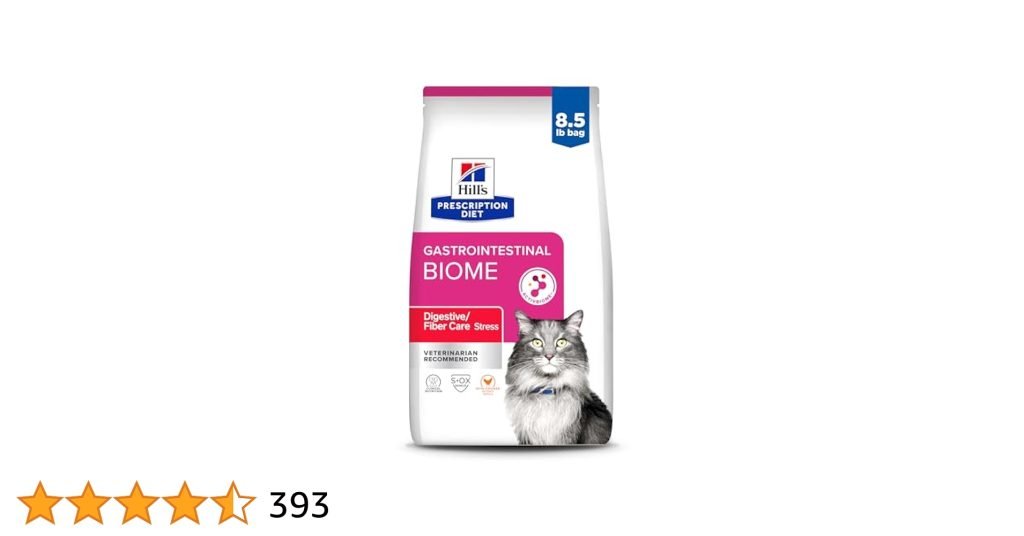
Are you worried about your cat’s digestion or weight? Choosing the right cat food with fiber could be the simple change your furry friend needs.
Fiber helps keep your cat’s digestive system healthy and can even control hunger between meals. If you want to give your cat more energy and comfort, understanding how fiber works in their diet is key. Keep reading to discover why fiber matters and how to pick the best cat food for your pet’s well-being.

Credit: catit.ca
Benefits Of Fiber In Cat Food
Fiber is an important part of cat food. It helps keep cats healthy in many ways. Adding fiber to their diet supports digestion, controls weight, and reduces hairballs. Cats need fiber to feel good and stay active.
Improved Digestive Health
Fiber helps move food through the cat’s digestive system. It prevents constipation and keeps stools regular. A healthy gut means fewer stomach problems for cats. Fiber also feeds good bacteria in the intestines. This helps cats absorb nutrients better.
Weight Management
Fiber makes cats feel full without extra calories. This helps control their appetite and avoid overeating. Cats with the right fiber intake maintain a healthy weight. Weight control lowers the risk of many diseases. Fiber supports a balanced diet for active cats.
Reduction In Hairballs
Cats groom themselves often and swallow hair. Fiber helps hair pass through the digestive system easily. This reduces the chances of hairballs forming in the stomach. Less hairball trouble means cats feel more comfortable. Fiber keeps the digestive tract clear and smooth.

Credit: www.amazon.ca
Types Of Fiber For Cats
Fiber plays a vital role in a cat’s diet. It helps support digestion and keeps the gut healthy. Different types of fiber serve different functions. Understanding these types helps in choosing the right cat food with fiber content.
Soluble Fiber
Soluble fiber dissolves in water and forms a gel-like substance. It slows digestion and helps regulate blood sugar. This fiber feeds good bacteria in the gut. It can improve stool quality and ease constipation.
Insoluble Fiber
Insoluble fiber does not dissolve in water. It adds bulk to the stool and speeds up waste movement. This fiber helps prevent constipation and keeps the digestive system clean. It supports regular bowel movements.
Natural Sources Of Fiber
- Pumpkin: Rich in both soluble and insoluble fiber.
- Beet pulp: A common fiber source in many cat foods.
- Peas: Provide fiber and other nutrients.
- Carrots: Contain fiber and help with digestion.
- Oats: Offer soluble fiber to slow digestion.
These natural ingredients improve digestion and stool health. Including them in cat food ensures balanced fiber intake.
Choosing The Right Fiber-rich Cat Food
Choosing the right fiber-rich cat food is crucial for your feline’s digestive health and overall well-being. Not all fiber sources are the same, and the quality of ingredients matters more than you might think. Paying close attention to what’s in the food can make a big difference in how your cat feels and thrives.
Reading Labels And Ingredients
Look beyond marketing claims like “high fiber” or “natural.” Check the ingredient list carefully to see what type of fiber is included. Ingredients such as beet pulp, pumpkin, and psyllium husk are excellent sources of fiber that support digestion.
Beware of foods that use fillers like corn or wheat bran, which offer little nutritional benefit and might cause allergies. Also, notice the order of ingredients — the first few listed are the most abundant. If fiber sources are near the top, that’s a good sign.
Consulting With A Veterinarian
Your vet knows your cat’s health history and can recommend the best fiber options tailored to your cat’s needs. Sometimes, fiber-rich diets aren’t suitable for cats with certain conditions, so professional advice is key.
Ask about the right amount of fiber and whether supplements might be needed alongside diet changes. Remember, your vet can help you avoid trial and error that could upset your cat’s stomach.
Transitioning To Fiber-rich Diets
Switching your cat’s food abruptly can cause digestive upset. Gradually mix the new fiber-rich food with their current diet over 7 to 10 days. This slow change helps your cat’s system adjust without discomfort.
Watch for any signs of intolerance, such as diarrhea or constipation, and adjust the pace accordingly. Have you noticed how your cat reacts to new foods before? Use that experience to guide this transition carefully.
Potential Side Effects Of High-fiber Diets
High-fiber diets in cat food can support digestive health and weight management. Yet, too much fiber may cause some problems. Understanding these side effects helps pet owners provide balanced nutrition.
Digestive Upset
Excess fiber can lead to digestive discomfort in cats. Symptoms include gas, bloating, and diarrhea. Some cats may also experience constipation if fiber intake is too high. Gradual changes in diet help reduce these issues.
Nutrient Absorption Issues
High fiber can interfere with nutrient absorption. Fiber may bind to essential minerals like calcium, zinc, and iron. This reduces how much the cat’s body absorbs. Long-term fiber overload can lead to nutrient deficiencies.
Monitoring Fiber Intake
Keep track of your cat’s fiber consumption carefully. Check the ingredient list and fiber percentage on the packaging. Observe your cat’s stool quality and behavior daily. Consult a vet to adjust fiber levels safely.
Homemade Fiber-rich Recipes For Cats
Adding fiber to your cat’s diet at home can improve their digestion and keep their weight in check. Creating homemade fiber-rich recipes lets you control exactly what your cat eats, ensuring their meals are both tasty and healthy. But how can you do this simply and safely without stressing over complicated ingredients or missing essential nutrients?
Simple Fiber Additions
You can easily add fiber to your cat’s meals with a few common ingredients. Small amounts of canned pumpkin, cooked sweet potato, or green beans work well and are usually enjoyed by cats. Just mix a teaspoon or so into their regular food and watch for positive changes in their digestion.
Have you ever noticed your cat scratching or having trouble with hairballs? Adding fiber might be a quick fix to ease these issues. Keep the portions small and increase gradually to avoid upsetting their stomach.
Balancing Homemade Diets
Fiber is important, but it’s only one part of a balanced diet. Cats need protein, fat, vitamins, and minerals alongside fiber to stay healthy. When you prepare homemade meals, make sure you include quality meat like chicken, turkey, or fish as the main ingredient.
Consider mixing in supplements or commercial cat vitamins to cover any gaps. You might want to consult your vet to tailor the right balance for your cat’s age and health. Have you checked if your cat’s current diet already contains enough fiber or if they truly need more?
Safety And Nutritional Considerations
Not all fiber sources are safe for cats. Avoid ingredients like onions, garlic, or anything toxic to felines. Also, some fibers can cause gas or diarrhea if given in large amounts.
Observe your cat’s reaction whenever you introduce new foods. If you see signs of discomfort, reduce the fiber or try a different source. Remember, homemade fiber-rich recipes should complement, not replace, professional veterinary advice and commercial cat food standards.
Signs Your Cat Needs More Fiber
Noticing changes in your cat’s digestion or behavior can be a subtle hint that their diet might be missing something important—like fiber. Fiber plays a key role in keeping your cat’s digestive system running smoothly. If you see signs of discomfort or unusual habits, it might be time to think about adding more fiber to their meals.
Constipation
Is your cat straining in the litter box or going fewer days without a bowel movement? Constipation is a clear sign that your cat’s digestive system needs help. Fiber adds bulk to the stool, making it easier to pass and preventing those painful, hard stools.
Think about the last time your cat seemed uncomfortable after bathroom trips. Adding fiber can relieve this discomfort and keep them regular.
Frequent Hairballs
Do you find hairballs around the house more often than usual? Cats groom themselves constantly, and fiber helps push swallowed hair through their system instead of letting it form troublesome clumps.
Increasing fiber in your cat’s diet can reduce the frequency and size of hairballs, saving you from those sudden coughs and messy cleanups.
Obesity And Weight Concerns
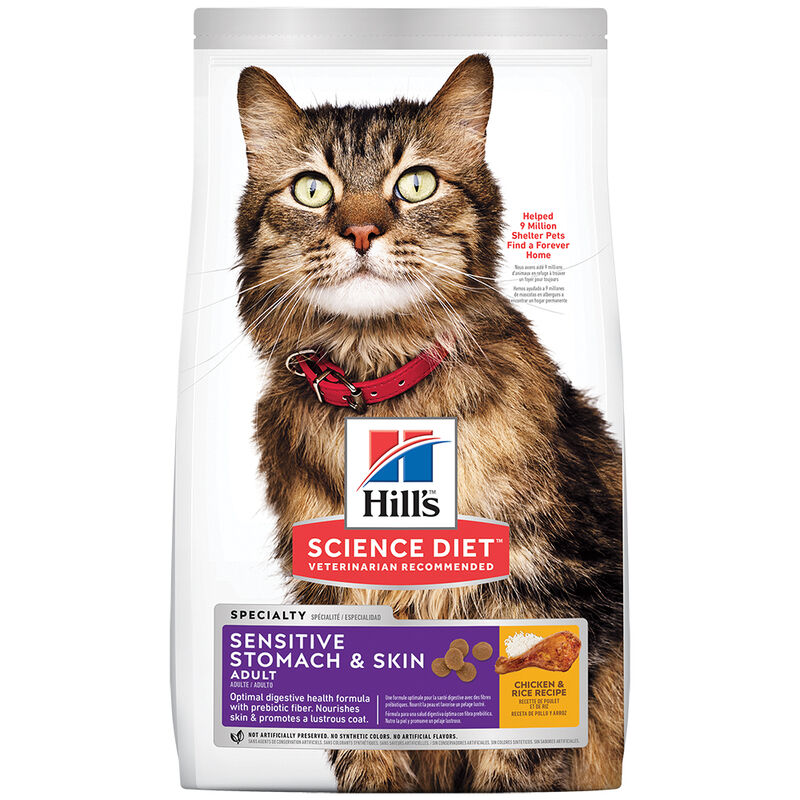
If your cat is gaining weight or seems hungry all the time, fiber might be the missing piece. Fiber helps your cat feel full longer without adding extra calories.
Have you noticed your cat begging for food right after a meal? A fiber-rich diet can support weight management by controlling appetite and improving digestion.
Credit: www.renspets.com
Frequently Asked Questions
What Are The Benefits Of Fiber In Cat Food?
Fiber improves digestion and helps regulate bowel movements. It supports healthy weight management and reduces hairball issues in cats. Fiber also promotes gut health and can prevent constipation, making it essential for overall feline wellness.
How Much Fiber Should Cat Food Contain?
Ideal cat food contains 2-5% fiber. This amount supports healthy digestion without causing gastrointestinal upset. Always check the product label and consult your vet for fiber needs tailored to your cat’s health and lifestyle.
Can Fiber Help With Cat Hairballs?
Yes, fiber helps reduce hairballs by promoting regular bowel movements. It aids in moving ingested hair through the digestive tract, preventing blockages. High-fiber cat food or supplements can be effective in managing hairball problems.
Are There Any Risks Of Too Much Fiber In Cat Food?
Excessive fiber can cause diarrhea or reduce nutrient absorption in cats. It may lead to gas and bloating. Always introduce fiber gradually and consult your veterinarian to maintain a balanced diet for your cat.
Conclusion
Choosing cat food with fiber helps support your cat’s digestion. Fiber keeps their bowel movements regular and healthy. It can also reduce hairballs and improve overall gut health. Always check the ingredient list for natural fiber sources. Consult your vet before changing your cat’s diet.
A balanced diet with fiber makes your cat feel better. Happy, healthy cats need good nutrition every day. Simple changes can make a big difference in their well-being. Give your cat the care they deserve with the right food.
