

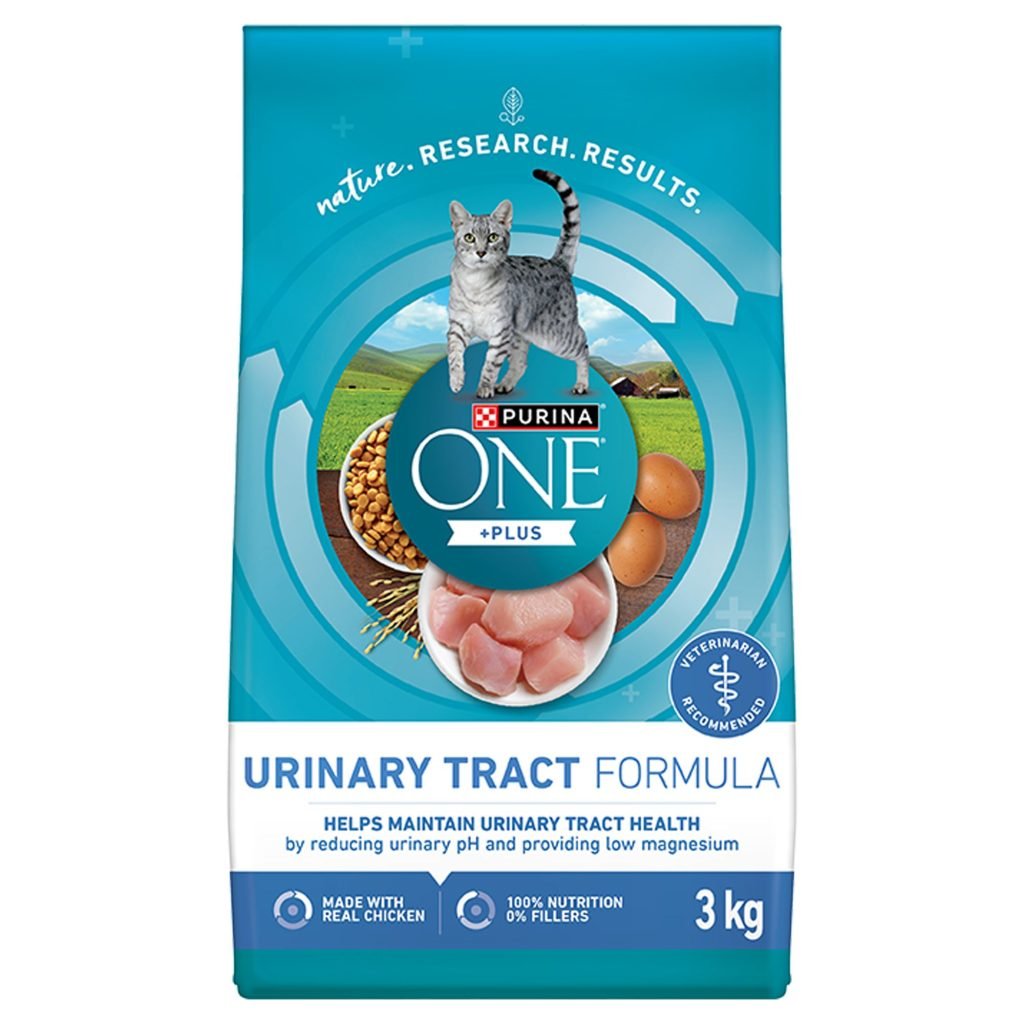
If you care about your cat’s well-being, you know how important their diet is. But did you realize that the right cat food can protect your furry friend’s urinary health?
Urinary problems are common and painful for cats, and choosing the right food can make a huge difference. Imagine giving your cat meals that not only taste great but also help prevent infections and bladder issues. Keep reading to discover how the right cat food supports your cat’s urinary health and keeps them happy and comfortable every day.
Credit: www.newfoundlandgrocerystores.ca
Causes Of Urinary Issues In Cats
Urinary issues in cats can cause pain and discomfort. Understanding their causes helps protect your cat’s health. These problems arise from various factors affecting the urinary tract and bladder.
Common Urinary Conditions
Cats often suffer from urinary tract infections (UTIs) and bladder stones. These conditions block urine flow and cause pain. Feline lower urinary tract disease (FLUTD) is a group of disorders affecting the bladder and urethra. Symptoms include difficulty urinating, blood in urine, and frequent trips to the litter box.
Diet And Hydration Factors
Poor diet can lead to urinary problems. Dry food often lacks enough moisture, causing concentrated urine. This condition promotes crystal and stone formation in the bladder. Feeding a balanced diet with plenty of water supports urinary health. Wet food or adding water to dry food improves hydration. Proper nutrition helps maintain healthy urine pH and reduces risks.
Stress And Environmental Triggers
Stress plays a major role in urinary issues. Changes in environment, new pets, or loud noises can upset cats. Stress increases the chance of urinary tract inflammation and blockages. Providing a calm and safe space reduces stress. Regular routines and quiet areas help keep your cat relaxed and healthy.
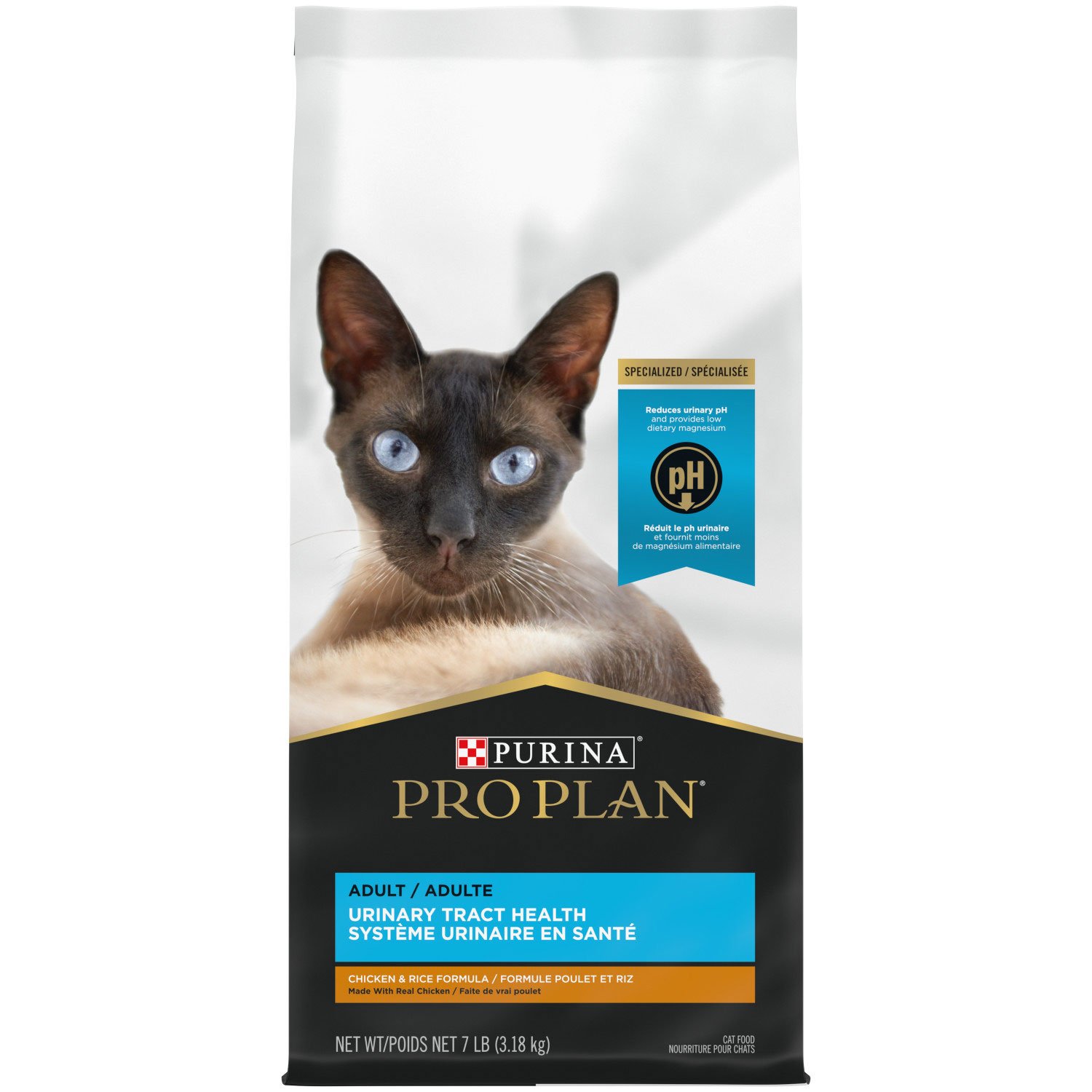
Credit: www.mondou.com
Choosing The Right Cat Food
Choosing the right cat food is essential for maintaining your cat’s urinary health. The food you pick can either support or harm your cat’s urinary tract, so it’s important to know what to look for. Understanding the ingredients and food types helps you make a smart choice that keeps your cat comfortable and healthy.
Ingredients To Look For
Look for foods rich in high-quality animal proteins like chicken, turkey, or fish. These proteins help maintain muscle mass and support overall health. Ingredients that promote urinary health often include controlled levels of magnesium and phosphorus, which can reduce the risk of urinary crystals.
Ingredients such as cranberries and omega-3 fatty acids are also beneficial. Cranberries help prevent bacteria from sticking to the bladder walls, while omega-3s reduce inflammation. Have you checked your cat food label lately to see if these are included?
Avoiding Harmful Additives
Many cat foods contain artificial colors, flavors, and preservatives that can irritate your cat’s urinary tract. Avoid foods with ingredients like BHA, BHT, and ethoxyquin, which may harm your cat’s health over time. These additives can also trigger allergies or digestive issues that worsen urinary problems.
Be cautious about excessive salt and fillers like corn or wheat. These can increase water retention and put extra strain on your cat’s kidneys and bladder. Choosing a cleaner ingredient list helps minimize risks and supports better urinary health.
Wet Vs. Dry Food Benefits
Wet food has a higher moisture content, which helps increase your cat’s water intake. This extra hydration is crucial for flushing out the urinary system and preventing crystal buildup. Many cat owners notice fewer urinary issues after switching to wet food.
Dry food is convenient and can help keep teeth clean, but it lacks moisture. If you prefer dry food, make sure your cat drinks plenty of water throughout the day. You might also try mixing wet and dry food to balance hydration and dental health.
Nutritional Needs For Urinary Health
Maintaining your cat’s urinary health through proper nutrition is more important than many realize. The right diet can help prevent painful urinary issues and support overall wellbeing. You might be surprised how small changes in your cat’s food can make a big difference in keeping their urinary tract healthy and comfortable.
Balancing Minerals And Ph Levels
Your cat’s food should have the right balance of minerals like magnesium, calcium, and phosphorus. Too much of these can lead to crystal formation in the urinary tract, causing blockages or infections.
Keeping the urine slightly acidic helps prevent crystals from forming. Many cat foods designed for urinary health focus on maintaining this ideal pH, usually between 6.0 and 6.5. Are you checking your cat’s food labels for mineral content and pH support?
Importance Of Water Content
Water helps flush out toxins and keeps the urinary tract clear. Cats often don’t drink enough water, so choosing food with high moisture content is key.
Wet or canned cat food can be much better for urinary health compared to dry kibble. Have you noticed your cat drinking less water? Adding wet food might be the simple fix they need.
Supplements That Support Urinary Tract
Some supplements can boost your cat’s urinary health by reducing inflammation and preventing infections. Ingredients like cranberry extract, omega-3 fatty acids, and glucosamine have shown benefits.
Always talk to your vet before adding supplements, but these can provide extra protection alongside a balanced diet. Could your cat benefit from a urinary health supplement?
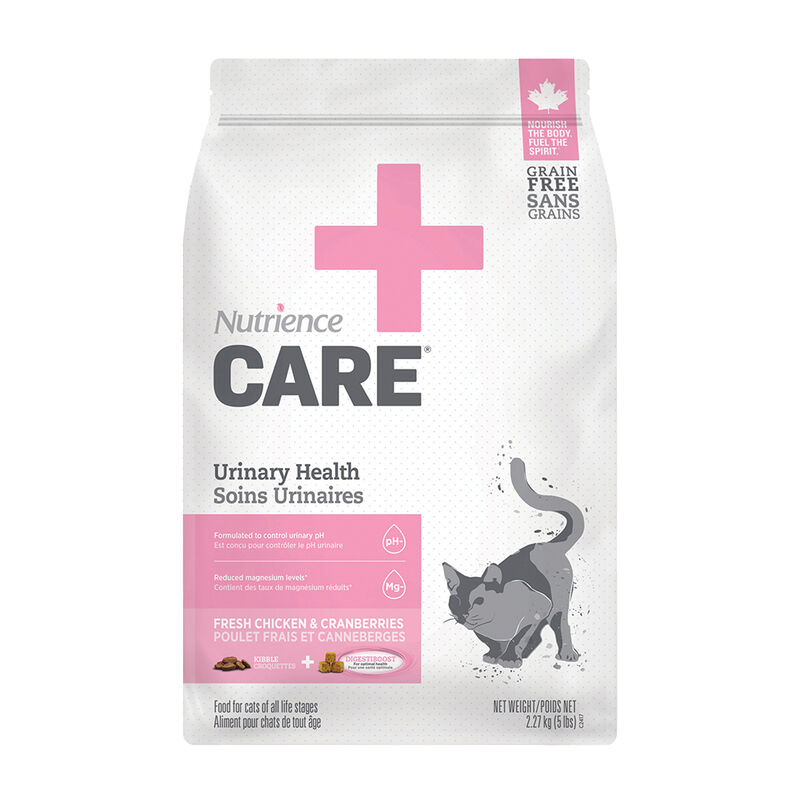
Credit: www.renspets.com
Feeding Tips To Promote Urinary Health
Supporting your cat’s urinary health starts with smart feeding habits. The right approach to meal times and hydration can make a big difference in preventing urinary problems. Let’s look at some practical feeding tips that help keep your feline friend’s urinary system healthy and happy.
Meal Frequency And Portion Control
Feeding your cat smaller, more frequent meals helps maintain steady hydration and reduces the risk of urinary issues. Instead of one or two large meals, try dividing their daily food into three or four portions. This keeps their bladder from becoming overly full, which can cause discomfort or encourage urinary tract problems.
Portion control is just as important. Overfeeding can lead to obesity, which stresses the urinary tract. Use a measuring cup to ensure your cat gets the right amount of food based on their weight and activity level. Are you paying attention to how much and how often your cat eats?
Encouraging Water Intake
Water is crucial for flushing toxins and maintaining urinary health. Cats often don’t drink enough because they evolved as desert animals. You can encourage hydration by adding wet food to their diet or mixing a little water into dry kibble.
- Place multiple water bowls around your home to make drinking easy.
- Try a cat water fountain, which many cats find more appealing than a stagnant bowl.
- Offer ice cubes or broth (without onions or garlic) as a tasty alternative.
Have you noticed if your cat prefers running water or still water? Observing this can help you find the best way to keep them hydrated.
Recognizing Changes In Eating Habits
Changes in your cat’s appetite can signal urinary problems early. If your cat suddenly eats less, avoids food, or shows discomfort when eating, take note. These could be signs of pain or urinary blockage.
Keep a food diary for your cat to track any shifts in eating patterns. Quick action can prevent minor issues from becoming serious health risks. What subtle changes have you noticed in your cat’s eating habits lately?
Monitoring And Preventing Urinary Problems
Monitoring and preventing urinary problems in cats is vital for their health and happiness. Urinary issues can cause pain and serious illness. Early detection and proper care help avoid complications.
Regular observation of your cat’s behavior and health supports early identification of problems. Small changes can signal distress. Taking proactive steps improves your cat’s well-being.
Signs Of Urinary Distress
- Frequent trips to the litter box
- Straining or crying while urinating
- Blood in the urine
- Urinating outside the litter box
- Licking the genital area excessively
- Decreased appetite or lethargy
Noticing these signs quickly allows for prompt action. Ignoring symptoms can worsen the condition.
Regular Veterinary Checkups
Routine vet visits are essential for urinary health. Vets can detect early signs of urinary tract infections or stones.
Tests may include urine analysis and blood work. Regular exams help track your cat’s health over time. Early treatment prevents severe problems.
Lifestyle Adjustments For Prevention
- Provide fresh water at all times
- Feed a balanced diet suited for urinary health
- Keep the litter box clean and accessible
- Encourage regular exercise and play
- Reduce stress by maintaining a calm environment
These simple changes support your cat’s urinary system. Prevention is easier than treating serious issues.
Special Considerations For At-risk Cats
Some cats need extra care when it comes to their urinary health. These at-risk cats can face more challenges and require special diets or routines to keep their urinary system working well. Understanding these needs helps you make better choices for your furry friend’s food and lifestyle.
Senior Cats
Older cats often have weaker immune systems and can develop urinary problems more easily. Their kidneys may not filter as well, increasing the risk of urinary tract infections or stones.
You can help by choosing cat foods that support kidney health and keep urine diluted. Wet food is usually a good choice because it adds moisture, helping to prevent concentrated urine that can lead to blockages.
Cats With Previous Urinary Issues
If your cat has had urinary problems before, it’s crucial to monitor their diet closely. Special formulas designed to maintain a healthy pH balance and reduce crystal formation can make a big difference.
Consistency is key—avoid sudden changes in food that might upset their urinary system. Have you noticed any signs like frequent urination or discomfort? Early attention can prevent painful flare-ups.
Breed-specific Risks
Certain cat breeds, such as Persians and Himalayans, are more prone to urinary issues. These breeds may have genetic factors that make urinary crystals or stones more likely.
Feeding a diet low in magnesium and controlled in minerals can help these breeds stay healthy. Do you know your cat’s breed risks? Tailoring their food to their needs is a smart way to protect their health.
Frequently Asked Questions
What Ingredients Support Cat Urinary Health?
Ingredients like cranberries, omega-3 fatty acids, and antioxidants support urinary health. Moisture-rich foods also help dilute urine and prevent crystals.
How Does Diet Affect Cat Urinary Tract Health?
A balanced diet controls urine pH and reduces crystal formation. Proper hydration from wet food is essential for urinary tract health.
Can Dry Cat Food Cause Urinary Problems?
Dry food alone may increase urinary issues due to low moisture. Combining wet and dry food improves hydration and urinary health.
What Signs Indicate Urinary Health Problems In Cats?
Signs include frequent urination, straining, blood in urine, or urinating outside the litter box. Early detection prevents serious urinary diseases.
Conclusion
Choosing the right cat food supports your pet’s urinary health well. Healthy urine helps prevent infections and stones. Cats need proper hydration and balanced nutrients daily. Feeding them specially made food can reduce health risks. Always watch for changes in their bathroom habits.
Early care can save your cat discomfort later. Keep your furry friend happy and healthy with good food. Simple steps make a big difference in your cat’s life. Urinary health matters for their long, joyful years.
