

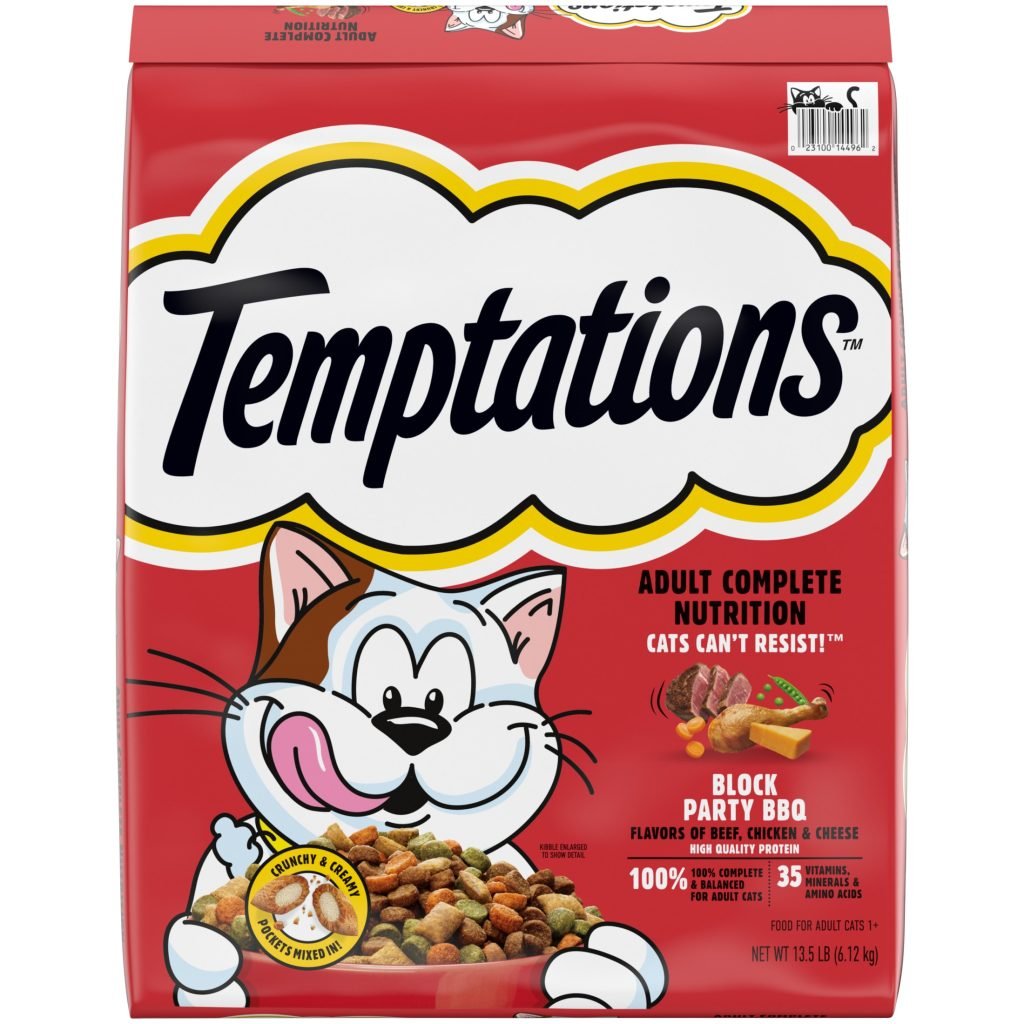
Have you ever noticed how your cat’s eyes light up at the sight of certain treats? Those irresistible cat food temptations aren’t just a coincidence—they’re carefully crafted to grab your furry friend’s attention and make mealtime exciting.
But how do you know which foods are truly good for your cat, and which are just clever tricks? You’ll discover the secrets behind those tempting flavors and learn how to choose the best options that keep your cat happy and healthy.
Keep reading—you and your feline companion will thank me!
Top Cat Food Types
Choosing the right food is key to a cat’s health and happiness. Cats have unique dietary needs. Their food must support energy, coat health, and digestion. Different types of cat food offer varied benefits. Each type suits different cats and lifestyles.
Dry Kibble Options
Dry kibble is a popular choice for many cat owners. It is convenient and easy to store. Kibble helps keep teeth clean by reducing plaque. It comes in many flavors and formulas. Some kibble includes added vitamins and minerals. It’s a budget-friendly option that can last long.
Wet Food Varieties
Wet food has higher moisture content than dry kibble. This helps keep cats hydrated. It often contains more protein and fewer carbs. Wet food is usually more palatable for picky eaters. It comes in cans, pouches, or trays. Many cats enjoy the texture and aroma of wet food.
Raw Diet Benefits
Raw diets mimic what cats eat in the wild. They include raw meat, organs, and bones. This diet can improve coat shine and muscle tone. Some cats show better digestion on raw food. It is free from fillers and artificial additives. Care must be taken to ensure safety and balance.

Credit: www.amazon.com
Flavor Profiles Cats Love
Cats have distinct tastes shaped by their natural instincts. They favor certain flavors that match their carnivorous nature. Understanding these flavor profiles helps pet owners choose foods cats enjoy. Tasty food encourages healthy eating habits and keeps cats happy.
Seafood Favorites
Many cats love the rich taste of seafood. Fish flavors like salmon, tuna, and sardines are popular. Seafood offers a strong aroma and texture that cats find appealing. These flavors often stimulate a cat’s appetite quickly.
- Salmon: Mild and oily, rich in omega-3 fats.
- Tuna: Strong smell and flavor, very enticing.
- Sardines: Small fish with a distinct taste and crunch.
Poultry Picks
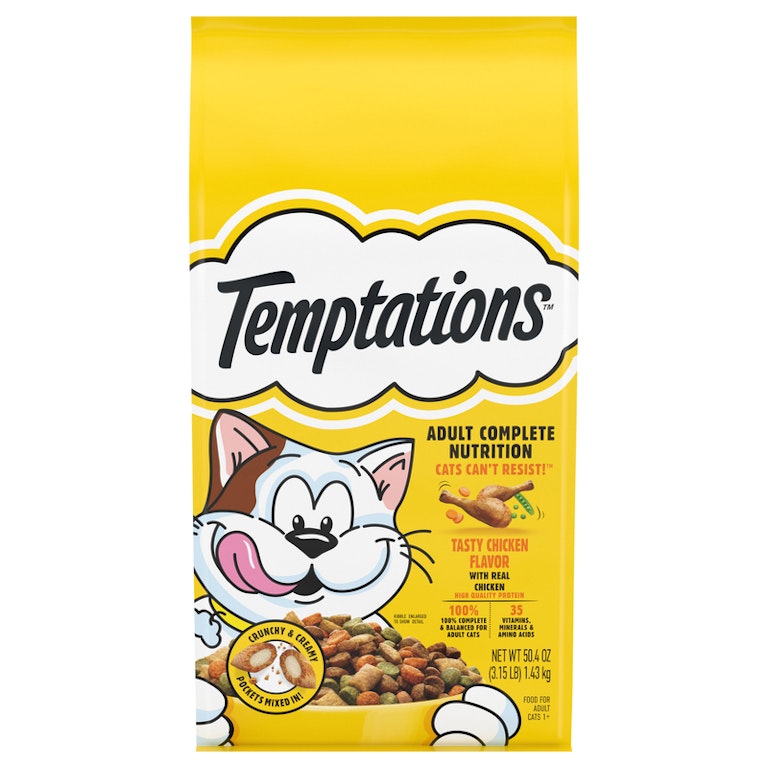
Poultry provides familiar and gentle flavors for cats. Chicken and turkey are common choices. These meats are lean and easy to digest. Their mild taste suits cats that prefer subtle flavors over strong ones.
- Chicken: Light, tender, and widely accepted by cats.
- Turkey: Slightly richer and more flavorful than chicken.
Novel Protein Choices
Some cats enjoy unique protein sources beyond common meats. These novel proteins reduce allergy risks and offer variety. Examples include rabbit, venison, and duck. These choices keep meals exciting and balanced.
- Rabbit: Lean and tender, with a mild, sweet flavor.
- Venison: Rich, gamey taste for adventurous eaters.
- Duck: Fatty and flavorful, appealing to picky cats.
Nutritional Must-haves
Choosing the right cat food is about more than taste. Nutrition plays a key role in your cat’s health. Cats need specific nutrients to stay active and happy. Knowing what to look for helps you avoid poor choices. Focus on the essential nutrients that support their body.
Essential Vitamins And Minerals
Vitamins and minerals support many body functions. They help with vision, skin health, and immune defense. Important vitamins for cats include:
- Vitamin A for eye health and skin
- Vitamin D for bone strength
- Vitamin E as an antioxidant
Minerals like calcium and phosphorus build strong bones and teeth. Zinc supports healing and growth. A balanced mix of these nutrients keeps cats healthy and energetic.
Protein Quality
Protein is the foundation of a cat’s diet. Cats are obligate carnivores and need animal protein. Good quality protein comes from meats like chicken, fish, or beef. It provides essential amino acids that cats cannot make themselves.
Look for cat food that lists real meat as the first ingredient. Avoid foods with too many fillers or plant proteins. High-quality protein supports muscle maintenance and overall vitality.
Avoiding Harmful Ingredients
Some ingredients can harm your cat’s health over time. Artificial colors and flavors offer no nutritional value. Fillers like corn, wheat, and soy can cause allergies or digestive issues.
Beware of by-products and unnamed meat sources. These may contain low-quality protein. Avoid foods with excessive preservatives and chemicals. Choosing clean, natural ingredients protects your cat’s wellbeing.
Credit: www.walmart.com
Treats And Snacks
Offering treats and snacks to your cat can be a wonderful way to show affection and strengthen your bond. However, not all treats are created equal. Choosing the right snacks ensures your furry friend stays happy without compromising their health.
Healthy Treat Ideas
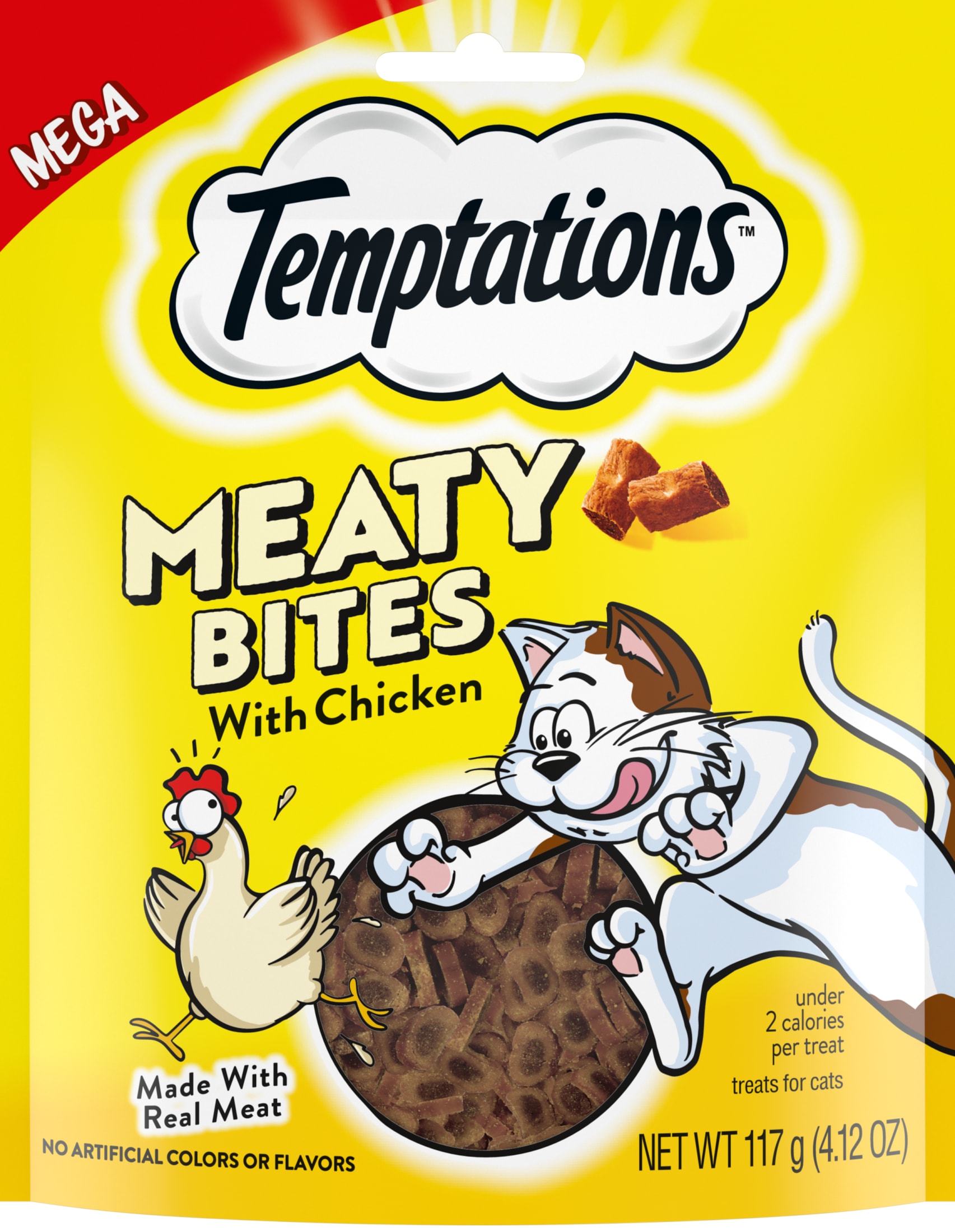
Look for treats that are low in calories and rich in protein. Freeze-dried chicken or turkey bites are excellent choices that cats love. These options mimic natural prey and help maintain a balanced diet.
Vegetables like small pieces of cooked carrot or pumpkin can also be occasional snacks. They provide fiber and nutrients without added sugars or fillers. Always introduce new treats slowly to watch for any reactions.
Have you noticed how your cat responds to different textures? Crunchy treats can help with dental health, while soft snacks are easier for older cats to chew. Mixing both types keeps snack time interesting for your pet.
Homemade Snack Recipes
Making treats at home allows you to control ingredients and avoid preservatives. Try mixing canned tuna with a beaten egg and a spoonful of oat flour. Bake small spoonfuls at 350°F (175°C) for about 10 minutes until firm.
Another simple recipe is blending cooked chicken with a bit of plain yogurt. Freeze this mixture in ice cube trays for a cool, refreshing snack on warm days. Your cat will appreciate the freshness and taste.
Have you ever tried making treats with your cat? It can be a fun way to engage with your pet and ensure they’re eating something safe. What ingredients do you think your cat would enjoy the most?
Choosing Food For Special Needs
Choosing food for your cat’s special needs is more than just picking something off the shelf. It requires attention to their unique health challenges and lifestyle. Feeding the right diet can improve their quality of life and keep them active and happy.
Senior Cat Diets
As cats age, their metabolism and nutrient needs change. Senior cat diets often have fewer calories but more protein to maintain muscle mass. Have you noticed your older cat slowing down or losing weight? Adjusting their diet with senior-specific formulas can help address these issues.
Look for foods rich in antioxidants and omega-3 fatty acids, which support brain and joint health. Adding wet food can also increase hydration, which is crucial for older cats.
Weight Management Foods
Overweight cats face risks like diabetes and arthritis, but weight management foods can help control their calorie intake without leaving them hungry. These foods usually contain higher fiber and protein to keep your cat feeling full longer.
Have you tried measuring portions or switching to weight control formulas? Small changes like these can lead to big improvements in your cat’s health.
Remember, it’s important to avoid sudden diet changes. Gradual transitions prevent digestive upset and keep your cat on track.
Allergy-friendly Options
Food allergies can cause itching, digestive upset, and discomfort in cats. Identifying the right allergy-friendly food might mean avoiding common allergens like chicken, beef, or grains.
Limited ingredient diets simplify your cat’s meals and make it easier to spot what triggers reactions. Have you noticed your cat scratching more after meals? Trying hypoallergenic foods could be the solution.
Consult your vet before switching to these specialized diets to ensure you’re meeting all your cat’s nutritional needs safely.
Tips For Switching Cat Food
Switching your cat’s food needs care and patience. Cats can be sensitive to new flavors and ingredients. A sudden change may upset their stomach or cause refusal to eat. Follow simple tips to make the change smooth and stress-free for your pet.
Gradual Transition Steps
Start by mixing a small amount of new food with the current one. Slowly increase the new food’s portion over 7 to 10 days. Watch your cat’s eating habits closely during this period.
- Day 1-3: 25% new food, 75% old food
- Day 4-6: 50% new food, 50% old food
- Day 7-9: 75% new food, 25% old food
- Day 10: 100% new food
This slow shift helps your cat adjust to the new taste and texture. It also reduces the chance of digestive problems.
Monitoring Your Cat’s Reaction
Keep an eye on your cat’s health and behavior during the switch. Check for signs like vomiting, diarrhea, or loss of appetite. Note any changes in energy levels or mood.
Contact your vet if problems persist beyond a few days. Some cats may need a longer transition or a different diet. Always prioritize your cat’s comfort and well-being during the change.
Credit: www.gianteagle.com
Frequently Asked Questions
What Makes Cat Food So Tempting For Cats?
Cats are attracted to the strong aroma, texture, and flavor of cat food. These elements trigger their natural hunting instincts and appetite.
Can Tempting Cat Food Cause Overeating?
Yes, highly tempting cat food can lead to overeating. Portion control and scheduled feeding help maintain a healthy weight.
Are There Healthy Options For Tempting Cat Food?
Yes, many brands offer nutritious, high-protein cat food that appeals to cats. Look for natural ingredients and balanced nutrients.
How To Prevent Cats From Begging For Tempting Food?
Establish feeding routines and avoid giving extra treats. Provide engaging toys and playtime to distract your cat from begging.
Conclusion
Choosing the right cat food can feel tricky. Cats have many temptations around them every day. Healthy meals keep cats happy and strong. Always check ingredients for quality and safety. Feeding your cat well helps prevent health problems. Treats are fine but keep them small.
Watch your cat’s reaction to new foods closely. A balanced diet supports a long, joyful life. Care and attention make a big difference. Your cat deserves the best you can provide.
