

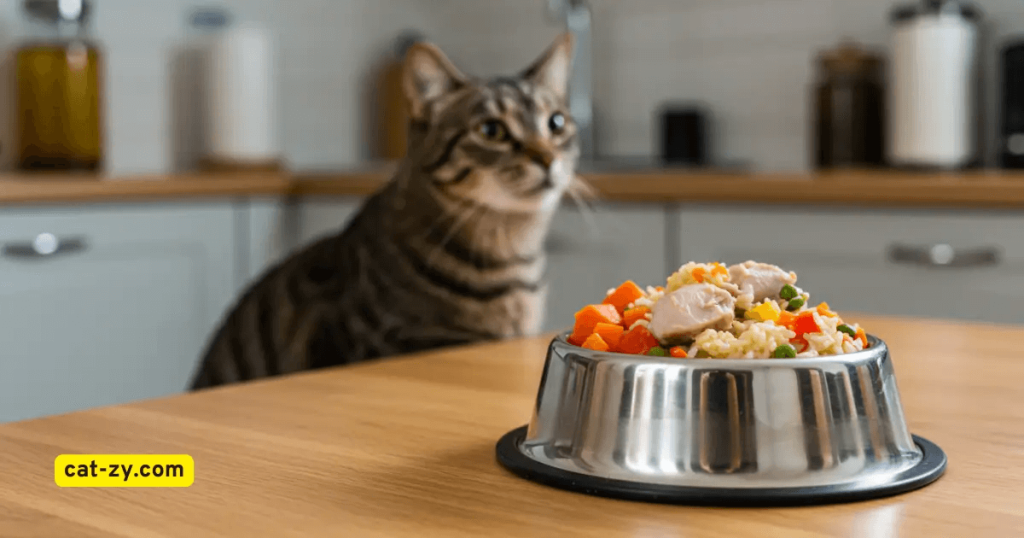
Are you looking for a way to give your cat healthier, tastier meals without relying on store-bought food? Making cat food recipes homemade could be the answer you’ve been searching for.
When you prepare your cat’s meals yourself, you control every ingredient, ensuring your furry friend gets the nutrition they truly need. Plus, it can be a fun and rewarding experience for you both. Keep reading to discover simple, delicious recipes that your cat will love—and that will make you feel great about what you’re feeding them.
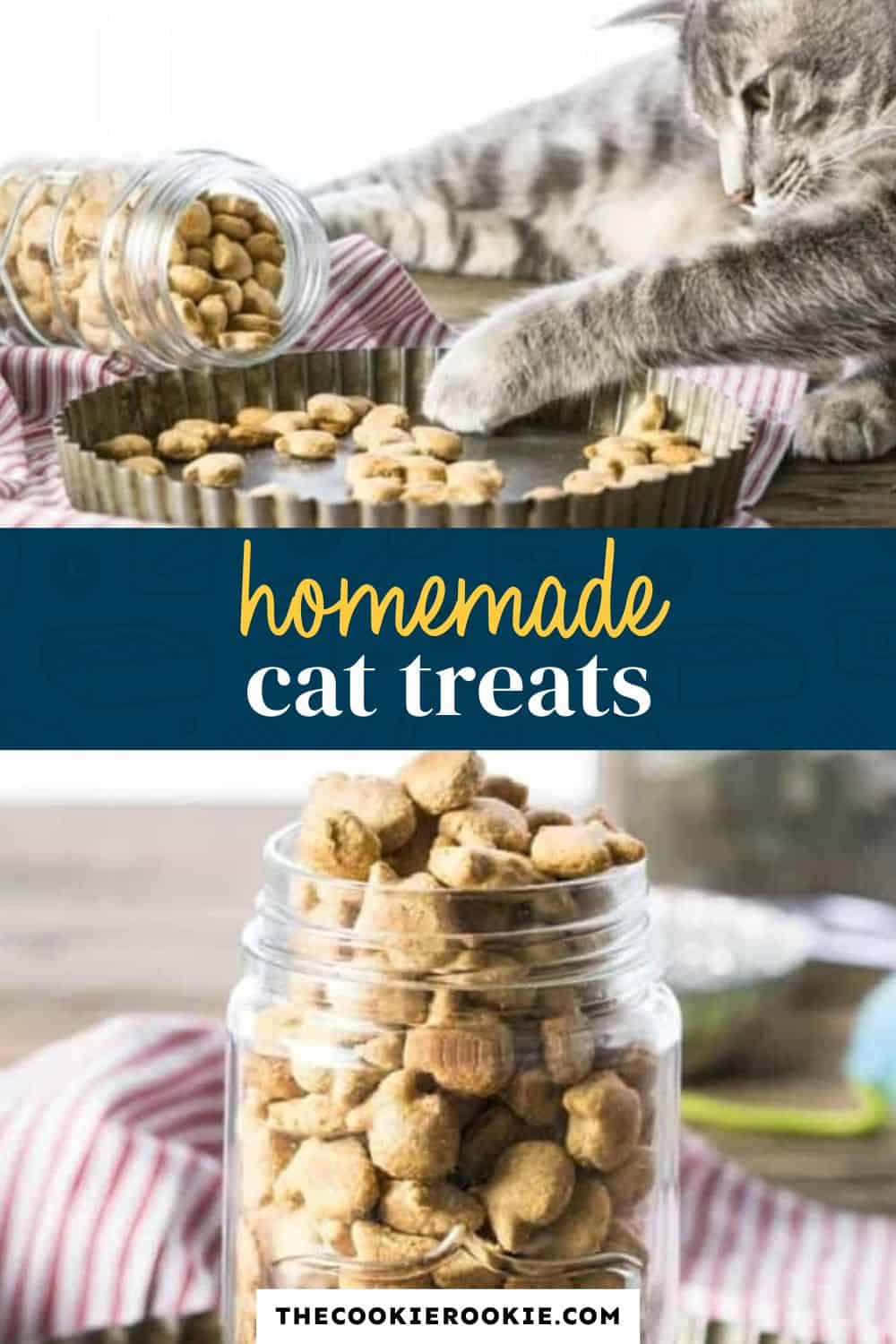
Credit: www.thecookierookie.com
Benefits Of Homemade Cat Food
Choosing to make homemade cat food offers several benefits that can improve your cat’s health and well-being. When you prepare meals yourself, you become more connected to what your pet eats daily. This connection can lead to better nutrition, fewer health issues, and even savings on your monthly pet expenses.
Nutritional Advantages
Homemade cat food lets you tailor meals specifically to your cat’s needs. You can include fresh proteins like chicken, turkey, or fish and add essential nutrients such as taurine, which is crucial for cats. Unlike some commercial foods, homemade recipes avoid fillers and artificial additives that may upset your cat’s digestion or cause allergies.
Have you noticed your cat being more energetic or having a shinier coat after changing their diet? This often happens because homemade food can provide fresher, higher-quality nutrients that better support overall health.
Control Over Ingredients
When you cook for your cat, you decide exactly what goes into their bowl. This control means you can avoid harmful preservatives, excessive salt, or ingredients your cat may be allergic to. It’s especially helpful if your cat has food sensitivities or specific dietary restrictions.
You can also adjust recipes based on your cat’s age, weight, or medical conditions. This flexibility is hard to find in store-bought options where formulas are standardized and less customizable.
Cost-effectiveness
Making cat food at home can save you money over time. Buying raw ingredients in bulk is often cheaper than purchasing premium commercial cat foods. Plus, you can reduce waste by using leftovers or ingredients you already have at home.
Think about how many expensive vet visits could be avoided by feeding your cat a balanced, homemade diet that supports better health. Isn’t it worth trying a homemade recipe to see if you can improve your cat’s wellness while spending less?

Credit: wellnessmama.com
Essential Nutrients For Cats
Cats need specific nutrients to stay healthy and active. Their bodies require a balance of proteins, fats, vitamins, and minerals. Homemade cat food must include these essentials to support growth, energy, and overall well-being. Understanding these nutrients helps create meals that suit your cat’s natural diet.
Proteins And Amino Acids
Proteins are the building blocks of a cat’s body. Cats need high-quality proteins from animal sources. These proteins provide essential amino acids, like taurine, which cats cannot make on their own. Taurine supports heart health, vision, and digestion. Good protein sources include chicken, turkey, and fish.
Fats And Fatty Acids
Fats give cats energy and help absorb vitamins. Essential fatty acids, such as omega-3 and omega-6, keep their skin and coat healthy. These fats also support brain function and reduce inflammation. Sources of healthy fats include fish oil, chicken fat, and flaxseed oil.
Vitamins And Minerals
Vitamins and minerals keep a cat’s body working properly. Important vitamins include A, D, E, and B-complex. Minerals like calcium, phosphorus, and magnesium strengthen bones and teeth. Balanced homemade recipes often need added supplements to meet these needs fully.
Safe Ingredients For Cat Meals
Choosing safe ingredients is key for healthy homemade cat food. Cats need meals rich in nutrients that support their unique diet. Using the right ingredients ensures your cat stays strong and happy.
Always select fresh, high-quality foods. Avoid anything processed or spoiled. Careful ingredient choices prevent health issues and support your cat’s wellbeing.
Meat And Protein Sources
Protein is essential for cats. Use cooked chicken, turkey, or lean beef. Fish like salmon or tuna also work well. Make sure meat is fully cooked to kill bacteria. Avoid bones, as they can cause choking or damage.
Eggs are another good protein source. Serve them boiled or scrambled without seasoning. Protein helps build muscles and keeps your cat active.
Vegetables And Fruits
Cats need small amounts of vegetables and fruits. Safe choices include cooked carrots, peas, and pumpkin. These add fiber and vitamins. Small pieces of apple or blueberries are fine. Avoid citrus fruits, which may upset your cat’s stomach.
Always cook vegetables to make them easier to digest. Cut into small, manageable pieces to prevent choking.
Avoiding Toxic Foods
Many common foods are toxic to cats. Never use onions, garlic, or chives. These can cause serious health problems. Avoid chocolate, caffeine, and alcohol. Grapes, raisins, and avocado are also dangerous.
Keep salt, sugar, and spices out of your cat’s meals. Even small amounts can harm them. Stick to plain, natural ingredients for safety.
Basic Preparation Tips
Preparing homemade cat food requires careful attention to ensure it is safe and nutritious. Simple steps in cooking, portioning, and storing can make a big difference. These basic tips help maintain your cat’s health and happiness.
Proper Cooking Techniques
Cook all meat thoroughly to kill harmful bacteria. Boiling or baking are the best methods. Avoid using spices, onions, or garlic as they are toxic to cats. Cut ingredients into small, easy-to-eat pieces. Always check the temperature before serving to prevent burns.
Portion Sizes
Feed your cat the right amount to avoid overeating or hunger. Portion size depends on your cat’s age, weight, and activity level. Use a kitchen scale or measuring cup for accuracy. Split daily food into two or three meals for better digestion. Watch your cat’s weight and adjust portions accordingly.
Storage And Shelf Life
Store homemade cat food in airtight containers to keep it fresh. Refrigerate leftovers and use within three days. Freeze extra portions in small packs for up to two weeks. Always thaw frozen food in the fridge, never at room temperature. Discard any food that smells off or looks spoiled.
Easy Homemade Cat Food Recipes
Making cat food at home can be simple and rewarding. It gives control over ingredients and ensures freshness. Cats enjoy a variety of tastes and textures. Homemade recipes can be healthy and balanced with the right components.
Each recipe focuses on key nutrients cats need for energy and health. These easy recipes use common ingredients and require little preparation. Try these options to offer your cat a tasty, homemade meal.
Chicken And Rice Delight
This dish combines lean chicken with rice for a gentle meal. Chicken provides protein, and rice gives energy through carbohydrates.
- Cook 1 cup of chicken breast, shredded
- Boil 1/2 cup of white rice until soft
- Mix chicken and rice with a splash of chicken broth
- Cool before serving to your cat
Salmon And Sweet Potato Mix
Salmon is rich in omega-3 fatty acids, great for skin and coat. Sweet potatoes add fiber and vitamins.
- Bake or steam 1/2 cup of salmon, flaked
- Cook 1/2 cup of sweet potato until tender
- Combine salmon and sweet potato
- Serve at room temperature
Turkey And Pumpkin Stew
Turkey is a lean protein source. Pumpkin supports digestion and adds moisture.
- Cook 1 cup ground turkey thoroughly
- Mix in 1/4 cup canned pumpkin (plain, no spices)
- Add a small amount of water to create stew consistency
- Let it cool before feeding your cat
Supplements And Additives
Supplements and additives play a key role in homemade cat food recipes. They help balance nutrition and support your cat’s health. Cats need certain nutrients that homemade meals might miss. Adding the right supplements fills these gaps safely and naturally.
Adding Taurine
Taurine is an essential amino acid for cats. It supports heart health, vision, and reproduction. Cats cannot produce enough taurine on their own. Without it, they risk serious health problems.
Include taurine powder in homemade cat food. Use the recommended amount on the package. Too little or too much can cause harm. Taurine is water-soluble and easy to mix into meals.
Bone Meal And Calcium Sources
Calcium is vital for strong bones and teeth in cats. Homemade food often lacks enough calcium. Bone meal powder is a good source of calcium and phosphorus.
Choose finely ground bone meal made for pets. Add it in small amounts to avoid imbalance. Other calcium sources include eggshell powder and plain yogurt. Always measure supplements carefully to keep calcium levels safe.
Probiotics For Digestion
Probiotics improve digestion and gut health. They help break down food and boost the immune system. Adding probiotics to homemade cat food can reduce stomach upset.
Use probiotic powders or capsules made for cats. Sprinkle them on the food just before serving. Probiotics work best with fresh meals and a healthy diet.
Monitoring Your Cat’s Health
Monitoring your cat’s health is vital when feeding homemade cat food recipes. Cats need balanced nutrition for energy, growth, and a strong immune system. Careful observation ensures your cat stays healthy and happy with their new diet.
Signs Of Nutritional Deficiency
Watch for changes in your cat’s coat. Dull, dry fur can signal a lack of essential fats or vitamins.
Loss of appetite or weight loss may indicate missing nutrients. Pay attention to lethargy or unusual behavior as well.
Other signs include:
- Weakness or poor muscle tone
- Digestive problems like diarrhea or vomiting
- Frequent infections or slow healing wounds
Adjusting Diet Based On Age
Kittens need more protein and calories than adult cats. Their growth demands extra nutrients for healthy development.
Senior cats benefit from diets lower in calories but rich in antioxidants. This supports aging joints and overall health.
Adjust portions and ingredients to fit your cat’s life stage. Balance is key for every age.
Consulting A Veterinarian
Regular vet visits help track your cat’s health progress. Share your homemade food recipes for professional advice.
Vets can recommend supplements or diet changes if needed. They help prevent nutrient gaps and health problems.
Always ask before introducing new foods or supplements. Your vet is the best partner for your cat’s diet care.

Credit: justcatsclinic.com
Frequently Asked Questions
What Ingredients Are Safe For Homemade Cat Food?
Safe ingredients include cooked chicken, turkey, fish, eggs, and certain vegetables like carrots. Avoid onions, garlic, and dairy, as these can harm cats. Always consult a vet before introducing new foods to ensure a balanced diet for your cat.
How Do I Balance Nutrients In Homemade Cat Food?
Include protein, fat, and essential vitamins like taurine. Use supplements or vet-approved recipes to ensure nutrient balance. Cats require a high-protein diet, so focus on quality meat and avoid fillers like grains. Regular vet check-ups help monitor nutritional health.
Can Homemade Cat Food Replace Commercial Cat Food?
Homemade food can replace commercial diets if nutritionally complete and balanced. It requires careful planning and supplementation. Consult your vet to create a safe, healthy homemade diet tailored to your cat’s needs. Avoid sudden diet changes to prevent digestive issues.
How Often Should I Feed Homemade Cat Food?
Feed homemade cat food 2-3 times daily in small, measured portions. Regular meals help maintain energy and digestion. Monitor your cat’s weight and appetite to adjust portions as needed. Fresh water should always be available alongside meals.
Conclusion
Making homemade cat food lets you control what your cat eats. You can use fresh, healthy ingredients that suit your cat’s needs. It saves money and helps avoid unwanted additives. Always check recipes for balanced nutrition to keep your cat strong and happy.
Try different recipes to find what your cat likes best. Cooking at home builds a closer bond with your pet. Simple, natural meals can improve your cat’s health and energy. Start small, and enjoy feeding your cat tasty homemade food.
