

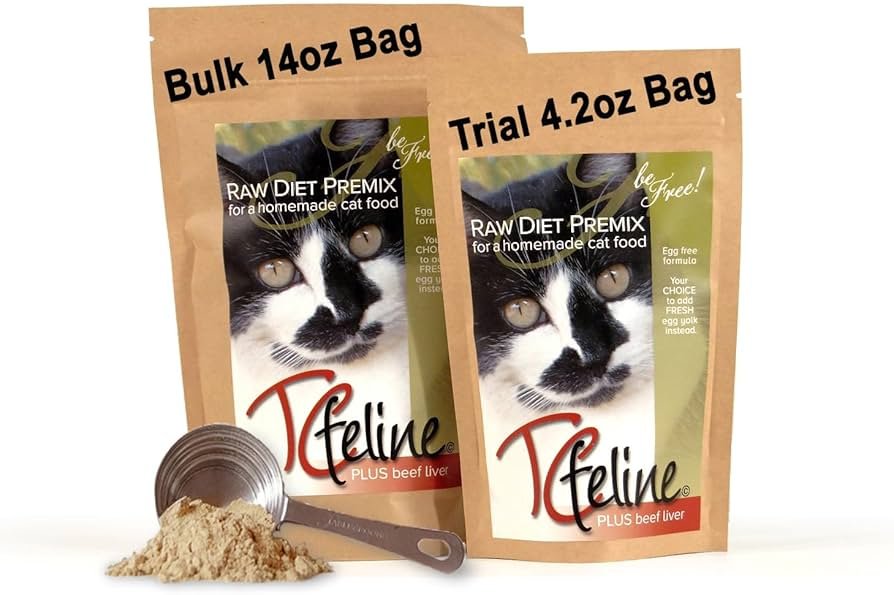
Are you curious about switching your cat to a raw food diet but unsure where to start? Feeding your cat a raw diet can seem tricky, but it might be the key to boosting their energy, improving their coat, and supporting their overall health.
Imagine giving your furry friend meals that are closer to what nature intended—fresh, natural, and packed with nutrients. You’ll discover everything you need to know about a cat food raw diet, from the benefits to practical tips for making the change safely.
Keep reading to unlock the secrets of feeding your cat the way they were meant to eat.
Benefits Of Raw Diet For Cats
Switching your cat to a raw food diet can bring noticeable benefits that affect their overall health and happiness. Many cat owners notice changes soon after making the switch, which can encourage you to keep going. Understanding these benefits helps you make a more informed decision for your furry friend’s diet.
Improved Digestion And Nutrient Absorption
Raw diets contain natural enzymes and nutrients that are often lost in cooked or processed foods. These enzymes help your cat break down food more efficiently, leading to better digestion.
Better digestion means your cat gets more nutrients from every meal, supporting their internal health. Have you observed your cat’s stool becoming firmer and less smelly after switching to raw food? That’s a sign of improved digestion.
Enhanced Coat And Skin Health
Many cats on a raw diet develop shinier, softer coats and healthier skin. This happens because raw food is rich in essential fatty acids like omega-3 and omega-6, which are vital for skin and coat health.
If your cat has flaky skin or dull fur, you might see a positive change within weeks of feeding raw. Isn’t it amazing how diet can visibly impact your cat’s appearance?
Increased Energy And Vitality
Raw food provides high-quality protein and balanced nutrients that fuel your cat’s body efficiently. Cats often show more playful behavior and increased stamina after eating a raw diet.
Have you noticed your cat chasing toys more or exploring with renewed curiosity? These are signs their energy levels have improved.
Stronger Immune System
Feeding raw can support your cat’s immune system by providing antioxidants, vitamins, and minerals in their natural forms. These nutrients help your cat fight off infections and reduce inflammation.
When your cat gets fewer illnesses or recovers faster, you can thank the power of nutrient-rich raw food. Would you want your cat to have a diet that actively supports their defenses every day?

Credit: www.amazon.com
Essential Components Of Raw Cat Food
Raw cat food focuses on natural ingredients that meet a cat’s dietary needs. It mimics what cats would eat in the wild. Understanding the essential components helps create a balanced raw diet. Each part plays a key role in your cat’s health.
Meat And Muscle Content
Meat and muscle are the main part of raw cat food. Cats need high protein for strong muscles and energy. Common choices include chicken, turkey, and rabbit. Muscle meat supplies important amino acids cats cannot produce.
Organ Meats Importance
Organ meats provide vital nutrients missing in muscle alone. Liver, kidney, and heart deliver vitamins A, B, and iron. These help with vision, blood health, and immune support. Organ meats should make up about 10% of the diet.
Bone Inclusion For Calcium
Raw bones add natural calcium and phosphorus. These minerals keep bones and teeth healthy. Ground bones or finely crushed ones are safe to feed. Avoid cooked bones as they can splinter and harm cats.
Fresh Fruits And Vegetables
Small amounts of fruits and vegetables add fiber and antioxidants. Carrots, spinach, and blueberries are good options. They support digestion and overall well-being. Keep portions low since cats mainly need protein.
Preparing Raw Meals Safely
Preparing raw meals safely for your cat is crucial to avoid health risks. Raw diets require careful handling to protect your pet from bacteria and nutrient imbalances. Following best practices ensures your cat enjoys fresh, nutritious meals without danger.
Selecting Quality Ingredients
Choose fresh, high-grade meats from trusted sources. Look for meats labeled safe for raw consumption. Include a variety of proteins like chicken, turkey, and fish. Avoid processed meats and those with added preservatives. Fresh vegetables and supplements can support balanced nutrition.
Sanitation And Hygiene Tips
Clean all surfaces and utensils before and after meal prep. Wash your hands thoroughly with soap and water. Use separate cutting boards for raw meat and other foods. Sanitize bowls and storage containers daily. Keep pets away during food preparation to avoid contamination.
Portioning And Storage Guidelines
Divide meals into daily portions to maintain freshness. Store raw meals in airtight containers or freezer bags. Label each portion with the date for easy tracking. Freeze extra meals to prevent spoilage. Thaw frozen food in the refrigerator, not at room temperature.
Transitioning Cats To A Raw Diet
Switching your cat to a raw food diet takes patience and care. Cats have unique tastes and digestive systems. A sudden change can cause stress or stomach upset. The goal is to make the transition smooth and safe.
Recognizing Signs Of Readiness
Observe your cat’s appetite and behavior. Look for curiosity about new foods. Notice if your cat eats small amounts of raw meat. Watch for healthy digestion and good energy levels. A willing and alert cat is ready to try raw food.
Step-by-step Switching Process
- Start by mixing a small amount of raw food with the current diet.
- Gradually increase the raw food portion each day.
- Reduce the old food as raw food increases.
- Offer fresh water alongside the new diet.
- Keep feeding times consistent to build routine.
This slow change helps your cat adjust without upset.
Common Challenges And Solutions
| Challenge | Solution |
|---|---|
| Refusing raw food | Try different meats or textures. Warm the food slightly. |
| Digestive upset | Slow down the transition. Give probiotics if needed. |
| Lack of appetite | Feed smaller portions more often. Keep mealtime calm. |
Potential Risks And Considerations
Feeding cats a raw food diet has gained popularity among pet owners. Yet, this approach comes with risks and important points to consider. Understanding these factors helps keep cats safe and healthy.
Bacterial Contamination Risks
Raw meat can carry harmful bacteria like Salmonella and E. coli. These bacteria may cause serious illness in cats and humans. Handling raw food requires strict hygiene. Clean all surfaces and bowls after feeding. Store raw meat at the right temperature to reduce bacteria growth. Avoid feeding spoiled or questionable meat.
Nutritional Imbalances To Avoid
Raw diets often lack essential vitamins and minerals. Cats need a balanced mix of protein, fats, and nutrients for good health. Missing nutrients can cause problems like weak bones or poor coat quality. Avoid feeding only muscle meat. Include bones, organs, and supplements as needed. Research or use recipes designed by pet nutrition experts.
Veterinary Consultation Importance
Consult your vet before starting a raw diet for your cat. Vets can check your cat’s health and offer guidance. They may recommend blood tests or specific supplements. Regular check-ups help spot problems early. Professional advice reduces the risk of health issues related to diet changes.

Credit: bossnationbrands.com
Comparing Raw Diets With Commercial Cat Food
Choosing between a raw diet and commercial cat food can shape your cat’s health for years. Each option has unique benefits and challenges that affect your pet’s nutrition, your wallet, and their overall well-being. Understanding these differences helps you make a choice that fits both your lifestyle and your cat’s needs.
Nutritional Differences
Raw diets provide protein in its natural form, which some cats find easier to digest. You control exactly what goes into your cat’s meals, avoiding fillers and artificial additives common in many commercial foods.
Commercial cat foods often have added vitamins and minerals to meet nutritional standards. However, they can contain preservatives and by-products that may not benefit your cat’s health.
Have you noticed your cat’s energy or coat quality change after switching foods? These can be signs of how well their diet meets their nutritional needs.
Cost And Convenience Factors
Raw diets usually cost more upfront and require time to prepare safely. You need to shop for fresh ingredients, store them properly, and manage hygiene to prevent contamination.
Commercial cat food shines in convenience. Ready to serve straight from the package, it fits busy schedules and travel plans with ease.
Consider how much time you can dedicate daily to feeding your cat. Is the extra effort of a raw diet practical for you?
Long-term Health Outcomes
Some cat owners report improved digestion, shinier coats, and better dental health on raw diets. However, risks include potential exposure to harmful bacteria if food isn’t handled properly.
Commercial diets have been formulated to prevent common deficiencies and health issues over time. Still, some cats may develop allergies or obesity if their diet isn’t carefully chosen.
What health improvements or setbacks have you seen in your cat with different foods? Tracking these changes can guide your feeding decisions for years to come.
Popular Raw Diet Recipes For Cats
Trying a raw diet for your cat can feel overwhelming at first. Choosing the right recipe is key to making sure your feline friend gets the nutrition they need. Here are some popular raw diet recipes that many cat owners have found both simple to prepare and effective for their cats’ health.
Basic Chicken And Liver Blend
This recipe is a staple for many cat owners starting with raw feeding. It combines lean chicken meat with nutrient-rich chicken liver, which provides essential vitamins like A and B-complex.
- Use about 80% chicken meat and 20% chicken liver for balance.
- Include a small amount of ground bone or a bone supplement to provide calcium.
- Add a teaspoon of fish oil for omega-3 fatty acids.
This simple blend covers many nutritional bases. Have you noticed how your cat reacts to new flavors? Often, they prefer the natural taste and texture of this mix over commercial food.
Fish-based Raw Meal
Fish is a favorite ingredient for many cats and provides high-quality protein and healthy fats. However, it needs to be balanced carefully to avoid nutrient imbalances.
- Use fresh salmon or mackerel, about 70% of the meal.
- Add 20% fish liver or other organ meats for vitamins.
- Include a calcium source, such as ground eggshell or bone meal.
- Mix in a small portion of vegetables like pumpkin or spinach for fiber.
Feeding fish occasionally can keep your cat interested in their diet. Think about rotating meals to give your cat variety and complete nutrition.
Turkey And Bone Mix
Turkey is another excellent protein choice that cats often enjoy. This recipe emphasizes whole muscle meat combined with raw bones to support dental health and calcium intake.
- Combine 85% ground turkey meat with 10% raw, finely ground bone.
- Add 5% turkey heart or gizzard for organ nutrients.
- Sprinkle in taurine powder, an essential amino acid for cats.
Have you considered how raw bones can benefit your cat’s teeth? Chewing on raw bones can help reduce plaque and keep gums healthy.

Credit: primalpetfoods.com
Frequently Asked Questions
What Is A Raw Diet For Cats?
A raw diet for cats consists of uncooked meat, bones, and organs. It mimics their natural prey diet. This diet can improve coat health, energy, and digestion when balanced properly.
Is Raw Cat Food Safe For My Pet?
Raw cat food can be safe if prepared hygienically. Use fresh, high-quality ingredients and handle with care. Consult your vet to ensure nutritional balance and avoid bacterial contamination.
What Are The Benefits Of A Raw Cat Food Diet?
Raw diets can boost a cat’s immune system, improve digestion, and promote healthier skin and coat. It also reduces fillers and artificial ingredients found in some commercial foods.
Can Raw Diets Cause Health Risks In Cats?
Improper raw diets may lead to nutrient imbalances and bacterial infections. Always follow recipes designed by experts and maintain strict hygiene to minimize risks.
Conclusion
Feeding cats a raw diet can offer many health benefits. It supports natural eating habits and may improve digestion. Always choose fresh, quality ingredients for safety. Consult a vet before making big diet changes. Watch your cat’s reaction and adjust as needed.
A balanced raw diet can keep your cat happy and healthy. Start slow, stay informed, and enjoy the journey together.
