


When it comes to your cat’s health, what you feed them matters more than you might think. Understanding cat food nutritional information can help you make smarter choices that keep your furry friend happy and energetic.
You want to give your cat the best, but with so many options out there, it’s easy to feel overwhelmed. This guide breaks down everything you need to know, so you can feel confident about what goes into your cat’s bowl every day.
Keep reading to discover the key nutrients your cat needs and how to spot quality food that supports their well-being.
Key Nutrients In Cat Food
Cats need certain nutrients to stay healthy and active. Their food must provide these key elements. These nutrients support growth, energy, and overall well-being. Understanding these components helps choose the best food for your cat.
Proteins And Amino Acids
Proteins are the building blocks of a cat’s body. They provide amino acids, essential for muscles and tissues. Cats need high-quality animal proteins like chicken, fish, or beef. Taurine is a vital amino acid only found in animal proteins. Without taurine, cats can face serious health problems.
Fats And Fatty Acids
Fats supply energy and help absorb vitamins. They keep a cat’s skin and coat healthy. Omega-3 and Omega-6 fatty acids reduce inflammation and support brain function. Animal fats like fish oil are the best sources. A balanced fat content keeps cats feeling satisfied and energetic.
Carbohydrates Role
Carbohydrates provide quick energy. Cats do not need many carbs compared to other animals. Some fiber in carbs helps digestion and prevents hairballs. Good sources include rice and vegetables in small amounts. Too many carbs can lead to weight gain and health issues.
Vitamins And Minerals
Vitamins and minerals keep body systems running smoothly. Vitamin A supports vision and immune health. Calcium and phosphorus strengthen bones and teeth. Other minerals like zinc and iron are vital for blood and skin health. A balanced mix of these nutrients is essential in cat food.

Credit: catfoodcentral.co
Reading Cat Food Labels
Reading cat food labels can feel overwhelming at first. But understanding what’s on the package helps you choose the best nutrition for your furry friend. With clear knowledge, you can spot quality ingredients and avoid harmful additives.
Decoding Ingredient Lists
Look at the ingredient list carefully. Ingredients are listed by weight, so the first few are the most important. If meat or fish is near the top, that’s a good sign your cat is getting real protein.
Watch out for vague terms like “meat by-products” or “animal digest.” These can include low-quality parts you don’t want feeding your cat. If you see specific names like “chicken” or “salmon,” it’s easier to know what your cat is eating.
Understanding Guaranteed Analysis
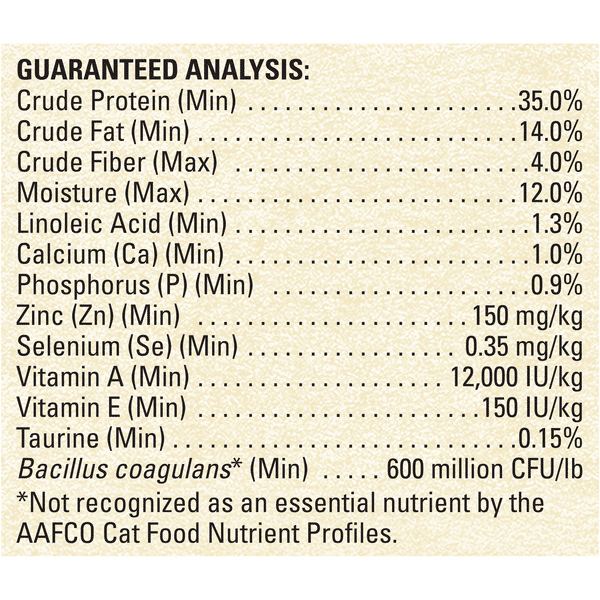
The guaranteed analysis gives you percentages of protein, fat, fiber, and moisture. Protein is crucial for cats, so higher protein numbers usually mean better nutrition. Fat provides energy and supports healthy skin and coat.
Fiber helps with digestion but should not be too high, as cats don’t need much. Moisture content varies between wet and dry food and affects how much water your cat drinks. Check these numbers to match your cat’s needs.
Recognizing Additives And Preservatives
Many cat foods include additives to improve taste, texture, and shelf life. Some preservatives like vitamin E (mixed tocopherols) and vitamin C are natural and safe. But artificial preservatives such as BHA, BHT, and ethoxyquin may raise health concerns.
Colorings and flavorings can also be added, but they don’t provide nutrition. Ask yourself if these extras are necessary or just marketing tricks. Choosing foods with fewer additives can reduce risks and improve your cat’s overall health.
Types Of Cat Food
Cats require different types of food to meet their nutritional needs. Choosing the right type helps keep them healthy and happy. Cat food comes in several forms, each with unique benefits and drawbacks. Understanding these types makes feeding easier and more effective.
Dry Vs. Wet Food
Dry food is crunchy and easy to store. It helps keep teeth clean by reducing plaque. Dry food has a longer shelf life and is usually more affordable. Wet food contains more moisture, which helps with hydration. It is often more flavorful and easier to chew. Wet food can support cats with urinary or kidney problems due to its water content.
Raw And Homemade Diets
Raw diets use uncooked meat and organs to mimic a cat’s natural diet. They offer high protein and fewer fillers. Homemade diets allow full control over ingredients. They must be balanced to avoid nutrient deficiencies. Both require careful preparation to prevent bacterial contamination. Consulting a vet ensures safety and proper nutrition.
Specialized Formulas
Specialized cat foods address specific health needs. Examples include formulas for weight control, allergies, or sensitive stomachs. There are diets designed for kittens, adults, and senior cats. Some help manage medical conditions like diabetes or kidney disease. These foods have tailored nutrients to support health and wellness. Always follow your vet’s advice when choosing specialized diets.
Nutritional Needs By Life Stage
Each stage of your cat’s life demands different nutrients to keep them healthy and happy. Knowing the specific nutritional needs helps you choose the right food that supports growth, energy, and overall well-being. Let’s break down what your cat needs at various life stages.
Kittens
Kittens need more calories and protein than adult cats because they are growing fast. Their food should be rich in essential amino acids like taurine, which supports eye and heart health. Look for kitten formulas with DHA, an omega-3 fatty acid that helps brain development.
Feeding smaller, frequent meals suits their high energy requirements. Have you noticed how your kitten seems to have endless energy? Their diet fuels that lively spirit.
Adult Cats
Adult cats need a balanced diet to maintain weight and muscle tone without overfeeding. Their food should have moderate protein and fat levels, plus essential vitamins and minerals for daily health. Fiber is also important to keep their digestive system running smoothly.
Think about your adult cat’s activity level—indoor cats usually need fewer calories than outdoor explorers. Tailor their food intake accordingly to avoid weight gain.
Senior Cats
As cats age, their metabolism slows down and their digestive system becomes less efficient. Senior cat food often contains fewer calories but higher-quality protein to preserve muscle mass. Additional supplements like antioxidants and joint support ingredients can improve their quality of life.
Have you observed your senior cat becoming less active? Their diet can help manage energy and mobility challenges.
Pregnant And Nursing Cats
Pregnant and nursing cats need extra calories, protein, and calcium to support their kittens’ development and milk production. Their diet should be nutrient-dense and easy to digest. Feeding them kitten food often meets these increased needs effectively.
It’s critical to monitor their weight and appetite during this period to ensure both mom and kittens stay healthy. Are you ready to adjust your cat’s diet during this important time?
Common Dietary Concerns
Understanding common dietary concerns can help you make smarter choices about your cat’s food. Cats have unique nutritional needs, and overlooking these concerns may affect their health. Let’s look at some key areas that often raise questions among cat owners.
Food Allergies And Sensitivities
Food allergies in cats often show up as itchy skin, vomiting, or diarrhea. If your cat suddenly starts scratching more or has digestive upset, food sensitivity might be the cause. Common culprits include beef, dairy, and fish proteins.
Switching to a limited-ingredient diet or hypoallergenic cat food can make a big difference. Have you noticed any patterns between your cat’s symptoms and what they eat? Keeping a food diary can help identify triggers and guide better choices.
Obesity And Weight Management
Obesity is a growing problem in cats, leading to serious issues like diabetes and joint pain. Overfeeding and lack of exercise are major contributors. Measuring portions and choosing foods with balanced calories is crucial to keep your cat fit.
Look for cat foods labeled as “weight control” or “low calorie.” These often have higher protein and lower fat to maintain muscle while reducing fat. Do you weigh your cat’s food or rely on free feeding? Small changes can have a huge impact on their weight.
Hydration And Urinary Health
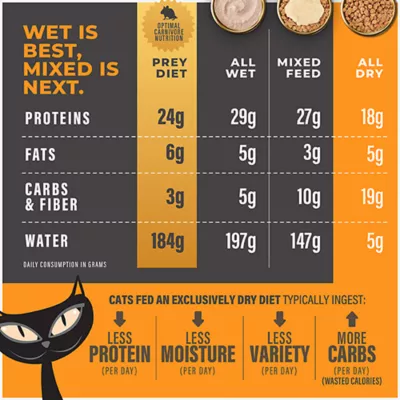
Many cats don’t drink enough water, which can lead to urinary tract problems. Wet cat food is a great way to add moisture to their diet. It can help prevent crystals and stones that cause painful urinary issues.
Try mixing wet food with dry or adding water to kibble if your cat resists drinking. Have you observed changes in your cat’s litter box habits? Monitoring hydration can improve their overall well-being and reduce vet visits.
Credit: www.hy-vee.com
Choosing Quality Cat Food
Choosing quality cat food is essential for your cat’s health and happiness. The right food supports their energy, maintains a shiny coat, and keeps their immune system strong. Knowing what to look for can make a big difference in the long run.
Recognizing Quality Ingredients
Look for cat food that lists real meat or fish as the first ingredient. Cats are obligate carnivores, so they need protein from animal sources to thrive.
Avoid foods that rely heavily on fillers like corn, wheat, or soy. These add calories but offer little nutritional value.
Check for added vitamins and minerals like taurine, which is vital for your cat’s heart and eye health. If the label is confusing or vague, ask yourself if you would eat those ingredients yourself.
Reputable Brands And Certifications
Brands with a strong reputation often invest more in research and quality control. This can give you peace of mind about the safety and nutrition of the food.
Look for certifications from organizations like the Association of American Feed Control Officials (AAFCO). These indicate the food meets minimum nutritional standards.
Don’t hesitate to read customer reviews or ask your vet for recommendations. Real experiences can highlight issues that labels don’t reveal.
Budget-friendly Options
Quality doesn’t always mean expensive. Many affordable brands offer balanced nutrition without breaking your budget.
Try comparing the cost per ounce instead of just the package price. Sometimes a slightly higher price offers better nutrition and value.
- Buy in bulk to save money if your cat prefers dry food.
- Mix premium food with budget options to improve overall quality gradually.
- Watch for sales or subscribe to delivery services for discounts.
How do you balance price and quality when choosing food for your cat? Your cat’s health is worth careful consideration, no matter your budget.
Credit: www.petsmart.com
Frequently Asked Questions
What Nutrients Are Essential In Cat Food?
Cats need protein, fat, vitamins, minerals, and water in their food. Protein supports muscle health. Fat provides energy. Vitamins and minerals maintain overall health. Balanced nutrition ensures your cat’s well-being and longevity.
How Much Protein Should Cat Food Contain?
Cat food should have at least 26% protein for adults. Kittens need higher levels, around 30%. Protein quality matters, as cats require animal-based sources to thrive and stay healthy.
Why Are Taurine And Vitamins Important In Cat Food?
Taurine is an essential amino acid for cats. It supports heart and eye health. Vitamins A, D, and E boost immunity and bone growth. These nutrients prevent deficiencies and promote optimal feline health.
Can Homemade Cat Food Meet Nutritional Needs?
Homemade cat food can be nutritious if properly balanced. It requires careful ingredient selection and supplementation. Consulting a vet or pet nutritionist ensures your cat gets all essential nutrients safely.
Conclusion
Choosing the right cat food helps keep your pet healthy and happy. Nutrients like protein, fats, and vitamins support energy and growth. Reading labels carefully ensures you pick balanced meals. Always consider your cat’s age, weight, and health needs. Good nutrition means a shiny coat and strong muscles.
Feeding your cat well shows you care. Small changes can make a big difference in their life. Keep learning about cat food to make the best choices. Your cat will thank you with love and purrs.
