


When it comes to your cat’s health, what you feed them matters more than you might think. Understanding cat food nutrition facts can help you choose the best meals that keep your furry friend happy and full of energy.
You want to make sure your cat gets the right balance of proteins, fats, vitamins, and minerals, but where do you start? This guide breaks down everything you need to know in simple terms, so you can feel confident about every bite your cat takes.
Keep reading to discover the secrets behind cat food labels and how to spot the healthiest options for your beloved pet.
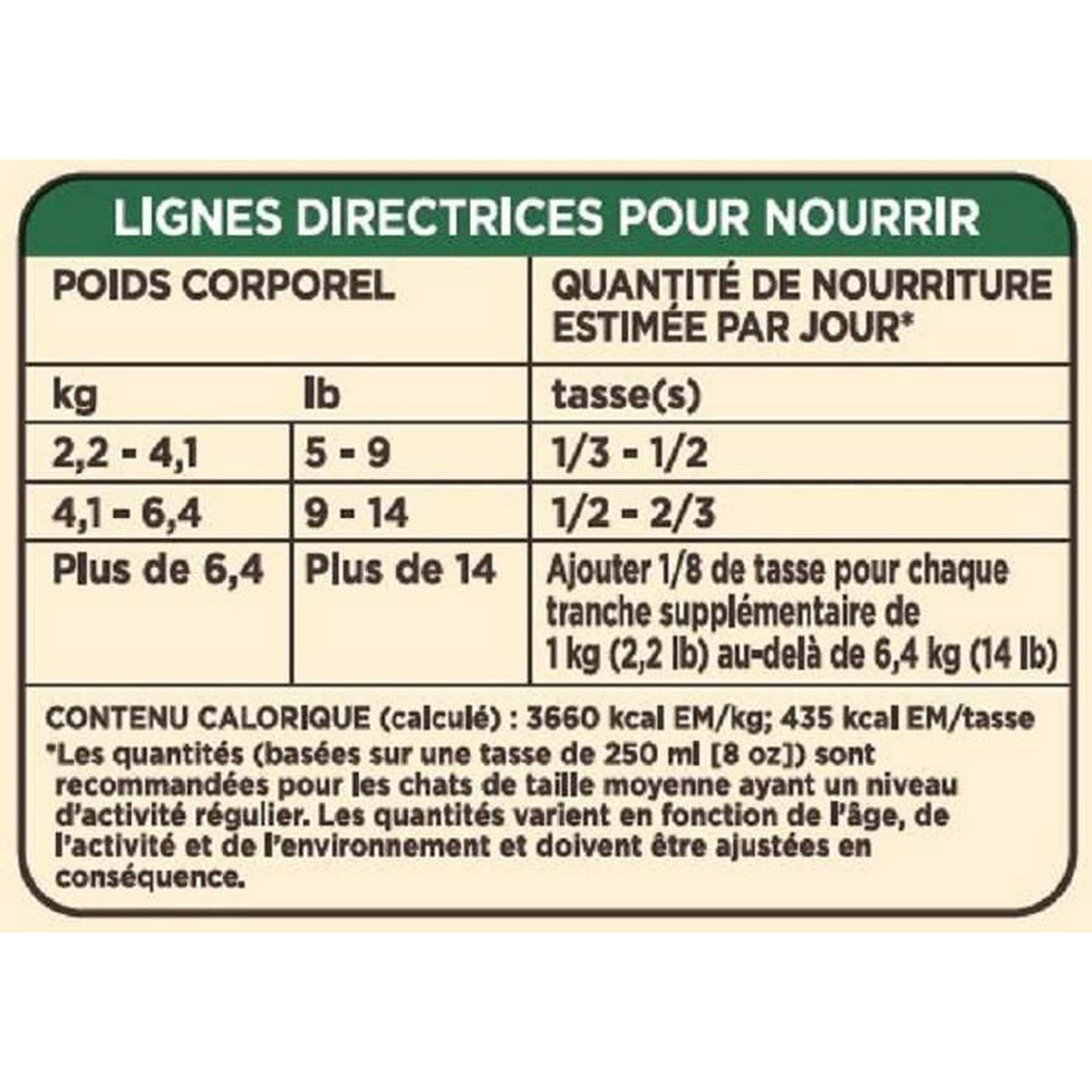
Credit: www.walmart.ca
Key Nutrients In Cat Food
Understanding the key nutrients in cat food can transform how you care for your feline friend. Each nutrient plays a specific role in keeping your cat healthy, active, and happy. Let’s break down what you should look for in your cat’s diet to make sure it meets their unique needs.
Proteins And Amino Acids
Proteins are the building blocks of your cat’s body. Cats need high-quality animal proteins because they rely on specific amino acids like taurine, which only come from meat sources.
Without enough taurine, cats can develop serious health problems such as heart issues or vision loss. When choosing cat food, check the label for named meat sources like chicken, beef, or fish rather than vague terms like “meat by-products.”
Fats And Fatty Acids
Fats provide energy and help absorb essential vitamins. Omega-3 and omega-6 fatty acids support skin health, coat shine, and brain function.
If your cat has dry skin or dull fur, it might be missing these fats. Look for cat food that includes fish oil or flaxseed oil as natural sources of these essential fats.
Vitamins And Minerals
Vitamins like A, D, E, and B-complex are vital for your cat’s immune system and overall well-being. Minerals such as calcium, phosphorus, and potassium help maintain strong bones and proper muscle function.
Pay attention to balanced formulas that list these nutrients because deficiencies or excesses can cause health issues. For example, too much calcium can lead to kidney problems.
Carbohydrates Role
Cats are obligate carnivores, which means they don’t need many carbohydrates. However, some carbs provide fiber that helps with digestion.
Too many carbs in cat food can lead to obesity and diabetes. Choose foods with limited grains and fillers like corn or wheat, focusing instead on natural fiber sources such as pumpkin or peas.
Types Of Cat Food Ingredients
Cat food contains different types of ingredients that provide essential nutrients. These ingredients affect your cat’s health and energy. Understanding them helps you choose the right food for your pet. Ingredients fall into three main groups: animal-based, plant-based, and additives.
Animal-based Ingredients
Animal-based ingredients provide protein, which is vital for cats. Common sources include chicken, beef, fish, and turkey. These ingredients supply amino acids cats need to build muscles and maintain organs. Animal fats also give energy and support skin and coat health. Meat meals and by-products are often used but should be from quality sources.
Plant-based Ingredients
Plant-based ingredients are usually carbohydrates and fiber. Examples are rice, corn, barley, and peas. They add energy and help digestion. Cats do not need many carbs, but a small amount supports overall health. Some plants provide vitamins and minerals that complement animal ingredients.
Additives And Preservatives
Additives improve taste, texture, and shelf life of cat food. Vitamins and minerals are added to meet nutritional needs. Preservatives keep food fresh longer and prevent spoilage. Natural preservatives like tocopherols (vitamin E) are safer for cats. Artificial preservatives may cause allergies or health issues in some cats.
Reading Cat Food Labels
Reading cat food labels can feel overwhelming, but it’s one of the best ways to ensure your feline friend gets the nutrition they need. Labels hold key details about ingredients and nutrient levels that impact your cat’s health and happiness. Knowing how to decode these labels helps you make smarter choices every time you shop.
Ingredient List Tips
The ingredient list reveals what your cat will actually eat. Ingredients are listed in order by weight, so the first few items matter most. Look for real meat or fish as the top ingredients rather than vague terms like “meat by-products” or “animal digest.”
Be cautious of fillers such as corn, wheat, or soy, which add calories but little nutrition. If you spot unfamiliar words, research them before buying. Your cat’s energy and coat shine will thank you for choosing quality ingredients.
Guaranteed Analysis Explained
The guaranteed analysis section breaks down the minimum and maximum nutrient levels in the food. It lists crude protein, fat, fiber, and moisture percentages. Protein is especially important for cats, so check that it’s high enough to support their muscle health.
Fat provides energy and helps absorb vitamins, while fiber aids digestion. Moisture content affects how much water your cat gets from their food. Understanding these values helps you compare products and pick the right formula for your cat’s needs.
Understanding Nutritional Claims
Labels often include claims like “complete and balanced” or “formulated for all life stages.” These phrases mean the food meets standards set by organizations like AAFCO, ensuring it supplies essential nutrients. But don’t rely solely on marketing language—dig deeper into the ingredients and analysis.
Watch out for terms like “natural,” “organic,” or “grain-free,” which aren’t always regulated or guaranteed to be better. Have you noticed how some claims can be misleading? Knowing what these terms really mean helps you avoid spending extra on empty promises.
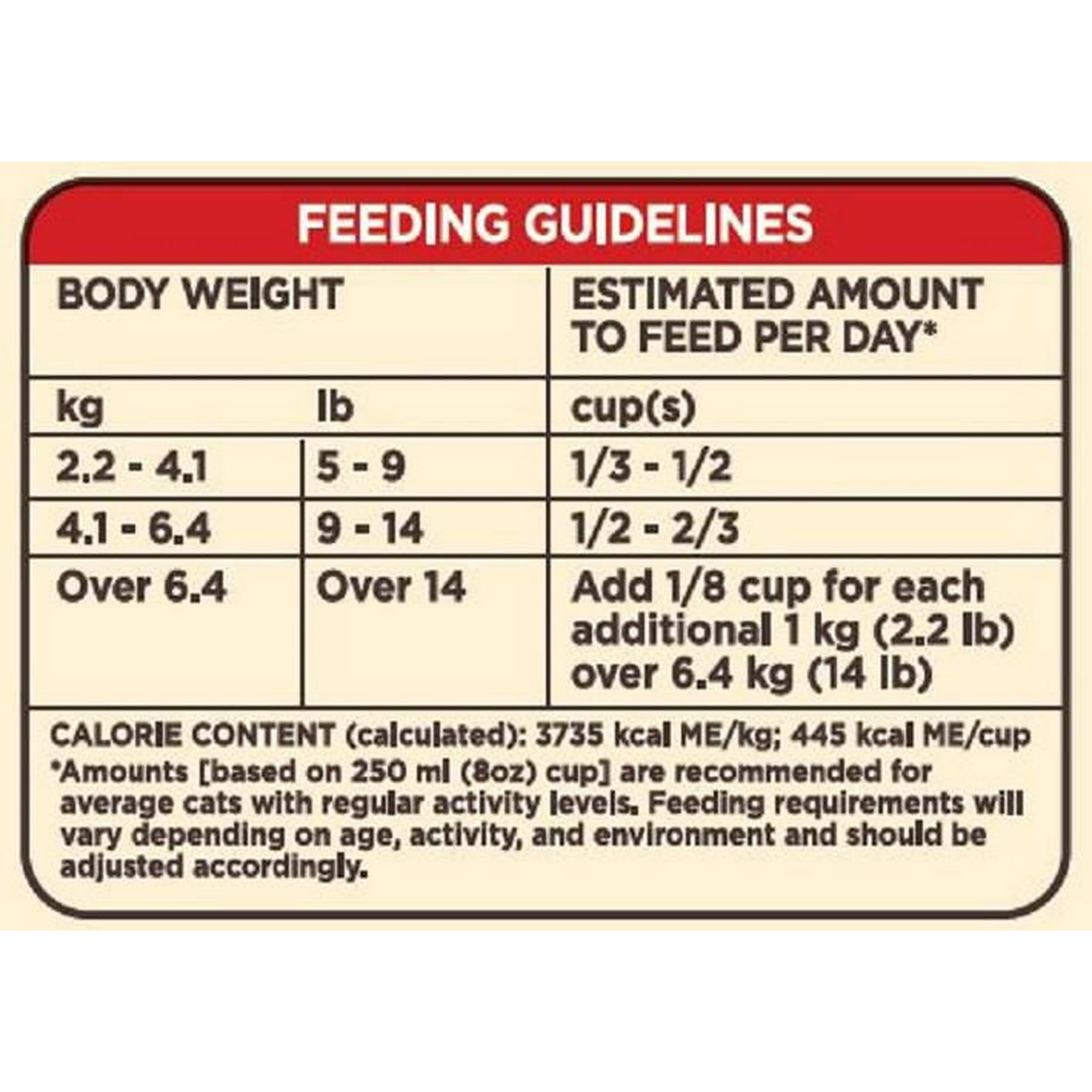
Credit: www.walmart.ca
Special Dietary Needs
Cats have unique dietary needs at different stages of life and health conditions. Meeting these needs supports their overall well-being and longevity. Special diets can help with growth, aging, weight control, and food sensitivities. Understanding these needs helps provide the best nutrition for your cat.
Kittens And Growth
Kittens need extra protein and fat for strong muscles and energy. Their food should have more calories than adult cat food. Essential nutrients like DHA support brain and eye development. Feeding kitten-specific food helps them grow healthy and strong.
Senior Cats Nutrition
Older cats require diets lower in calories but rich in vitamins. Their metabolism slows down, so they need fewer calories to avoid weight gain. Senior diets often include antioxidants for joint and immune health. High-quality protein supports muscle maintenance as they age.
Weight Management Diets
Overweight cats need special diets to reduce calories without losing nutrition. These foods have balanced protein and fiber to keep cats full longer. Controlled portions and low-fat ingredients help cats lose weight safely. Weight management improves overall health and mobility.
Food Allergies And Sensitivities
Some cats react poorly to certain ingredients in food. Common allergens include beef, dairy, and grains. Limited ingredient diets help identify and avoid triggers. Hypoallergenic foods use novel proteins or hydrolyzed proteins to reduce reactions.
Homemade Vs Commercial Cat Food
Choosing between homemade and commercial cat food can be challenging. Each option has unique benefits and drawbacks that affect your cat’s health and your convenience. Understanding these differences helps you make the best choice for your furry friend’s nutrition.
Benefits Of Commercial Food
Commercial cat food is designed to meet established nutritional standards. It often contains a balanced mix of proteins, fats, vitamins, and minerals essential for your cat’s well-being.
One major advantage is convenience. You can easily store and serve ready-made meals without worrying about missing key nutrients.
Additionally, commercial foods undergo strict quality control and testing. This ensures consistency and safety, which is harder to guarantee with homemade options.
Pros And Cons Of Homemade Meals
Homemade meals give you full control over the ingredients. You can avoid fillers, artificial additives, and allergens that might upset your cat’s stomach.
However, creating a nutritionally complete meal at home is tough. Missing even one vitamin or mineral can lead to serious health issues over time.
Preparing homemade food also takes time and effort. If you’re busy, you might find it difficult to maintain a consistent feeding routine.
Balancing Nutrition At Home
If you decide to feed your cat homemade meals, consulting a veterinary nutritionist is crucial. They can help you create recipes that meet all dietary needs.
Use supplements to fill nutrient gaps, but only under professional guidance. Over-supplementing can be as harmful as deficiencies.
Track your cat’s health regularly. Notice changes in energy, coat quality, and digestion to adjust the diet as needed.
Have you checked the labels or ingredient lists on your cat’s food lately? How confident are you that it meets all of your cat’s nutritional needs?

Credit: www.temptationstreats.com
Hydration And Wet Vs Dry Food
Hydration plays a crucial role in your cat’s health, affecting everything from kidney function to energy levels. Choosing between wet and dry food impacts how much water your cat actually gets throughout the day. Understanding the differences can help you make smarter feeding decisions that keep your feline friend healthy and hydrated.
Importance Of Water Intake
Cats naturally have a low thirst drive, which can lead to dehydration if they rely solely on drinking water. Their ancestors got most of their moisture from prey, so your cat’s diet needs to reflect that. Proper hydration supports kidney health and prevents urinary tract issues, which are common in cats.
Have you noticed your cat drinking very little water? This could mean they’re not getting enough hydration, especially if they eat only dry food. Encouraging water intake with fresh bowls or fountains can make a big difference.
Advantages Of Wet Food
Wet food contains about 70-80% water, which naturally boosts your cat’s hydration. This makes it especially beneficial for cats who don’t drink much water on their own. Plus, wet food often has stronger aromas and flavors that many cats find more appealing.
Adding wet food to your cat’s diet can reduce the risk of urinary tract problems by increasing moisture intake. It also helps with weight management since it typically contains fewer calories per serving compared to dry food. Have you tried mixing wet food into your cat’s meals to see if they eat more?
Dry Food Benefits And Risks
Dry food is convenient, easy to store, and usually more affordable. It also helps keep your cat’s teeth cleaner due to the crunchiness, which can reduce plaque buildup. However, it contains only about 10% water, so cats eating dry food alone need plenty of water to stay hydrated.
Feeding only dry food can increase the risk of dehydration and urinary problems if your cat doesn’t drink enough water. Watch your cat’s drinking habits closely and consider adding wet food or water supplements. How often do you check if your cat’s water bowl is empty?
Feeding Guidelines And Portions
Feeding your cat the right amount of food is key to its health. Proper portions support energy, growth, and overall wellness. Understanding feeding guidelines helps avoid overfeeding or underfeeding. Each cat’s needs differ based on age, size, and lifestyle. A balanced approach ensures your pet stays fit and happy.
Calculating Daily Needs
Start by checking your cat’s weight and age. Use this to find the daily calorie needs. Most cat food packages list calories per serving. You can calculate how much food matches the calorie goal. Divide total calories by the food’s calorie content to get daily portions.
| Cat Weight (lbs) | Daily Calories Needed | Food Calories per Cup | Portion Size (cups) |
|---|---|---|---|
| 8 | 200 | 300 | 0.67 |
| 12 | 280 | 300 | 0.93 |
| 16 | 350 | 300 | 1.17 |
Adjusting Portions By Activity
Active cats burn more calories and need extra food. Less active cats require fewer calories to avoid weight gain. Watch your cat’s playtime and energy level daily. Add or reduce portions based on how much your cat moves. Small adjustments prevent health issues related to weight.
- High activity: increase food by 10-20%
- Low activity: decrease food by 10-20%
- Senior cats: often need fewer calories
Monitoring Weight And Health
Check your cat’s weight weekly to track changes. Use a scale or visit the vet for accurate results. Notice changes in appetite or behavior too. Adjust feeding portions if weight changes unexpectedly. Healthy cats have a visible waist and ribs you can feel.
Consult your vet if you see rapid weight gain or loss. Regular monitoring helps maintain your cat’s ideal weight and health.
Common Nutrition Myths
Many beliefs about cat food nutrition are not entirely true. These myths can confuse cat owners and lead to poor feeding choices. Understanding facts helps provide better care for your cat’s health and happiness.
Nutrition myths often arise from misunderstandings about what cats need. Cats are obligate carnivores, meaning their diet must mainly come from meat. Some common myths about carbs, grains, and raw diets need clarification.
Myth: Cats Need Carbs
Cats do not require carbohydrates in their diet. Their bodies are designed to use protein and fat as primary energy sources. Carbs offer little nutritional value to cats and may cause weight gain or digestion issues. A diet rich in meat meets their needs best.
Myth: Grain-free Is Always Better
Grain-free does not always mean healthier for cats. Some grain-free foods replace grains with other carbohydrates like potatoes or peas. These can be just as high in carbs. Quality protein and balanced nutrients matter more than whether the food contains grains.
Myth: Raw Diets Are Safer
Raw diets carry risks like bacteria and parasites. These can harm both cats and humans. Proper handling and preparation are essential but do not guarantee safety. Cooked or commercial diets often provide a safer, balanced option.
Frequently Asked Questions
What Are The Essential Nutrients In Cat Food?
Cat food must contain protein, fats, vitamins, and minerals. Protein supports muscle health, while fats provide energy. Vitamins and minerals boost immunity and overall well-being. Balanced nutrients ensure your cat stays healthy and active.
How Much Protein Do Cats Need Daily?
Cats require about 26-30% protein in their daily diet. Protein helps maintain muscles and supports vital body functions. High-quality animal protein is best for cats’ nutritional needs. Always check the label for protein content.
Can Cats Digest Carbohydrates Effectively?
Cats are obligate carnivores and digest carbohydrates poorly. Their diet should be low in carbs and high in protein. Excess carbs can cause weight gain and digestive issues. Choose cat food with limited carbohydrate content.
Why Is Taurine Important In Cat Food?
Taurine is an essential amino acid for cats. It supports heart health, vision, and reproduction. Cats cannot produce enough taurine naturally, so it must be in their food. Deficiency can lead to serious health problems.
Conclusion
Cats need food rich in protein and essential nutrients. Choosing the right cat food supports their health and happiness. Reading nutrition facts helps you pick balanced meals. Avoid foods with too many fillers or artificial ingredients. Fresh water and regular feeding times also keep cats healthy.
Understanding cat food labels makes caring for your pet easier. Healthy cats live longer and feel better every day. Keep learning about their needs for a happy companion. Simple steps lead to strong, active cats.
