

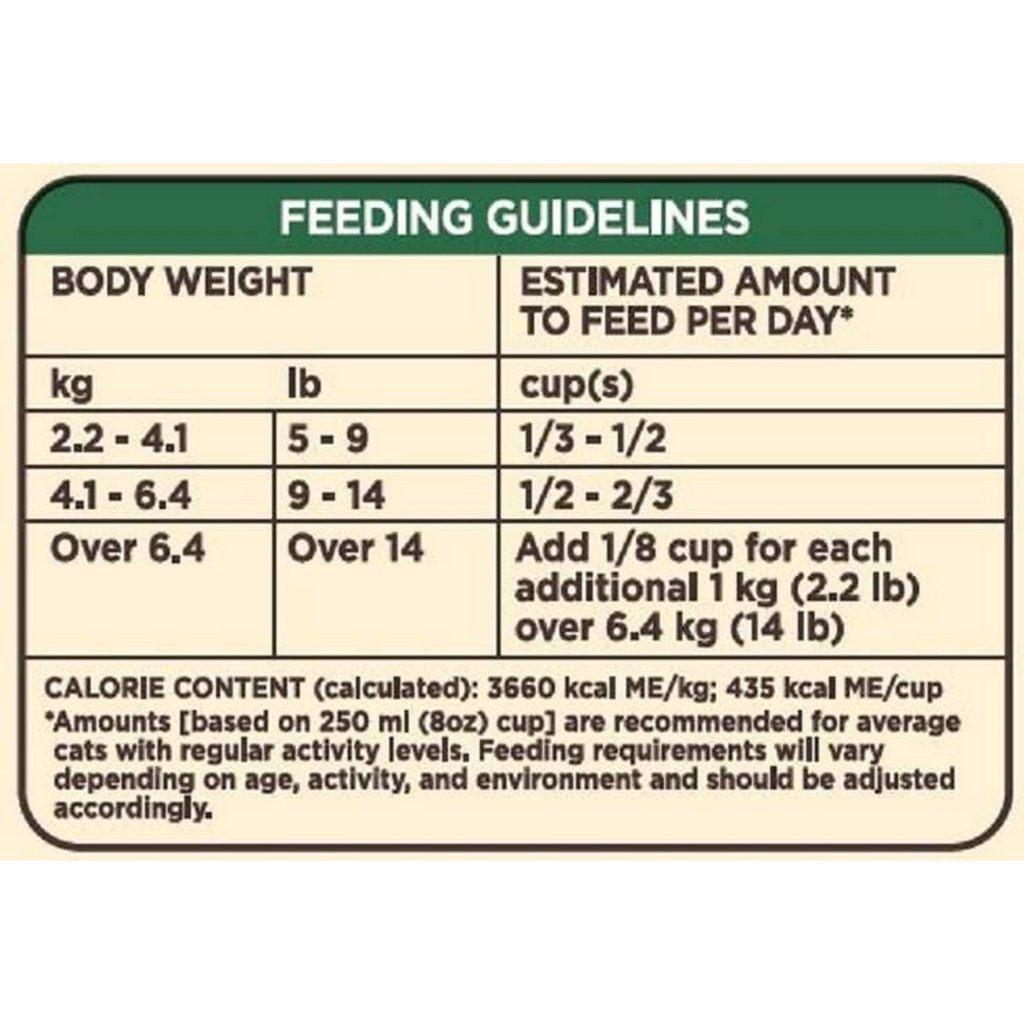
Are you confident that your cat is getting the right nutrients every day? Understanding what goes into your cat’s bowl can make a huge difference in their health and happiness.
A Cat Food Nutrition Chart is your simple guide to decoding labels and choosing the best food for your furry friend. By knowing exactly what your cat needs, you can avoid common mistakes and give them a diet that supports strong muscles, shiny fur, and endless energy.
Keep reading to discover how this chart can transform your cat’s meals and improve their well-being—because your cat deserves the best.
Key Nutrients For Cats
Understanding the key nutrients your cat needs is essential for their health and happiness. Each nutrient plays a specific role in keeping your feline friend active, strong, and thriving. Knowing what goes into your cat’s food helps you make smarter choices and spot any nutritional gaps quickly.
Proteins And Amino Acids
Cats are obligate carnivores, meaning protein is their main fuel. High-quality protein supports muscle growth, tissue repair, and energy. Essential amino acids like taurine are critical since cats cannot produce them on their own.
Without enough taurine, cats can develop serious heart and vision problems. Look for foods with named meat sources like chicken, turkey, or fish to ensure adequate protein quality. Have you checked your cat’s food label lately for these important ingredients?
Fats And Fatty Acids
Fats provide concentrated energy and help absorb vitamins. Omega-3 and omega-6 fatty acids are vital for skin health, coat shine, and reducing inflammation. They also support brain and eye development in kittens.
Too little fat can leave your cat feeling sluggish, while too much may cause weight gain. A balanced fat content around 9-15% in dry food is usually ideal. What’s the fat source in your cat’s meal—animal fat or plant oils?
Carbohydrates Role
Cats don’t need many carbs, but small amounts provide quick energy. Their digestive systems are not designed to process large quantities of grains or starches. Too many carbs can lead to obesity and digestive troubles.
Some cat foods use fillers like corn or wheat to bulk up the product cheaply. Choosing foods with minimal carbohydrates or grain-free options can help maintain your cat’s natural diet. How often do you check the carb content on your cat’s food packaging?
Vitamins And Minerals
Vitamins and minerals support everything from bone strength to immune defense. Vitamin A, D, E, calcium, and phosphorus are particularly important for cats. These nutrients must be present in balanced amounts to avoid deficiencies or toxicities.
Commercial cat foods are usually fortified, but home-cooked meals need careful planning. Have you ever wondered if your cat’s diet covers all their vitamin and mineral needs?
Credit: www.whiskas.ca
Reading Cat Food Labels
Reading cat food labels helps you choose the best diet for your pet. Labels hold important facts about nutrition and ingredients. Understanding these details ensures your cat gets balanced meals. It protects your cat’s health and supports their energy and growth.
Decoding Ingredient Lists
The ingredient list shows what is in the cat food. Ingredients are listed by weight, from most to least. The first few ingredients matter most. Look for real meat, such as chicken or fish. Avoid foods with vague terms like “meat by-products” or “animal digest.” These can mean lower-quality ingredients. Also, check for fillers like corn or wheat, which offer little nutrition.
Understanding Guaranteed Analysis
The guaranteed analysis shows nutrient amounts in the food. It includes protein, fat, fiber, and moisture percentages. Protein is key for cats, who need high amounts to stay healthy. Fat gives energy and supports skin and coat health. Fiber helps digestion. Moisture is important for hydration, especially in dry foods. Use this chart to compare different brands and types.
Recognizing Quality Indicators
Quality indicators suggest how good the cat food is. Look for statements like “complete and balanced.” This means the food meets nutrient standards. Check for AAFCO approval, which shows the food passes safety tests. Avoid products with artificial colors, flavors, or preservatives. Natural ingredients tend to be better for your cat’s health. Packaging dates also matter. Fresh food is always best.
Types Of Cat Food
Choosing the right type of food for your cat is key to keeping them healthy and happy. Cats have unique dietary needs, and the type of food you pick can affect their energy, digestion, and overall wellbeing. Understanding the benefits and drawbacks of different cat foods helps you make the best choice for your feline friend.
Dry Food Benefits And Drawbacks
Dry cat food is popular because it’s easy to store and lasts longer once opened. It helps keep your cat’s teeth clean by reducing plaque buildup through chewing.
However, dry food often contains more carbohydrates and less moisture, which can be a concern for cats prone to urinary issues. Have you noticed if your cat drinks more water on a dry food diet?
Choosing high-quality dry food with balanced nutrients can make a big difference. Look for products with real meat listed as the first ingredient and minimal fillers.
Wet Food Advantages
Wet food contains a high moisture content that supports hydration, especially for cats who don’t drink enough water. This can help prevent urinary tract problems and kidney issues.
It’s usually richer in protein and closer to what cats eat in the wild. Many cats find wet food more palatable, which can be helpful if your cat is a picky eater.
On the downside, wet food can spoil quickly once opened and may be more expensive. Do you find your cat enjoys mealtime more with wet food?
Raw And Homemade Diets
Some cat owners prefer raw or homemade diets to control exactly what their pets eat. These diets can be tailored to your cat’s specific needs and avoid artificial additives.
Raw diets can provide natural proteins and fats but require careful preparation to avoid bacterial contamination. Homemade meals need to be balanced carefully to prevent nutrient deficiencies.
Before switching, consult your vet to ensure your cat gets all essential vitamins and minerals. Have you ever tried making your own cat food, and how did your cat respond?
Credit: www.walmart.ca
Nutritional Needs By Life Stage
Cats need different nutrients at each life stage. Their bodies change as they grow, mature, and age. Proper nutrition supports healthy development and long life. Feeding cats the right food helps keep them active and happy.
Kittens’ Requirements
Kittens need high calories to fuel growth. Protein must be rich and easy to digest. Fat supports brain and eye development. Essential vitamins and minerals build strong bones and teeth.
- High protein (around 30-40%)
- Fat content around 15-20%
- Calcium and phosphorus balance
- Vitamin A and D for growth
- Frequent small meals
Adult Cats’ Diet
Adult cats need balanced nutrition to maintain health. Protein remains important but in moderate amounts. Fat provides energy without causing weight gain. Fiber helps digestion and prevents hairballs.
- Protein around 25-30%
- Fat content about 10-15%
- Controlled calorie intake
- Essential fatty acids for skin and coat
- Vitamins and minerals for immune support
Senior Cats’ Nutrition
Senior cats require fewer calories but more nutrients. Protein supports muscle mass and organ function. Lower fat helps prevent obesity. Increased antioxidants protect against cell damage.
- Protein 30% or higher, but easy to digest
- Lower fat content
- Added fiber for digestion
- Vitamins E and C as antioxidants
- Supplements for joint health
Special Dietary Considerations
Understanding your cat’s unique dietary needs is crucial for their overall health. Special dietary considerations can make a big difference in how your cat feels and thrives every day. Whether your cat needs to lose weight, avoid allergens, or manage a health condition, knowing what to feed them is key.
Weight Management
Keeping your cat at a healthy weight is more than just about cutting calories. You need to balance protein, fat, and fiber to keep your cat full and satisfied while reducing excess weight.
Try feeding smaller, more frequent meals rather than free feeding. This helps control portion size and prevents overeating.
- Choose foods with high protein and moderate fat.
- Look for ingredients that support metabolism, like L-carnitine.
- Limit treats and avoid high-calorie snacks.
Have you noticed your cat begging more often? It might be a sign they need a diet adjustment rather than just less food.
Food Allergies And Sensitivities
Food allergies can cause itchy skin, digestive issues, or ear infections in cats. Identifying the allergen is the first step to relief.
Common triggers include beef, dairy, and fish. Switching to limited ingredient or novel protein diets can help pinpoint the problem.
- Look for hypoallergenic or grain-free cat foods.
- Consider hydrolyzed protein diets prescribed by your vet.
- Observe your cat’s reaction carefully after diet changes.
Have you tried an elimination diet for your cat? It’s the most reliable way to find out what foods cause a reaction.
Health Conditions And Diet
Certain health issues require specific nutritional support to improve your cat’s quality of life.
For example, cats with kidney disease benefit from diets lower in phosphorus and protein. Diabetic cats need controlled carbohydrate intake to manage blood sugar levels.
| Health Condition | Dietary Focus | Key Nutritional Elements |
|---|---|---|
| Kidney Disease | Low protein, low phosphorus | Omega-3 fatty acids, antioxidants |
| Diabetes | Low carbohydrate | High protein, fiber |
| Urinary Issues | Increased moisture, controlled minerals | Magnesium, phosphorus regulation |
Is your cat’s food helping their health condition or could a diet change improve their wellbeing? Consult your vet but keep track of your cat’s response to any new food.
Hydration And Feeding Tips
Keeping your cat well-hydrated and properly fed is key to their overall health. Cats often don’t drink enough water on their own, which can lead to urinary or kidney problems. Pairing good hydration habits with smart feeding routines helps maintain their energy and supports their digestive system.
Importance Of Water Intake
Water is essential for every cat, especially if they eat mostly dry food. Cats naturally have a low thirst drive, so you might not notice when they’re dehydrated until it’s serious. Offering fresh water multiple times a day encourages them to drink more.
Try placing water bowls in different spots around your home. Some cats prefer running water, so a cat water fountain can make a big difference. Have you noticed your cat drinking less? It could signal a health issue worth checking with your vet.
Feeding Frequency
How often you feed your cat affects their metabolism and mood. Most adult cats do well with two meals a day, while kittens need more frequent feedings to support growth. Small, regular meals keep their blood sugar stable and prevent overeating.
Observe your cat’s behavior around feeding times. If they seem anxious or overexcited, dividing food into smaller portions throughout the day might help. Have you tried mixing wet and dry food to keep your cat interested during meals?
Portion Control
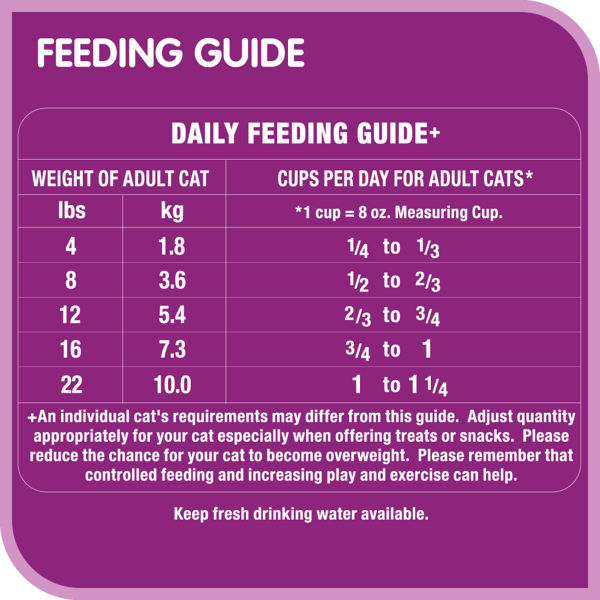
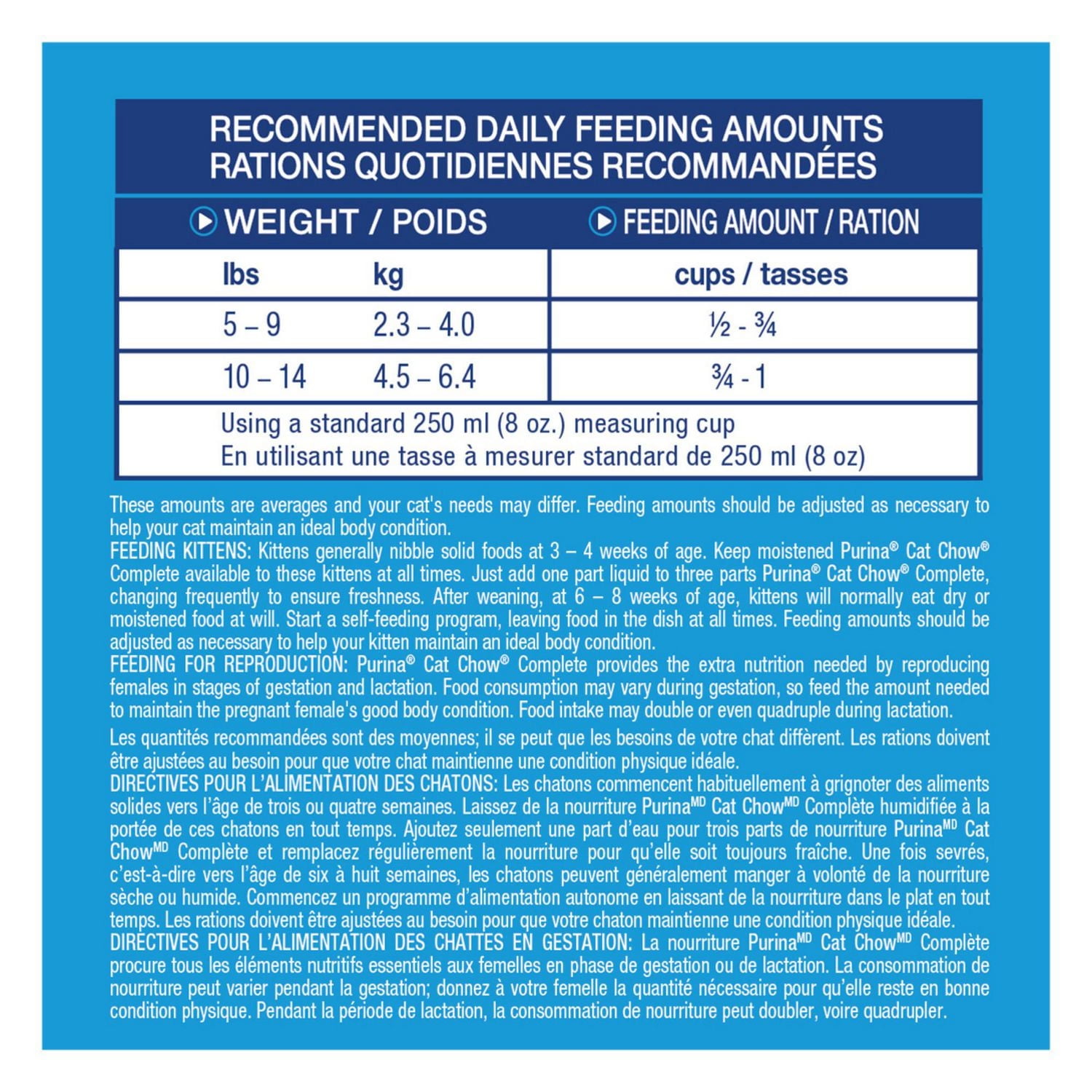
Measuring your cat’s food ensures they get the right amount of calories without gaining excess weight. Overfeeding is a common problem that can lead to obesity and related health issues. Use a kitchen scale or measuring cup to keep portions consistent.
Keep an eye on your cat’s weight and body shape. If they’re gaining or losing too much, adjust portions accordingly. What is your cat’s ideal weight? Knowing this helps you tailor their food intake precisely.

Credit: www.whiskas.ca
Frequently Asked Questions
What Are The Essential Nutrients In Cat Food?
Essential nutrients in cat food include protein, fats, vitamins, minerals, and water. Protein supports muscle health, fats provide energy, and vitamins and minerals ensure overall well-being and immune function.
How To Read A Cat Food Nutrition Chart?
A cat food nutrition chart lists nutrient percentages and ingredients. Focus on protein, fat, fiber, and moisture levels for balanced nutrition. Always check for essential vitamins and minerals.
Why Is Protein Important In Cat Food?
Protein is vital for cats as obligate carnivores. It supports muscle growth, tissue repair, and enzyme production. High-quality animal protein ensures your cat stays healthy and energetic.
How Much Fat Should Be In Cat Food?
Fat content in cat food typically ranges from 9% to 15%. Fat provides energy, supports skin and coat health, and aids vitamin absorption. Balanced fat levels keep cats active and healthy.
Conclusion
A clear cat food nutrition chart helps you choose the best meals. Cats need proteins, fats, and vitamins for good health. Reading labels becomes easier with this guide. Feeding your cat right supports energy and a shiny coat. Keep your pet happy with balanced nutrition every day.
Always check the ingredients to avoid harmful substances. Use this chart as a simple tool for better cat care. Healthy food means a healthy cat, plain and simple.
