

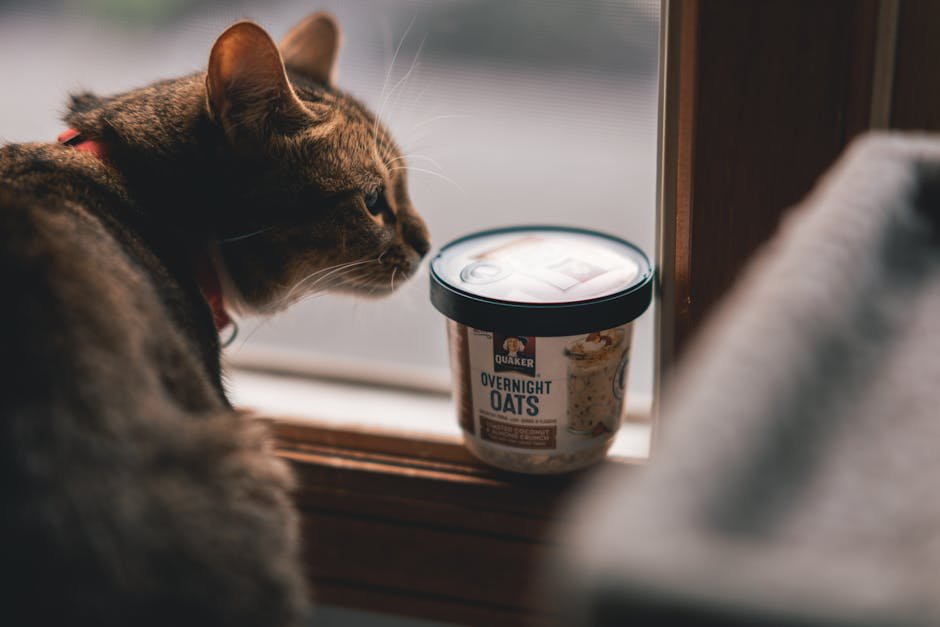
Your cat’s health starts with what’s in their bowl. Choosing the right cat food isn’t just about taste—it directly impacts your furry friend’s energy, coat, and overall happiness.
If you want to see your cat thrive and avoid common health problems, understanding cat food health is key. Keep reading to discover simple, powerful tips that will help you make the best choices for your cat’s nutrition and well-being.

Credit: www.amazon.com
Choosing Quality Cat Food
Choosing quality cat food is crucial for your feline’s health and happiness. The right diet supports energy, a shiny coat, and a strong immune system. But how do you know what makes cat food truly good?
Key Nutrients For Cats
Cats need specific nutrients to thrive. Protein is essential because cats are obligate carnivores—they rely heavily on meat. Look for foods with high-quality animal protein sources like chicken, turkey, or fish.
Other important nutrients include:
- Taurine:An amino acid vital for heart and eye health.
- Fatty acids:Omega-3 and Omega-6 support skin and coat condition.
- Vitamins and minerals:Such as Vitamin A, Vitamin E, and calcium for overall wellness.
Have you ever noticed your cat’s coat dull or their energy drop? It might be a sign their food lacks these essentials.
Wet Vs Dry Food
Deciding between wet and dry cat food can be tricky. Wet food contains more moisture, which helps keep your cat hydrated, especially if they don’t drink much water.
Dry food is convenient, often more affordable, and can help reduce plaque buildup on teeth. However, it usually has less moisture and sometimes more carbohydrates than wet food.
Many cat owners find success mixing both types to balance hydration and dental health. What’s your cat’s preference? You might find they enjoy both textures for different reasons.
Reading Cat Food Labels
Labels can be confusing, but they hold important clues about quality. The first ingredient should be a named meat source, not fillers like corn or wheat.
Check for phrases like “complete and balanced,” which means the food meets nutritional standards. Avoid vague terms such as “meat by-products” or “animal digest.”
Ingredients are listed by weight, so the first few are the most important. Don’t hesitate to research unfamiliar ingredients or ask your vet for advice.
Benefits Of Balanced Nutrition
Balanced nutrition plays a key role in a cat’s overall health. It provides all essential nutrients in the right amounts. This balance supports vital body functions and promotes well-being. Cats benefit greatly from diets that meet their specific nutritional needs. Proper nutrition helps them stay active, fight diseases, and maintain a shiny coat.
Improved Energy Levels
A balanced diet supplies the right amount of proteins, fats, and carbohydrates. These nutrients fuel your cat’s daily activities. Cats with good energy levels are more playful and alert. Proper nutrition prevents fatigue and lethargy. Energy comes from nutrients that are easy to digest and absorb.
Enhanced Immune System
Balanced nutrition strengthens your cat’s natural defenses. Vitamins and minerals like vitamin E, zinc, and selenium support immunity. A strong immune system helps fight infections and illnesses. Cats with good nutrition recover faster from sickness. This protection keeps your cat healthier for longer.
Healthy Skin And Coat
Essential fatty acids and nutrients improve skin health. A balanced diet prevents dryness, itching, and hair loss. Cats develop soft, shiny fur with proper nutrition. Healthy skin reduces the chance of infections. Feeding the right food enhances your cat’s appearance.
Special Diets For Health Conditions
Special diets play a crucial role in managing your cat’s health conditions effectively. Tailoring food to specific needs can improve quality of life and even prevent further health issues. Understanding how diet impacts various health challenges lets you make smarter choices for your feline friend.
Weight Management
Keeping your cat at a healthy weight is more than just controlling portions. Special weight management diets are designed to provide balanced nutrition while reducing calories. These foods often contain higher fiber to help your cat feel full without overeating.
If your cat struggles with weight, consider foods labeled for weight control or consult your vet for options. Have you noticed your cat begging for food more often? Sometimes, switching to a diet with slower-digesting proteins can reduce hunger signals and make mealtimes more satisfying.
Allergy-friendly Options
Food allergies in cats can cause itching, digestive upset, and discomfort. Limited ingredient diets simplify the food to just a few components, reducing the chance of allergic reactions. Novel protein sources like duck or venison can be lifesavers for cats allergic to common ingredients like chicken or beef.
Reading labels carefully is key here. Ask yourself: Is your cat showing signs of food sensitivity? Trying a hypoallergenic diet might be the answer. You can also find prescription diets specifically formulated to manage allergies.
Senior Cat Nutrition
As cats age, their nutritional needs change. Senior cat diets focus on joint support, kidney health, and maintaining muscle mass. These foods often have added antioxidants and higher-quality proteins to support aging bodies.
Have you adjusted your older cat’s diet yet? Including foods with omega-3 fatty acids can reduce inflammation and keep your cat more active. Don’t forget hydration—wet food options can help older cats who drink less water.
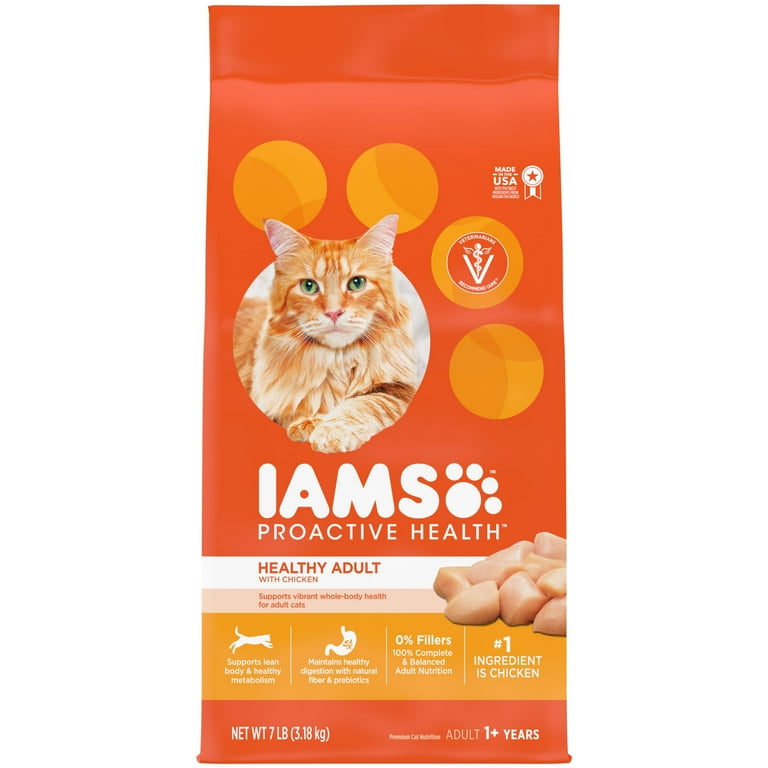
Credit: www.walmart.com
Homemade Cat Food Tips
Making homemade cat food can be a rewarding way to take control of your cat’s diet and health. You get to choose every ingredient, ensuring quality and freshness. However, it’s important to know which foods are safe and how to balance meals properly.
Safe Ingredients To Use
Lean meats like chicken, turkey, and beef are excellent protein sources for your cat. Fish such as salmon and tuna can be added occasionally but should not be the mainstay due to mercury concerns.
Vegetables like carrots, peas, and pumpkin provide fiber and vitamins. Always cook these thoroughly to make them easier for your cat to digest. You can also add small amounts of plain eggs for extra protein and nutrients.
Avoiding Harmful Foods
Some common human foods can be dangerous or toxic to cats. Avoid onions, garlic, chocolate, grapes, raisins, and anything with caffeine or alcohol.
Dairy products often upset a cat’s stomach since many cats are lactose intolerant. Also, steer clear of raw dough and bones, which can cause choking or digestive issues.
Have you ever checked the labels on your regular cat food for hidden additives? Homemade meals give you full control to skip those.
Supplementing Homemade Meals
Homemade meals often lack essential nutrients like taurine, which is vital for your cat’s heart and eye health. You can find taurine supplements at pet stores or vet clinics.
Adding fish oil can boost omega-3 fatty acids, supporting a healthy coat and joints. Calcium is another critical supplement, especially if you don’t include bones in the diet.
Ask your vet about a complete vitamin and mineral supplement designed for homemade cat diets. This ensures your cat gets balanced nutrition every day.
Hydration And Feeding Habits
Proper hydration and feeding habits are key to a cat’s health. Cats often do not drink enough water, which can lead to kidney and urinary problems. Feeding habits also affect their energy and weight. Understanding how to encourage water intake and manage feeding schedules helps keep cats healthy and happy.
Encouraging Water Intake
Cats prefer fresh, clean water. Change their water daily to keep it appealing. Some cats like running water, so try a pet water fountain. Wet cat food can increase water intake since it contains moisture. Place water bowls in quiet, easily accessible spots. Avoid placing water near food or litter boxes.
Feeding Schedules
Regular feeding times support digestion and routine. Adult cats usually eat two meals per day. Kittens need more frequent meals, about three to four times daily. Consistent schedules help control hunger and reduce begging. Avoid free feeding to prevent overeating and weight gain.
Portion Control
Measure food portions carefully to maintain ideal weight. Use feeding guidelines on cat food packages as a start. Adjust portions based on activity level, age, and health. Overfeeding can cause obesity and related health issues. Use a measuring cup or scale for accuracy.

Credit: www.amazon.com
Recognizing Nutritional Deficiencies
Recognizing nutritional deficiencies in cats is important for their overall health. Cats need balanced diets with essential vitamins and minerals. Missing key nutrients can cause health problems. Early detection helps prevent serious issues. Knowing signs and when to get help supports your cat’s well-being.
Common Signs To Watch For
- Coat becomes dull or brittle
- Excessive shedding or hair loss
- Weight loss or poor appetite
- Weakness or low energy
- Digestive troubles like vomiting or diarrhea
- Slow healing of wounds
- Changes in behavior or mood
- Swollen or painful joints
- Excessive thirst or urination
When To Consult A Vet
Contact a veterinarian if you notice any warning signs. A vet can perform tests to identify deficiencies. Early diagnosis leads to better treatment. Nutritional imbalances may need special diets or supplements. Never delay professional advice for your cat’s health. Regular check-ups also help maintain proper nutrition.
Frequently Asked Questions
What Ingredients Make Cat Food Healthy?
Healthy cat food contains high-quality protein, essential fatty acids, vitamins, and minerals. Avoid fillers like corn and soy. Look for natural preservatives and balanced nutrients to support your cat’s overall health and energy.
How Does Cat Food Affect My Cat’s Health?
Cat food directly impacts your cat’s weight, coat condition, and energy. Proper nutrition helps prevent diseases and supports immune function. Feeding the right food ensures your cat stays active and lives longer.
Can Wet Cat Food Improve Hydration?
Yes, wet cat food contains higher moisture content, helping keep cats hydrated. This is especially important for cats that don’t drink enough water. Proper hydration supports kidney health and urinary tract function.
Is Grain-free Cat Food Better For Health?
Grain-free cat food can benefit cats with allergies or sensitivities. However, it’s not always necessary for all cats. Consult your vet to determine if grain-free options suit your cat’s dietary needs.
Conclusion
Healthy cat food means a happy, energetic pet. Choosing the right diet supports strong bones and shiny fur. Cats need balanced nutrients to stay active and avoid illness. Fresh water and proper portions help maintain good health. Pay attention to your cat’s preferences and changes in appetite.
Small steps in feeding can lead to big health benefits. Trust your care to keep your cat lively and well. Good food is the foundation of a long, joyful life.
