


If you care about your cat’s well-being, you know how important it is to keep their urinary health in check. Urinary problems can cause discomfort and serious health issues for your furry friend.
But did you know that the right cat food can make a big difference? Choosing the best food for urinary health isn’t just about nutrition—it’s about helping your cat feel better every day. Keep reading to discover how the right diet can protect your cat’s urinary system and keep them happy and healthy for years to come.
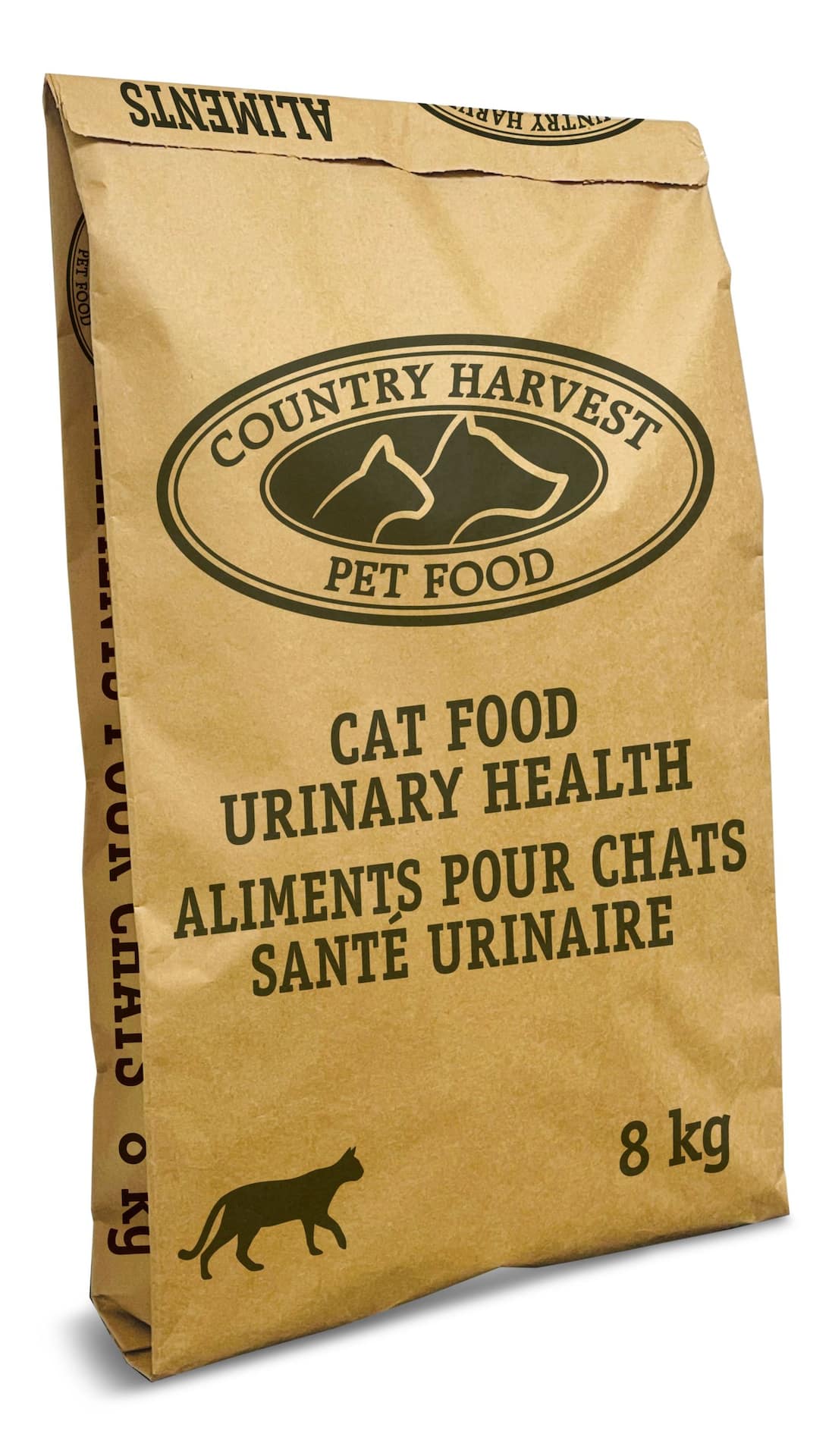
Credit: www.canadiantire.ca
Importance Of Urinary Health In Cats
Maintaining urinary health is vital for every cat’s well-being. Cats often hide signs of discomfort. Urinary problems can cause pain and serious health risks. Caring for their urinary system helps avoid costly vet visits. A balanced diet supports strong urinary health and prevents illness.
Common Urinary Issues In Cats
Cats may suffer from several urinary problems, including:
- Urinary tract infections (UTIs)
- Bladder stones or crystals
- Feline lower urinary tract disease (FLUTD)
- Blockages, especially in male cats
These issues can block urine flow and cause severe pain. Early detection is key to successful treatment.
Signs Of Urinary Problems
Watch for these signs that indicate urinary trouble:
- Frequent attempts to urinate
- Straining or crying while urinating
- Blood in the urine
- Urinating outside the litter box
- Lethargy or loss of appetite
Prompt attention to these symptoms prevents worsening conditions.
Impact On Overall Wellness
Urinary health affects a cat’s entire body. Blockages can lead to kidney damage and infections. Pain from urinary issues lowers a cat’s quality of life. Healthy urinary function supports energy levels and mood. Proper nutrition keeps the urinary tract clear and strong.
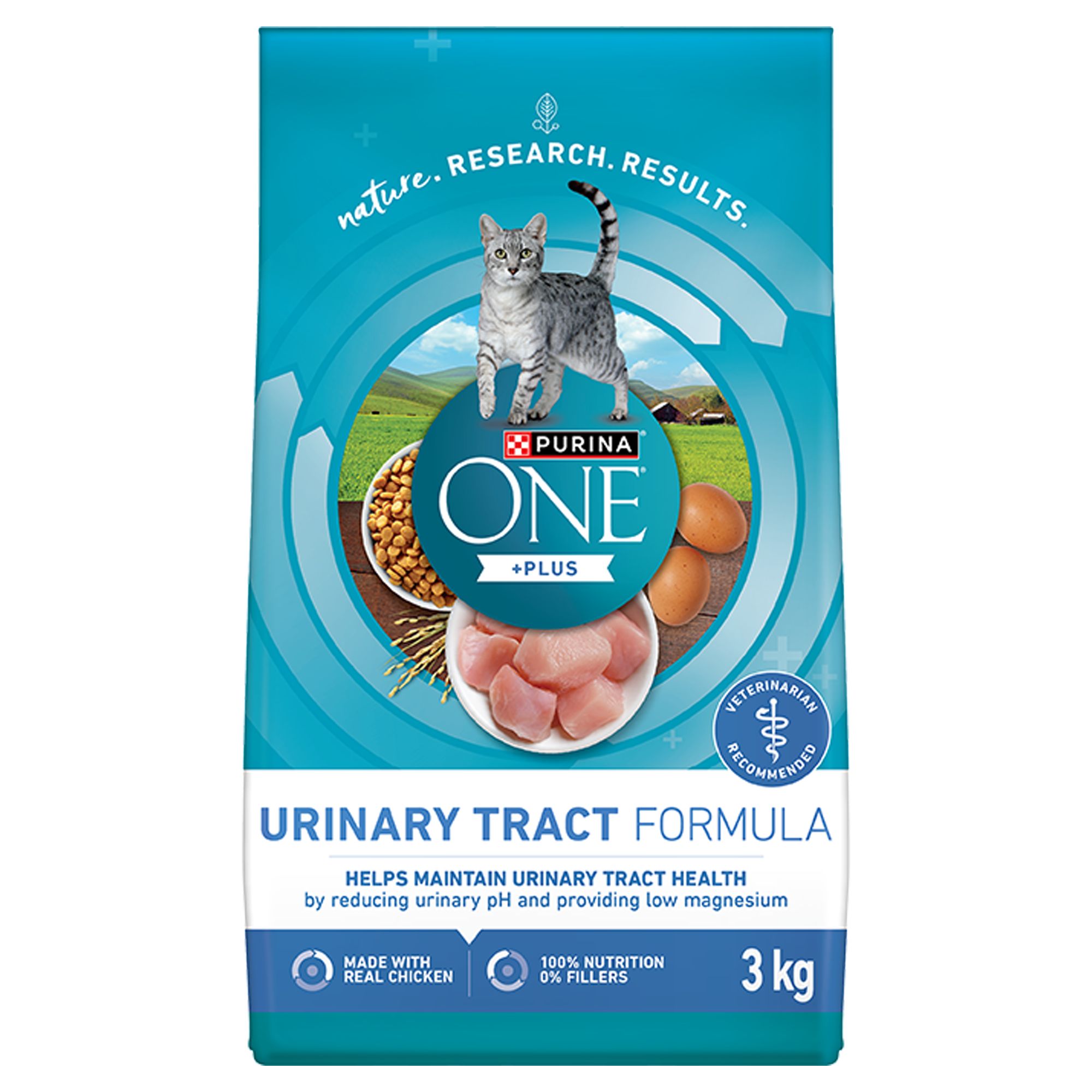
Credit: www.petsmart.ca
Key Nutrients For Urinary Health
Understanding the key nutrients for your cat’s urinary health is essential for keeping their urinary system functioning smoothly. These nutrients support bladder strength, prevent infections, and reduce the risk of urinary crystals or stones. Paying close attention to what you feed your cat can make a big difference in their overall well-being.
Role Of Moisture And Hydration
Moisture is critical for flushing out toxins and preventing urinary blockages. Cats naturally have a low thirst drive, so they may not drink enough water on their own.
Wet cat food can help increase your cat’s water intake significantly. Have you noticed how your cat prefers wet food over dry? Adding moisture supports healthy urine flow and dilutes minerals that can form crystals.
Essential Vitamins And Minerals
Specific vitamins and minerals play a direct role in urinary health. Magnesium, calcium, and phosphorus levels need to be balanced carefully to avoid crystal formation.
Vitamin E and omega-3 fatty acids help reduce inflammation in the urinary tract. Including foods rich in these nutrients supports bladder tissue and overall urinary function.
- Magnesium:Keep it low to prevent crystal buildup.
- Calcium & Phosphorus:Maintain balanced ratios.
- Vitamin E & Omega-3:Support tissue health and reduce inflammation.
Importance Of Ph Balance
The acidity or alkalinity of your cat’s urine affects crystal formation. Urine that is too alkaline or too acidic can lead to different types of urinary problems.
Ideal cat food for urinary health promotes a slightly acidic pH, usually around 6.0 to 6.5. Have you checked your cat’s urine pH recently? Adjusting their diet to maintain this balance helps prevent common urinary issues.
Types Of Cat Food For Urinary Health
Choosing the right type of cat food can significantly affect your cat’s urinary health. Different foods offer unique benefits, so understanding these options helps you make smarter choices. Let’s look at the main types of cat food designed to support your feline’s urinary system.
Wet Vs. Dry Food
Wet food contains high moisture, which helps increase your cat’s water intake naturally. This added hydration can reduce the risk of urinary crystals and stones by diluting the urine. Dry food, while convenient, usually has less moisture, so you might need to encourage your cat to drink more water alongside it.
Have you noticed your cat drinking less when eating dry food? Adding a bowl of wet food can balance their hydration and support urinary health effectively.
Prescription Diets
Prescription diets are specially formulated by veterinarians to manage urinary issues like bladder stones or infections. These diets often control minerals like magnesium and phosphorus, which can contribute to urinary problems. You’ll need a vet’s advice to choose the right prescription food tailored to your cat’s specific condition.
Remember, prescription diets are not just food but a vital part of medical treatment. Skipping this step could delay your cat’s recovery or worsen their condition.
Natural And Holistic Options
Natural and holistic cat foods focus on high-quality ingredients without artificial additives. These foods often include antioxidants, omega fatty acids, and herbs that support overall urinary tract health. They can be a great choice if you prefer feeding your cat with fewer chemicals and more natural nutrition.
Do you check ingredient labels carefully? Prioritizing foods with real meat and natural supplements can help maintain your cat’s urinary health over time.
How To Choose The Right Cat Food
Choosing the right cat food for urinary health is essential. It helps prevent common urinary issues and keeps your cat comfortable. The right diet supports a healthy urinary tract and reduces risks of stones or infections.
Understanding what to look for in cat food makes a big difference. Focus on quality ingredients and nutrients that promote urinary health. Also, consider your cat’s taste preferences to ensure they enjoy their meals.
Reading Labels Effectively
Start by checking the ingredient list. Look for high-quality proteins like chicken, turkey, or fish. Avoid foods with too many fillers like corn or soy. Check for added moisture; wet food helps keep cats hydrated.
Look for key nutrients such as:
- Controlled magnesium levels
- Proper pH balance
- Added vitamins and minerals
These help maintain a healthy urinary environment.
Consulting With Your Veterinarian
Your vet knows your cat’s health history best. They can recommend foods suited to your cat’s specific urinary needs. Share any symptoms or concerns about your cat’s urinary health. Your vet may suggest prescription diets or special formulas.
Considering Your Cat’s Preferences
Every cat has different tastes. Some prefer wet food, while others like dry kibble. Texture and flavor matter for picky eaters. Try small portions of new foods to see what your cat likes. Consistent feeding habits help maintain urinary health over time.
Additional Tips To Support Urinary Health
Maintaining your cat’s urinary health goes beyond choosing the right food. Simple habits and environment changes help keep your cat healthy and comfortable. These tips support a strong urinary system and prevent common issues.
Encouraging Water Intake
Water is key to flushing the urinary tract. Cats often drink little, which can cause problems. Try these ideas to boost water intake:
- Place multiple water bowls around the house.
- Use running water fountains to attract your cat.
- Add wet food to their diet for extra moisture.
- Offer ice cubes or broth as treats.
Regular Vet Checkups
Routine vet visits catch urinary issues early. Your vet can perform tests to check your cat’s urinary health. Discuss any changes in behavior or litter box habits. Early treatment prevents serious complications.
Environmental And Lifestyle Factors
Stress affects urinary health in cats. Keep their environment calm and safe. Provide cozy hiding spots and quiet areas. Maintain a clean litter box to encourage proper use. Playtime and exercise improve overall health and reduce stress.
Credit: www.sobeys.com
Frequently Asked Questions
What Ingredients Help Cat Food Support Urinary Health?
Cat food for urinary health includes ingredients like cranberries, vitamin E, and omega-3 fatty acids. These components help prevent urinary tract infections and maintain bladder health. Low magnesium content is also important to reduce crystal formation in the urinary tract.
How Does Urinary Health Cat Food Prevent Crystals?
Special urinary cat food controls mineral levels, especially magnesium and phosphorus. This balance helps prevent the formation of crystals and stones in the bladder. Proper hydration support in the food also helps flush the urinary tract, reducing crystal buildup risk.
Can Urinary Health Cat Food Improve A Cat’s Hydration?
Yes, urinary health cat food often contains high moisture content. Wet food options help increase water intake, supporting bladder health. Proper hydration dilutes urine, reducing the chance of crystal and stone formation in cats.
Is Prescription Cat Food Necessary For Urinary Health Issues?
Prescription cat food is recommended for cats with diagnosed urinary problems. It contains specific nutrients to dissolve crystals and reduce recurrence. Always consult a vet before switching to prescription urinary health diets for safety and effectiveness.
Conclusion
Choosing the right cat food helps keep your cat’s urinary tract healthy. It supports proper urine flow and reduces risks of infections. Cats enjoy tasty meals that also protect their health. Watch for signs of urinary problems and act early.
A healthy diet makes a big difference in your cat’s life. Simple changes in food can lead to happier, healthier cats. Remember, caring for your cat’s urinary health is caring for their happiness.
