

As your cat grows older, their needs change—especially when it comes to food. You want to give your senior cat the best nutrition to keep them healthy and happy.
But with so many options out there, how do you choose the right cat food for your aging feline? This guide will help you understand what to look for, so your beloved pet gets the care they deserve every mealtime.
Keep reading to discover simple tips that can make a big difference in your cat’s golden years.
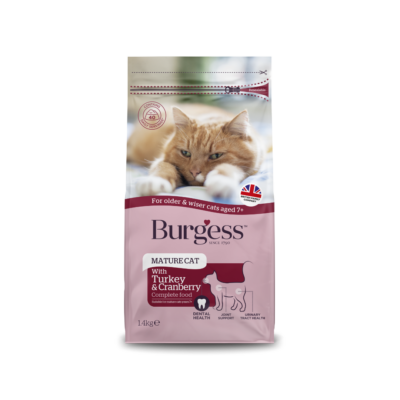
Credit: www.burgesspetcare.com
Nutritional Needs Of Senior Cats
Senior cats have special dietary needs to stay healthy and active. Their bodies change with age, affecting how they digest food and absorb nutrients. Feeding them the right diet supports their energy, weight, and overall well-being.
Understanding these nutritional needs helps in choosing the best cat food for your senior feline friend.
Protein Requirements
Older cats need high-quality protein to maintain muscle mass. Protein helps repair body tissues and supports the immune system. Protein sources should be easy to digest and rich in essential amino acids. Avoid low-quality protein that can strain their kidneys.
Essential Vitamins And Minerals
Senior cats require vitamins like A, E, and B-complex for healthy skin and coat. Minerals such as calcium and phosphorus keep bones strong. Taurine is vital for heart and eye health. Balanced vitamins and minerals prevent deficiencies and support aging organs.
Hydration Importance
Water is crucial for senior cats to avoid dehydration and kidney problems. Wet cat food can increase water intake naturally. Fresh, clean water should always be available. Proper hydration aids digestion and helps flush toxins from the body.

Credit: nulo.com
Common Health Issues In Older Cats
As your cat ages, their body changes in ways you might not expect. These changes often bring health challenges that can affect their quality of life. Understanding the common health issues in older cats helps you choose the right food to support their needs and keep them comfortable.
Kidney Disease And Diet
Kidney disease affects many senior cats and can develop slowly without obvious symptoms. A diet low in phosphorus and protein can ease the burden on their kidneys. You might notice your cat drinking more water or urinating frequently—these are signs worth discussing with your vet.
Special kidney-support diets often include added omega-3 fatty acids, which can reduce inflammation and support kidney function. Have you checked if your cat’s food labels mention these ingredients? Switching to these diets early can help manage the disease and improve your cat’s energy levels.
Weight Management Challenges
Older cats often struggle with weight changes—either gaining too much or losing weight unexpectedly. Less activity and slower metabolism can cause weight gain, while underlying illnesses might lead to weight loss. Both situations require careful attention to diet and portion control.
Choosing foods with balanced calories and added fiber can help regulate your cat’s weight. Have you tried measuring portions instead of free-feeding? Small changes in feeding habits can make a big difference in maintaining a healthy weight for your senior cat.
Dental Health And Food Choices
Dental problems are common in senior cats and can make eating painful, leading to decreased food intake. Foods designed for dental health often have specific textures that help reduce plaque buildup. You might have noticed your cat avoiding dry food or dropping food while eating—these can be signs of dental discomfort.
Wet food can be easier to eat and may encourage your cat to maintain a healthy diet despite dental issues. Have you considered adding dental treats or toys to your cat’s routine? Supporting oral health through diet can improve their overall wellbeing and appetite.
Types Of Senior Cat Food
Choosing the right type of food for your senior cat can make a big difference in their health and happiness. Senior cats have unique nutritional needs that differ from younger cats. Understanding the different types of senior cat food helps you make better choices for their diet and well-being.
Wet Vs Dry Food Benefits
Wet food contains more moisture, which helps keep older cats hydrated, especially if they don’t drink much water. It’s often easier to chew, making it a good option for cats with dental issues. On the other hand, dry food is convenient, has a longer shelf life, and can help reduce tartar buildup on teeth.
Many cat owners find mixing both types works well. You can offer wet food at mealtime and leave dry food out during the day. Have you noticed your cat’s preference between the two? Paying attention to their choice can guide what suits them best.
Specialized Prescription Diets
Some senior cats need prescription diets tailored to specific health issues like kidney disease, diabetes, or arthritis. These diets contain nutrients that support their condition and can improve quality of life. Your vet will recommend the right prescription food based on your cat’s medical needs.
Specialized diets often include controlled protein, reduced phosphorus, or added supplements like omega-3 fatty acids. If your cat has health problems, this food isn’t just a choice—it’s a necessary part of their care. Have you discussed these options with your vet yet?
Homemade Meal Options
Preparing homemade meals lets you control exactly what your senior cat eats. You can add fresh ingredients that cater to their tastes and nutritional needs. Many cat owners find this rewarding but understand it requires careful planning to avoid missing essential nutrients.
Simple homemade meals might include cooked chicken, pumpkin, or rice, but always check with your vet to ensure balance. Supplements like taurine are critical for cats and often missing in homemade diets. Would you consider making meals at home, knowing it means extra time but potentially better health for your cat?
Choosing The Right Food For Your Senior Cat
Choosing the right food for your senior cat plays a vital role in keeping them healthy and active. Older cats have different nutritional needs than younger ones. Their metabolism slows down, and they may face health challenges. Selecting food that meets these needs can improve their quality of life. Focus on balanced nutrition, easy digestion, and ingredients that support aging bodies.
Reading Labels And Ingredients
Check the label carefully. Look for high-quality protein sources like chicken or fish. Avoid foods with too many fillers, such as corn or wheat. Ingredients like antioxidants, vitamins, and minerals support your cat’s immune system. Fiber helps with digestion and prevents constipation. Avoid artificial colors, flavors, and preservatives. Choose foods formulated specifically for senior cats.
Consulting With A Veterinarian
Your vet knows your cat’s health history. Ask for recommendations on the best diet. They can suggest foods to manage specific health issues. Kidney problems, arthritis, and weight gain need special diets. Your vet may also advise on supplements or feeding schedules. Regular check-ups help adjust the diet as your cat ages.
Transitioning Diets Smoothly
Switch your cat’s food gradually to avoid stomach upset. Mix the new food with the old over 7 to 10 days. Increase the new food amount slowly each day. Watch for changes in appetite, stool, or behavior. Keep fresh water available at all times. A slow transition helps your cat accept the new food comfortably.
Tips For Encouraging Eating In Senior Cats
Encouraging senior cats to eat well is crucial for their health and comfort. Older cats often face changes in appetite and taste preferences. Understanding their needs helps keep them nourished and happy. Small adjustments can make a big difference in their eating habits.
Enhancing Food Appeal
Warm the food slightly to release aromas. Cats love smells that remind them of fresh meals. Mix wet and dry food for better texture. Add a bit of warm water or broth for moisture. Present food in a shallow dish for easy access. Change flavors occasionally to keep interest high.
Feeding Frequency And Portions
Offer smaller meals more often throughout the day. Senior cats digest food slower and may prefer this. Keep portions consistent to avoid overeating or waste. Monitor your cat’s weight to adjust food amounts. Use scheduled feeding times to build a routine. Avoid free-feeding to encourage proper eating habits.
Monitoring Appetite And Health
Track changes in eating patterns daily. Loss of appetite can signal health issues. Check for dental problems that make eating painful. Visit the vet if your cat refuses food for more than a day. Monitor energy levels and weight regularly. Early detection of problems ensures timely care and treatment.
Credit: www.businessinsider.com
Frequently Asked Questions
What Is The Best Cat Food For Senior Cats?
The best cat food for senior cats is high in protein and low in fat. It supports joint health and includes essential nutrients for aging cats. Look for formulas with added vitamins and antioxidants to boost immunity and maintain vitality.
How Does Senior Cat Food Differ From Regular Cat Food?
Senior cat food contains fewer calories and more fiber to aid digestion. It also has joint-supporting ingredients like glucosamine. The protein is easily digestible, helping older cats maintain muscle mass. These adjustments cater to senior cats’ slower metabolism and health needs.
When Should I Switch To Senior Cat Food?
Switch to senior cat food when your cat reaches 7-10 years old. This age range marks the beginning of their senior phase. Early transition helps address aging concerns such as weight management and joint care, promoting a healthier and happier senior life.
Can Senior Cats Eat Wet Or Dry Food Better?
Both wet and dry foods have benefits for senior cats. Wet food offers hydration and is easier to chew. Dry food helps keep teeth clean. A combination can provide balanced nutrition and address specific health or dental needs.
Conclusion
Choosing the right food helps your senior cat stay healthy. Good nutrition supports their energy and keeps them comfortable. Always check for ingredients that suit their age and needs. Feeding them well shows how much you care. Watch their health and adjust food as needed.
A happy senior cat enjoys every meal and day. Keep their diet simple, balanced, and full of love.
