

If you have a Russian Blue at home, you know how special your cat is. Their shiny blue-gray coat and playful nature make them truly unique.
But have you ever wondered what the best cat food for Russian Blue is? Choosing the right food can keep your furry friend healthy, energetic, and happy. You’ll discover exactly what nutrients your Russian Blue needs and how to pick the perfect meal.
Keep reading to find out how to give your cat the nutrition they deserve.
Diet Needs Of Russian Blue
The diet needs of your Russian Blue cat are unique and deserve your full attention. This breed thrives on a well-rounded diet that supports its lean muscle tone and maintains its shiny coat. Understanding what to feed can make a big difference in your cat’s overall health and happiness.
Key Nutrients For Health
Russian Blues require a mix of essential nutrients to stay healthy. These include vitamins like A and E, minerals such as calcium and phosphorus, and antioxidants to support their immune system.
Don’t forget about taurine, an amino acid crucial for heart and eye health, which your cat can’t produce enough of on its own. Ensuring these nutrients are part of their daily meals helps keep your cat energetic and vibrant.
Protein Requirements
Protein is the cornerstone of a Russian Blue’s diet. These cats have a high metabolism and need quality animal-based proteins to maintain their muscle mass.
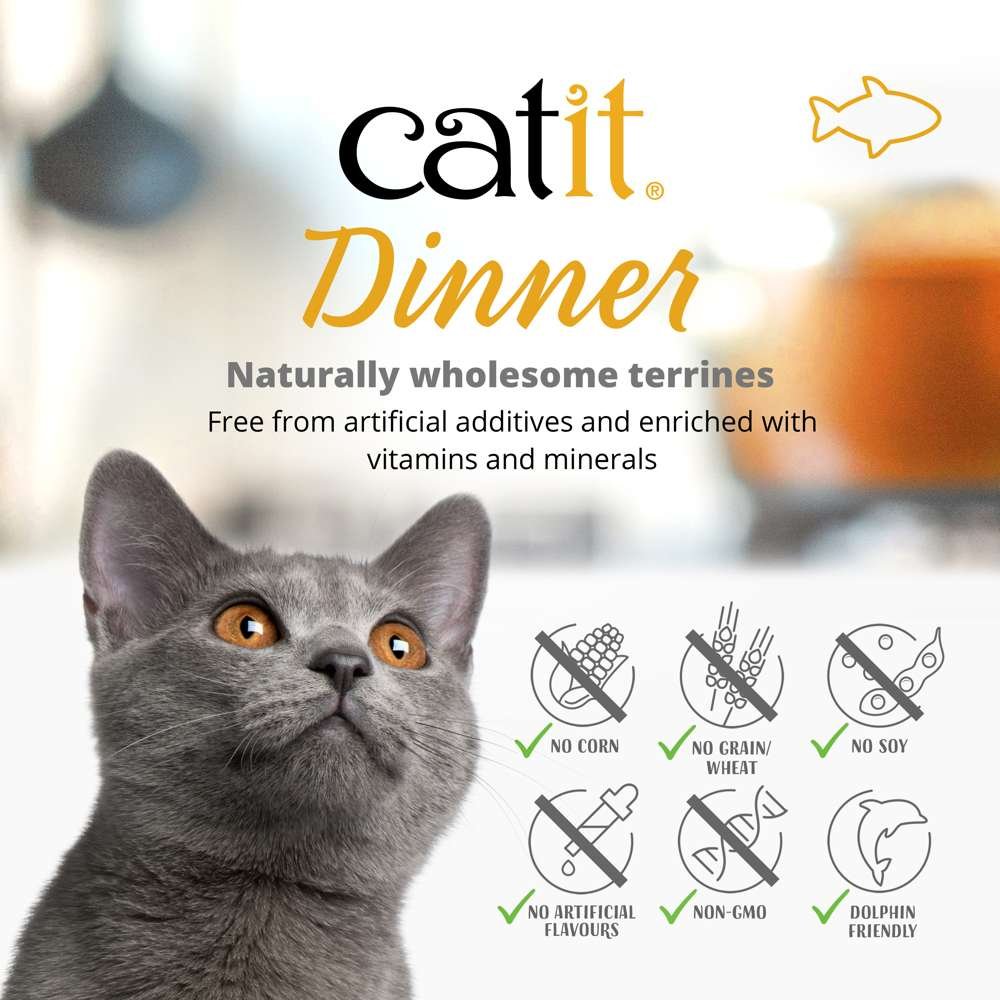
Look for cat food with chicken, turkey, or fish listed as the first ingredient. Avoid fillers like corn or soy, which don’t provide the necessary building blocks for your cat’s body.
Balancing Fats And Carbs
Fats provide energy and keep your Russian Blue’s coat soft and shiny. Omega-3 and Omega-6 fatty acids are especially beneficial for their skin and fur.
Carbohydrates should be limited, as too many can lead to weight gain. Instead, focus on foods with moderate fat content and low carbs to keep your cat lean and active.
Credit: www.walmart.ca
Choosing The Right Cat Food
Choosing the right cat food is essential for the health of your Russian Blue. This breed needs balanced nutrition to support their lean muscles and shiny coat. A good diet can improve their energy and keep them happy. Understanding food types and ingredients helps you make smart choices for your pet’s needs.
Wet Vs Dry Food
Wet food contains more moisture, which helps keep cats hydrated. It often has a stronger smell and flavor, appealing to picky eaters. Dry food is convenient, easy to store, and can help reduce dental plaque. Both types have benefits, and many owners use a mix of wet and dry food for variety and balance.
Grain-free Options
Grain-free cat food avoids wheat, corn, and soy. Some cats may have allergies or sensitivities to grains. Grain-free diets focus on protein sources like chicken, fish, or beef. These diets can support digestion and reduce skin problems. Choose grain-free if your Russian Blue shows signs of intolerance or if recommended by a vet.
Popular Brands For Russian Blue
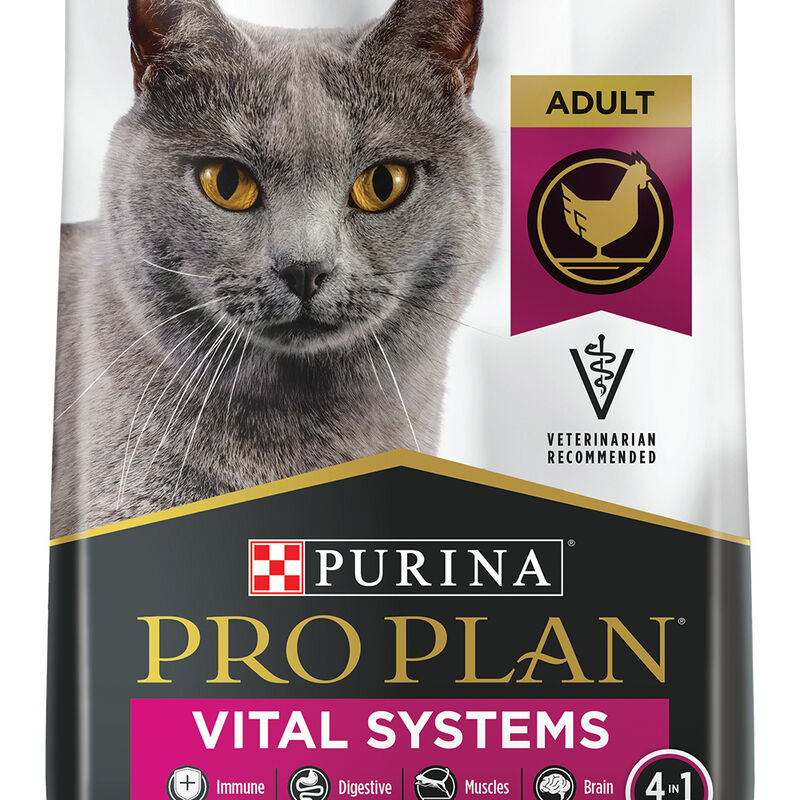
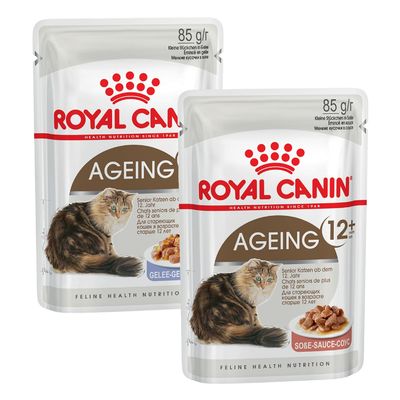
- Royal Canin – Special formulas for breed-specific needs.
- Blue Buffalo – Natural ingredients with no artificial additives.
- Hill’s Science Diet – Vet-recommended for balanced nutrition.
- Wellness – High protein with grain-free options.
- Nutro – Focus on clean, simple ingredients.
These brands offer high-quality food that supports the unique needs of Russian Blues. Always check labels for protein content and ingredient quality.
Homemade Meals And Supplements
Homemade meals for Russian Blue cats offer control over ingredients and freshness. Preparing food at home helps meet their unique dietary needs. Supplements support their health and boost nutrition naturally.
Safe Ingredients To Include
- Lean meats like chicken, turkey, and rabbit
- Cooked eggs for protein and vitamins
- Small amounts of cooked fish such as salmon or tuna
- Vegetables like pumpkin, carrots, and peas in moderation
- Rice or oatmeal as gentle carbohydrate sources
- Fresh water added to keep meals moist
Avoiding Harmful Foods
- Onions and garlic can cause blood problems
- Raw fish and meat risk parasites and bacteria
- Dairy products often upset cat digestion
- Chocolate and caffeine are toxic to cats
- Grapes, raisins, and nuts may cause kidney issues
- Excess salt and artificial additives should be skipped
Essential Supplements
- Taurine supports heart and eye health
- Omega-3 fatty acids promote shiny fur and skin
- Calcium balances bone and teeth strength
- Vitamin E aids immune function
- Probiotics help digestion and gut health
- Always consult a vet before adding supplements
Credit: www.renspets.com
Feeding Schedule And Portion Control
Keeping your Russian Blue’s feeding schedule and portion control on point is essential for its health and happiness. This breed is known for its lean, muscular frame and active nature, so it’s important to provide the right amount of food at the right times. Getting this balance right can prevent overeating and help maintain their sleek physique.
Meal Frequency
Most Russian Blues do well with two to three meals a day. Feeding smaller portions more frequently can help regulate their metabolism and keep their energy steady throughout the day. If your cat tends to get hungry between meals, try splitting their daily food allowance into three portions instead of two.
Have you noticed your cat begging for food late at night? Offering a small meal before bedtime can reduce those cravings and improve their sleep quality.
Adjusting Portions By Age
Kittens need more calories and nutrients than adults because they’re growing fast. You should feed them more often and increase the portion size accordingly. Adult Russian Blues require less food, so it’s crucial to adjust portions to avoid weight gain.
Senior cats often slow down and may need smaller portions to match their reduced activity. Watch your cat’s weight and energy levels closely to fine-tune their portions over time. A sudden change in appetite could signal a health issue, so don’t hesitate to consult your vet.
Managing Weight And Activity
Activity level directly affects how much your Russian Blue should eat. If your cat is very playful or spends time outdoors, it might need more calories. Conversely, indoor cats with a sedentary lifestyle will need fewer calories to prevent weight gain.
Try tracking your cat’s daily activity alongside their feeding schedule. If you see weight creeping up, cut back on treats and slightly reduce meal portions. Have you tried interactive toys or puzzle feeders? They can boost activity and help manage your cat’s weight naturally.
Common Dietary Issues
Feeding your Russian Blue the right food is more than just picking a tasty option. Some common dietary issues can affect their health and happiness. Knowing what to watch for can save you from unnecessary vet visits and help your cat feel its best every day.
Food Allergies And Sensitivities
Food allergies in Russian Blues often show up as itchy skin, excessive grooming, or even ear infections. You might notice your cat scratching more than usual or developing red patches. Common allergens include beef, dairy, and fish, so it’s smart to try limited-ingredient diets if you suspect allergies.
Have you ever changed your cat’s food only to see these symptoms? Keeping a food diary can help pinpoint the problem ingredient. You can also ask your vet about allergy tests to get to the root of the issue.
Digestive Problems
Digestive issues like vomiting, diarrhea, or constipation can signal that your Russian Blue’s diet isn’t agreeing with them. Sometimes, it’s a matter of too much fat or unfamiliar protein sources. Switching to easily digestible foods with balanced fiber often makes a big difference.
Think about the last time your cat had an upset stomach. Did you change their food recently? Gradual changes in diet can prevent shocks to their digestive system, keeping their tummy calm and comfortable.
Signs Of Nutritional Deficiencies
Watch for dull coats, low energy, or weight loss—these can be signs your Russian Blue isn’t getting enough vitamins or minerals. Cats need a diet rich in taurine, omega-3 fatty acids, and essential nutrients to thrive. Missing these can affect their heart, skin, and overall vitality.
If your cat’s food lacks variety or relies too much on fillers, you might see these signs. Have you checked the ingredient list carefully? Choosing high-quality cat food formulated for your breed’s needs will help your cat stay vibrant and healthy.
Hydration Tips For Russian Blue
Keeping your Russian Blue well hydrated is key to its health and happiness. These cats can be prone to urinary issues, so water intake plays a vital role in preventing problems. Understanding how to encourage drinking habits and use food to boost hydration helps maintain their well-being.
Importance Of Water Intake
Water supports every organ and system in your cat’s body. It helps flush toxins and keeps the kidneys working well. Russian Blues often have low thirst signals, making regular water intake essential. Dehydration can cause serious health problems quickly.
Providing fresh water every day is a must. Clean bowls encourage your cat to drink more often. Observe your Russian Blue’s drinking habits to catch any changes early.
Encouraging Drinking Habits
Some cats prefer running water. A cat water fountain can attract their interest. Place water bowls in quiet, accessible spots around your home.
Use multiple bowls to increase drinking opportunities. Try different bowl materials like ceramic or stainless steel. Keep water bowls away from food dishes. Cats often dislike their water near their food.
Using Wet Food To Boost Hydration
Wet food contains high moisture, which aids hydration. Feeding wet food regularly helps your cat get water through meals. It also adds variety to their diet and can improve appetite.
- Choose high-quality wet food with natural ingredients.
- Serve meals at room temperature for better taste.
- Mix wet and dry food to balance texture and hydration.
Wet food supports hydration gently and naturally. It is especially useful for cats that drink less water.
Credit: www.zooplus.co.uk
Frequently Asked Questions
What Is The Best Cat Food For Russian Blue Cats?
High-protein, grain-free cat food with balanced nutrients suits Russian Blue cats best. They need quality animal-based proteins to maintain muscle tone and shiny coats. Avoid fillers like corn or soy to reduce allergies and digestive issues.
How Often Should I Feed My Russian Blue Cat?
Feed adult Russian Blue cats twice a day with measured portions. Kittens require 3-4 small meals daily to support growth. Regular feeding schedules help maintain ideal weight and prevent overeating.
Are Wet Or Dry Foods Better For Russian Blue Cats?
Both wet and dry foods have benefits for Russian Blue cats. Wet food provides hydration and is easier to digest. Dry food helps maintain dental health. A mix of both is often ideal for balanced nutrition.
Do Russian Blue Cats Have Special Dietary Needs?
Yes, Russian Blue cats need high-protein, low-carb diets with essential fatty acids. They are prone to obesity, so controlled portions and low-calorie food are important. Supplements like omega-3 support their skin and coat health.
Conclusion
Choosing the right food keeps your Russian Blue healthy and happy. Quality ingredients help support their shiny coat and strong muscles. Balanced nutrition meets their energy needs and prevents health problems. Feeding them regularly with proper portions avoids overeating and weight gain.
Remember, each cat is unique and may have special needs. Watch their reactions to new foods closely. A good diet helps your cat live a long, joyful life. Simple care and smart choices make all the difference.
