

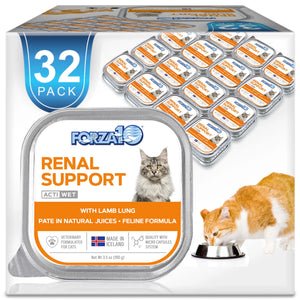
If your cat has been diagnosed with renal failure, you’re probably feeling overwhelmed and unsure about what to feed them. Choosing the right food is one of the most important steps you can take to support your cat’s health and comfort.
But with so many options and conflicting advice, it’s hard to know where to start. This guide will help you understand exactly what your cat needs and how to pick the best cat food for renal failure. Keep reading to learn how to make the best choices for your furry friend’s well-being.
Understanding Renal Failure In Cats
Renal failure in cats is a serious condition that affects their kidneys’ ability to function properly. Understanding what happens during renal failure can help you make better choices for your cat’s diet and overall care. This knowledge is essential for managing your cat’s health and improving their quality of life.
What Is Renal Failure In Cats?
Renal failure means the kidneys can no longer filter waste products efficiently from the blood. This leads to a buildup of toxins that can harm your cat’s body. There are two types: acute, which happens suddenly, and chronic, which develops slowly over time.
Signs And Symptoms To Watch For
Early symptoms can be subtle, making it easy to miss the problem. Your cat might drink and urinate more than usual or lose weight without a clear reason. Vomiting, lethargy, and poor appetite are common signs that should prompt a vet visit.
How Kidneys Affect Your Cat’s Health
Kidneys balance fluids, filter waste, and regulate important minerals. When they fail, these processes break down, causing imbalances that affect many organs. You might notice your cat becoming weak or developing bad breath due to toxin buildup.
The Role Of Diet In Managing Renal Failure
Feeding the right food can slow down kidney damage and ease symptoms. Foods low in protein and phosphorus but rich in omega-3 fatty acids often help. Have you considered how your cat’s food might support their kidney health?
Key Nutritional Needs For Kidney Health
Supporting your cat’s kidney health through the right nutrition can make a noticeable difference in their quality of life. Understanding the key nutritional needs helps you choose foods that ease the burden on their kidneys and keep them feeling better. Let’s break down the main dietary elements that play a vital role in managing renal failure.
Low Protein Diet
Feeding your cat a low protein diet helps reduce the workload on their kidneys. High protein can create waste products that damaged kidneys struggle to filter. You don’t want to eliminate protein entirely, though—cats still need enough to maintain muscle and overall health.
Look for foods labeled specifically for kidney support. These usually contain proteins that are easier to digest and of higher quality. Have you noticed your cat’s energy drop after certain meals? Adjusting protein levels might be the key.
Reduced Phosphorus Levels
Phosphorus is another mineral that can build up dangerously in cats with kidney problems. Too much phosphorus speeds up kidney damage and can cause other health issues. Choosing cat food with reduced phosphorus helps slow down this progression.
Always check the ingredient list or product details for phosphorus content. Some kidney diets even add phosphorus binders to help control absorption. Are you paying attention to the mineral content on your cat food labels?
Adequate Hydration
Keeping your cat well-hydrated is crucial when managing renal failure. Water helps flush toxins that kidneys cannot filter effectively. Wet cat food is a great way to increase fluid intake, especially if your cat isn’t a big drinker.
Offering fresh water throughout the day and considering water fountains can encourage more drinking. Have you tried mixing water into dry food or offering broth? Small changes like these can improve hydration dramatically.
Commercial Cat Food Options
Choosing the right commercial cat food for renal failure can feel overwhelming. You want to support your cat’s health without sacrificing taste or nutrition. Luckily, there are several products designed specifically to help manage kidney disease, making it easier to provide your furry friend with the right diet.
Prescription Diets
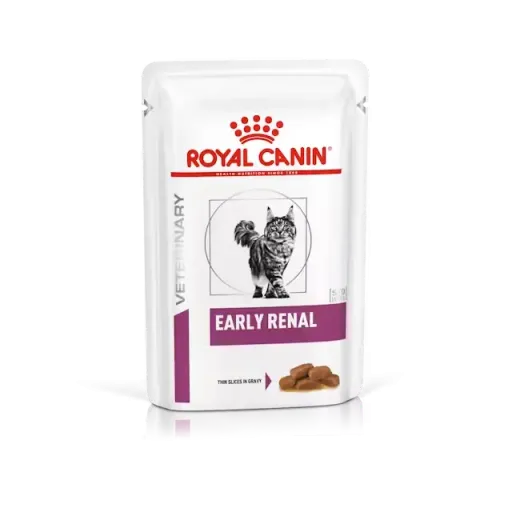
Prescription diets are formulated by veterinary nutritionists to meet the unique needs of cats with kidney issues. These foods usually have controlled protein levels, reduced phosphorus, and added omega-3 fatty acids to support kidney function.
Brands like Hill’s Prescription Diet k/d, Royal Canin Renal Support, and Purina Pro Plan Veterinary Diets NF are common choices. Many cat owners notice an improvement in their pet’s energy and appetite after switching to these diets.
Have you discussed prescription options with your vet yet? It’s important because these foods are often only available through veterinary clinics or with a prescription. This ensures your cat’s diet is closely monitored and tailored for their condition.
Over-the-counter Alternatives
If prescription diets aren’t an option, some over-the-counter (OTC) cat foods can help manage renal health. These products may not be as precisely balanced but can still offer lower protein and phosphorus compared to regular cat food.
Look for labels that mention kidney support or reduced phosphorus levels. Brands such as Blue Buffalo Natural Veterinary Diet KS Kidney Support and Nutro Natural Choice Low Protein formulas are worth considering.
Keep in mind that OTC options won’t replace the need for veterinary guidance. You should watch your cat’s response closely and adjust feeding as recommended by your vet. What changes have you observed in your cat’s health after trying different foods?

Credit: www.canadianpetconnection.ca
Homemade Diet Considerations
Feeding a cat with renal failure requires extra care, especially with homemade diets. These diets must meet specific health needs. Cats with kidney issues need food that supports their condition without causing harm. Preparing meals at home offers control over ingredients but also demands caution.
Homemade diets can help manage symptoms and improve quality of life. Still, nutrient balance and medical advice are crucial for safety and effectiveness.
Balancing Nutrients
Kidney health needs strict control of protein, phosphorus, and sodium levels. Excess protein strains kidneys, while low protein helps reduce waste build-up. Phosphorus should be limited to slow kidney damage. Sodium must stay low to prevent high blood pressure.
Essential fatty acids support overall health and reduce inflammation. Vitamins and minerals must be carefully added to avoid deficiencies. Homemade meals need a mix of these nutrients to keep cats healthy.
- Use lean protein sources like chicken or fish.
- Include vegetables low in phosphorus, such as green beans.
- Avoid high-phosphorus ingredients like dairy and certain meats.
- Incorporate omega-3 supplements for kidney support.
- Monitor calorie intake to maintain healthy weight.
Consultation With A Veterinarian
Veterinary guidance is essential before starting a homemade diet. A vet can assess the cat’s kidney stage and recommend specific nutrient levels. Regular check-ups track progress and adjust the diet as needed. Blood tests help monitor kidney function and nutrient balance.
Vets may suggest working with a pet nutritionist. These experts design diets that meet medical and nutritional needs. Avoid guessing or experimenting alone, as improper diets can worsen kidney damage. Professional advice ensures the diet supports health without risks.
Supplements For Kidney Support
Supporting your cat’s kidneys with the right supplements can make a real difference. These supplements work alongside a specialized diet to help manage renal failure symptoms and improve quality of life. Let’s look closely at two key types that often show promising results.
Omega-3 Fatty Acids
Omega-3 fatty acids are known to reduce inflammation in the kidneys. They come mainly from fish oil and can slow down kidney damage in cats with renal failure.
Adding Omega-3s to your cat’s diet might help maintain better kidney function for longer. It’s worth asking your vet about safe dosages and whether your cat’s food already includes these beneficial fats.
Antioxidants
Antioxidants protect cells from damage caused by harmful molecules called free radicals. In cats with kidney issues, antioxidants can help reduce oxidative stress on the kidneys.
Common antioxidants include vitamins E and C, as well as compounds like selenium. These can be found in certain supplements or specially formulated renal diets.
Have you noticed your cat’s energy levels or appetite changing? Sometimes, adding antioxidants can support overall health and vitality during kidney challenges.

Credit: pdsapetstore.org.uk
Monitoring Cat Health
Monitoring your cat’s health closely is vital when managing renal failure. Keeping track of changes helps you and your vet adjust care and diet effectively. It also ensures your cat stays as comfortable as possible through the ups and downs of this condition.
Regular Veterinary Check-ups
Schedule veterinary visits consistently, even if your cat seems stable. These check-ups allow the vet to run blood tests and urine analysis that reveal how well the kidneys are functioning. Early detection of any changes can prevent complications and help tailor your cat’s food and treatment plan.
During visits, discuss any new behaviors or symptoms you’ve noticed. Sometimes subtle signs like less grooming or a slight change in appetite can signal a shift in health. Your vet’s expertise combined with your observations creates the best chance for timely intervention.
Signs Of Improvement Or Deterioration
Watch for signs that your cat’s condition is improving or worsening. Improvement might include increased energy, better appetite, and more consistent hydration. On the other hand, if you see increased vomiting, weight loss, or lethargy, these could indicate deterioration.
Keep a simple daily journal of your cat’s behavior, food intake, and litter box habits. This record helps you notice patterns and provides valuable information during vet visits. Have you noticed any small changes that might seem unimportant but could actually signal progress or concern?
Tips For Encouraging Eating
Encouraging a cat with renal failure to eat can be a challenge. Appetite often drops due to illness or medication side effects. Small changes can make a big difference. Patience and creativity help maintain proper nutrition and comfort for your cat.
Flavor Enhancements
Enhance the taste of your cat’s food to make it more appealing. Warm the food slightly to release aroma. Use warm water or low-sodium broth to moisten dry food. Add a small amount of tuna juice or baby food without onion or garlic. Try mixing in a bit of wet food with dry kibble for variety. Avoid strong spices or ingredients harmful to cats.
Feeding Techniques
Offer food in a quiet, comfortable space. Use shallow bowls to make eating easier. Feed smaller, frequent meals instead of one large portion. Hand-feed your cat to encourage eating and bonding. Keep feeding times consistent to build routine. Monitor your cat’s eating habits closely and adjust as needed.
Credit: ca.miscota.com
Frequently Asked Questions
What Is The Best Cat Food For Renal Failure?
The best cat food for renal failure is low in protein and phosphorus. It supports kidney function and reduces toxin buildup. Prescription diets from veterinarians are ideal for managing this condition effectively.
How Does Renal Failure Affect A Cat’s Diet?
Renal failure limits kidney function, requiring a special diet. Cats need reduced protein and phosphorus to lessen kidney stress. Proper nutrition helps slow disease progression and improves quality of life.
Can Homemade Food Help Cats With Renal Failure?
Homemade food can help but must be balanced carefully. It should be low in protein and phosphorus, with veterinarian guidance. Nutritional balance is crucial to avoid worsening kidney damage.
Why Is Low Phosphorus Important In Renal Failure Cat Food?
Low phosphorus reduces kidney workload and slows disease progression. High phosphorus levels worsen kidney damage and increase toxin buildup. Managing phosphorus is key for cats with renal failure.
Conclusion
Choosing the right cat food supports kidney health well. Low protein and phosphorus help ease kidney strain. Balanced nutrients keep your cat strong and active. Always check labels and consult your vet first. Feeding with care gives your cat a better life.
Small changes make a big difference over time. Trust your instincts and watch your cat thrive. Renal-friendly food is key to managing kidney problems. Keep your cat comfortable and happy every day.
