

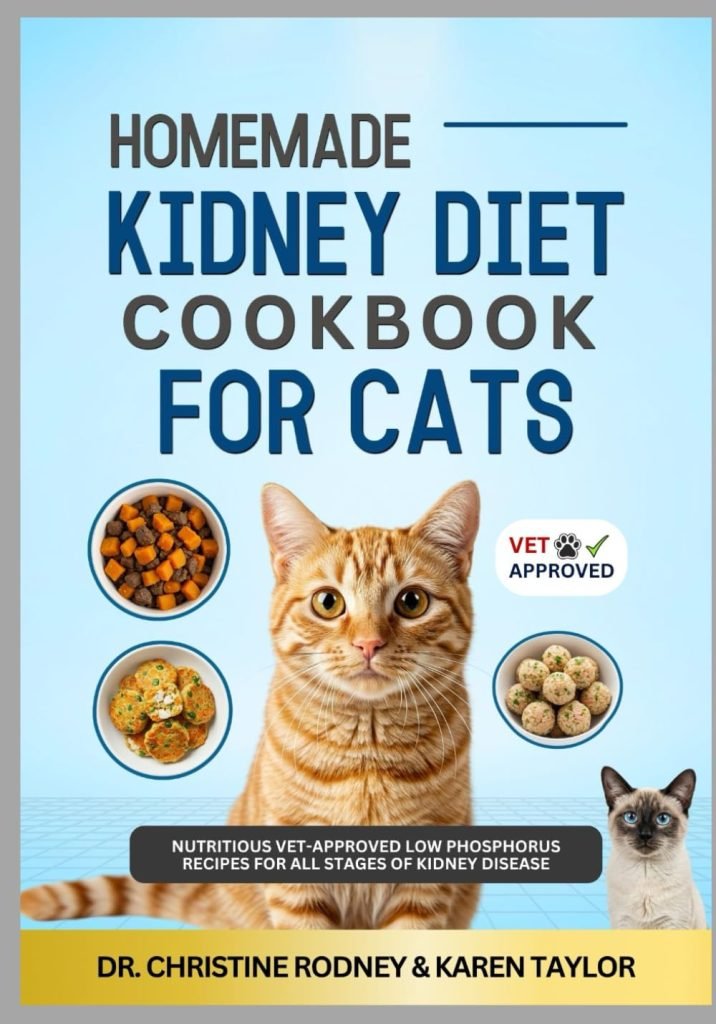
If your cat has kidney disease, you know how important it is to choose the right food. What you feed your furry friend can make a big difference in their health and comfort.
But with so many options out there, it’s easy to feel overwhelmed and unsure. This guide will help you understand exactly what to look for in cat food for kidney disease, so you can give your pet the best care possible.
Keep reading to discover simple, effective tips that will support your cat’s kidneys and improve their quality of life.
Kidney Disease In Cats
Kidney disease in cats is a common health problem, especially in older cats. The kidneys filter waste and toxins from the blood. When they fail, harmful substances build up in the body. This condition can progress slowly and may not show clear signs early on. Early detection is vital for managing the disease and improving a cat’s quality of life.
Signs And Symptoms
- Increased thirst and urination
- Loss of appetite
- Weight loss
- Vomiting and diarrhea
- Lethargy and weakness
- Bad breath with a chemical smell
- Poor coat condition
Causes And Risk Factors
- Age-related kidney wear and tear
- Dehydration and poor water intake
- High blood pressure
- Infections affecting the kidneys
- Exposure to toxins or poisons
- Genetic predisposition in some breeds
- Other diseases like diabetes
Stages Of Kidney Disease
| Stage | Description | Symptoms |
|---|---|---|
| Stage 1 | Early kidney damage, mild changes in blood tests | Usually no symptoms |
| Stage 2 | Moderate kidney damage, rising waste levels | Mild increased thirst, slight appetite changes |
| Stage 3 | Severe kidney damage, waste buildup | Vomiting, weight loss, decreased energy |
| Stage 4 | Kidney failure, very high waste levels | Severe symptoms, often requires intensive care |
Credit: www.perfectcompanion.com
Diet’s Role In Kidney Health
Diet plays a key role in managing kidney health for cats. A proper diet helps reduce stress on the kidneys. It can slow down the damage caused by kidney disease. Feeding your cat the right food supports better overall health. It also improves their quality of life.
Why Diet Matters
The kidneys filter waste and balance fluids in the body. Poor kidney function leads to toxin buildup. A special diet eases this workload. It helps control symptoms like nausea and loss of appetite. Proper nutrition can extend your cat’s lifespan. Feeding the right food makes a big difference.
Nutrients To Focus On
- Protein:Moderate protein helps reduce kidney strain.
- Phosphorus:Low phosphorus supports kidney health.
- Omega-3 Fatty Acids:These reduce inflammation and protect kidneys.
- Sodium:Lower sodium prevents high blood pressure.
- Water:Plenty of hydration aids kidney function.
Foods To Avoid
- High-protein foods increase kidney workload.
- Excess phosphorus damages kidney cells.
- Salty treats can cause fluid retention.
- Foods with artificial additives may harm health.
- Raw diets can expose cats to bacteria.
Best Cat Food Options
Choosing the right food helps support cats with kidney disease. Diet plays a key role in managing their health and comfort. Foods designed for kidney care focus on gentle ingredients and balanced nutrients. These options reduce kidney strain and help maintain energy.
Prescription Kidney Diets
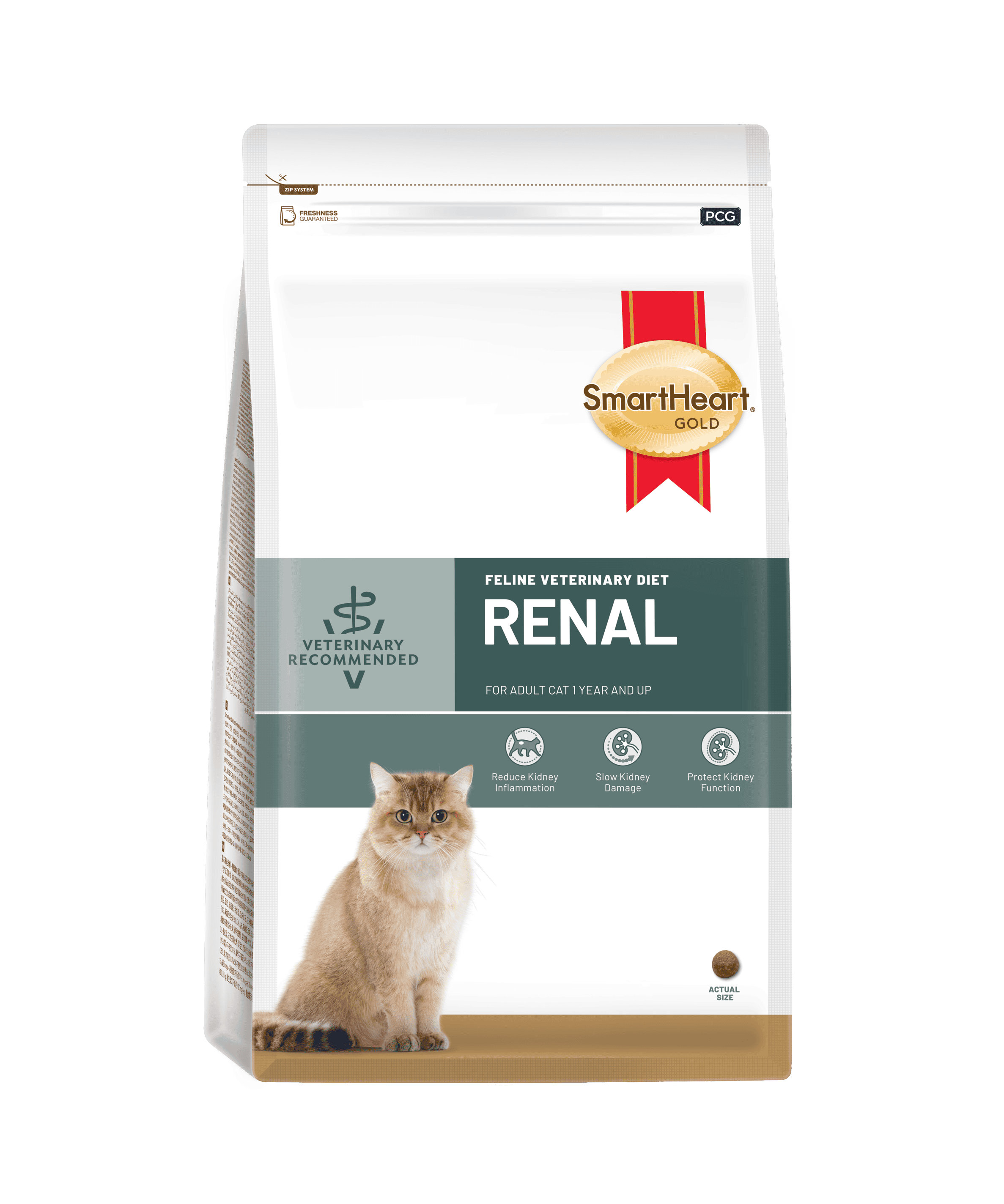
Prescription diets are made by vets and pet nutrition experts. They have controlled protein, phosphorus, and sodium levels. These diets also include omega-3 fatty acids to support kidney health. They come in wet and dry forms, suitable for picky eaters or cats with dental issues. Always consult a vet before starting a prescription diet.
Homemade Diets For Kidney Support
Homemade meals give control over ingredients and quality. They can be tailored to avoid excess protein and phosphorus. Common ingredients include boiled chicken, rice, and pumpkin. Supplements like fish oil and potassium may be added. Work with a vet or pet nutritionist to create balanced meals. This ensures cats get the nutrients they need without harming kidneys.
Top Commercial Brands
Many commercial brands offer kidney-friendly cat foods. These products balance protein and mineral content for kidney support. Some popular brands include:
- Hill’s Prescription Diet k/d
- Royal Canin Renal Support
- Blue Buffalo Natural Veterinary Diet Kidney Support
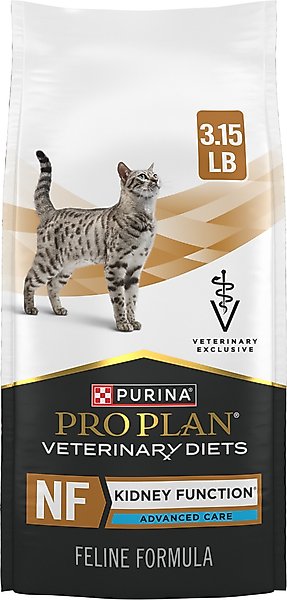
- Purina Pro Plan Veterinary Diets NF Kidney Function
These brands use high-quality ingredients and are tested for safety. Choose wet or dry formulas based on your cat’s preference. Regular vet checkups help track how well the food is working.

Credit: pet-supermarket.co.uk
Key Ingredients For Kidney Support
Choosing the right cat food for kidney disease is all about supporting your cat’s kidneys without adding extra strain. Certain ingredients play a crucial role in this support, helping to slow down the progression of kidney issues and improve your cat’s quality of life. Understanding these key ingredients can guide you to pick the best diet tailored for your furry friend’s needs.
Low Protein And Phosphorus
Reducing protein in your cat’s diet helps limit the workload on their kidneys. High protein levels create waste products that damaged kidneys struggle to filter. So, a food with controlled, high-quality protein is essential to keep your cat nourished but not overwhelmed.
Phosphorus is another element that needs to be low in kidney-friendly cat food. Excess phosphorus speeds up kidney damage and can lead to other health problems. Feeding your cat food low in phosphorus can help slow kidney decline and maintain healthier blood chemistry.
Omega-3 Fatty Acids
Omega-3 fatty acids, commonly found in fish oils, offer powerful anti-inflammatory benefits. They help reduce inflammation in the kidneys, which can ease the damage and improve kidney function over time. Including omega-3s in your cat’s diet can also support heart health, which often suffers alongside kidney disease.
Have you noticed your cat’s coat becoming dull or dry? Omega-3s also improve skin and coat health, making your cat feel more comfortable overall.
Antioxidants And Vitamins
Antioxidants like vitamin E and vitamin C protect kidney cells from damage caused by oxidative stress. They act as defenders, neutralizing harmful molecules that can accelerate kidney decline. Including these vitamins in your cat’s food helps support their immune system and overall vitality.
Additionally, certain B vitamins support energy metabolism, which is important since kidney disease can cause fatigue. Choosing a diet rich in these nutrients gives your cat a better chance at maintaining strength and energy during treatment.
Feeding Tips For Cats With Kidney Disease
Feeding a cat with kidney disease requires careful attention to their unique dietary needs. Adjusting how often and how much you feed, ensuring proper hydration, and closely watching their appetite and weight can make a big difference in their quality of life. These feeding tips help you provide the best care tailored to your cat’s condition.
Meal Frequency And Portion Control
Smaller, more frequent meals can help reduce the strain on your cat’s kidneys. Instead of two large meals, try feeding four to six smaller portions throughout the day. This approach supports steady nutrient absorption and helps prevent nausea, which is common in cats with kidney problems.
Portion control is equally important. Overfeeding can cause unnecessary stress on the kidneys, while underfeeding risks malnutrition. Use a kitchen scale or measuring cup to ensure consistent meal sizes, and adjust portions based on your cat’s weight and appetite changes.
Hydration Strategies
Keeping your cat well-hydrated is crucial. Kidney disease can cause dehydration, so encourage water intake by placing multiple water bowls around the house. Some cats prefer running water, so a pet fountain might be a worthwhile investment.
- Offer wet food regularly to increase fluid intake.
- Mix water or low-sodium broth into dry food.
- Freeze small portions of broth into ice cubes for a hydrating treat.
Have you noticed your cat drinking less water? That’s a warning sign to step up hydration efforts immediately.
Monitoring Appetite And Weight
Regularly tracking your cat’s appetite and weight provides critical insight into their health. Sudden drops in eating or weight loss can signal worsening kidney function or other complications.
Keep a journal or use an app to record daily food intake and weekly weigh-ins. If your cat refuses food for more than 24 hours, contact your vet promptly. Maintaining a stable weight is key to managing kidney disease effectively.
Credit: www.chewy.com
When To Consult The Vet
Knowing when to consult your vet is crucial if your cat has kidney disease. Early and ongoing communication with your vet can make a big difference in managing your cat’s health and comfort. Don’t wait for obvious problems—proactive vet visits help catch subtle changes that you might miss.
Regular Health Checkups
Schedule regular health checkups to monitor your cat’s kidney function. Your vet can run blood tests and urine analysis to track how the disease is progressing. These visits are a chance to discuss any changes you’ve noticed and get professional advice tailored to your cat’s needs.
Even if your cat seems fine, kidney disease can worsen quietly. I once delayed a checkup, thinking my cat was stable, but the vet found rising toxin levels that required immediate diet changes. Timely checkups can prevent surprises like this.
Adjusting Diet As Disease Progresses
Kidney disease isn’t static—it changes over time, and so should your cat’s diet. Your vet will guide you on adjusting protein, phosphorus, and sodium levels based on your cat’s current condition. Don’t hesitate to ask about new food options or supplements that might support kidney health.
Have you noticed your cat losing interest in their food? That can signal a need to rethink their diet or feeding routine. Your vet can suggest palatable kidney-friendly foods that keep your cat eating well.
Signs Of Complications
Watch for signs that suggest complications or worsening kidney function. These include vomiting, diarrhea, sudden weight loss, increased thirst, or lethargy. If you see any of these, contact your vet immediately—early intervention can improve outcomes.
Sometimes, complications show up as behavior changes, like hiding or reduced grooming. Your cat can’t tell you when they feel unwell, so your observations and quick action are essential. Have your vet’s contact info handy for urgent questions or concerns.
Frequently Asked Questions
What Is The Best Cat Food For Kidney Disease?
The best cat food for kidney disease is low in protein and phosphorus. It supports kidney function and reduces toxin buildup. Special renal diets formulated by vets help manage symptoms and improve quality of life for cats with kidney issues.
Can Homemade Food Help Cats With Kidney Disease?
Homemade food can help if it is properly balanced. It should be low in protein and phosphorus, and rich in omega-3 fatty acids. Always consult a vet or pet nutritionist to ensure homemade meals meet your cat’s kidney health needs.
How Does Diet Affect A Cat’s Kidney Disease?
Diet affects kidney disease by reducing the kidneys’ workload. Lower protein and phosphorus levels slow disease progression. Proper nutrition also controls blood pressure and prevents toxin buildup, improving your cat’s overall health and comfort.
Are Wet Foods Better For Cats With Kidney Disease?
Yes, wet foods are better because they increase hydration. Cats with kidney disease often drink less water, so wet food helps maintain fluid balance. It also typically contains lower protein and phosphorus, supporting kidney function.
Conclusion
Choosing the right cat food supports kidney health well. Cats with kidney disease need food low in protein and phosphorus. This helps their kidneys work better and feel less tired. Always check labels and pick foods made for kidney care.
Regular vet visits keep your cat’s health on track. Feeding your cat proper food can improve their life quality. Small changes in diet make a big difference over time. Care and good nutrition help cats live longer and happier.
