

If you have a cat, you know how frustrating hairballs can be—for both you and your furry friend. Hairballs are more than just a mess; they can cause discomfort and even health issues for your cat.
Finding the right cat food for hairballs can make a huge difference in keeping your pet happy and healthy. You’ll discover what makes certain cat foods effective against hairballs and how to choose the best option for your cat’s needs.
Keep reading to learn simple, practical tips that can help you say goodbye to those pesky hairballs for good.
Causes Of Hairballs In Cats
Cats often groom themselves by licking their fur. This action helps them stay clean but causes them to swallow loose hair. Over time, this hair can build up in their stomach and form hairballs. Understanding what triggers hairballs is important for managing them effectively.
Hairballs happen for different reasons. Some cats are more prone to hairballs due to their breed or coat type. Other factors like health and grooming habits also play a role. Recognizing these causes helps pet owners choose the right cat food and care routines.
Excessive Grooming And Shedding
Cats lick their fur to remove dirt and loose hair. Long-haired cats shed more, swallowing more hair. This leads to a higher chance of hairball formation. Stress or boredom can also cause cats to groom too much.
Type Of Fur And Breed
Long-haired breeds naturally swallow more hair. Breeds like Persians or Maine Coons have thick coats. Short-haired cats have fewer hairballs but can still get them. Fur type affects how much hair a cat swallows.
Poor Digestion And Slow Gut Movement
Some cats have slower digestion, which slows hair passage. Hair stays longer in the stomach, forming clumps. Older cats often face slower gut movement. This increases the chance of hairballs.
Inadequate Diet And Lack Of Fiber
A diet low in fiber affects hair movement through the gut. Fiber helps push swallowed hair through the digestive system. Cats eating mainly dry food may lack enough fiber. Hairballs become more common without proper nutrition.
Health Issues And Parasites
Illnesses can affect a cat’s digestion and grooming. Parasites irritate the stomach and intestines. This can increase hairball formation. Regular vet visits help identify these problems early.

Credit: www.amazon.com
Importance Of Hairball Management
Hairballs are a common problem for cats, especially those with long fur. Managing hairballs is important to keep cats healthy and comfortable. Hairballs can cause discomfort, coughing, and sometimes serious digestive issues. Proper hairball management helps reduce these risks and improves your cat’s quality of life.
Feeding the right cat food plays a key role in controlling hairballs. Special formulas help move hair through the digestive system safely. This makes hairballs less frequent and less harmful.
Health Risks Of Hairballs
Hairballs can block the digestive tract if not managed. This can lead to vomiting and loss of appetite. Severe blockages may require veterinary care or surgery. Regular hairball control lowers these health risks.
Comfort And Well-being
Cats often cough or gag to expel hairballs. This can cause stress and discomfort. Reducing hairballs improves their overall comfort. A happy cat is more playful and energetic.
Role Of Nutrition In Hairball Control
Cat foods designed for hairball control contain special fibers. These fibers help push swallowed hair through the gut. Balanced nutrition also supports healthy skin and fur. Strong fur reduces shedding and hair ingestion.
Prevention Over Treatment
Preventing hairballs is easier than treating them. Feeding hairball control food regularly helps stop hairball buildup. Grooming your cat also reduces loose hair. A combined approach keeps hairballs at bay.
Key Ingredients In Hairball Control Foods
Understanding the key ingredients in hairball control cat foods can make a big difference in managing your cat’s discomfort. These ingredients work together to reduce hairball formation and support your cat’s digestive health. Let’s look closely at what makes these formulas effective.
Fiber Sources
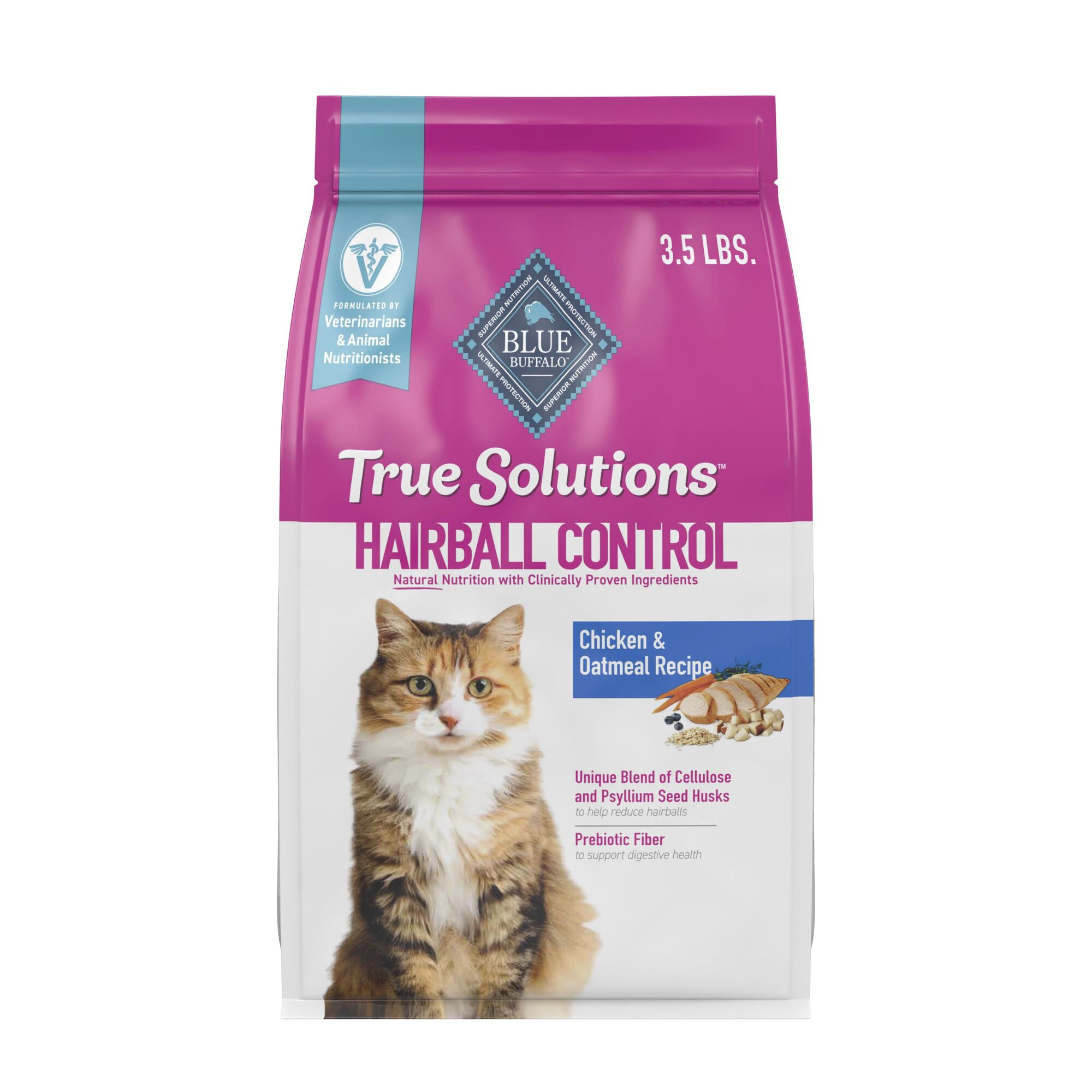
Fiber is crucial for moving swallowed hair through your cat’s digestive system. Ingredients like beet pulp, psyllium husk, and cellulose add bulk to the stool and help push hair out naturally.
Adding fiber isn’t just about digestion; it can also keep your cat feeling full and satisfied. Have you noticed how some cats seem to eat more when their diet lacks fiber? This simple addition can reduce hairball issues and improve overall gut health.
Omega Fatty Acids
Omega-3 and Omega-6 fatty acids help maintain healthy skin and a shiny coat. A well-nourished coat sheds less, which means your cat swallows fewer loose hairs.
These fatty acids also reduce inflammation in the digestive tract, making it easier for hair to pass through. Look for fish oil or flaxseed oil in the ingredient list—these are great sources.
Digestive Enzymes
Digestive enzymes break down food more efficiently, supporting better nutrient absorption and smoother digestion. Enzymes like protease and amylase help your cat’s stomach handle hair mixed in with their food.
Including these enzymes can reduce the chances of hair clumping into balls inside the stomach. Does your cat seem sluggish after meals? Enzyme-enriched food might help improve their energy and digestion.
Credit: www.walmart.com
Top Cat Food Brands For Hairball Control
Hairballs can be a common problem for many cats, especially those with long fur. Choosing the right cat food helps reduce hairball formation and supports your cat’s digestive health. Several brands offer formulas designed to manage hairballs effectively.
These foods contain special fibers and nutrients that help move hair through the digestive tract. They also promote healthy skin and coat, reducing shedding. Here are some top cat food brands known for hairball control.
Royal Canin Hairball Care
Royal Canin Hairball Care targets hairballs with a balanced formula. It includes specific fibers that help move hair through the digestive system. The food also supports healthy digestion and reduces stool odor. Cats enjoy the taste, making it easier to maintain a regular diet.
Hill’s Science Diet Hairball Control
Hill’s Science Diet Hairball Control uses natural fibers to reduce hairball formation. It supports a healthy coat and skin with essential vitamins. This brand focuses on high-quality ingredients for overall wellness. The formula is gentle on the stomach and aids digestion.
Purina One Hairball Formula
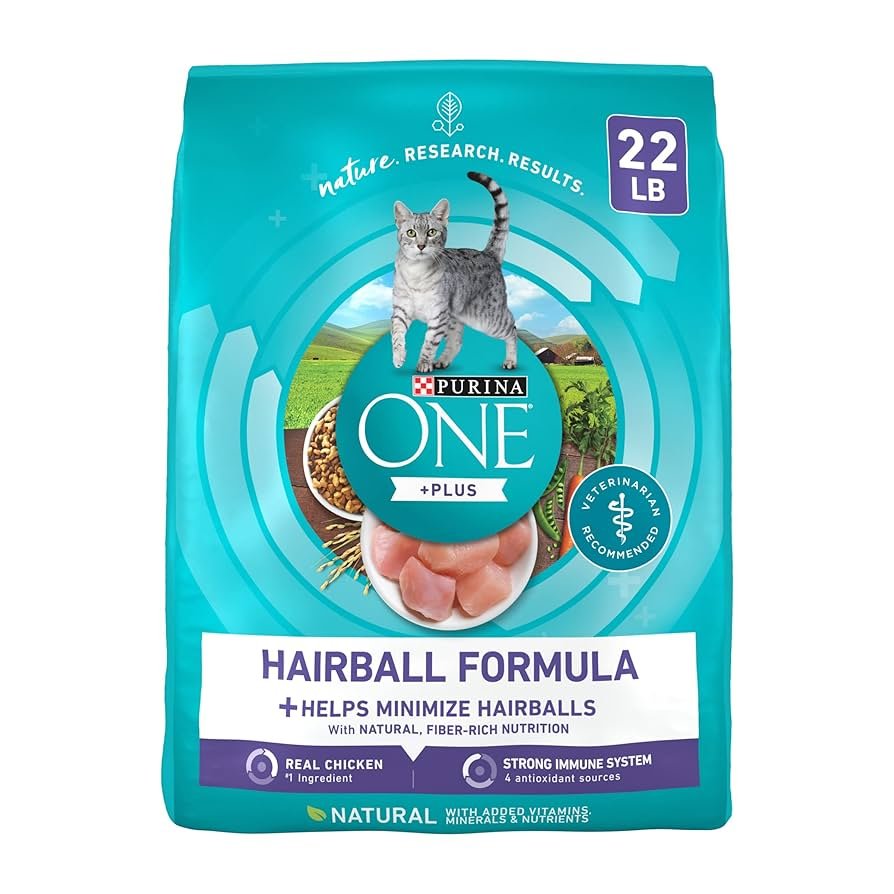
Purina ONE Hairball Formula combines fiber and antioxidants to fight hairballs. It promotes strong immune health and shiny fur. The recipe contains real meat as the first ingredient for protein. This food supports healthy digestion and keeps hairballs at bay.
Homemade Remedies And Diet Adjustments
Managing your cat’s hairballs doesn’t always require store-bought solutions. You can make simple changes at home that help reduce hairball formation and keep your cat comfortable. Adjusting your cat’s diet and offering homemade treats can make a big difference.
Diy Hairball Treats
Making your own hairball treats lets you control the ingredients and add beneficial elements. A popular option is blending canned pumpkin with a bit of olive oil and some ground flaxseeds. Pumpkin is rich in fiber, which helps move hair through the digestive system.
You can form the mixture into small balls or freeze it in ice cube trays for a cold treat. These treats not only help with hairballs but also support digestion and coat your cat’s stomach lining gently.
Incorporating Vegetables
Adding vegetables to your cat’s diet might sound unusual, but certain veggies can help reduce hairballs. Steamed carrots or green beans, chopped finely, provide extra fiber without upsetting your cat’s tummy.
Have you noticed your cat’s fur shedding more? Adding fiber-rich veggies may help manage excess hair ingestion during grooming. Always introduce new foods slowly and watch for any digestive changes.
Grooming Tips To Reduce Hairballs
Grooming plays a key role in reducing hairballs in cats. Regular care removes loose fur before cats swallow it. This helps keep their digestive system clear and comfortable. Simple grooming routines make a big difference in hairball control.
Regular Brushing Techniques
Brush your cat daily to catch loose hairs. Use a brush made for cats’ fur type. Start gently at the head and move toward the tail. Focus on areas where fur mats easily, like the neck and belly. Brushing helps reduce shedding and prevents hair from being swallowed.
- Use short, gentle strokes
- Brush in the direction of hair growth
- Remove loose hair from the brush often
- Reward your cat with treats or praise
Proper Bathing Practices
Bathing can help remove excess hair and dirt. Use a mild shampoo made for cats. Wet your cat slowly and avoid the face. Massage shampoo gently into the coat, then rinse well. Dry your cat with a towel or low heat dryer. Baths should be done only when necessary to avoid skin dryness.
- Choose a calm time for bathing
- Brush before and after baths
- Keep bath water warm, not hot
- Use a non-slip mat in the tub
Monitoring And Veterinary Advice
Keeping an eye on your cat’s hairball condition is key for their health. Hairballs can be normal, but some signs mean trouble. Regular monitoring helps catch problems early. Veterinary advice guides you on the best care and treatment. Understanding when to seek help can save your cat from discomfort and illness.
Signs Of Serious Hairball Issues
- Frequent vomiting with little hair
- Loss of appetite or refusal to eat
- Constipation or difficulty passing stool
- Excessive drooling or gagging
- Weight loss or lethargy
- Abdominal swelling or pain
These signs suggest a blockage or other health problems. Watch your cat closely for any changes in behavior or eating habits.
When To Consult A Vet
Visit a vet if your cat shows serious symptoms. Early check-ups prevent complications. The vet can perform exams and tests to find the cause. They may suggest special diets or treatments to ease hairballs. Follow veterinary advice to keep your cat comfortable and healthy.

Credit: www.amazon.com
Frequently Asked Questions
What Ingredients Reduce Hairballs In Cat Food?
Ingredients like fiber, omega-3 fatty acids, and natural enzymes help reduce hairballs. They aid digestion and hair passage through the gut. High-quality cat food often includes these to minimize hairball issues effectively.
How Often Should I Feed Hairball Control Cat Food?
Feed hairball control cat food daily for best results. Consistent feeding supports digestion and prevents hairball buildup. Follow your vet’s advice on portion sizes for your cat’s weight and activity level.
Can Hairball Cat Food Improve My Cat’s Coat Health?
Yes, hairball cat food often contains omega fatty acids that promote a healthy coat. These nutrients reduce shedding and skin irritation, which can lower hairball formation. A shiny coat usually indicates good overall cat health.
Are Grain-free Hairball Cat Foods Better For Cats?
Grain-free hairball cat foods may benefit some cats with sensitivities. However, they aren’t always superior for hairball control. Choose food based on your cat’s specific needs and consult your vet for guidance.
Conclusion
Choosing the right cat food helps reduce hairballs effectively. Cats feel better and groom without trouble. High fiber and special ingredients keep hair moving through the system. Watch for signs of discomfort or frequent hairballs. Talk to your vet for the best advice.
Healthy food supports your cat’s digestion and fur health. Small changes make a big difference in your cat’s comfort. Keep your furry friend happy and hairball-free with care and good nutrition.
