

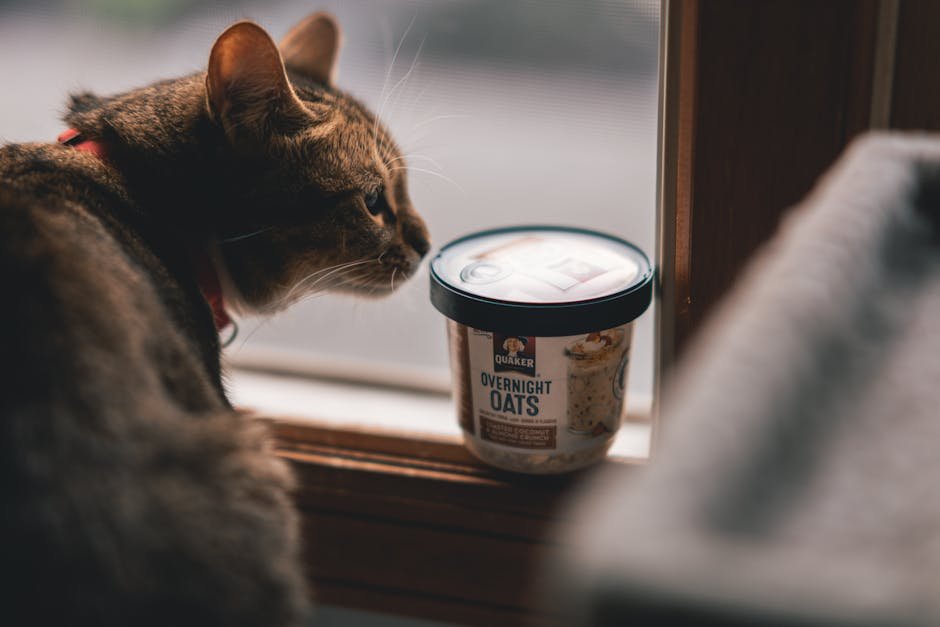
When it comes to feeding your cat, you want the best options that keep them happy and healthy. Cat food cans offer a convenient and nutritious way to give your furry friend a balanced meal every day.
But with so many choices on the shelf, how do you pick the right one for your cat’s needs? You’ll discover what makes some cat food cans stand out, what ingredients to look for, and how to make feeding time easier and more enjoyable for both you and your pet.
Keep reading to find out how the right canned food can make a real difference in your cat’s life.
Benefits Of Canned Cat Food
Canned cat food offers many benefits for your feline friend. It provides hydration, taste, and essential nutrients. These features support your cat’s health and happiness. Understanding these benefits helps you choose the best food for your pet.
Higher Moisture Content
Canned cat food contains more water than dry food. This helps keep cats hydrated, especially those who drink little water. Proper hydration supports kidney and urinary tract health. It also aids digestion and keeps the skin healthy.
Improved Palatability
Canned food smells and tastes stronger than dry food. Cats find it more appealing and enjoyable to eat. This is helpful for picky eaters or cats with a reduced appetite. The soft texture is easier for older cats to chew and swallow.
Nutrient Density
Canned cat food is rich in proteins and fats. It provides essential vitamins and minerals in each serving. This nutrient density supports muscle development and energy levels. It also helps maintain a healthy coat and overall well-being.
Key Nutrients In Cat Food Cans
Cat food cans provide essential nutrients that keep cats healthy and active. These nutrients support strong muscles, shiny fur, and good energy. Understanding these key nutrients helps in choosing the best food for your cat’s needs.
Protein Sources
Protein is the main nutrient in cat food cans. It builds muscles and repairs tissues. Cats need high-quality animal proteins like chicken, fish, or beef. These proteins contain important amino acids cats cannot make on their own.
Essential Fatty Acids
Fatty acids give cats energy and support brain health. Omega-3 and Omega-6 fatty acids help keep skin soft and fur shiny. These fats also reduce inflammation and support the immune system.
Vitamins And Minerals
Vitamins and minerals keep cats’ bodies working well. Important vitamins include A, D, and E. Minerals like calcium and phosphorus strengthen bones and teeth. These nutrients help with eyesight, blood clotting, and overall health.
Choosing The Right Canned Food
Choosing the right canned food for your cat is important for their health and happiness. Cats have different needs based on age, health, and taste preferences. Selecting the best food helps keep them strong and energetic.
Understanding what to look for can make feeding time easier and more enjoyable. Knowing how to read labels and recognize special formulas helps you pick quality options. This section guides you through key points to consider.
Age-specific Formulas
Cats need different nutrients at each life stage. Kittens require more protein for growth. Adult cats need balanced nutrition to maintain health. Senior cats benefit from formulas that support joints and digestion. Choose cans labeled for your cat’s age to meet these needs.
Special Dietary Needs
Some cats have allergies or health issues. Sensitive stomachs need gentle ingredients. Cats with kidney problems require low phosphorus food. Weight management formulas help overweight cats stay fit. Always select canned food that suits your cat’s specific health condition.
Reading Ingredient Labels
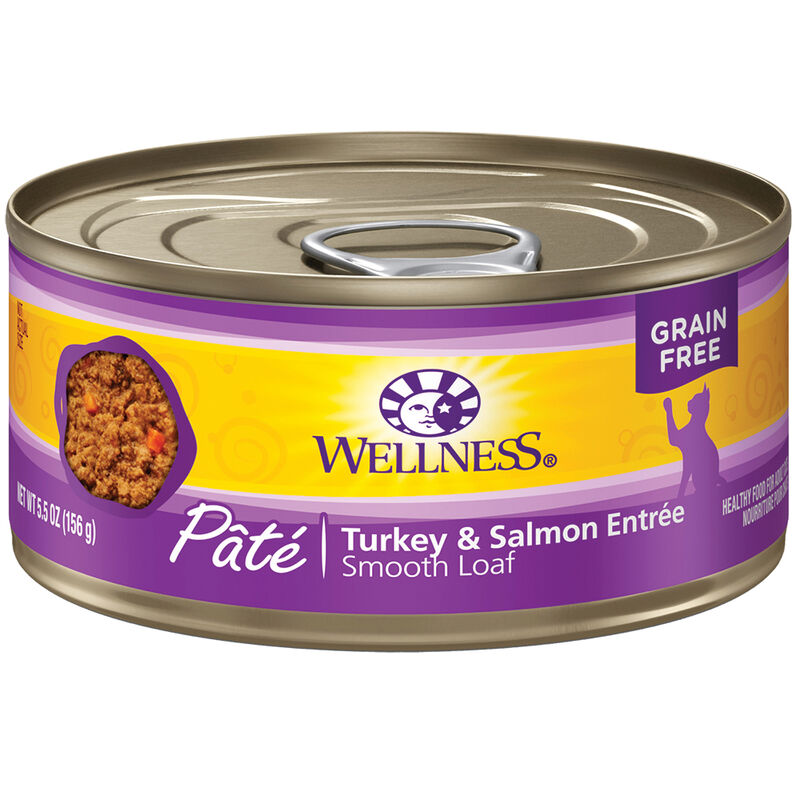
Ingredients list shows what is inside the can. Look for named meat sources like chicken or fish. Avoid foods with too many fillers like corn or soy. Check for added vitamins and minerals. Fresh, natural ingredients mean better nutrition for your cat.
Credit: www.renspets.com
Common Ingredients To Avoid
Choosing the right canned food for your cat can be tricky, especially when some ingredients can do more harm than good. Knowing which common ingredients to avoid helps you make smarter choices for your pet’s health and happiness. Let’s look closely at some of these problematic ingredients and why they might not be the best for your feline friend.
Fillers And By-products
Fillers like corn, wheat, and soy often appear in cat food cans. These ingredients add bulk but provide little nutritional value. Cats need meat-based proteins, not cheap fillers that can cause allergies or digestive issues.
By-products might sound scary, but they are often low-quality parts like beaks, feet, or organs. While some by-products can be nutritious, many are not clearly defined on labels, making it hard to know what your cat is really eating.
Think about this: would you want to eat a meal made mostly of leftovers and scraps? Your cat deserves better than vague by-products and unnecessary fillers.
Artificial Additives
Artificial colors, flavors, and preservatives are common in many canned cat foods. These additives don’t improve nutrition but can cause allergic reactions or long-term health problems.
Preservatives like BHA, BHT, and ethoxyquin have raised concerns among pet owners and veterinarians. You might not see immediate effects, but these chemicals can build up and affect your cat’s liver or immune system over time.
Ask yourself: is it worth risking your cat’s health for a brightly colored or longer-lasting product? Many natural alternatives exist without harmful additives.
Excessive Carbohydrates
Cats are natural carnivores and don’t need high amounts of carbs. Yet, some canned foods contain too many carbohydrates from grains or potatoes to cut costs.
Too many carbs can lead to weight gain, diabetes, and other health issues. Plus, your cat might feel less satisfied, leading to overeating or begging for more food.
Look for labels with low carbohydrate content and focus on foods rich in animal proteins. Your cat’s body will thank you with better energy and overall health.
Transitioning To Canned Food
Switching your cat to canned food can improve its diet and hydration. Canned food often contains more moisture and fewer carbs than dry kibble. Cats may enjoy the richer taste and softer texture. Transitioning gently helps avoid digestive upset and food refusal. Patience and observation ensure a smooth change.
Gradual Introduction Tips
Start by mixing a small amount of canned food with your cat’s regular dry food. Increase the canned portion slowly over several days. Keep the food fresh and at room temperature. Offer the new food at regular meal times. Watch for any signs of hesitation or dislike. Patience helps your cat adjust comfortably.
Monitoring Your Cat’s Response
Observe your cat’s eating habits closely during the transition. Look for changes in appetite, energy, or stool consistency. Any vomiting or diarrhea needs attention. Note if your cat shows excitement or reluctance toward the canned food. Keep a daily log to track progress. Consult a vet if problems persist.
Combining With Dry Food
Mix canned and dry food to provide variety and balance. This blend can help maintain dental health and hydration. Adjust portions to meet your cat’s calorie needs. Use separate bowls or mix foods together, depending on your cat’s preference. Maintain consistent feeding times for routine. This approach offers flexibility and nutrition.

Credit: www.amazon.ca
Storage And Serving Tips
Proper storage and serving of cat food cans keep your pet healthy and happy. It helps preserve nutrients and prevents spoilage. Small efforts make a big difference in your cat’s diet quality.
Proper Storage Methods
Store unopened cans in a cool, dry place away from sunlight. Heat and moisture can spoil the food quickly. Once opened, transfer leftover food to an airtight container. Avoid storing food in the can after opening. Refrigerate leftovers and use them within two days.
Serving Size Recommendations
Follow feeding guidelines on the can label for portion sizes. Adjust amounts based on your cat’s age, weight, and activity level. Offer smaller portions multiple times a day. Overfeeding can lead to obesity and health problems. Monitor your cat’s weight regularly to maintain a healthy diet.
Maintaining Freshness
Use clean utensils to serve food. Avoid contaminating food with saliva or fingers. Cover opened cans tightly to reduce air exposure. Serve food at room temperature to enhance palatability. Discard any uneaten food after two hours to prevent bacterial growth.
Homemade Cat Food Cans
Making homemade cat food cans can be a rewarding experience for both you and your feline friend. It allows you to control exactly what goes into your cat’s meals, ensuring freshness and quality. But it also requires careful attention to what ingredients you use and how you balance those ingredients for your cat’s health.
Safe Ingredients To Use
Choosing safe ingredients is the foundation of homemade cat food cans. Cats are obligate carnivores, so meat should be the main ingredient. Good options include chicken, turkey, beef, and fish, but avoid raw pork and bones that can splinter.
Vegetables like carrots or peas can be added in small amounts for fiber, but never onions, garlic, or grapes—they are toxic to cats. Dairy can be tricky since many cats are lactose intolerant; stick to small amounts of plain yogurt if you want to try it. Always use fresh ingredients and avoid preservatives or additives found in commercial canned food.
Balancing Nutrients
Feeding your cat homemade food means you must balance protein, fats, vitamins, and minerals carefully. Cats need taurine, an essential amino acid found in meat, so including heart or liver is important. Supplementing with fish oil or other sources of omega-3 fatty acids supports coat and skin health.
Calcium is another critical nutrient; crushed eggshells or a calcium supplement can help keep your cat’s bones strong. You might want to consult a vet or pet nutritionist to create a recipe that covers all nutritional bases. Would you trust a recipe without knowing if it meets your cat’s dietary needs?
Avoiding Common Mistakes
One common mistake is assuming that what’s healthy for humans is healthy for cats. For example, garlic and onion powder often found in homemade recipes can cause serious health issues. Another error is not maintaining variety, which can lead to nutrient deficiencies.
Overcooking meat can destroy essential nutrients, so keep cooking times short and methods gentle, like steaming or boiling. Finally, never skip consulting your vet before switching to homemade cat food cans to ensure your cat stays healthy and happy.
Popular Brands And Products
Choosing the right canned food for your cat can feel overwhelming with so many brands and products available. Each brand offers unique recipes, ingredient quality, and nutritional benefits. Knowing which options stand out helps you make the best choice for your furry friend’s health and happiness.
Top-rated Canned Foods
Some canned cat foods consistently receive high praise from both pet owners and veterinarians. Brands like Wellness COREand Blue Buffaloare known for their balanced nutrition and real meat ingredients. These products often feature grain-free recipes and essential vitamins to support your cat’s immune system and coat health.
Have you noticed how your cat reacts to different flavors? Top-rated options usually come in a variety of protein choices, such as chicken, turkey, and fish, making it easier to find the perfect match for your pet’s preferences.
Budget-friendly Options
Feeding your cat doesn’t have to break the bank. Brands like Friskiesand 9Livesoffer affordable canned foods without compromising basic nutritional needs. These products often provide a good protein source and come in convenient multi-pack options, saving you money in the long run.
While these budget-friendly choices may not have premium ingredients, they can be a practical solution if you’re managing multiple cats or balancing household expenses. Do you think quality always costs more? Sometimes, the right budget option can keep your cat satisfied and healthy.
Premium Choices
If your priority is the highest quality ingredients and specialized formulas, premium canned foods like Royal Caninand Hill’s Science Dietdeserve your attention. These brands often include scientifically backed nutrition, targeting specific health needs such as urinary care or weight management.
Premium products tend to avoid artificial additives and fillers. Instead, they focus on whole meats, vegetables, and supplements that support longevity and vitality. Could investing in premium food reduce your vet visits over time? Many cat owners find the health benefits justify the higher price.
Myths About Canned Cat Food
Canned cat food often faces many myths that confuse pet owners. These myths can lead to wrong choices for your cat’s diet. Understanding the truth helps you make better decisions. Let’s clear up some common misunderstandings about canned cat food.
Concerns About Weight Gain
Many people think canned food causes cats to gain weight. This is not true by itself. Weight gain depends on how much and how often you feed your cat. Canned food usually has fewer calories per serving than dry food. It also contains more moisture, which helps cats feel full.
Misconceptions On Nutritional Value
Some believe canned cat food lacks important nutrients. In reality, canned food is often richer in protein and moisture. It supports hydration better than dry food. Most canned foods meet strict nutritional standards set by experts. Check the label to ensure it meets your cat’s needs.
Debunking Quality Myths
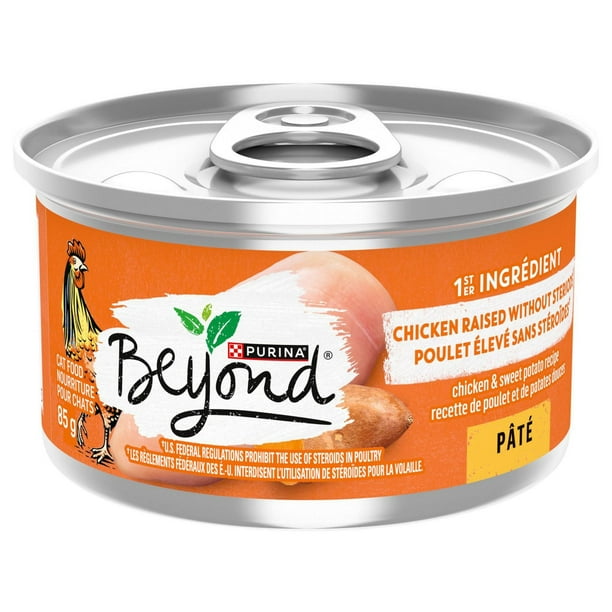
People sometimes think all canned cat food is low quality. This is false. Quality varies by brand and ingredients, not by format. Many premium brands offer high-quality canned food with real meat and no fillers. Look for products with clear ingredient lists and no artificial additives.
Credit: www.walmart.ca
Frequently Asked Questions
What Are The Benefits Of Feeding Cats Canned Food?
Canned cat food provides high moisture content, supporting hydration. It often contains more protein and fewer carbs. This helps maintain healthy kidneys and weight. Canned food is also palatable, appealing to picky eaters. It offers balanced nutrition in convenient portions.
How To Choose The Best Cat Food Cans?
Look for high protein from real meat sources. Avoid artificial additives and fillers like corn or soy. Check the ingredient list for essential vitamins and minerals. Consider your cat’s age, health, and preferences. Opt for reputable brands with quality assurance.
Can Canned Cat Food Replace Dry Food Completely?
Yes, canned food can be a complete diet. It offers moisture and nutrients cats need. However, some cats may prefer dry food texture. Mixing both can provide variety and dental benefits. Always consult your vet for dietary advice.
How To Store Opened Cat Food Cans Safely?
Transfer leftover food to an airtight container. Refrigerate immediately to prevent spoilage. Use within 2-3 days for freshness. Avoid leaving opened cans at room temperature. Proper storage keeps food safe and tasty.
Conclusion
Choosing the right cat food cans matters for your pet’s health. Cans keep food fresh and tasty for cats. They offer balanced nutrition in a convenient form. Always check the ingredients to ensure quality. Your cat deserves meals that support energy and well-being.
Feeding canned food can help with hydration too. Small steps improve your cat’s daily diet. Trust your choice to keep your cat happy.
