

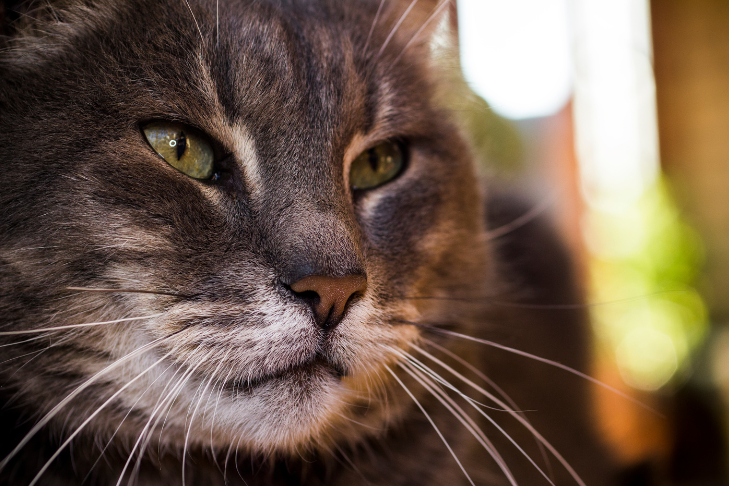
Your cat’s eyes are more than just beautiful—they’re a window into their overall health. If you want to keep your furry friend happy and thriving, understanding cat eye health is essential.
You might not realize how subtle changes in your cat’s eyes can signal bigger problems. You’ll discover simple ways to spot warning signs early and learn how to protect your cat’s vision for years to come. Keep reading to ensure your cat’s eyes stay bright and healthy every day.
Credit: www.holistapet.com
Common Eye Issues In Cats
Keeping your cat’s eyes healthy means knowing what problems to watch for. Cats can suffer from a range of eye issues that affect their vision and comfort. Recognizing the signs early can save your furry friend from pain and serious complications.
Conjunctivitis Symptoms
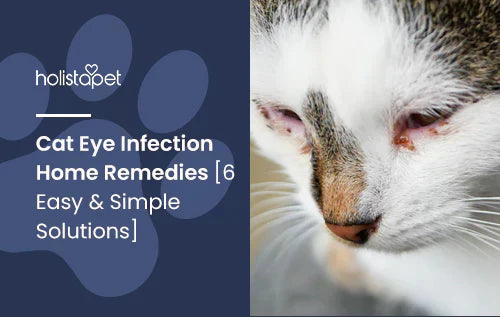
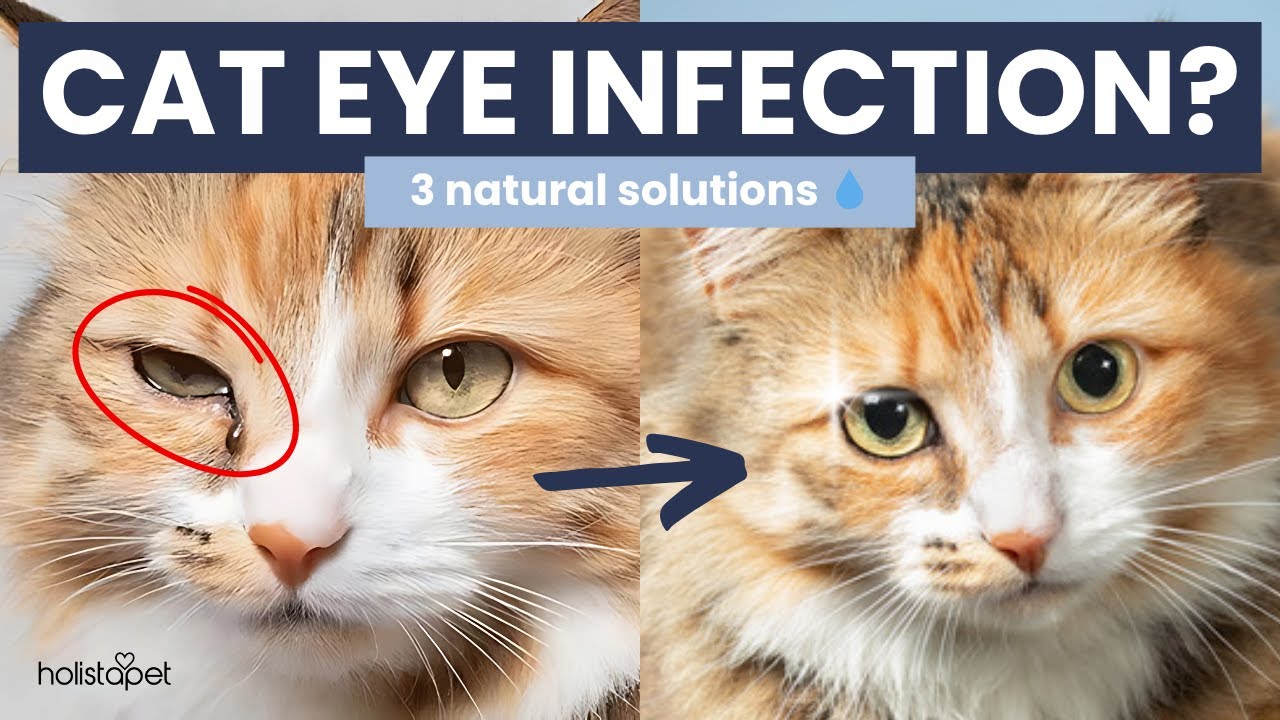
Conjunctivitis, or pink eye, is common in cats and can be caused by infections, allergies, or irritants. You might notice redness, swelling, and discharge from one or both eyes. Your cat may also blink frequently or paw at their eyes, signaling discomfort.
Have you ever seen your cat squinting or tearing up more than usual? These simple observations can help you catch conjunctivitis early and get treatment started quickly.
Cataracts And Cloudiness
Cataracts appear as cloudy areas in the lens of your cat’s eye, often leading to blurry vision. While more common in older cats, younger cats can develop cataracts due to injury or genetic factors. If your cat’s eyes look hazy or you notice difficulty navigating in familiar places, it’s time for an eye check.
Imagine your cat hesitating before jumping onto a favorite chair – could cataracts be the cause?
Glaucoma Signs
Glaucoma causes increased pressure inside the eye, which can be painful and lead to blindness if untreated. Look for signs like a bulging eye, redness, or your cat avoiding bright light. Changes in pupil size or sudden vision loss are urgent reasons to visit your vet.
Have you noticed your cat hiding or acting withdrawn? Eye pain from glaucoma might be the reason behind this behavior.
Corneal Ulcers
Corneal ulcers are open sores on the surface of the eye, often caused by scratches or infections. These ulcers cause redness, tearing, and sensitivity to light. If your cat is rubbing their eye vigorously or squinting, an immediate vet visit can prevent serious damage.
Think about how your cat reacts to eye discomfort—do they avoid being touched around the face? This subtle clue can reveal corneal problems early on.
Daily Eye Care Practices
Daily eye care is vital to keep a cat’s vision sharp and healthy. Simple routines help prevent infections and discomfort. Clean eyes mean happy cats. Healthy eyes also reduce vet visits and costly treatments.
Gentle care every day supports good eye health. Small habits make a big difference. Observe your cat’s eyes for any changes or problems. Early attention protects their vision and comfort.
Cleaning Techniques
Use a soft, damp cloth to clean around the eyes. Wipe away any discharge gently from the inside corner outward. Avoid touching the eyeball directly. Use a new cloth each time to prevent spreading germs. Clean daily if your cat has tear stains or debris.
Safe Eye Wipes
Choose eye wipes made especially for pets. Avoid wipes with alcohol or harsh chemicals. Pet-safe wipes reduce irritation risk. Use wipes that are fragrance-free and hypoallergenic. Always read the label before use. Wipe gently to remove dirt and crusts.
Avoiding Irritants
Keep your cat away from smoke, dust, and strong sprays. Avoid using strong cleaning products near their resting areas. Prevent access to plants that cause eye irritation. Wash your hands before touching your cat’s face. Protect eyes from wind and bright sunlight during outdoor time.
Nutrition And Eye Health
Proper nutrition plays a vital role in keeping cat eyes healthy. The right nutrients support vision and prevent common eye problems. Cats need specific vitamins and minerals to maintain clear and sharp eyesight. Hydration also affects eye health by keeping tissues moist and clean. Feeding your cat balanced meals with essential nutrients supports long-term eye function.
Vitamins For Vision
Several vitamins help keep cat eyes strong and healthy. Vitamin A is crucial for good vision and night sight. It protects the cornea and supports retina health. Vitamin C acts as an antioxidant, reducing eye damage. Vitamin E helps prevent cell damage in the eyes. B-complex vitamins support nerve function and eye tissue repair. These vitamins work together to maintain clear vision and eye health.
Hydration Importance
Water is essential for cat eye health. Proper hydration keeps the eyes moist and prevents dryness. Dry eyes can cause irritation and infections. Cats often drink less water, so wet food can help increase fluid intake. Clean tear ducts rely on good hydration to flush out debris. Ensuring your cat drinks enough water supports overall eye comfort and health.
Recommended Foods
- Fish rich in omega-3 fatty acids, like salmon, support retinal health.
- Eggs provide vitamin A and protein for eye tissue repair.
- Leafy green vegetables contain antioxidants that protect the eyes.
- Carrots are high in beta-carotene, which converts to vitamin A.
- Blueberries offer antioxidants that reduce eye inflammation.
- Meat provides essential amino acids needed for eye cell maintenance.
When To See A Vet
Knowing when to see a vet for your cat’s eye health is crucial. Cats cannot tell us when something hurts. Watching for signs helps catch problems early. Prompt care can save your cat’s vision and comfort.
Emergency Symptoms
Some eye symptoms require urgent vet attention. Look for:
- Sudden eye swelling or bulging
- Heavy discharge, yellow or green
- Sudden blindness or squinting
- Visible injury or bleeding
- Excessive pawing or rubbing of the eye
These signs may show infection, injury, or serious illness. Immediate vet care prevents damage.
Routine Checkups
Regular vet visits help keep cat eyes healthy. Your vet checks for early signs of disease. Cats over six years need yearly eye exams. Young cats should have eye checks during vaccinations. Routine care detects problems before symptoms appear.
Specialist Referrals
Sometimes vets refer to eye specialists. Specialists handle complex eye diseases or surgeries. Your vet may suggest a referral if:
- Eye problems persist despite treatment
- Special tests like eye pressure checks are needed
- Advanced care like surgery or laser treatment is required
Specialists provide expert care to protect your cat’s sight.
Preventing Eye Injuries
Cat eyes are delicate and need care to avoid injuries. Eye injuries can cause pain and long-term problems. Taking simple steps can protect your cat’s vision. Prevention is better than treatment.
Home Safety Tips
- Keep sharp objects away from your cat’s reach.
- Secure cords and wires to avoid eye scratches.
- Use pet-safe cleaning products to prevent irritation.
- Check for small objects that cats might poke their eyes on.
- Trim your cat’s nails regularly to reduce accidental scratches.
Outdoor Risks
- Watch for sharp plants like thorns and branches.
- Avoid areas with chemicals or pesticides.
- Keep your cat supervised during outdoor playtime.
- Be cautious of other animals that may scratch or bite.
- Provide shaded spots to prevent eye damage from strong sunlight.
Toys And Eye Safety
- Choose soft toys without small, loose parts.
- Avoid toys with sharp edges or wires.
- Inspect toys regularly for damage or wear.
- Discard broken toys immediately to prevent injury.
- Supervise playtime to prevent rough play that harms the eyes.
Credit: www.holistapet.com
Recognizing Vision Changes
Noticing changes in your cat’s vision early can make a big difference in their comfort and quality of life. Cats are great at hiding discomfort, so subtle signs often go unnoticed. Paying attention to shifts in behavior, navigation, and eye appearance helps you act before problems worsen.
Behavioral Signs
Have you noticed your cat becoming hesitant or less playful? Cats with vision issues might avoid jumping onto furniture or seem less curious about new objects.
They may also start bumping into things or seem startled more easily. Changes in how your cat interacts with you or their environment often signal vision trouble.
Navigational Difficulties
Watch how your cat moves around the house. Struggling to find the litter box or frequently missing doorways can indicate vision loss.
Some cats might freeze in unfamiliar spaces or move more cautiously than before. These signs show your cat is relying less on sight and more on other senses.
Changes In Pupil Size
Check your cat’s eyes for unusual pupil sizes or shapes. Pupils that remain dilated or don’t respond to light could mean underlying eye issues.
Unequal pupil sizes are another red flag. If you spot these changes, a vet visit is crucial to protect your cat’s vision.
Eye Health Supplements
Maintaining your cat’s eye health is more than just regular check-ups. Supplements can play a significant role in supporting and protecting their vision. These nutritional boosts target specific needs to keep your feline friend’s eyes bright and clear.
Types Of Supplements
There are several supplements designed to support eye health in cats. Omega-3 fatty acidshelp reduce inflammation and support retinal function. Antioxidants like Vitamin C and Eprotect the eyes from damage caused by free radicals.
Lutein and Zeaxanthinare carotenoids that filter harmful light and improve eye clarity. Beta-caroteneconverts to Vitamin A, essential for good vision and preventing dryness. You might find these in specialized pet supplements or natural sources recommended by your vet.
Dosage Guidelines
Giving the right amount of supplements is crucial. Too little might be ineffective, while too much could cause harm. Follow the dosage instructions on the product label carefully, as supplements formulated for humans can differ from those made for cats.
Start with the lowest recommended dose and watch for any changes in your cat’s behavior or health. Adjustments might be needed, but only under veterinary guidance. Have you ever wondered if your cat’s diet alone is enough to support their eye health?
Consulting Professionals
Before adding supplements to your cat’s routine, consult your veterinarian. They can assess your cat’s specific needs and recommend the best options. Blindly choosing supplements risks wasting money or causing unintended side effects.
Vet advice ensures the supplement won’t interfere with any medications or conditions your cat has. Remember, your vet’s insight is key to tailoring a safe and effective eye health plan. When was the last time you talked about eye care during your cat’s check-up?

Credit: petreleaf.com
Frequently Asked Questions
What Are Common Cat Eye Health Problems?
Common cat eye issues include conjunctivitis, glaucoma, cataracts, and infections. Early detection and treatment prevent vision loss.
How Can I Keep My Cat’s Eyes Healthy?
Regular cleaning, balanced diet, and vet check-ups help maintain eye health. Avoid exposure to irritants or injuries.
When Should I See A Vet For Cat Eye Issues?
Visit a vet if your cat shows redness, discharge, squinting, or vision changes. Prompt care avoids complications.
Can Cat Eye Infections Spread To Humans?
Most cat eye infections are species-specific and rarely transmit to humans. Practice hygiene when handling infected cats.
Conclusion
Caring for your cat’s eyes keeps them bright and healthy. Watch for signs like redness, discharge, or squinting. Clean their eyes gently with a soft cloth if needed. Regular check-ups with a vet catch problems early. Good eye health helps your cat stay happy and playful.
Small steps make a big difference in their well-being. Stay attentive and your cat will thank you with clear, bright eyes.
