

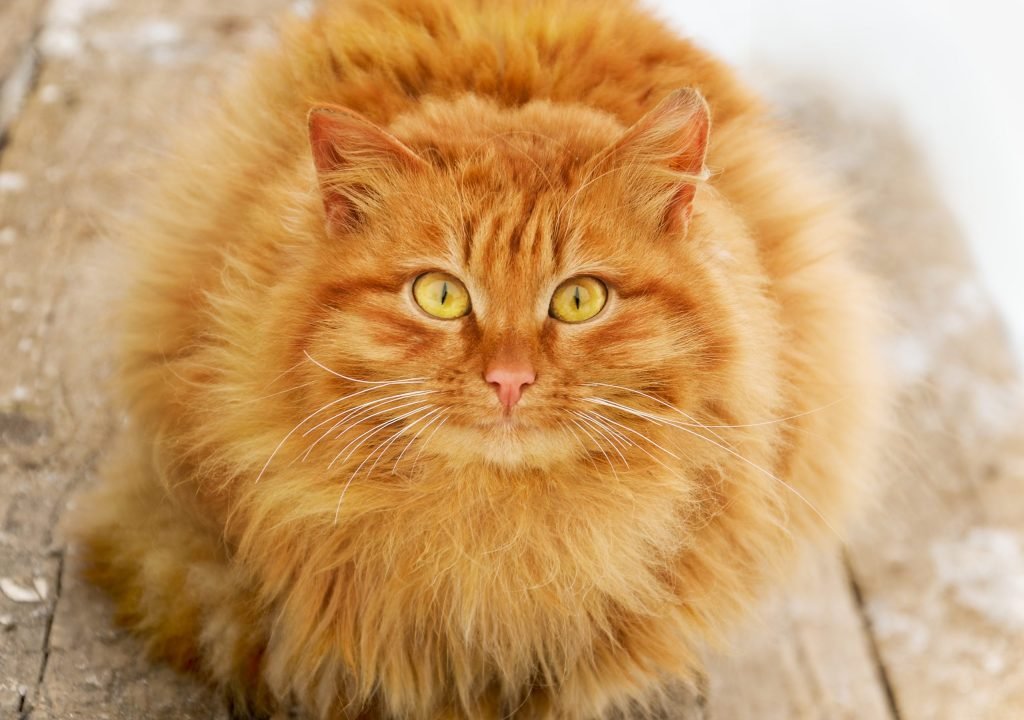
Have you noticed your cat spending hours licking and biting its fur? Excessive grooming can be more than just a quirky habit—it might be a sign that your furry friend is stressed, uncomfortable, or even in pain.
If you’re worried about your cat’s constant grooming, you’re not alone. Understanding why your cat is over-grooming is key to helping them feel better and keeping their coat healthy. Keep reading to discover the hidden reasons behind this behavior and what you can do to support your pet’s well-being.

Credit: www.holistapet.com
Reasons For Excessive Grooming
Excessive grooming in cats can be puzzling and concerning for any pet owner. Understanding the reasons behind this behavior helps you address the root cause effectively. Let’s look at some common triggers that might make your cat over-groom.
Allergies And Skin Issues
Allergies are a frequent cause of excessive grooming. Cats may react to certain foods, pollen, or cleaning products by licking or scratching their skin nonstop.
Skin irritations like rashes or dry patches can also make your cat uncomfortable. Have you noticed your cat licking one spot repeatedly? This often points to a skin problem needing a vet’s attention.
Parasites And Infections
Fleas, ticks, and mites can make your cat itch relentlessly. Even a single flea can cause intense discomfort, prompting your cat to groom excessively to ease the irritation.
Infections from bacteria or fungi might also drive this behavior. These infections sometimes hide under the fur, so a thorough checkup is essential if you spot bald patches or sores.
Stress And Anxiety
Just like people, cats feel stress and anxiety that can lead to over-grooming. Changes in the household, new pets, or loud noises can unsettle your furry friend.
Have you seen your cat grooming more after a move or introduction of a new family member? This is your cat’s way of coping with emotional discomfort.
Boredom And Environmental Factors
A lack of mental and physical stimulation often causes cats to groom excessively. If your cat is indoors all day without toys or interaction, grooming might become a way to pass time.
Try adding new toys or play sessions to your cat’s routine and see if the grooming decreases. Cats need engagement to stay happy and healthy.
Underlying Medical Conditions
Sometimes, excessive grooming signals deeper health issues like arthritis or hormonal imbalances. These conditions cause pain or discomfort, and grooming helps your cat soothe those feelings.
If your cat’s grooming habits suddenly change without a clear reason, a vet visit is crucial. Early diagnosis can prevent more serious problems down the line.
Signs To Watch For
Excessive grooming in cats can signal underlying problems. Early detection helps prevent serious health issues. Watch for clear signs that show your cat may be over-grooming. These signs can be physical or behavioral.
Hair Loss Patterns
Notice if your cat has bald spots or thinning fur. Hair loss often appears in patches or along certain areas like the belly, legs, or tail. Uneven fur loss is a key sign of too much grooming. Check for broken hairs or short stubs as well.
Skin Redness And Irritation
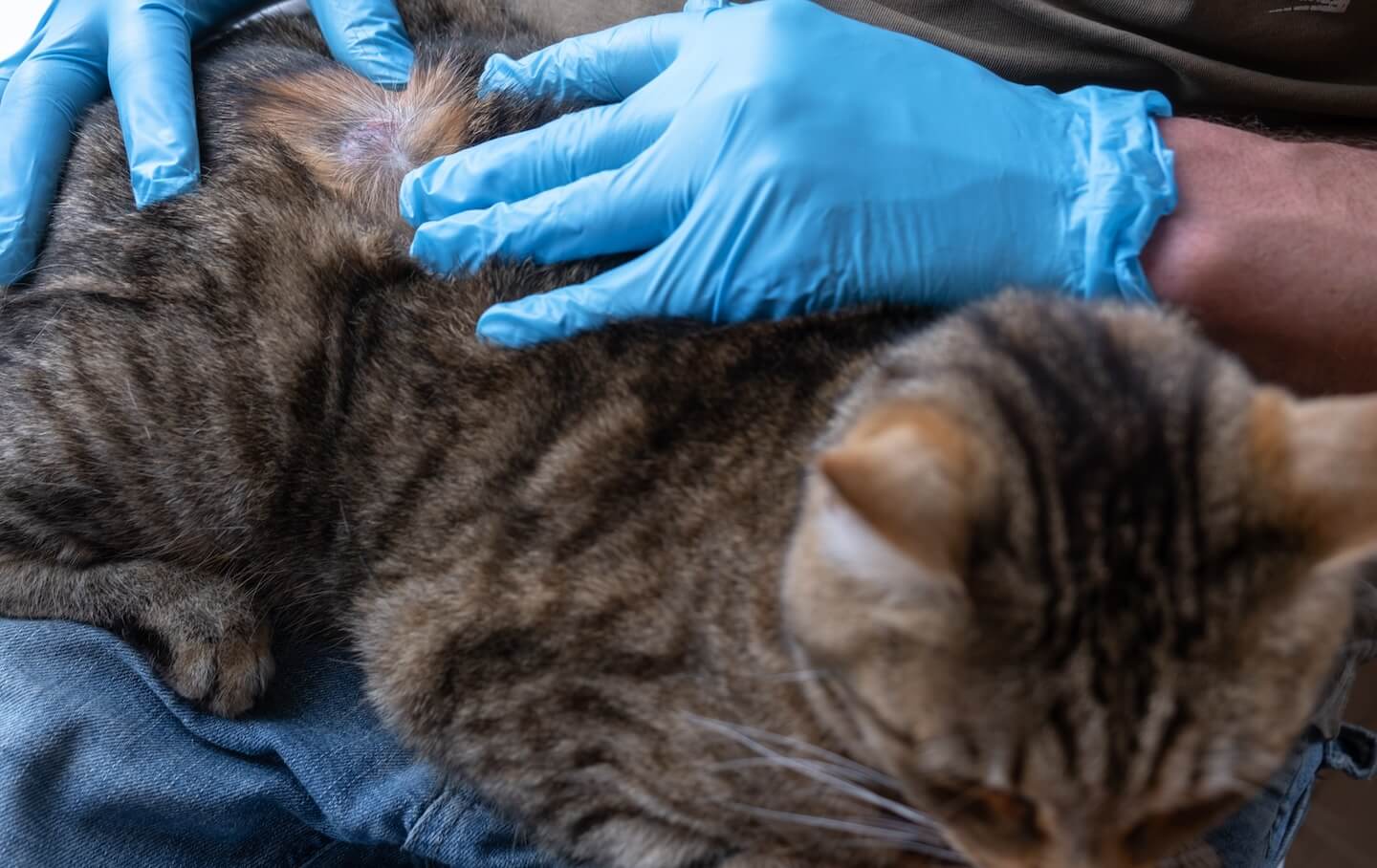
Look closely at your cat’s skin for redness or inflammation. Irritated skin may be sensitive or warm to the touch. Scabs, sores, or small wounds can develop from constant licking or scratching. These signs show that grooming is harming your cat’s skin.
Behavioral Changes
Changes in behavior can reveal stress or discomfort. Your cat might hide more or act restless. Watch for increased scratching or licking beyond normal grooming. A sudden dislike of petting or touch also hints at problems.
Frequency And Duration Of Grooming
Observe how often and how long your cat grooms. Normal grooming is brief and spaced out during the day. Excessive grooming means longer sessions or grooming several times in a row. Notice if your cat focuses on one spot repeatedly.
Diagnosing The Problem
Understanding why your cat is grooming excessively is the first step to helping them feel comfortable again. Diagnosing the problem involves a careful look at their health and behavior. It’s not always obvious what’s causing the issue, so a detailed examination is key.
Veterinary Examination
Your vet will start with a physical check-up to spot any signs of irritation, injury, or infection. They’ll look for redness, bumps, or hair loss that might explain the grooming behavior. Sometimes, even subtle changes can reveal a lot about what’s bothering your cat.
Don’t be surprised if your vet asks about your cat’s daily routine and environment. These details help rule out stress or changes at home that might trigger over-grooming.
Skin Tests And Allergy Screening
Skin problems often cause cats to groom too much. Your vet might take skin scrapings or perform allergy tests to find out if parasites, bacteria, or allergies are the culprits. These tests can show if your cat is reacting to food, pollen, or even cleaning products.
Allergy screening can feel overwhelming, but it’s valuable. Identifying allergens allows you to adjust your cat’s environment or diet to prevent flare-ups.
Behavioral Assessment
Sometimes, excessive grooming is linked to stress or anxiety rather than physical issues. A behavioral assessment can help uncover emotional triggers. Your vet or a pet behaviorist might ask about changes in your household or your cat’s interaction with family members.
Think about moments when your cat starts grooming—are they alone, bored, or anxious? Understanding these patterns can lead to practical changes that improve their well-being.
Credit: najupets.com
Treatment Options
Excessive grooming in cats can be frustrating and concerning for pet owners. The good news is there are several treatment options available that can help your feline friend feel comfortable again. Understanding these treatments can guide you to make the best choices for your cat’s health and happiness.
Medications And Topical Treatments
Medications often play a key role in stopping excessive grooming. Your vet might prescribe anti-inflammatory drugs or antibiotics if your cat has skin infections or allergies.
Topical treatments like medicated shampoos or ointments can soothe irritated skin. These treatments reduce itching and help heal wounds caused by over-grooming.
Parasite Control
Parasites like fleas or mites can trigger your cat to groom too much. Regular parasite control is essential to keep these pests away.
Use flea preventatives recommended by your vet, and check your cat’s fur frequently. Parasite control not only stops itching but also prevents other health problems.
Stress Management Techniques
Stress is a hidden cause of excessive grooming. Identifying and reducing stressors in your cat’s environment can make a big difference.
Simple changes like a quiet space, consistent routine, or pheromone diffusers can calm your cat. Have you noticed if your cat grooms more after loud noises or changes at home?
Environmental Enrichment
Boredom can lead to over-grooming, so adding stimulating activities can help. Toys, climbing trees, and interactive play sessions keep your cat mentally and physically active.
Consider rotating toys to keep things interesting. When your cat has enough to do, they are less likely to fixate on grooming.
Preventing Excessive Grooming
Excessive grooming in cats can signal underlying issues that affect their well-being. Preventing this behavior means addressing both physical health and emotional needs. By paying attention to your cat’s routine and environment, you can help keep grooming habits healthy and balanced.
Regular Vet Checkups
Frequent visits to the vet help catch skin infections, allergies, or parasites early—common triggers for over-grooming. Your vet can offer targeted treatments or adjustments in care to ease discomfort. Have you noticed any changes in your cat’s skin or coat that worry you?
Don’t wait for visible symptoms; schedule checkups regularly to spot hidden issues. Vaccinations and parasite control also play a role in overall skin health. A healthy cat is less likely to develop grooming problems.
Balanced Diet And Nutrition
Your cat’s diet directly impacts skin and coat condition. A lack of essential fatty acids, vitamins, or minerals can lead to dry, itchy skin. Feeding high-quality food tailored to your cat’s age and health needs reduces these risks.
Consider supplements if your cat shows signs of dull fur or irritation, but consult your vet first. Have you checked the ingredients in your cat’s food lately? Sometimes, food allergies cause over-grooming, so watch for patterns related to diet changes.
Providing Mental And Physical Stimulation
Boredom and stress often drive cats to groom excessively. Providing toys, puzzle feeders, and interactive play sessions keeps their minds and bodies busy. This helps redirect their focus away from grooming.
Try varying play routines to maintain interest and challenge your cat. How often do you engage your cat in active play? Even short, frequent sessions can make a big difference in behavior.
Maintaining A Calm Environment
Stressful surroundings can push a cat into compulsive grooming. Keep your home quiet and predictable by minimizing loud noises and sudden changes. A calm space helps your cat feel secure and relaxed.
Providing safe hiding spots and consistent routines can soothe anxious cats. Have you noticed if certain events or visitors trigger your cat’s grooming? Identifying and reducing these stressors can improve their comfort and behavior.

Credit: www.reddit.com
When To Seek Immediate Help
Knowing when to seek immediate help for your cat’s excessive grooming can make a huge difference in their recovery and comfort. Grooming is normal, but when it turns into a compulsive behavior, it often signals an underlying problem. Acting quickly can prevent further harm and ensure your cat gets the right treatment.
Signs Of Infection
Watch closely for redness, swelling, or oozing wounds on your cat’s skin. These are clear signs that infection may have set in due to constant licking or scratching.
If you notice a bad smell or your cat seems unusually sensitive when you touch certain areas, don’t wait. Infections can spread fast and cause serious pain.
Severe Hair Loss
Spotting large patches of missing fur or bald spots means your cat’s grooming is excessive and damaging the coat. This level of hair loss often points to stress, allergies, or parasites.
Have you ever seen your cat’s fur fall out so much that their skin becomes visible? That’s when immediate vet attention is necessary to identify the root cause.
Changes In Eating Or Drinking Habits
If your cat suddenly eats or drinks much less (or more), it could be a sign of discomfort or illness linked to their grooming behavior. These changes affect their overall health and should not be ignored.
Notice if your feline friend seems lethargic or avoids food and water. These behavioral shifts often indicate that excessive grooming is part of a bigger health issue requiring prompt care.
Frequently Asked Questions
Why Is My Cat Excessively Grooming Itself?
Excessive grooming in cats may indicate stress, allergies, or skin issues. It can also signal boredom or pain. Observing behavior and consulting a vet helps identify the cause and find proper treatment.
Can Excessive Grooming Harm My Cat’s Health?
Yes, over-grooming can cause skin irritation, hair loss, and wounds. It may lead to infections if untreated. Prompt veterinary care is essential to prevent complications and ensure your cat’s comfort.
How Can I Stop My Cat From Over-grooming?
Identify and treat underlying causes like allergies or stress. Provide enrichment, reduce anxiety, and use vet-recommended treatments. Regular check-ups help monitor progress and maintain your cat’s health.
Is Excessive Grooming A Sign Of Anxiety In Cats?
Yes, cats often groom excessively when anxious or stressed. It acts as a coping mechanism. Addressing environmental stressors and providing comfort can reduce anxiety-related grooming.
Conclusion
Excessive grooming in cats can signal health or stress issues. Watch your cat’s behavior closely to spot changes. Offer a calm, safe environment to help reduce stress. Consult a vet to rule out skin or medical problems. Early action helps keep your cat happy and healthy.
Remember, caring for your cat means paying attention to small signs. Taking steps now can prevent bigger problems later. Keep your cat’s well-being as a top priority every day.
