

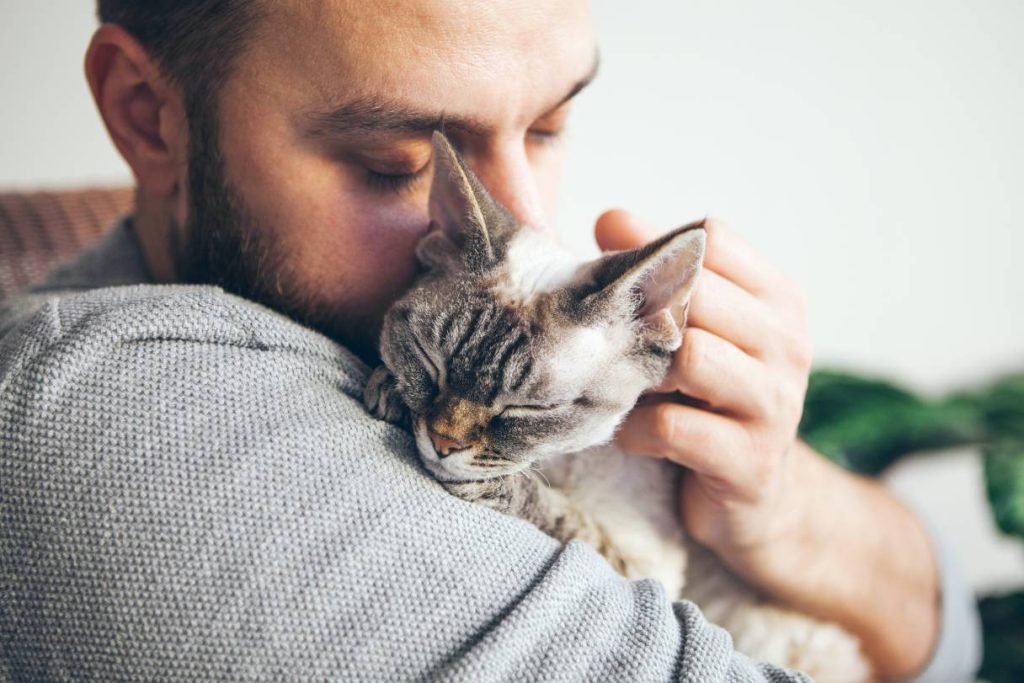
Facing the decision of cat euthanasia is one of the hardest moments you can experience as a pet owner. You want to do what’s best for your beloved companion, but the thought of handling it yourself can feel overwhelming.
If you’re wondering about “Cat Euthanasia Do It Yourself,” this article will guide you through the important facts you need to know. You’ll learn what’s safe, what’s not, and how to make the process as peaceful as possible for both you and your cat.
Keep reading to find the answers that can help you make the most compassionate choice in this difficult time.
When To Consider Euthanasia
Deciding when to consider euthanasia for your cat is one of the hardest choices. It involves understanding your cat’s health and happiness. The goal is to prevent unnecessary pain and suffering. Recognizing the right time can bring peace to both you and your pet.
Signs Of Suffering
Look for changes in behavior or health that indicate pain. Your cat may stop eating or drinking. Notice if they hide often or show aggression. Difficulty breathing or moving can signal distress. Constant crying or vocalizing might mean discomfort. These signs suggest your cat may be suffering.
Quality Of Life Factors
Assess daily joys your cat still experiences. Can they eat, play, or groom themselves? Check if they respond to your touch or voice. A poor quality of life means more pain than pleasure. Consider if your cat’s illness limits their comfort and happiness. Balance the good moments against the bad.
Consulting A Veterinarian
Talk openly with your vet about your cat’s condition. They can provide medical facts and pain assessments. Your vet can explain treatment options and outcomes. Professional advice helps you make an informed decision. Don’t hesitate to ask questions about your cat’s well-being.
Preparing For The Process
Preparing for the process of cat euthanasia at home is emotionally challenging and requires careful planning. Creating the right setting helps both you and your pet feel safe and peaceful during this difficult time. Thoughtful preparation can ease the process and provide a sense of control when emotions run high.
Creating A Calm Environment
Choose a quiet room where your cat feels most comfortable, such as their favorite resting spot. Dim the lights and reduce noise to create a soothing atmosphere. Soft music or familiar scents can help relax your cat and lower stress for everyone involved.
Have you noticed how your cat reacts to certain sounds or smells? Use that knowledge to tailor the space to their needs. Avoid places with heavy foot traffic or interruptions to maintain calmness throughout the process.
Gathering Necessary Supplies
Before you begin, gather everything you’ll need to avoid last-minute scrambling. This includes any medications, syringes, towels, and a comfortable blanket for your cat to lie on.
Keep items within arm’s reach so you can focus on your cat without distraction. Having water and tissues nearby is also helpful for you during this emotional moment. Preparing in advance shows care and respect for your pet’s final moments.
Involving Family Members
Decide who should be present based on what feels right for your family and your cat. Some pets find comfort in familiar faces, while others may become anxious with too many people around.
Talk openly with family members about their feelings and roles during the process. Supporting each other can ease the emotional weight, but be ready to step back if the situation becomes overwhelming for anyone involved.
Methods For At-home Euthanasia
Deciding to perform cat euthanasia at home is deeply personal and challenging. Understanding the available methods is crucial to ensure the process is peaceful and respectful for your cat. Let’s explore how to approach this with care, focusing on safe practices and avoiding common pitfalls.
Safe And Humane Options
Humane euthanasia requires methods that minimize pain and distress. Injectable euthanasia solutions, like those containing pentobarbital, are considered the safest and most effective. These drugs act quickly to induce unconsciousness followed by a painless passing.
Other options, such as inhalant anesthetics, may cause stress and are less reliable for a peaceful end. It’s important to avoid unverified or home remedies that can prolong suffering. Your priority should be your cat’s comfort and dignity throughout the process.
Dosage And Administration Guidelines
Accurate dosing is critical. The amount of euthanasia solution depends on your cat’s weight and health condition. Administering too little can cause distress, while too much can be harmful to anyone handling the medication.
Injection is typically done intravenously for rapid effect, but intraperitoneal injection is an alternative if veins are inaccessible. You should prepare sterile equipment and ensure your cat is calm before administration. Consulting a veterinarian for precise dosage advice—even if performing at home—can save you from mistakes.
Avoiding Common Mistakes
One major error is attempting euthanasia without proper drugs or knowledge. Using household chemicals or unapproved substances can cause pain and trauma. Another mistake is rushing; your cat needs a calm environment to reduce fear and confusion.
Don’t underestimate the emotional toll on yourself. Being prepared mentally and having support nearby can help you stay focused. Have you considered how you will handle your own emotions during this process? Planning ahead for aftercare is just as important to honor your cat’s memory.

Credit: www.alleycat.org
Emotional Support During And After
Facing the decision to euthanize your cat on your own is emotionally challenging. You are not only managing the practical side but also the deep feelings that come with saying goodbye. Emotional support during and after this process is crucial to help you heal and find peace.
Coping With Grief
Grief hits differently for everyone. You might feel sadness, guilt, or even relief, and all these emotions are valid. Allow yourself to experience these feelings without judgment.
Writing down your thoughts can help. Try journaling what you miss most about your cat or what you’re feeling at different times of the day. This can bring clarity and comfort.
Have you noticed how certain songs or places suddenly remind you of your cat? Recognizing triggers can prepare you to handle emotional moments better.
Seeking Support Networks
You don’t have to go through this alone. Connecting with others who understand your pain can make a big difference. Look for local pet loss support groups or online communities where you can share your story.
Friends and family might want to help but don’t always know how. Let them know what you need—whether it’s someone to listen or simply sit quietly with you.
- Join forums dedicated to pet loss
- Attend support group meetings
- Talk to a counselor familiar with pet grief
Memorializing Your Cat
Creating a memorial can give you a sense of closure and honor your cat’s place in your life. This can be a photo album, a special box with their belongings, or even a small garden spot.
Some find comfort in planting a tree or flowers in memory of their cat. Others create digital memorials by sharing stories and pictures online.
What kind of memorial would feel right for you? Taking this step helps turn your grief into a lasting tribute.
Legal And Ethical Considerations
Facing the decision of euthanizing your cat at home involves more than just the emotional weight. You must consider the legal framework and your ethical duties carefully. Understanding these factors ensures you act responsibly and with respect for your pet’s well-being.
Laws Surrounding At-home Euthanasia
Each region has specific laws regarding euthanasia, especially when it happens outside a veterinary setting. Many places require a licensed professional to perform euthanasia to ensure it is done humanely.
Performing euthanasia yourself without proper authorization can lead to legal consequences, including fines or criminal charges. You should check local regulations before making any decisions.
Some states or countries allow at-home euthanasia but only through a veterinarian who visits your home. This option balances legal compliance with the comfort of your pet.
Ethical Responsibilities Of Pet Owners
Your cat depends on you for care and protection, especially in difficult moments. Ethically, your priority should be minimizing pain and distress.
Consider whether you have the skills and tools to perform euthanasia without causing suffering. If not, seeking professional help is the kindest choice.
Ask yourself: Are you prepared to handle the emotional impact of doing this yourself? Sometimes, having a vet present provides not just medical support but emotional reassurance.
- Ensure your decision is based on your cat’s quality of life, not convenience.
- Communicate openly with family members or others involved in your pet’s care.
- Respect the dignity of your cat by choosing the most humane method available.

Credit: www.alleycat.org
Alternatives To At-home Euthanasia
Facing the decision of euthanasia for your cat is incredibly difficult. You might consider doing it at home, but there are other options that can provide comfort and support for both you and your pet. Understanding these alternatives can help you make a choice that respects your cat’s well-being and your peace of mind.
Veterinary Clinic Services
Veterinary clinics offer professional euthanasia services that prioritize your cat’s comfort. Skilled vets use precise methods to minimize pain and stress. This setting also allows you to ask questions and receive emotional support during a tough time.
Clinics often provide a calm, quiet environment, making the process less frightening for your cat. Plus, they can handle all aftercare arrangements, relieving you of those burdens. Have you thought about how a professional setting might ease your own anxiety?
Palliative And Hospice Care
Palliative and hospice care focus on improving your cat’s quality of life without rushing to euthanasia. These services manage pain and symptoms, offering comfort as your cat ages or faces illness. You can keep your cat at home while receiving expert guidance on care routines.
This approach often extends the time you share with your pet, emphasizing comfort over cure. It also gives you space to prepare emotionally for the eventual goodbye. Could focusing on comfort now be a way to honor your cat’s life and your bond?

Credit: www.reddit.com
Frequently Asked Questions
What Is Cat Euthanasia Do It Yourself?
Cat euthanasia do it yourself means performing euthanasia at home. It involves using prescribed medications under veterinary guidance. It is a sensitive process that requires professional advice to ensure it is humane and safe for the cat.
Is Diy Cat Euthanasia Legal And Ethical?
DIY cat euthanasia legality varies by location. It is often restricted to licensed veterinarians. Ethically, it requires careful consideration and professional guidance to avoid causing suffering. Always consult a veterinarian before attempting any euthanasia at home.
What Are The Risks Of Diy Cat Euthanasia?
Risks include improper dosing, prolonged suffering, and potential harm to the owner. Without veterinary knowledge, the process can be traumatic and inhumane. Professional supervision ensures the procedure is quick, painless, and respectful to the cat.
How To Prepare For At-home Cat Euthanasia?
Prepare a quiet, comfortable space with familiar items. Have all medications and supplies ready as per veterinary instructions. Ensure emotional support for yourself and family. Follow all veterinarian guidelines carefully to minimize stress for your cat.
Conclusion
Saying goodbye to a cat is never easy. Choosing to help your pet peacefully takes courage and love. Doing it yourself means understanding the process fully and preparing well. Always put your cat’s comfort and dignity first. Remember, you are not alone in this.
Reach out for support if you need it. Your cat’s pain and suffering matter most. Take time to heal after this hard decision. Trust your heart and do what feels right for both of you.
