

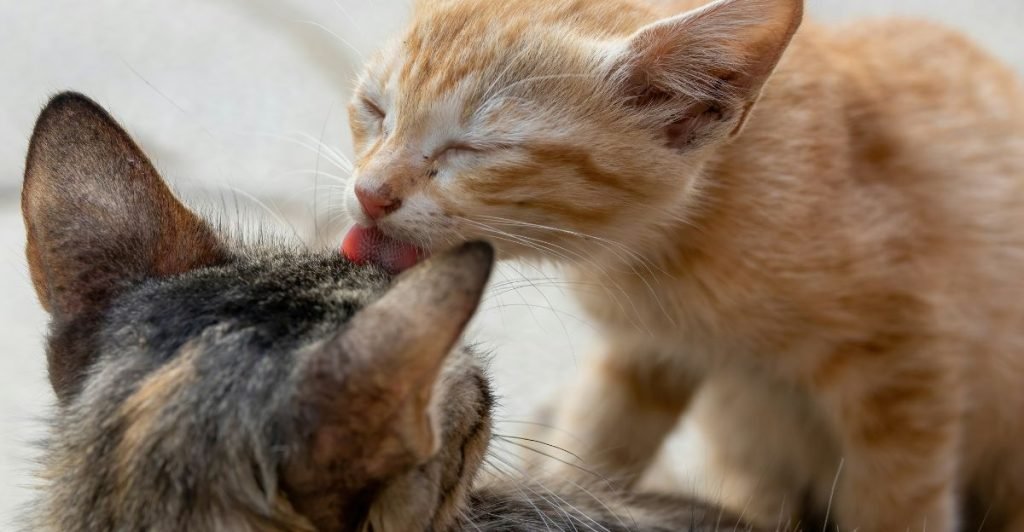
Have you ever noticed your cat licking another cat in a way that seems more than just friendly grooming? This behavior, known as cat dominance grooming, is a fascinating way cats communicate and establish their place in the social hierarchy.
Understanding why your cat grooms others can reveal a lot about their relationships and personality. If you want to decode these subtle signals and strengthen your bond with your feline friend, keep reading—this insight will change how you see your cat’s behavior forever.
Credit: basepaws.com
Cat Grooming Behavior
Understanding your cat’s grooming behavior gives you a window into their world. Grooming is more than just keeping clean; it reveals how your cat feels and interacts with their environment. Observing these behaviors can help you spot changes in health or mood early on.
Why Cats Groom
Cats groom to stay clean, removing dirt and loose fur. This habit also helps regulate their body temperature and reduce stress.
Have you noticed your cat licking after a stressful event? Grooming serves as a calming mechanism, much like taking deep breaths for us. It’s their way of self-soothing and regaining balance.
Types Of Grooming
Cats engage in different grooming styles, each with a specific purpose:
- Self-grooming:Cleaning their fur and skin using their tongue and paws.
- Mutual grooming:Cats grooming each other, often between bonded cats.
- Allogrooming:Grooming directed towards others, showing affection or social bonding.
Recognizing these types helps you understand your cat’s relationships and emotional state.
Social Grooming In Cats
Social grooming is a powerful way cats build and maintain relationships. When your cat licks another cat or even you, it’s a sign of trust and acceptance.
This behavior also reduces tension within multi-cat households. If you see cats grooming each other, it means they feel safe and connected.
Have you ever wondered why your cat licks your hand or face? It’s their way of including you in their social circle, strengthening your bond.
Dominance In Cat Groups
Understanding dominance in cat groups can change the way you view your feline companions. Cats aren’t just solitary creatures; they often form complex social structures when living together. Recognizing how dominance works helps you manage their interactions and ensure a peaceful home.
Hierarchy Among Cats
Cats living in groups usually organize themselves into a hierarchy. This ranking determines access to resources like food, resting spots, and attention from humans. The top cat, often called the alpha, gets first choice, while others fall into ranks below.
Hierarchy isn’t fixed. It can shift with changes in the group, such as new cats arriving or others leaving. You might notice your usually dominant cat becoming more submissive if a stronger personality moves in.
Signs Of Dominance
Dominant cats show their status through specific behaviors. You might see them standing tall, staring directly, or taking the best sleeping spots. They often initiate play or grooming and may swipe or hiss to assert control.
Watch for subtle cues too. A dominant cat may block access to food bowls or beds. If your cat pushes others away gently but firmly, it’s a clear sign of leadership in the group.
Role Of Grooming In Hierarchy
Grooming is more than just keeping clean; it’s a social tool among cats. Dominant cats often groom subordinates, which strengthens bonds and reinforces their higher rank. This behavior shows trust but also control.
If you see one cat licking another’s head or neck, it’s a sign of acceptance and dominance. Grooming can reduce tension in the group and help maintain peace. Have you noticed your cats grooming each other after a tense moment?
Grooming As A Social Tool
Grooming in cats is more than just cleaning fur; it’s a powerful social tool that shapes their interactions. When cats groom each other, they communicate feelings, establish relationships, and even manage conflicts. Understanding this behavior helps you see your cat’s social world in a new light.
Bonding Through Grooming
Grooming creates a strong bond between cats. When you watch two cats licking each other’s fur, they are not just keeping clean—they are showing affection and trust. This shared activity helps build a sense of family and belonging within a group.
Have you noticed your cats grooming each other after a play session? That’s their way of reconnecting and reinforcing their friendship. You can encourage this by providing a calm environment where they feel safe and relaxed.
Grooming And Conflict Resolution
Grooming also plays a surprising role in easing tensions. After a disagreement, cats may groom each other to reduce stress and signal peace. It’s like their way of saying, “Let’s move past this.”
If you see your cats grooming each other after a spat, it’s a sign they are working through their issues. This natural behavior can teach you how to help your cats settle conflicts gently, without forcing interaction.
Establishing Trust
Trust is at the heart of grooming. A cat won’t allow another to groom unless it feels safe and comfortable. This act of vulnerability strengthens their bond and confirms their social standing.
Think about how your cat behaves around you—do they let you pet or groom them in sensitive areas? That’s a sign of deep trust. You can nurture this by being patient and respectful of their boundaries, allowing grooming to become a shared ritual.
Factors Influencing Grooming Behavior
Grooming behavior in cats shows many variations. These changes depend on several key factors. Understanding these can help explain why cats groom differently. Age, gender, and environment all play roles in shaping grooming habits. Each factor influences the frequency and style of grooming.
Age And Grooming
Young cats groom less than adults. Kittens often rely on their mother for cleaning. As cats grow, they learn to groom themselves more thoroughly. Older cats may groom less due to health issues or lower energy. Grooming habits can slow down with age.
Gender Differences
Male and female cats show some grooming differences. Female cats tend to groom more frequently. This may link to maternal instincts and hormone levels. Males might groom less but can be more focused on specific areas. Neutering or spaying can also change grooming patterns.
Environmental Influences
The environment affects how often cats groom. Cats in clean homes may groom less often. Outdoor cats need to groom more to remove dirt and debris. Stressful or noisy environments can reduce grooming behavior. A calm, safe space encourages regular grooming.
Observing Cat Grooming Dynamics
Cat grooming is more than just keeping clean. It shows relationships and social order among cats. Watching how cats groom each other reveals their feelings and roles in a group. Grooming can mean trust, care, or even control. Understanding these grooming dynamics helps pet owners know their cats better. It also helps spot problems early.
Interpreting Grooming Patterns
Cats often groom close friends or family members. Grooming usually happens between cats that trust each other. The cat doing the grooming is often seen as dominant or protective. The cat being groomed is usually more passive or relaxed. Pay attention to who grooms whom and how often. This shows the balance of power and affection in the group.
Changes In Grooming Behavior
Sudden changes in grooming can mean shifts in relationships or health. A dominant cat may groom less if it feels stressed or threatened. A cat that stops grooming others might be sick or unhappy. Watch for increases in grooming too. Excessive grooming could be a sign of anxiety or skin problems. Noticing these changes helps catch issues early.
When Grooming Signals Stress
Grooming can also show stress or discomfort. Cats might groom themselves or others to calm down. Stress grooming looks different from normal grooming. It is often faster, more intense, or repeated. Stress can come from new pets, loud noises, or changes in the home. If grooming seems anxious, try to find and reduce the stress source.

Credit: basepaws.com
Implications For Cat Owners
Understanding cat dominance grooming helps owners create a calm home. Cats use grooming to show affection and rank. This behavior affects how cats interact daily. Owners can support healthy social bonds by recognizing grooming signs. Proper management encourages peaceful living for all cats in the house.
Encouraging Positive Grooming
Positive grooming builds trust between cats. Encourage grooming by:
- Providing quiet spaces for cats to relax together
- Using gentle petting to mimic grooming
- Rewarding calm behavior during grooming sessions
- Avoiding interruptions during grooming to prevent stress
These steps help cats feel safe and connected.
Managing Multi-cat Households
Multi-cat homes need extra care to reduce conflicts. Watch for signs of stress like hissing or hiding. Separate cats if grooming turns into aggression. Provide multiple resources:
- Separate litter boxes
- Individual feeding stations
- Multiple resting spots
Giving cats space reduces competition and tension.
Supporting Social Harmony
Social harmony depends on understanding cat body language. Respect each cat’s grooming preferences. Encourage gentle grooming and stop rough play quickly. Observe interactions to spot dominance shifts early. Helping cats feel secure strengthens their bond.

Credit: basepaws.com
Frequently Asked Questions
What Is Cat Dominance Grooming Behavior?
Cat dominance grooming is when one cat licks another to show control. It establishes social hierarchy and trust. This behavior helps cats bond while reinforcing their status within the group. It is common in multi-cat households.
Why Do Cats Groom Each Other Excessively?
Excessive grooming often signals dominance or stress between cats. It can also mean one cat seeks comfort or attention. Observing body language helps determine if grooming is friendly or a power display. Balance is key for healthy relationships.
How Does Dominance Grooming Affect Cat Relationships?
Dominance grooming strengthens social bonds and clarifies hierarchy. It reduces conflict by showing submission or control. Proper grooming promotes peace and cooperation among cats. However, too much can cause tension if one cat feels overwhelmed.
Can Dominance Grooming Cause Problems For Cats?
Yes, if one cat grooms another too often, it may cause stress. The groomed cat might feel annoyed or trapped. Owners should watch for signs of discomfort and intervene if necessary. Healthy boundaries maintain harmony.
Conclusion
Cat dominance grooming shows how cats build social bonds. It helps them feel safe and close to each other. Watching this behavior gives clues about their relationships. It also helps owners understand their pets better. Respect your cat’s signals and space during grooming.
This simple act means more than just cleaning. It’s a way cats show trust and care. Knowing this can improve your bond with your cat. Keep observing and enjoy these quiet moments together.
