

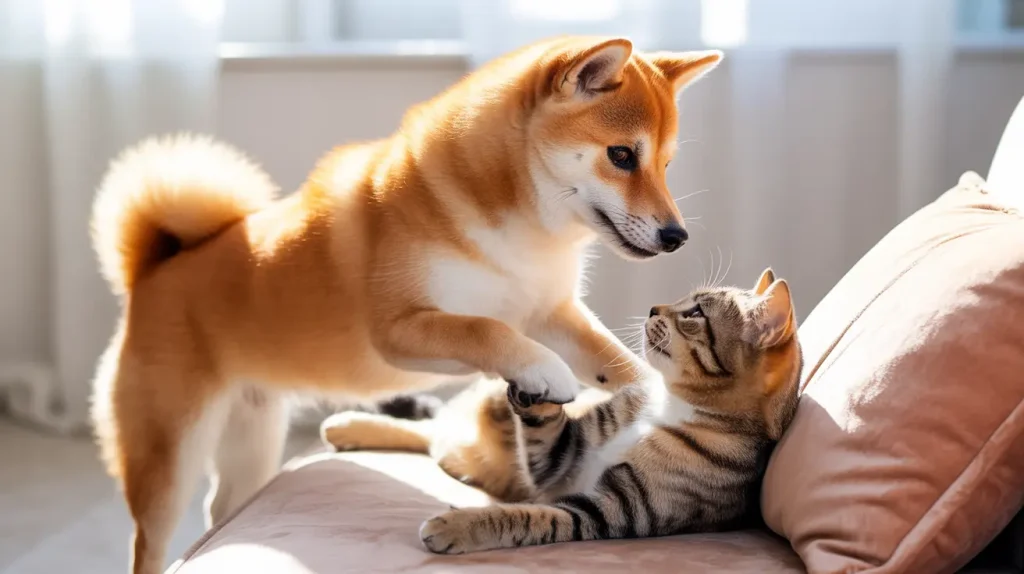
Are you curious about the idea of cat dog breeding? It’s a fascinating topic that sparks a lot of questions and imagination.
You might wonder if it’s even possible or what such a mix would look like. Understanding this can open up new perspectives about pets and the science behind breeding. Keep reading, and you’ll discover surprising facts that could change the way you think about your furry friends forever.
History Of Cat Dog Breeding
The history of cat dog breeding is a fascinating tale that challenges what you might think about animal genetics and hybridization. While true cat-dog hybrids do not exist naturally, the idea has sparked curiosity and imagination across cultures and centuries.
Understanding this history helps you see how people have long been interested in blending traits from different animals to create unique companions. It also reveals how science and folklore have shaped these concepts.
Early Myths And Legends
Ancient stories often mentioned creatures that combined features of cats and dogs. These tales appeared in various cultures, from Egyptian to Asian folklore, symbolizing traits like loyalty and independence.
People used these myths to explain natural phenomena or to teach lessons, not to describe real animals. Have you ever wondered why some myths stick around despite lacking real-world evidence?
Scientific Attempts And Misunderstandings
In the 19th and early 20th centuries, some scientists and breeders experimented with crossbreeding animals. However, because cats and dogs have different numbers of chromosomes, successful breeding between them is biologically impossible.
This led to many misunderstandings and false claims about cat-dog hybrids. Your curiosity here might make you question how often science is confused with wishful thinking.
Modern Genetic Research
Today, geneticists explore animal DNA in ways that were unimaginable before. While direct cat-dog breeding remains impossible, gene editing and cloning open new frontiers in animal science.
This progress raises ethical and practical questions. What limits would you set if you could design new animal breeds in a lab?
Genetics Behind Crossbreeding
Understanding the genetics behind crossbreeding between cats and dogs reveals fascinating insights into how traits pass from parents to offspring. This knowledge is crucial for anyone interested in breeding or just curious about how two very different species could share genetic material. The science focuses on DNA compatibility, inherited traits, and health considerations that shape the outcome of such unique breeding attempts.
Dna Compatibility
DNA compatibility is the foundation for any successful crossbreeding. Cats and dogs have vastly different numbers of chromosomes—cats have 38, while dogs have 78—making natural hybridization nearly impossible. This genetic gap means that direct breeding between the two species cannot produce viable offspring.
However, understanding DNA compatibility helps you recognize why certain species can crossbreed while others cannot. It also explains why genetic engineering or cloning methods are sometimes explored to bridge this gap, although these are still experimental and controversial. Have you ever wondered why some animals can interbreed easily while others cannot?
Inherited Traits
Inherited traits come from the genes passed down from parents to their young. In crossbreeding, these traits determine physical characteristics, behavior, and sometimes even intelligence. Since cats and dogs are so different genetically, any hypothetical hybrid would inherit a confusing mix of traits.
For example, cats have retractable claws, while dogs do not. Imagine a creature with semi-retractable claws—this would be a direct result of mixed inherited traits. Understanding how traits pass down can help breeders predict what qualities might appear in offspring, guiding selective breeding efforts more effectively.
Health Considerations
Health is a major concern when dealing with any kind of crossbreeding. Mixing two species with different biological systems can lead to unexpected health problems. You must consider immune system compatibility, disease susceptibility, and developmental issues.
Crossbreeding without careful health screening can produce offspring with weakened immune responses or genetic disorders. This makes it critical for breeders to conduct thorough health checks and genetic testing before attempting any cross-species breeding. What health risks would you be willing to take for the sake of creating a new breed?
Popular Cat Dog Hybrids
Popular cat dog hybrids captivate many pet lovers due to their unique blend of traits from both species. These hybrids are rare and often the result of creative breeding or fictional concepts. However, they spark curiosity about what traits such unusual companions might have.
Physical Characteristics
These hybrids typically showcase a mix of feline and canine features. Imagine a creature with the sleek body of a cat but the floppy ears of a dog. Some hybrids might have fur patterns that resemble a dog’s coat but with the agility and grace of a cat.
Size varies widely, depending on the breeds involved. Some hybrids may have cat-like agility with dog-like strength. You might notice unusual combinations like a wagging tail paired with retractable claws.
Behavioral Traits
The behavior of cat dog hybrids blends curiosity and loyalty in surprising ways. They may enjoy the playful independence of cats but also seek the companionship and affection typical of dogs. This mix can make them both entertaining and comforting pets.
Such hybrids might be more adaptable to different living spaces because they combine the quiet nature of cats with the social tendencies of dogs. If you value a pet that can switch between calm and energetic moods, a cat dog hybrid might suit you. How do you think having a pet with both cat and dog instincts would change your daily routine?

Credit: eden-co.com
Ethical Concerns And Controversies
Cat dog breeding raises many ethical concerns and controversies. People question the impact on animal health and well-being. The creation of hybrid animals often involves risks that affect both species. These issues spark debates among breeders, vets, and animal lovers alike.
Animal Welfare
Animal welfare is a top concern in cat dog breeding. Hybrids may suffer health problems due to genetic differences. Stress and discomfort can arise during the breeding process. Many hybrids face challenges in adapting to their environment. Ensuring proper care and treatment is essential. Without it, animals may endure poor quality of life.
Breeding Practices
Breeding practices often lack transparency and regulation. Some breeders prioritize profit over animal health. Selective breeding can cause genetic defects or behavioral issues. Ethical breeders focus on the well-being of both species. Responsible breeding means avoiding harmful genetic combinations. It also involves careful monitoring of the animals’ health.
Legal Issues
Legal issues surround cat dog breeding in many places. Some countries ban or restrict hybrid animal breeding. Laws aim to protect animal welfare and public safety. Breeders must comply with local regulations and licensing. Ignoring these laws can lead to fines or legal actions. Clear rules help prevent unethical breeding practices.
Care And Maintenance Tips
Taking care of a cat-dog hybrid, or any unique breed combination, requires attention to their specific needs. You must understand their diet, exercise, and grooming to keep them healthy and happy. Let’s break down these essential care and maintenance tips so you can provide the best for your pet.
Diet And Nutrition
Your cat-dog hybrid needs a balanced diet that supports both feline and canine traits. High-quality protein is crucial to maintain their energy and muscle health. Look for foods that list meat as the first ingredient and avoid fillers like corn or soy.
Pay attention to portion sizes to prevent overfeeding. These hybrids might have different metabolism rates, so adjust portions based on their activity level and weight. Have you noticed changes in your pet’s appetite? It might be time to consult your vet for tailored advice.
Exercise Needs
Exercise keeps your cat-dog hybrid fit and mentally stimulated. They usually enjoy a mix of playful activities like fetch and climbing. Providing interactive toys can satisfy their curiosity and energy.
Daily walks or play sessions are essential. A tired pet is a happy pet, so don’t skip this part. How often do you engage your pet in active play? Increasing their activity can reduce behavioral problems.
Grooming Requirements
Grooming depends on the coat type your hybrid inherits. Regular brushing prevents mats and reduces shedding. If your pet has a thicker coat, you might need to brush them daily, while shorter fur may only require weekly care.
Don’t forget about nail trimming and dental hygiene. These small steps keep your pet comfortable and prevent health issues. Have you set a grooming routine that fits your schedule? Consistency makes a big difference in their well-being.
Credit: www.theguardian.com
Potential Benefits Of Hybrid Pets
Hybrid pets like cat-dog mixes offer unique advantages for pet lovers. These animals blend traits from both species, making them special companions. Their distinct qualities create new experiences for owners.
Unique Companionship
Hybrid pets combine behaviors of cats and dogs. They can be playful like dogs and independent like cats. This mix gives owners a pet with varied personality traits. Such pets often bond deeply with their families.
Adaptability
These hybrid animals adapt well to different environments. They handle changes in routine better than some pure breeds. Their flexible nature suits both busy and quiet households. They often adjust quickly to new people and pets.
Allergy Considerations
Some hybrid pets may cause fewer allergy problems. Their mixed fur and dander can reduce allergic reactions. This benefit is valuable for families with mild allergies. Still, testing is important before adopting a hybrid pet.
Future Of Cat Dog Breeding
The future of cat dog breeding holds intriguing possibilities shaped by science, market needs, and changing public views. This niche area is evolving faster than many expect, raising questions about ethics, innovation, and demand. What does this mean for breeders, pet lovers, and the animals themselves?
Scientific Advances
Genetic research is pushing boundaries in breeding practices. Techniques like gene editing and DNA screening help identify traits early, ensuring healthier offspring with desired characteristics.
This could reduce health problems common in mixed breeds. Imagine being able to predict and prevent genetic diseases before birth—how would that change your trust in breeders?
Market Trends
Demand for unique pets is rising, with many seeking companions that combine the best traits of cats and dogs. This trend influences breeders to focus more on temperament, size, and care needs.
Pet owners now prioritize animals that fit into busy lifestyles, requiring less maintenance but still offering affection. Would you choose a hybrid pet if it matched your daily routine perfectly?
Public Perception
Opinions on cat dog breeding are mixed and evolving. Some people see it as exciting innovation, while others worry about animal welfare and unnatural breeding.
Awareness campaigns and transparent breeding practices can shift public trust. How much does your perception depend on the breeder’s ethics and the health of the animals involved?

Credit: www.usatoday.com
Frequently Asked Questions
Can Cats And Dogs Breed Together Naturally?
No, cats and dogs cannot breed naturally. They are different species with incompatible genetics. Breeding between them is biologically impossible.
What Is Cat Dog Breeding In Pet Terminology?
Cat dog breeding refers to crossbreeding within each species, not between them. It means breeding specific cat or dog breeds for traits.
Are There Ethical Concerns About Cat Dog Breeding?
Yes, ethical concerns include health risks, genetic defects, and animal welfare. Responsible breeding prioritizes animal health and well-being.
How To Find A Reputable Cat Or Dog Breeder?
Look for breeders with certifications, positive reviews, and transparent practices. They should prioritize health testing and ethical breeding standards.
Conclusion
Breeding cats and dogs is a task that needs care and knowledge. It requires patience and proper understanding of both animals. Always focus on their health and well-being first. Ethical breeding helps create happy, healthy pets for families. This process is about love, respect, and responsibility.
Remember, good breeders make a difference in pets’ lives. Take time to learn and prepare before starting. Your effort can lead to joyful pets and satisfied owners.
