


Do you ever wonder why some cats have such large, captivating ears? These feline features are not just for show; they play a crucial role in your cat’s daily life.
By the time you finish reading, you’ll discover how these large ears contribute to a cat’s sensory world and which breeds flaunt them as their standout feature. If you’re thinking about adopting a new pet, or simply curious about the feline kingdom, this article is tailored just for you.
Dive in, and let’s explore the fascinating world of cat breeds with large ears—you’ll be surprised at just how much these ears can tell you about the breed’s personality and origins.

Credit: www.outdoorbengal.com
Traits Of Large-eared Cats
Large-eared cats have a unique charm that goes beyond their striking appearance. Their ears are not just big for show—they serve important roles that affect how these cats interact with their environment. Understanding the traits of large-eared cats helps you appreciate their special needs and behaviors.
Ear Size And Shape
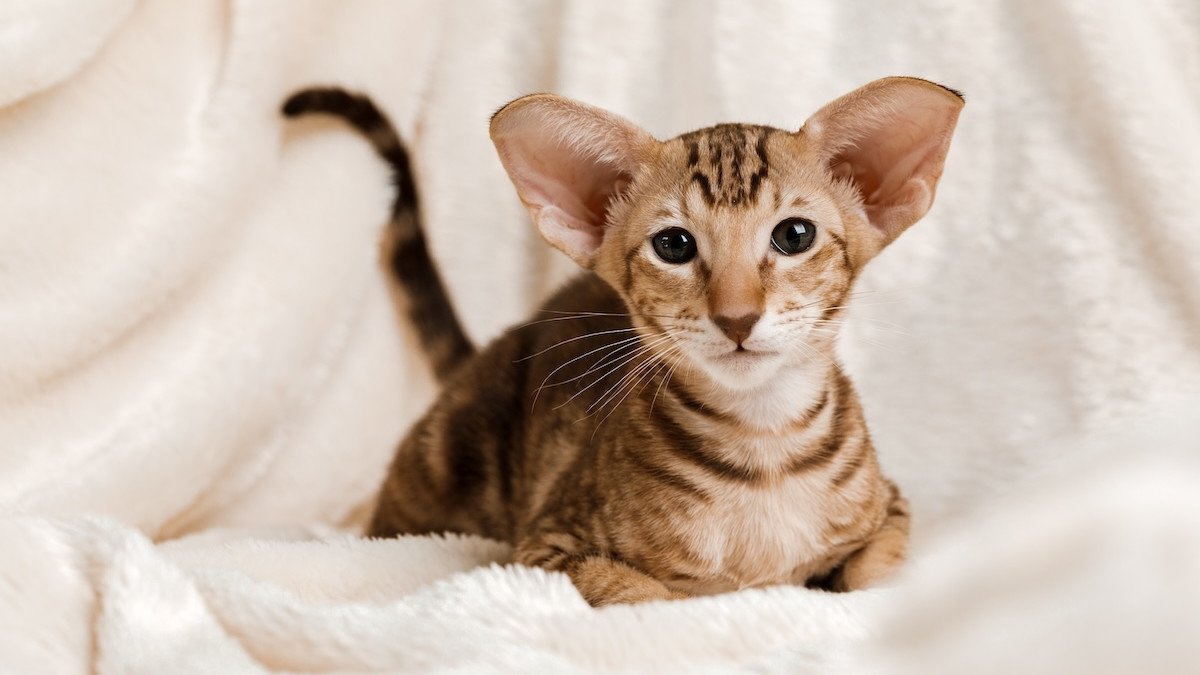
Large-eared cats typically have ears that are tall, wide at the base, and sometimes pointed. The size can vary but is always noticeably bigger compared to average cat breeds. For example, the Oriental Shorthair is famous for its oversized, triangular ears that make them look alert and expressive.
These ears aren’t just about size; their shape allows them to swivel and catch sounds more effectively. You might notice your cat turning its ears independently to pinpoint noises—this flexibility is a direct benefit of their ear design.
Hearing Advantages
One key benefit of large ears is enhanced hearing. These cats can detect higher frequencies and quieter sounds than many other breeds. This ability makes them excellent hunters, even in low-light conditions.
Your cat’s sharp hearing can also mean they react quickly to your calls or the rustle of a treat bag. It’s a reason why large-eared cats often seem more in tune with their surroundings, alert, and responsive.
Evolutionary Reasons
Why did these cats develop such big ears? Evolutionary clues point to their origins in hot, arid regions. Large ears help dissipate heat by increasing surface area, keeping the cat cool.
Additionally, big ears improve sound detection in open landscapes where survival depends on spotting predators or prey early. This trait has been passed down because it offered a clear survival advantage.
Have you ever noticed how your cat’s ears heat up or twitch when they’re curious? That’s a small reminder of their wild ancestors and the evolutionary journey that shaped them.
Top Cat Breeds With Big Ears
Big ears give cats a unique look and excellent hearing. Some breeds naturally have larger ears that stand out. These cats are not only charming but also very alert and curious. Their big ears help them listen better and stay aware of their surroundings.
Oriental Shorthair
The Oriental Shorthair has long, slender ears that point upwards. These ears add to its sleek and elegant appearance. This breed is very vocal and uses its big ears to catch sounds easily. Their ears often appear larger due to their slim faces.
Sphynx
The Sphynx is known for its hairless body and large ears. Its ears are wide at the base and sit high on the head. These ears give the Sphynx a bat-like look. The lack of fur makes the ears more noticeable and adds to the breed’s charm.
Abyssinian
Abyssinians have medium to large ears with rounded tips. Their ears are set wide apart and tilt slightly forward. This breed is very active and alert, making big ears useful for detecting sounds. The Abyssinian’s ears help it stay aware during play and exploration.
Cornish Rex
The Cornish Rex features large, curved ears that sit high on the head. These ears give the cat a playful and curious expression. The breed’s soft, curly coat makes the ears more prominent. Their ears help them pick up even quiet noises around the house.
Savannah
Savannah cats are a mix between domestic cats and wild servals. Their ears are very large, tall, and wide at the base. Big ears help Savannahs hear prey and stay alert in the wild. These striking ears give the Savannah an exotic and wild look.
Care Tips For Large-eared Cats
Caring for cats with large ears requires special attention to keep their ears clean, protected, and healthy. Large ears can easily accumulate dirt and debris, making regular maintenance important. Understanding how to care for these unique features helps prevent discomfort and health issues for your feline friend.
Ear Cleaning Routine
Keeping your cat’s ears clean is essential, especially with larger ears that catch more dust and particles. Use a gentle ear cleaner recommended by your vet and a soft cotton ball or cloth—never use cotton swabs, as they can damage the ear canal.
Check the ears once a week, wiping away any visible dirt or wax buildup. If you notice a strong odor or excessive debris, it might be time for a vet visit. Regular cleaning can also help you spot early signs of infection.
Protecting Sensitive Ears
Large ears are more exposed to environmental hazards like sunburn, cold wind, and scratches. Consider using a pet-safe sunscreen if your cat spends time outdoors, especially if they have light-colored or thin fur around their ears.
Watch for signs that your cat is scratching or shaking their head frequently—this could indicate irritation or discomfort. Creating a safe and calm environment around your home helps reduce the risk of ear injuries from rough play or outdoor adventures.
Health Concerns To Watch
Large ears can sometimes make cats prone to specific health problems such as ear infections, mites, or hematomas. If your cat’s ears appear red, swollen, or if they show signs of pain, don’t wait to seek veterinary advice.
Keep an eye on unusual behaviors like head tilting or loss of balance, which can signal ear-related issues affecting your cat’s overall well-being. Early detection and treatment make a big difference in keeping your large-eared cat happy and healthy.
Credit: paradepets.com
How Ear Size Affects Cat Behavior
Large ears in cats do more than just look unique. They play a key role in how cats behave and interact with their world. These ears help cats communicate, sense sounds, and even improve their hunting skills. Understanding ear size can give insights into a cat’s daily actions and personality.
Communication And Expression
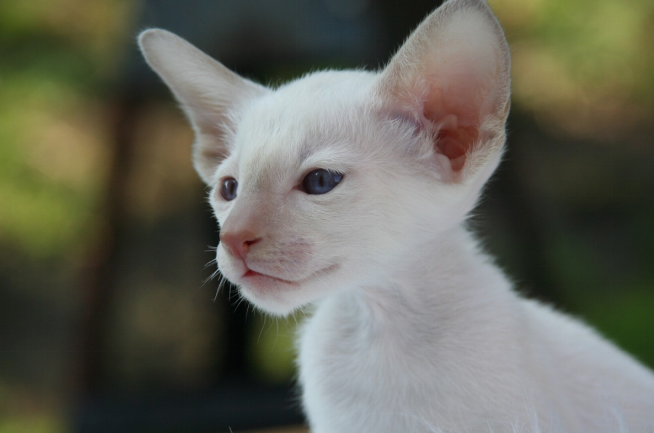
Cats use their ears to show feelings and moods. Big ears move easily to signal curiosity or alertness. When a cat’s ears point forward, it shows interest. Flattened ears often mean fear or anger. Larger ears make these signals clearer to other cats and humans.
Sensitivity To Sound
Large ears catch more sound waves. Cats can hear higher and softer noises than many animals. This helps them notice small movements or distant sounds. Cats with big ears can detect prey or danger faster. Their hearing is sharper, aiding survival.
Play And Hunting Skills
Big ears help cats during play and hunting. They track the sounds of toys or prey with precision. This skill helps them pounce accurately and stay alert. Cats with large ears often show better agility and focus in hunting activities.
Credit: wopet.com
Frequently Asked Questions
What Cat Breeds Have The Largest Ears?
The Oriental Shorthair, Abyssinian, and Sphynx are known for their large ears. These breeds have ears that enhance their hearing and distinctive looks.
Why Do Some Cats Have Big Ears?
Big ears help cats hear better and regulate body temperature. Breeds in warm climates often evolved large ears for heat dissipation.
How Do Large Ears Affect A Cat’s Behavior?
Large ears improve a cat’s hearing and alertness. Cats with big ears may be more attentive to sounds and surroundings.
Are Large-eared Cats More Prone To Ear Infections?
Yes, large ears can collect more debris and moisture. Regular cleaning is essential to prevent ear infections in these cats.
Conclusion
Cats with large ears have a unique charm that many love. Their ears help them hear sounds others miss. These breeds often look alert and curious. Choosing a cat with big ears adds character to your home. Each breed has its own special traits and needs.
Enjoy learning about these fascinating cats and their big ears. They bring joy and a little extra personality to any family. Exploring their world is always fun and rewarding.
