

Have you ever wondered what it’s like to pet a cat with soft, curly fur? Cats with curly hair are not only unique in appearance but also offer a special kind of charm and personality.
If you think all cats have straight or fluffy coats, you’re in for a surprise. You’ll discover some of the most fascinating cat breeds with curly hair. Whether you’re thinking about adding a new furry friend to your home or just curious about these unusual cats, you’ll find everything you need to know right here.
Keep reading to uncover the secrets behind their curly coats and what makes these cats truly one of a kind.
Curly Hair In Cats
Curly hair in cats is a unique and eye-catching trait. Unlike the usual straight or wavy fur, curly fur gives cats a soft, fluffy look. This type of coat makes certain cat breeds stand out. It can vary from loose waves to tight ringlets. The texture feels different too—often softer and more delicate than regular fur.
Genetics Behind Curly Fur
Curly fur in cats is caused by specific genes. These genes affect how the hair grows and curls. One key gene is the rex gene, which changes hair structure. It makes the hair shaft bend and twist. This gene can appear in different breeds, leading to various curl patterns.
Some breeds have a natural mutation causing curly hair. This mutation affects hair follicles and growth cycles. It can create curls on the body or just on the whiskers. The way genes express themselves varies, so curls can be tight or loose.
Benefits And Challenges
- Curly fur is less likely to mat and tangle.
- It often sheds less than straight fur.
- Curly coats can feel extra soft and pleasant to touch.
On the other hand, curly fur needs special care. It can trap dirt and oils more easily. Regular gentle grooming is important to keep the coat healthy. Some cats with curly fur may need more frequent baths. Their sensitive skin can get dry without proper care.
Curly-haired cats may also be prone to certain skin issues. Owners should watch for irritation or dryness. A balanced diet supports healthy skin and fur condition. Understanding these benefits and challenges helps keep curly cats happy and healthy.
Popular Curly Cat Breeds
Curly cat breeds stand out with their unique, wavy coats. Their fur adds charm and makes them special pets. These breeds often have playful and affectionate personalities. They attract cat lovers who want something different and soft to touch.
Below are some popular curly cat breeds. Each has distinct traits and curly fur patterns.
Selkirk Rex
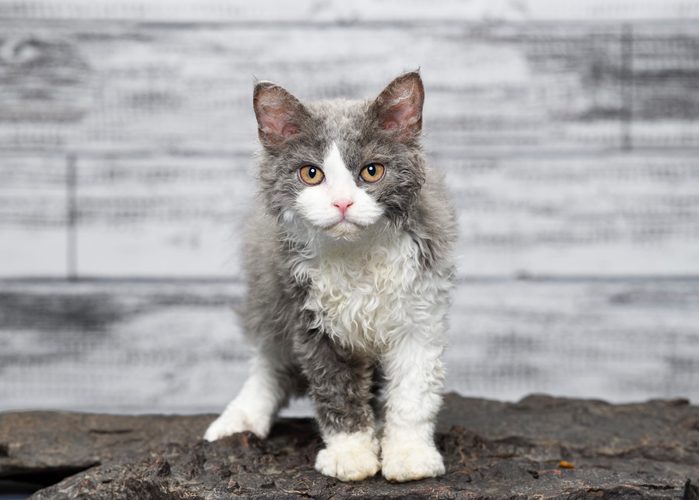
The Selkirk Rex has thick, plush curls covering its body. Its coat feels soft like a sheep’s wool. This breed can have short or long hair. Selkirk Rex cats are calm and friendly. They enjoy gentle play and cuddles.
Cornish Rex
The Cornish Rex has fine, short, tight curls. Its coat looks sleek and feels velvety. This breed is very active and curious. Cornish Rex cats love to explore and climb. Their large ears and slim bodies add to their charm.
Devon Rex
The Devon Rex features soft, curly fur with a pixie-like face. Its curls are looser than the Cornish Rex. These cats are playful, smart, and affectionate. They enjoy being around people and other pets. Their unique look makes them instantly recognizable.
Laperm
The LaPerm has soft, springy curls that cover its whole body. Its coat can be short or long. LaPerm cats are gentle and social. They like attention and often follow their owners. Their curly fur feels silky and light to touch.
Appearance And Traits
Curly-haired cat breeds stand out not just for their unique looks but also for their distinct traits. Their appearance often surprises many, breaking the usual expectations of feline fur. Understanding these cats’ coat textures and personality traits will help you appreciate them more and decide if one fits your lifestyle.
Coat Texture And Patterns
Curly-haired cats have fur that feels soft and springy, almost like velvet. The curls vary in tightness; some breeds have loose waves, while others sport tight ringlets.
Common curly cat breeds like the Selkirk Rex and LaPerm show a range of coat patterns—from solid colors to spotted and striped designs. Their fur may appear dense but is surprisingly lightweight, which means less shedding compared to long-haired cats.
Have you noticed how these curls can give cats a playful, almost mischievous look? It’s a trait that adds to their charm and makes grooming a unique experience.
Personality Traits
Curly-haired cats are often described as affectionate and social. Many owners report that these cats seek human attention and enjoy interactive play.
They tend to be curious, exploring their environment with enthusiasm but rarely becoming overly demanding. This balance makes them great companions whether you live alone or in a busy household.
Do you want a cat that’s both cuddly and lively? These breeds often surprise you with their friendly nature and adaptability, fitting well into various home settings.

Credit: catboxclassics.com
Care Tips For Curly Cats
Caring for curly-haired cats requires special attention. Their unique fur needs gentle handling and regular upkeep. Understanding their grooming and health needs ensures a happy, comfortable pet. Simple steps keep their coat healthy and skin problem-free.
Grooming Needs
Curly cats have delicate, soft fur that can tangle easily. Brush their coat with a wide-tooth comb or soft brush. Avoid harsh brushing to prevent damage. Bathing once a month helps remove dirt and oils. Use mild, cat-safe shampoos to protect their skin. Dry their fur gently with a towel or low heat. Check for mats and remove them carefully. Keep their nails trimmed to avoid scratching their fur.
Health Considerations
Curly cats may have sensitive skin prone to irritation. Watch for redness, itching, or hair loss. Keep their ears clean and dry to prevent infections. Regular vet visits help catch skin or health issues early. Provide a balanced diet to support coat health. Hydration is important to keep skin moisturized. Monitor their behavior for signs of discomfort or pain. Protect them from extreme weather, as their coat may not insulate well.
Choosing The Right Curly Cat
Choosing the right curly cat requires thought and care. These unique felines have special coats and personalities. Finding a cat that fits your home and habits is key. Consider your daily routine, space, and care ability. Curly cats need grooming and attention, but rewards are great.
Matching Lifestyle
Curly cats vary in energy and social needs. Some love playtime, others prefer calm and quiet. Think about your daily schedule and activity level. Busy homes with children may suit playful breeds. Quiet spaces fit cats who like calm and rest. Grooming is a factor. Some curly cats need regular brushing. Others require less care. Choose a breed that matches your time and patience. This creates a happy home for both you and your cat.
Adoption Vs. Breeder
Adoption gives a home to cats in need. Shelters sometimes have curly cats waiting. Adoption helps reduce stray and homeless pets. It can be less expensive and very rewarding. Breeders provide specific curly breeds with known traits. They offer health guarantees and breed history. Choose a responsible breeder who cares for cats well. Ask questions about health tests and parent cats. Both adoption and breeders have pros and cons. Decide based on your budget, preferences, and patience for waiting. Either way, a curly cat can bring joy.

Credit: www.alynnrex.com
Credit: www.rd.com
Frequently Asked Questions
What Are The Most Popular Curly-haired Cat Breeds?
Popular curly-haired cat breeds include the Selkirk Rex, Cornish Rex, and Devon Rex. Each has unique curly fur textures and charming personalities. These breeds are known for their playful nature and hypoallergenic qualities, making them great pets for allergy sufferers.
How Do Curly Cat Breeds Differ From Regular Cats?
Curly cat breeds have distinctive wavy or curly fur caused by genetic mutations. Their coat requires less grooming but may need special care. These cats also tend to have softer, finer hair compared to regular cats, giving them a unique and attractive appearance.
Are Curly-haired Cats Hypoallergenic?
Many curly-haired cats, like the Devon Rex and Cornish Rex, produce fewer allergens. Their unique fur reduces dander spread, making them more suitable for allergy sufferers. However, no cat breed is completely hypoallergenic, so individual reactions may vary.
What Grooming Is Needed For Curly-haired Cats?
Curly-haired cats need regular gentle brushing to prevent mats and tangles. Their delicate fur requires mild shampoos and careful drying. Regular ear cleaning and nail trimming are also important to maintain their overall health and appearance.
Conclusion
Curly-haired cats bring charm and uniqueness to any home. Their soft, wavy fur makes them stand out from other breeds. These cats often have playful and friendly personalities. They need regular grooming to keep their curls healthy and beautiful. Choosing a curly-haired cat means welcoming a special pet.
Each breed has its own care needs and traits. Enjoy the beauty and joy these cats can offer every day.
