

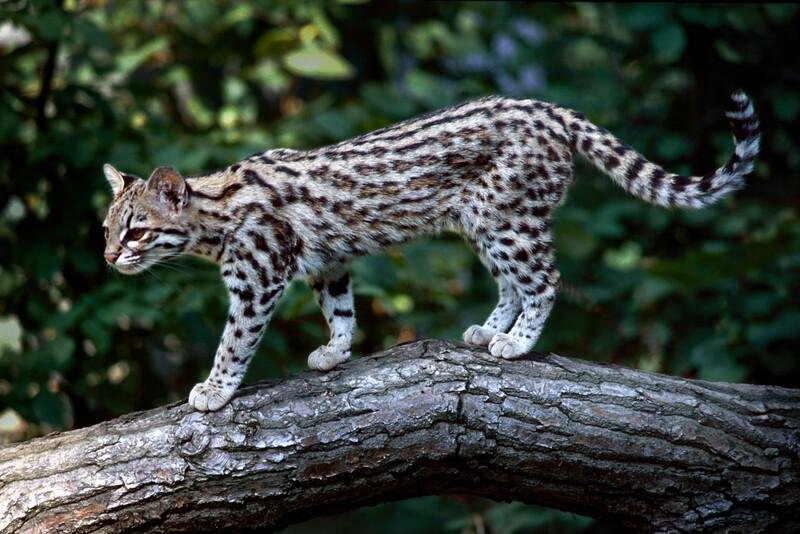
Have you ever wondered what it’s like to have a cat with a wild side? Cat breeds wild enough to make you feel like you’re sharing your home with a little piece of the jungle.
These unique cats combine the beauty and spirit of wild animals with the charm and comfort of a beloved pet. If you’re curious about which breeds bring that fierce, untamed energy into your life, you’re about to discover some fascinating facts.
Keep reading, and you might just find the perfect wild cat breed that matches your adventurous spirit.
Exotic Cat Origins
Understanding the origins of exotic cat breeds reveals much about their unique traits and behaviors. These cats carry the legacy of wild ancestors, which influences their appearance and temperament today. Knowing where they come from helps you appreciate their natural instincts and care needs.
Wild Ancestry
Many exotic cat breeds trace back to wild species that roamed forests, deserts, and mountains. The Bengal cat, for instance, descends from the Asian leopard cat, which explains its striking spotted coat. This wild bloodline often means these cats have strong hunting instincts and high energy levels.
Recognizing the wild ancestry in your exotic cat can help you understand its behavior better. You might notice a love for climbing or a preference for interactive play that mimics hunting. Have you ever seen your cat suddenly pounce on a toy like a tiny predator?
Natural Habitats
Each exotic breed comes from a specific environment that shaped its physical and behavioral traits. The Savannah cat’s ancestors lived in the African savannah, adapting to wide-open spaces and hot climates. This background means Savannah cats often enjoy spacious areas and are more tolerant of heat.
Knowing your cat’s natural habitat can guide you in creating a comfortable home environment. If your breed comes from dense forests, providing climbing trees and hiding spots can make a big difference. What kind of space does your cat seem to prefer?
Credit: www.petsradar.com
Popular Exotic Breeds
Popular exotic cat breeds bring a splash of the wild into your home. These cats are not just pets; they carry the spirit and appearance of their wild ancestors while adapting to domestic life. If you’ve ever wondered how it feels to live with a cat that looks like it stepped out of a jungle, these breeds will fascinate you.
Bengal Cats
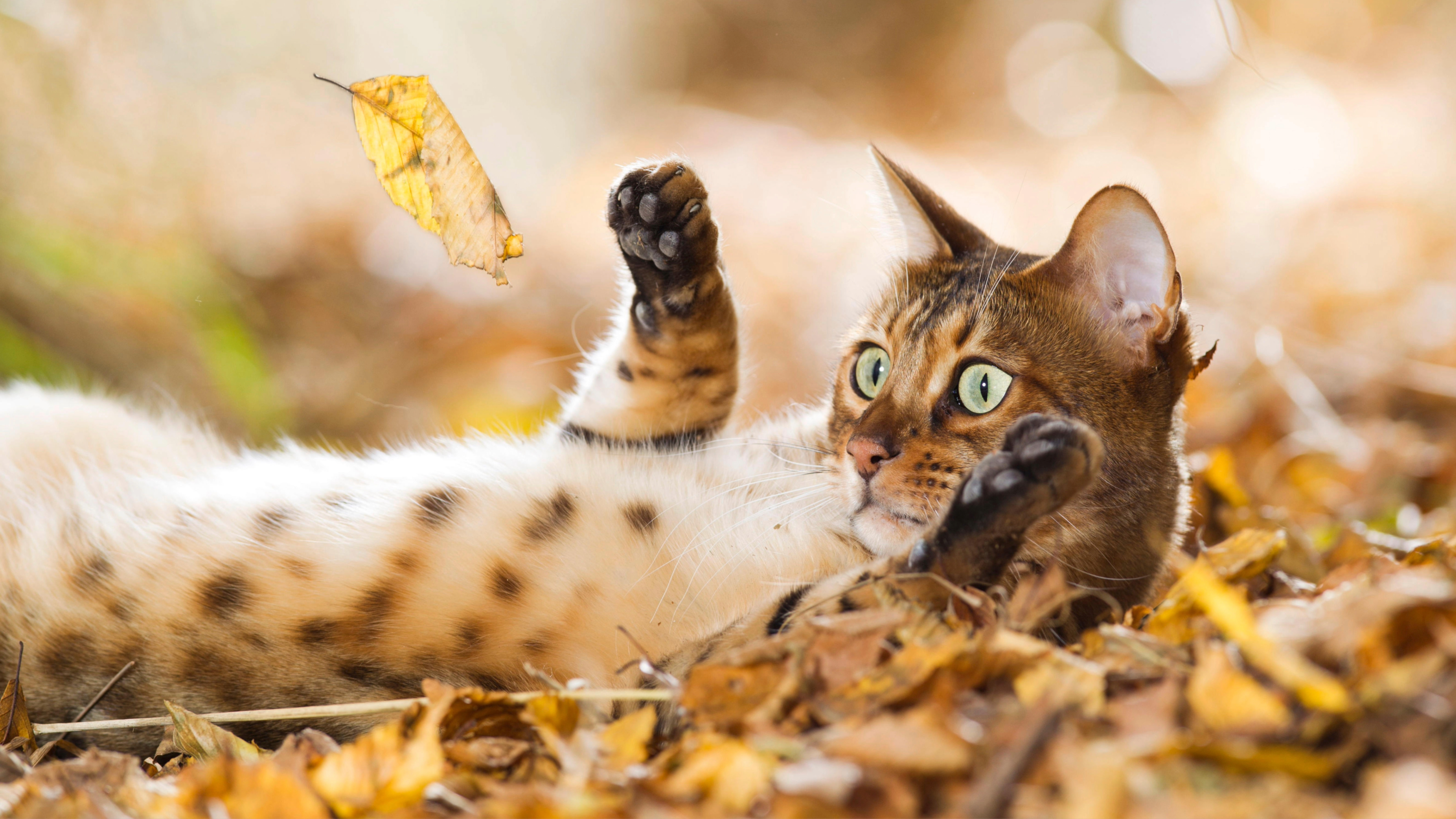
Bengal cats are known for their stunning spotted coats that resemble those of leopards. Their energetic and playful nature makes them perfect for active families. You might be surprised at how intelligent they are—they often learn tricks and enjoy interactive toys.
Owning a Bengal means being ready for a cat that loves to climb and explore. If you want a pet that’s both beautiful and full of personality, Bengals rarely disappoint.
Savannah Cats
Savannah cats are a cross between domestic cats and the African serval, giving them an exotic look with large ears and long legs. These cats are incredibly loyal and can even be trained to walk on a leash, which is unusual for felines.
Think about your lifestyle: Savannahs need lots of attention and space to roam. If you enjoy outdoor adventures, a Savannah might be the companion that keeps you company on your walks.
Chausie Cats
Chausie cats are a blend of domestic breeds and the wild jungle cat from Southeast Asia. They have a sleek, muscular body and a bold personality, often forming strong bonds with their owners.
Chausies are highly social and active, so they thrive when you involve them in your daily routine. Would you be ready to match their energy and curiosity every day?
Physical Traits
Wild cat breeds are fascinating because their physical traits often reveal their unique adaptations to nature. These traits help them survive, hunt, and blend into their environments. Understanding these characteristics can also give you a deeper appreciation for the beauty and diversity of wild cats.
Coat Patterns
The coat patterns of wild cats are striking and varied. You might see spots, stripes, rosettes, or even plain colors depending on the species. These patterns serve as natural camouflage, helping cats stay hidden from predators and sneak up on prey.
Take the leopard’s rosette pattern, for example—it’s not just for looks. It breaks up the cat’s outline in the dappled light of the forest, making it nearly invisible. Have you noticed how some wild cats blend perfectly into their surroundings? That’s no accident.
Body Structure
Wild cats’ body structures are built for specific lifestyles. Some have muscular, compact bodies perfect for climbing and ambushing, like the clouded leopard. Others, like the cheetah, have slender, aerodynamic forms designed for speed.
Pay attention to their paws as well. Large, padded paws help some species walk silently, while others have sharp claws for gripping trees or catching prey. What body traits do you think would suit a cat living in a desert versus a dense jungle?
Eye Colors
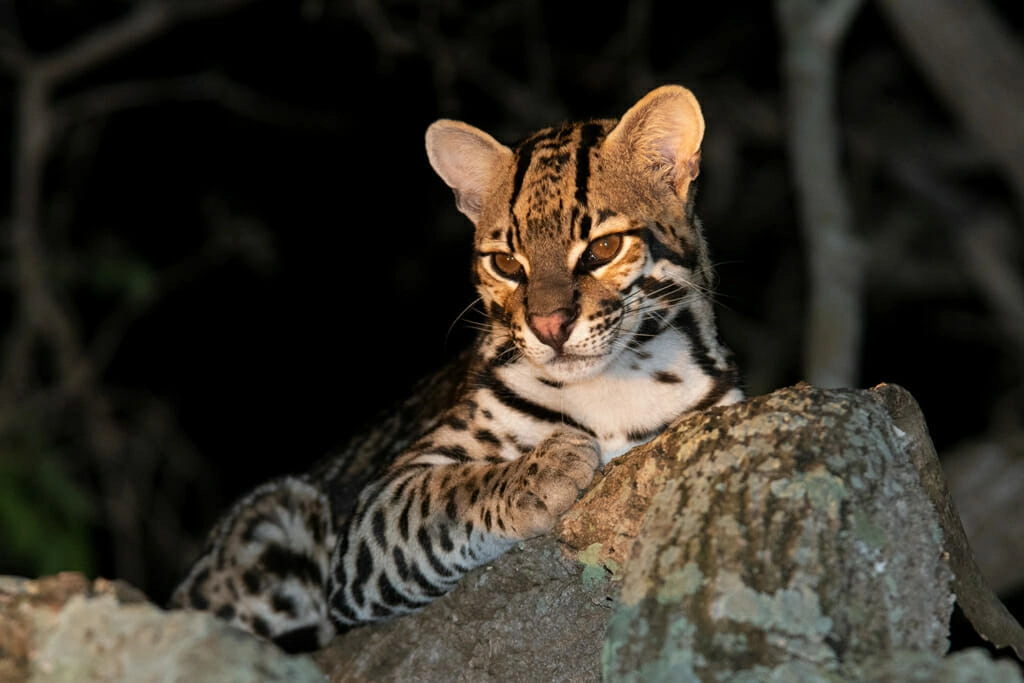
Eye colors in wild cats are more than just beautiful—they often reflect their activity patterns and habitat. Many nocturnal cats have large, reflective eyes that enhance night vision, usually in shades of green, yellow, or gold.
Some species have piercing blue eyes, which are rare but stunning. These colors can signal health and vitality, or even play a role in communication. Next time you see a wild cat’s eyes, ask yourself what those colors might tell you about its world.

Credit: www.thewildlifediaries.com
Behavioral Characteristics
Wild cat breeds display unique behavioral traits that set them apart from domestic cats. Their actions are shaped by survival needs and natural instincts. Understanding these behaviors helps us appreciate their wild nature and care for them better.
Activity Levels
Wild cats tend to be highly active, especially during dawn and dusk. Their energy peaks at these times to hunt and explore. Many species can cover large distances in search of food or territory. Rest periods are short but deep, conserving energy for bursts of action.
Social Interaction
Most wild cat breeds are solitary animals. They prefer to live and hunt alone, marking territory to avoid others. Some wild cats, like lions, form social groups called prides. Communication happens through scent marks, vocalizations, and body language to maintain boundaries and relationships.
Hunting Instincts
Hunting is a strong instinct in wild cats, driving their daily routines. They use stealth, speed, and sharp senses to catch prey. Different species hunt small mammals, birds, or reptiles depending on their habitat. This instinct shapes their patience and precision in stalking prey.
Care And Maintenance
Caring for wild cat breeds requires attention to their unique needs. These cats often have distinct traits that set them apart from common domestic breeds. Understanding how to meet their dietary, grooming, and health requirements can make a huge difference in their happiness and longevity.
Dietary Needs
Wild cat breeds tend to have higher protein requirements than typical house cats. You should focus on feeding them high-quality, meat-based diets that mimic what they would eat in the wild.
- Include lean meats like chicken, turkey, or rabbit.
- Avoid fillers like corn or soy which provide little nutritional value.
- Consider raw or lightly cooked options to preserve nutrients.
Have you noticed how your cat reacts to different foods? Some wild breeds may be picky or need gradual changes to avoid digestive upset. Observing your cat’s preferences and energy levels helps tailor their diet effectively.
Grooming Tips
Wild breeds often have dense, thick fur that requires regular attention. Brushing your cat a few times a week prevents matting and reduces shedding around your home.
- Use a slicker brush or wide-tooth comb depending on fur length.
- Check for ticks or skin irritations, especially if your cat spends time outdoors.
- Bathing is usually unnecessary but can be done occasionally if your cat tolerates it.
Does your cat seem stressed during grooming? Try short, gentle sessions and reward them with treats. This positive experience can make maintenance easier for both of you.
Health Concerns
Wild cat breeds may be prone to specific health issues like hypertrophic cardiomyopathy or kidney problems. Regular vet checkups are vital to catch problems early.
| Health Issue | Signs to Watch For | Preventive Care |
|---|---|---|
| Heart Disease | Breathing difficulties, lethargy | Routine heart screenings, balanced diet |
| Kidney Problems | Increased thirst, weight loss | Hydration, regular blood tests |
| Parasites | Itching, hair loss | Flea and tick prevention |
Are you familiar with your cat’s normal behavior and health? Early detection of symptoms can save your cat’s life. Keep detailed notes or photos to share with your vet if you notice changes.
Legal And Ethical Aspects
Understanding the legal and ethical aspects of owning wild cat breeds is crucial before bringing one into your life. These animals are not just pets; they carry unique needs and responsibilities. Your decisions impact their well-being and the broader ecosystem.
Ownership Regulations
Many regions have strict laws about owning wild cat breeds. These laws exist to protect both people and animals.
For example, in the United States, some states require permits, while others ban ownership entirely. You must check local regulations carefully before acquiring a wild breed.
Have you ever considered how these laws reflect concerns for public safety and animal welfare?
Conservation Efforts
Wild cat breeds often face threats in their natural habitats, making conservation vital.
Many organizations work to preserve these species through habitat protection and breeding programs.
Supporting conservation efforts can make a difference. You might donate to wildlife foundations or promote awareness in your community.
Ethical Breeding
Ethical breeding prioritizes the health and temperament of the cats rather than profit.
Breeders should avoid inbreeding and ensure their cats have proper socialization and veterinary care.
When looking for a wild cat breed, ask about the breeder’s practices. Are they transparent? Do they prioritize the animals’ welfare?
Choosing The Right Exotic Cat
Choosing the right exotic cat means thinking about many factors. Exotic cats have unique needs and personalities. Matching these traits with your life helps both you and the cat stay happy. Consider your daily routine, home size, and budget before bringing one home.
Lifestyle Compatibility
Exotic cats vary in energy and social needs. Some are playful and need lots of attention. Others prefer quiet and alone time. Pick a breed that fits your activity level. Busy people might choose low-maintenance cats. Families with children may want friendly, gentle breeds.
Space Requirements
Space matters for exotic cats. Larger breeds need room to roam and play. Small apartments may suit smaller or less active cats. Provide climbing structures and cozy spots. A cramped area can stress an active cat. Think about where the cat will sleep and play.
Financial Considerations
Exotic cats can be costly. Initial costs include adoption fees and supplies. Ongoing costs cover food, grooming, and vet visits. Some breeds need special diets or care. Plan for unexpected health expenses. Budgeting helps ensure a healthy, happy pet.
Credit: www.thewildlifediaries.com
Frequently Asked Questions
What Are The Most Popular Wild Cat Breeds?
Popular wild cat breeds include Bengal, Savannah, and Chausie. These breeds combine wild looks with domestic traits. They are known for their exotic appearance and energetic behavior, making them unique pets.
How Do Wild Cat Breeds Differ From Regular Cats?
Wild cat breeds have distinct patterns and larger size. They often show wild ancestry traits like spots and stripes. Their behavior can be more active and curious than typical domestic cats.
Are Wild Cat Breeds Suitable As Pets?
Wild cat breeds can be pets but need special care. They require more space, stimulation, and a patient owner. Understanding their wild instincts is crucial for a healthy relationship.
What Care Do Wild Cat Breeds Need?
Wild cat breeds need enriched environments and regular exercise. They benefit from interactive toys and social interaction. Proper diet and routine vet visits ensure their health and happiness.
Conclusion
Wild cat breeds show how diverse and fascinating cats can be. Each breed has its own unique traits and charm. They bring joy and excitement to cat lovers everywhere. Understanding their needs helps build a strong bond with them. Exploring wild cat breeds opens a new world of discovery.
Their beauty and spirit inspire many people. Choosing the right breed makes pet care easier and more fun. Wild cats remind us of nature’s wonder and variety. Keep learning about these amazing animals and enjoy their company.
