

Are you looking for a furry friend that fits perfectly into your cozy space? If you want a cat that stays small but still has a big personality, you’re in the right place.
Choosing the right breed means less hassle and more joy, especially if you love the idea of a petite companion who’s easy to manage. Keep reading to discover the top cat breeds that stay small—and find out which one could be the perfect match for your home and lifestyle.
Your ideal tiny kitty is waiting!

Credit: www.yahoo.com
Traits Of Small Cat Breeds
Small cat breeds have unique traits that make them stand out in the feline world. Their size isn’t the only thing that defines them; their personality, health, and appearance all play a big part. Understanding these traits helps you decide if a small cat breed fits your lifestyle and home.
Physical Characteristics
Small cat breeds typically weigh between 5 to 8 pounds, with some even smaller. Their bodies are compact, with delicate bones and fine features. You might notice a petite face, shorter legs, and sleek fur in many of these breeds.
Take the Singapura, for example. It’s one of the smallest cat breeds, with large eyes and ears that give it a curious look. Despite their size, these cats often have a strong, muscular build that surprises many owners.
Temperament And Behavior
Small cats are often lively and playful, but they can also be surprisingly affectionate. Many enjoy being the center of attention and love to follow you around the house. Their small size means they fit comfortably on your lap, making them great companions for quiet evenings.
Think about the Munchkin breed. Their short legs don’t slow them down—they’re energetic and love to explore. This mix of playfulness and cuddliness means you get the best of both worlds.
How do you imagine your ideal cat’s personality? Knowing how these small breeds behave can help you find a perfect match.
Health Considerations
Smaller cat breeds can have specific health needs tied to their size and genetics. Some may be prone to joint issues or dental problems due to their compact frame. Regular vet check-ups become even more important to catch any concerns early.
For instance, the Singapura requires attention to kidney health, while Munchkins need care to avoid spinal problems. Feeding a balanced diet and providing gentle exercise can help maintain their well-being.
Have you thought about how much time and effort you’re ready to invest in your cat’s health? Knowing potential issues ahead makes caring for them easier and more rewarding.
Credit: worldanimalfoundation.org
Popular Tiny Cat Breeds
Choosing a tiny cat breed can be a smart decision if you live in a smaller space or prefer a feline companion that’s easy to handle. Small cats often bring a playful yet manageable energy into your home. Let’s look at some popular tiny cat breeds that combine charm with compact size, making them perfect for various lifestyles.
Singapura
The Singapura is known as one of the smallest cat breeds in the world. These cats usually weigh around 4 to 8 pounds, making them delightfully petite. Their large eyes and ears give them a curious, alert expression that many find irresistible.
Despite their size, Singapuras are energetic and love to explore. If you want a tiny cat that’s also full of life, this breed could be a great match for you.
Munchkin
Munchkins are famous for their short legs, which give them a unique and adorable appearance. Their size stays small because of this distinctive trait, usually weighing between 5 to 9 pounds. What’s amazing is how agile and playful they remain despite their stature.
Have you ever wondered if a cat’s size affects its personality? Munchkins prove that small stature doesn’t mean less fun or less activity.
Devon Rex
The Devon Rex stands out with its curly coat and large ears. They are lightweight cats, generally weighing between 5 to 10 pounds. Their playful nature and affectionate personality make them a favorite among those who want a small cat with a big heart.
These cats are known to bond closely with their owners, often following them around the house. Could having such an attentive companion improve your daily routine?
Cornish Rex
Cornish Rex cats are slender, small, and covered with soft, wavy fur. Their weight usually ranges from 6 to 10 pounds, making them easy to manage in any living space. They’re also highly active and enjoy interactive play, which keeps them mentally sharp.
Owning a Cornish Rex means constant entertainment. Do you have the time to engage with a cat that thrives on play and attention?
Sphynx
The Sphynx is a tiny cat breed famous for its hairless appearance. They typically weigh between 6 and 12 pounds but often feel lighter due to their lack of fur. Their warm skin and affectionate nature make them great pets for those who want a small, cuddly friend.
These cats need regular skin care because of their unique coat. Are you ready to add a little extra care to your pet routine for a loving companion?
Choosing The Right Small Cat
Choosing the right small cat goes beyond just picking a breed based on size. It means understanding how their needs fit into your lifestyle and home. Think about what daily life with a small cat will look like for you and your family.
Living Space Needs
Small cats often adapt well to smaller living spaces, but some breeds need more room to roam. Consider your home size and layout carefully before deciding. For example, a snug apartment suits a calm breed like the Singapura, but an active one like the Munchkin might need more vertical space to climb and explore.
Ask yourself: Do you have enough quiet spots and play areas for your cat? Small cats can thrive anywhere, as long as their environment feels safe and stimulating.
Activity Levels
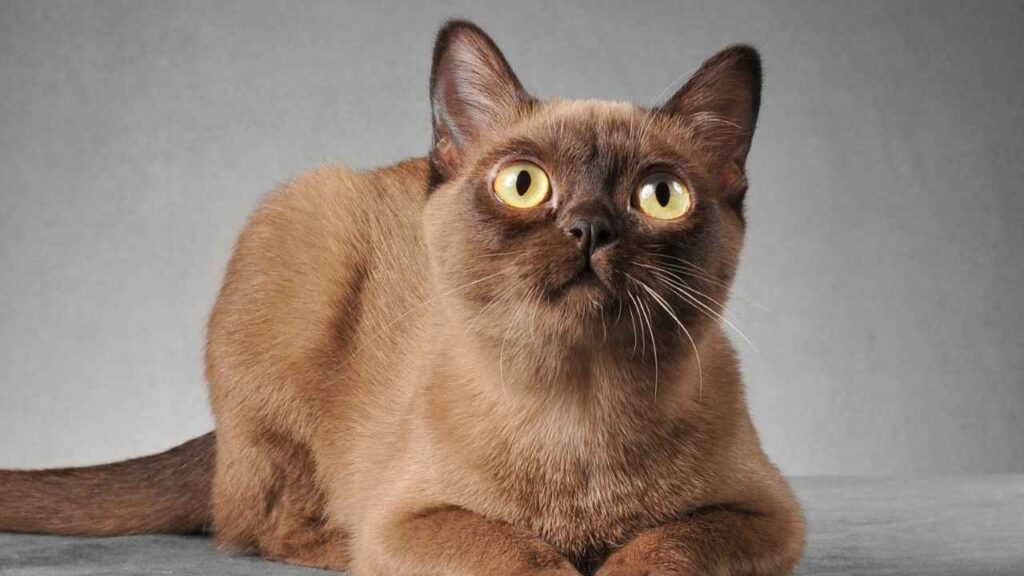
Not all small cats have low energy. Some, like the Devon Rex, are playful and curious, requiring plenty of interaction and toys. Others, such as the Burmese, are more laid-back and enjoy lounging beside you.
Match your energy to your cat’s. If you’re active and enjoy playtime, a lively small breed will keep you company. If you prefer calm evenings, choose a breed that shares your pace.
Compatibility With Families
Think about who else lives in your home. Small cats can be great for families, but some breeds are better with children and other pets. The Scottish Fold, for example, is known for its gentle nature and tolerance toward kids.
Consider your family’s lifestyle and personalities. Will your cat handle noise and activity well? Choosing a breed that fits your family can lead to a happier home for everyone.
Care Tips For Small Cats
Small cats need special care to stay healthy and happy. Their size means they have unique needs. Taking care of their diet, exercise, and health checkups is very important. This helps them live longer and enjoy life.
Diet And Nutrition
Small cats have fast metabolisms. They need food rich in protein to keep muscles strong. Choose high-quality cat food made for small breeds. Avoid overfeeding to prevent weight gain. Fresh water should always be available. Some small cats need more calories per meal. Feeding smaller, frequent meals helps their digestion.
Exercise And Enrichment
Small cats love to play and explore. Provide toys that encourage jumping and chasing. Use puzzle feeders to keep their minds active. Safe climbing spaces and scratching posts help them stay fit. Regular playtime prevents boredom and bad behavior. Exercise supports healthy weight and muscle tone.
Regular Vet Checkups
Small cats need regular visits to the vet. Early checkups catch health problems before they get worse. Vaccinations and parasite control protect them from diseases. Monitor their teeth and gums for signs of trouble. Discuss diet and behavior changes with the vet. Keep a health record to track their progress.
Common Myths About Small Cats
Small cat breeds often come with a bundle of assumptions that don’t always hold true. It’s easy to think that their size affects their health or behavior in certain ways. But have you ever wondered if these common beliefs really reflect the reality of small cats?
Size And Health
Many people assume that smaller cats are automatically healthier or live longer than larger breeds. Size alone doesn’t guarantee better health; genetics and care play a much bigger role. I once had a tiny cat who needed regular vet visits, proving that small size doesn’t mean invincibility.
Another myth is that small cats are less prone to injuries or illnesses. In truth, all cats need proper nutrition and medical attention regardless of their size. You should watch for signs of illness and keep up with vet check-ups no matter how small your feline friend is.
Behavioral Misconceptions
People often think small cats are timid or less playful. But many small breeds are just as energetic and curious as their larger counterparts. My petite cat loves climbing and chasing toys, showing that size doesn’t limit personality or activity level.
Some assume small cats are easier to handle or less independent. However, their behavior varies just as much as any other cat’s. You might find a small cat that’s very social or one that prefers solitude; size doesn’t dictate temperament.
- Do you expect your small cat to behave differently than a larger one?
- Have you noticed any surprising traits in small cats you’ve met?
Understanding these myths helps you appreciate your small cat for who they truly are. Size is just one part of a much bigger picture.
Credit: worldanimalfoundation.org
Frequently Asked Questions
What Are The Smallest Cat Breeds To Consider?
Smallest cat breeds include Singapura, Munchkin, and Devon Rex. These cats typically weigh under 8 pounds. They stay compact, making them ideal for small spaces and indoor living.
How Do Small Cat Breeds Differ In Personality?
Small cat breeds often have playful and affectionate personalities. They enjoy human interaction and adapt well to families and apartments. Despite their size, they can be lively and curious pets.
Are Small Cat Breeds Healthy Long-term?
Many small cat breeds are generally healthy but may have breed-specific issues. Regular vet checkups and proper care ensure their well-being. Choosing a reputable breeder helps minimize health risks.
Do Small Cats Require Special Care Or Diet?
Small cats need a balanced diet suitable for their size and energy. Portion control prevents obesity, which can impact their health. Regular grooming and mental stimulation are also important.
Conclusion
Small cat breeds make great pets for limited spaces. They stay compact without losing charm or personality. Choosing a small cat means easier handling and less mess. These breeds often enjoy active play and strong bonds. Their size suits apartments and cozy homes well.
Remember, every cat needs love, care, and attention. Pick the breed that fits your lifestyle best. Enjoy the joy a small cat brings to your life.
