

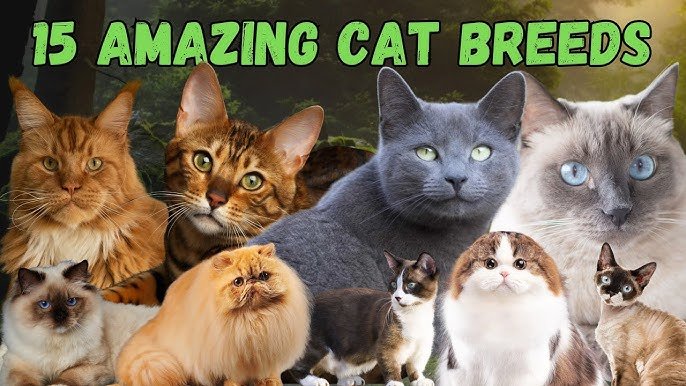
If you love cats but hate the constant shedding, you’re not alone. Finding a furry friend who doesn’t leave hair all over your clothes and furniture can feel like a challenge.
What if you could enjoy the warmth and companionship of a cat without the mess? You’ll discover cat breeds that shed the least, making your life cleaner and more comfortable. Keep reading to find the perfect low-shedding cat that fits your lifestyle and keeps your home fur-free.
Credit: pethelpful.com
Why Shedding Matters
Shedding is more than just a minor inconvenience for cat owners. It affects your daily life, your health, and the overall feel of your home. Understanding why shedding matters helps you make better choices about which cat breed fits your lifestyle best.
Impact On Allergies
Cat hair carries dander, a common allergen that triggers sneezing, itching, and watery eyes. Breeds that shed less often produce less dander spread around your home.
If you or someone in your family struggles with allergies, choosing a low-shedding breed can reduce discomfort. It’s not just about hair on furniture; it’s about breathing easier every day.
Cleaning And Maintenance
Shedding means more frequent cleaning. Hair clogs vacuum filters, sticks to clothes, and collects on floors and furniture.
With less shedding, you spend less time vacuuming and dusting. It also means fewer hairballs for your cat and less chance of clogged air filters in your home.
Effect On Home Environment
Excessive cat hair can affect your home’s air quality and overall cleanliness. It can also cause your belongings to look older and less cared for.
Choosing a breed that sheds less helps maintain a fresher and cleaner environment. You get to enjoy your living space without constant reminders of pet hair.
Traits Of Low-shedding Cats
Low-shedding cats have unique traits that set them apart. These traits affect how much fur they lose daily. Understanding these traits helps pet owners choose the right cat for less mess. The main factors include coat type, genetics, and grooming habits. Each plays a key role in shedding levels.
Coat Types And Hair Growth
Low-shedding cats often have coats that grow differently. Their fur may be shorter or have a special texture. Some cats have hair that grows continuously but falls less. Others have a single coat layer instead of double layers.
- Short or curly coats tend to shed less.
- Single-layer coats reduce loose hair.
- Hair that grows slowly means less shedding.
These coat types trap fewer loose hairs around the home. They also need less frequent brushing.
Genetic Factors
Genes control many traits, including shedding amounts. Some breeds naturally shed less due to inherited traits. These cats may produce less undercoat or have hair that stays attached longer.
- Low-shedding breeds carry specific genetic markers.
- Genetics influence hair texture and growth cycle.
- Selective breeding can enhance low-shedding traits.
Understanding genetics helps explain why some cats shed less. It also guides breeders in maintaining these qualities.
Behavior And Grooming Habits
How cats groom themselves affects shedding. Cats that groom frequently remove loose hair before it falls off. Owner grooming also reduces shedding by removing dead fur.
- Regular brushing controls loose hairs.
- Cats that groom often shed less around the house.
- Healthy skin supports strong hair growth and less loss.
Proper grooming routines keep shedding manageable and maintain coat health.
Top Low-shedding Cat Breeds
If you’re tired of constantly cleaning up cat hair, choosing a low-shedding breed can make a huge difference. These cats shed less, which means less mess and fewer allergens floating around your home. Let’s look at some top breeds that keep shedding to a minimum while still offering charm and personality.
Siberian
The Siberian cat surprises many with its thick, luxurious coat that sheds very little despite its fluffiness. This breed has a unique triple-layered fur that traps loose hairs, preventing them from scattering around your house. If you want a cat that feels like a plush toy but doesn’t leave fur everywhere, the Siberian is a great choice.
Bengal
Bengals have a short, sleek coat that rarely sheds. Their fur is dense but tight against the skin, which helps keep shedding under control. Plus, their wild look and energetic personality add excitement to any home without the extra hair cleanup.
Sphynx
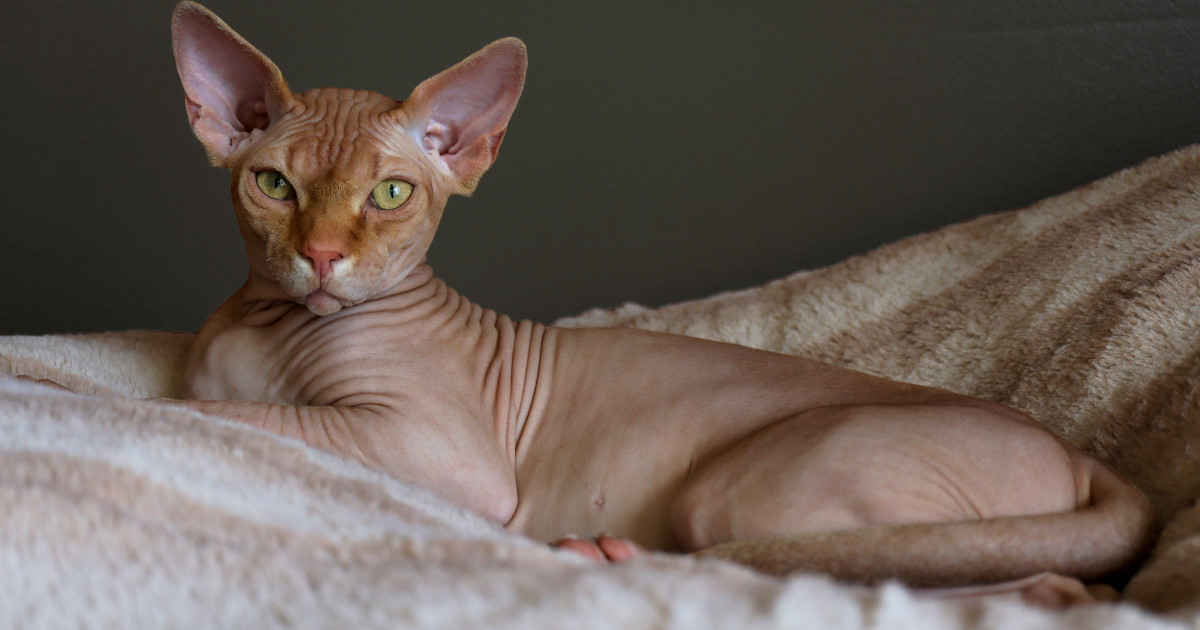
The Sphynx cat is famous for being hairless, making it the ultimate low-shedding option. While they don’t shed fur, they do require regular skin care to remove oils and dirt. If you don’t mind a bit of extra bathing, you’ll enjoy a fur-free environment with this affectionate breed.
Russian Blue
Russian Blues boast a short, dense double coat that sheds minimally. Their fur is soft and plush, but it stays mostly on the cat rather than your furniture. This breed also tends to groom itself meticulously, which further reduces shedding around your home.
Balinese
Often called the “longhaired Siamese,” Balinese cats have silky fur that sheds less than you’d expect. Their fine, single-layer coat means fewer loose hairs floating around. If you love the Siamese look but want less mess, the Balinese fits perfectly.
Devon Rex
The Devon Rex sports a curly, wavy coat that sheds very little. Their unique fur texture helps trap shed hair close to the body. You’ll find that this playful breed offers plenty of cuddles with almost no fur to clean up afterward.
Care Tips For Low-shedding Cats
Low-shedding cats need special care to keep their coat healthy and clean. Proper care reduces loose hair and helps your cat feel comfortable. It also keeps your home cleaner and fresher.
Simple habits can make a big difference in your cat’s shedding and overall health.
Grooming Routine
Brush your cat regularly to remove loose fur and dirt. Choose a brush that suits your cat’s coat type. Short-haired cats need gentle brushing once or twice a week. Long-haired cats require daily brushing to prevent mats and tangles.
Bathing is not often needed, but an occasional bath can help reduce shedding. Use cat-friendly shampoo and warm water. Always dry your cat well after a bath.
Diet And Nutrition
Feed your cat a balanced diet rich in omega-3 and omega-6 fatty acids. These nutrients improve skin health and coat shine. High-quality protein supports strong hair growth. Avoid overfeeding, as obesity can cause skin problems.
Fresh water should always be available. Proper hydration helps keep skin moist and healthy, reducing shedding.
Health Monitoring
Watch for signs of skin issues like redness, dryness, or bald patches. These can cause increased shedding. Regular vet visits help catch problems early. Parasites like fleas also cause hair loss and discomfort.
Stress can affect shedding too. Keep your cat’s environment calm and safe. A happy cat sheds less and stays healthier.
Choosing The Right Low-shedding Cat
Choosing the right low-shedding cat helps keep your home cleaner and your allergies in check. Different cats have unique needs and personalities. Match a breed’s traits with your daily life for the best fit.
Lifestyle Compatibility
Consider your daily routine and living space. Active breeds need room to play and explore. Calm cats fit well in quiet homes. Some cats need more attention and grooming than others. Choose a breed that fits your energy and time.
Allergy Considerations
Low-shedding cats may still cause allergies. Allergies come from proteins in cat saliva and skin, not just fur. Spend time with the breed before adopting. Notice any allergy symptoms like sneezing or itchy eyes. This helps avoid surprises later.
Adoption And Breeder Selection
Find a trusted adoption center or breeder. Good breeders care for cat health and behavior. Ask about the cat’s medical history and temperament. Adoption centers often have cats needing homes. Visit multiple places to meet different cats. Choose a healthy cat that feels right.

Credit: shamelesspets.com

Credit: www.aol.com
Frequently Asked Questions
Which Cat Breeds Shed The Least Hair?
Breeds like the Sphynx, Russian Blue, and Siamese shed minimal hair. They require less grooming and are ideal for allergy sufferers. These cats produce less dander, reducing shedding-related mess in your home.
Are Hypoallergenic Cats Low Shedders?
Yes, hypoallergenic cats typically shed less hair and dander. Breeds like Balinese and Cornish Rex are known for minimal shedding. This makes them better suited for people with mild allergies.
How To Reduce Shedding In Cats Naturally?
Regular brushing removes loose fur and decreases shedding. A balanced diet rich in omega-3 improves coat health. Keeping your cat hydrated also supports skin and fur quality.
Do Older Cats Shed More Than Younger Cats?
Yes, older cats may shed more due to slower metabolism and health issues. Regular grooming can help manage shedding in senior cats. Consult a vet if shedding increases suddenly.
Conclusion
Choosing the right cat breed can be easy. Especially when shedding is a concern. Many cat breeds shed less than others. This means less hair around your home. Breeds like the Cornish Rex and Sphynx are great options. They are known for minimal shedding.
Ideal for clean spaces. With these breeds, you enjoy a tidy home. Plus, they offer love and companionship. Perfect for busy lives. Remember, each cat is unique. They bring joy in their own special way. Find the breed that suits your lifestyle best.
Enjoy a happy, fur-light home with your new feline friend.
