


Are you a cat lover curious about which feline companions could stick around for the longest? Understanding which cat breeds have the longest lifespans can help you make informed decisions about your next furry friend.
Imagine years of companionship, warmth, and joy. Cats can fill your life with love and laughter, but you might wonder, which breeds tend to live the longest? You’ll discover some surprising contenders in this list, and who knows, you might find the perfect long-lived companion for your home.
Stay tuned as we delve into the fascinating world of cats and uncover the breeds known for their impressive longevity.
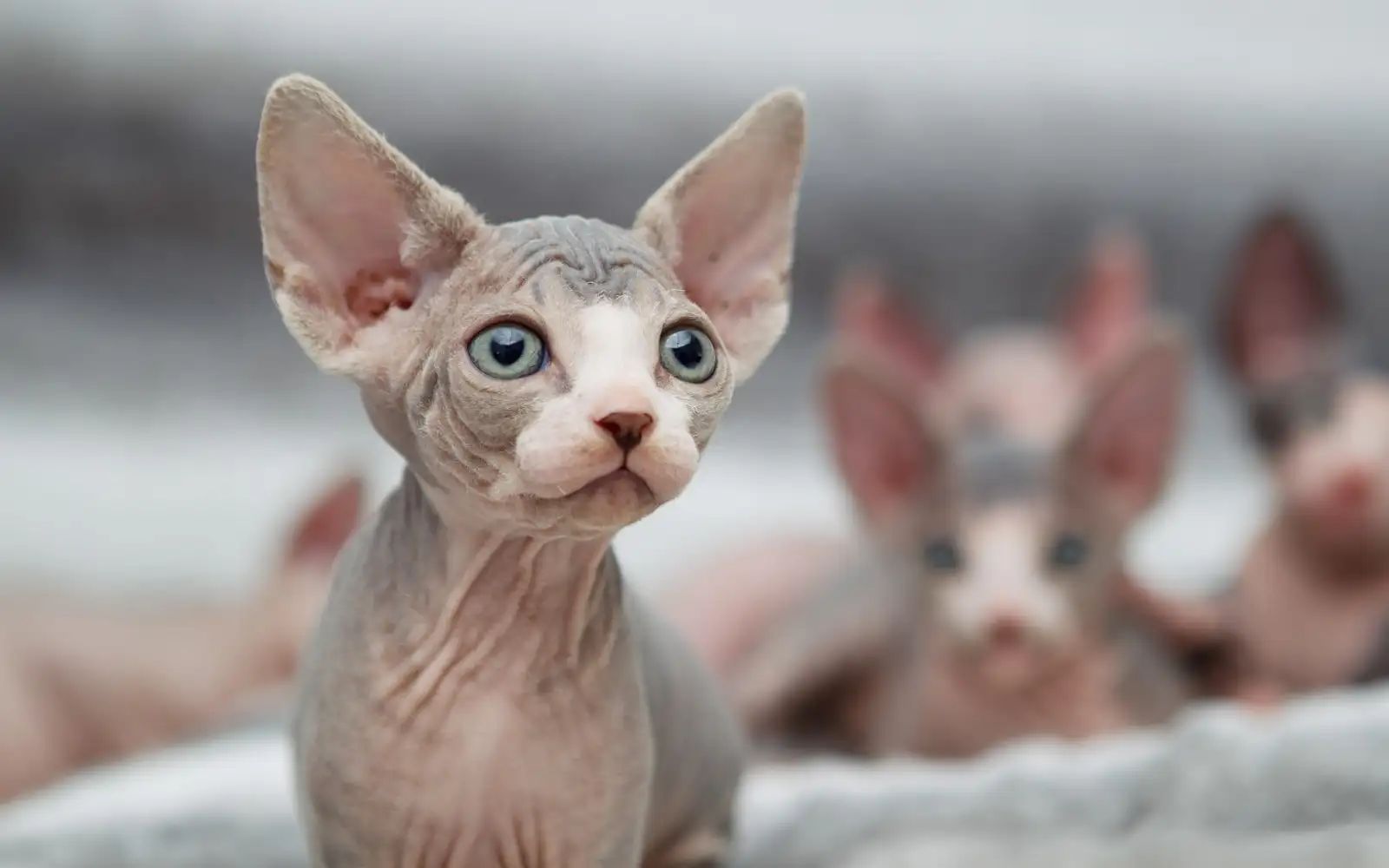
Credit: www.freemalaysiatoday.com
Longest Living Cat Breeds
Some cat breeds are known for their long lifespans. These cats often live well into their late teens and even early twenties. Choosing a long-living breed can mean more years of companionship and joy. Let’s explore some of the cat breeds with the longest lifespans.
Siamese Cats
Siamese cats are famous for their striking looks and vocal nature. They often live 15 to 20 years or more. Their strong immune system helps them stay healthy for many years. They enjoy social interaction and form close bonds with owners.
Burmese Cats
Burmese cats are playful and affectionate. Their average lifespan ranges from 16 to 18 years. This breed tends to avoid common health problems. They thrive in loving homes and adapt well to family life.
Ragdoll Cats
Ragdolls are large, gentle cats with striking blue eyes. They usually live 15 to 20 years. Their calm temperament reduces stress, contributing to a longer life. Ragdolls enjoy being held and often follow their owners around.
Russian Blue Cats
Russian Blues are elegant cats with a soft blue coat. Their lifespan often reaches 15 to 20 years. They are shy but loyal, forming strong attachments. Their low-maintenance grooming helps keep them healthy.
Savannah Cats
Savannah cats combine wild looks with domestic charm. They can live 14 to 20 years with proper care. This breed stays active and curious throughout life. Their unique appearance makes them stand out in any home.
Factors Influencing Cat Lifespan
Understanding what affects a cat’s lifespan can help you give your feline friend the best chance at a long, healthy life. Many factors come into play, from their genetic makeup to daily habits. By looking closely at these elements, you can make smarter choices for your cat’s well-being.
Genetics And Breed Traits
Genetics play a big role in how long a cat lives. Some breeds naturally live longer because of their DNA and inherited traits.
For example, Siamese and Burmese cats often reach 15 to 20 years, while larger breeds like Maine Coons might have shorter lifespans. Knowing your cat’s breed can help you anticipate potential health issues and prepare accordingly.
Diet And Nutrition
Your cat’s diet is a daily factor that directly impacts their lifespan. High-quality food rich in protein and essential nutrients keeps their body strong and immune system sharp.
Have you noticed how your cat’s energy changes with different foods? Avoid overfeeding and choose meals that suit their age and health needs to prevent obesity and related diseases.
Environment And Lifestyle
The environment where your cat lives affects their risk of injury and illness. Indoor cats usually live longer because they face fewer dangers like traffic accidents or fights with other animals.
However, mental stimulation is important too. Providing toys, scratching posts, and safe outdoor access can keep your cat happy and reduce stress, which supports a longer life.
Healthcare And Regular Vet Visits
Regular checkups help catch health problems early before they become serious. Vaccinations, dental care, and parasite control all contribute to a longer lifespan.
Don’t wait for symptoms to appear. Routine vet visits allow you to stay ahead of illnesses and adjust care as your cat ages, improving their quality of life.
Tips To Boost Your Cat’s Longevity
Helping your cat live a long, healthy life takes effort and care. Small habits can make a big difference. Focus on good nutrition, exercise, health checks, and a calm environment. These tips help your cat stay happy and strong for many years.
Balanced Diet Choices
Feed your cat high-quality food made for its age and health needs. Look for proteins from real meat and avoid fillers like corn or soy. Fresh water should always be available. Avoid giving too many treats or table scraps. A balanced diet supports energy, weight, and immune health.
Regular Exercise And Play
Encourage daily activity to keep your cat fit and alert. Use toys like feathers, balls, or laser pointers. Playtime helps control weight and prevents boredom. Short, frequent sessions work best. Exercise also strengthens muscles and joints, helping your cat stay agile.
Preventive Health Care
Visit the vet regularly for check-ups and vaccinations. Early detection of illness improves treatment success. Keep up with flea, tick, and worm prevention. Dental care matters too—clean teeth reduce infections. A healthy cat lives longer and feels better.
Stress Reduction Techniques
Create a calm, safe space for your cat to relax. Avoid loud noises and sudden changes. Provide hiding spots and cozy beds. Use gentle routines to reduce anxiety. A stress-free cat has a stronger immune system and better overall health.

Credit: www.aol.com
Common Health Issues In Long-lived Breeds
Long-lived cat breeds often face specific health challenges despite their extended lifespan. Understanding these common health issues helps owners provide better care. Early detection and proper management improve a cat’s quality of life significantly.
Hereditary Conditions
Many long-lived cat breeds carry inherited health risks. These conditions pass from parents to kittens through genes. Some breeds are prone to heart disease, kidney problems, or joint issues. Responsible breeders test for these conditions to reduce risks. Knowing a cat’s genetic background aids in prevention and treatment.
Age-related Diseases
Older cats develop certain diseases as part of aging. Common issues include arthritis, diabetes, and hyperthyroidism. Cognitive decline and vision loss can also occur. Regular vet check-ups help detect these diseases early. Proper diet and exercise delay progression and support health.
Signs To Watch For
Recognizing early warning signs is crucial for long-lived cats. Watch for changes in appetite, weight, or behavior. Difficulty moving, excessive thirst, or frequent urination may indicate illness. Sudden hiding, aggression, or vocal changes also signal distress. Immediate vet visits ensure timely care and treatment.
Adopting A Long-lived Cat Breed
Adopting a long-lived cat breed means welcoming a companion who could be part of your life for many years. Choosing a cat with a longer lifespan offers the chance to build deep bonds and create lasting memories. However, it also means committing to their care and well-being over a longer period.
Choosing The Right Breed For You
Not every long-lived breed fits every lifestyle. Some cats, like the Siamese, are very social and vocal, while others, such as the Burmese, enjoy quiet companionship. Think about how much time you can spend with your cat and what personality traits suit your daily routine.
Also, consider health factors. Breeds like the Ragdoll often live well into their late teens with proper care, but they may require regular grooming due to their long fur. Ask yourself if you’re ready for that level of maintenance.
Finding Reputable Breeders Or Shelters
Finding a trustworthy source is crucial to ensure your cat’s health and longevity. Reputable breeders provide health clearances and detailed lineage, showing transparency. Shelters and rescue organizations often have long-lived mixed breeds looking for loving homes.
Visiting in person lets you observe the cat’s environment and behavior. Don’t hesitate to ask questions about the cat’s health history, vaccinations, and temperament. This helps you avoid surprises and ensures you’re adopting a healthy companion.
Preparing Your Home
Your home should be ready to support a long, healthy life for your new cat. Set up quiet, cozy spots where they can relax and feel safe. Cats that live long tend to thrive in stress-free environments.
Invest in quality food, scratching posts, and regular veterinary care. Small daily actions, like interactive play and mental stimulation, can add years to your cat’s life. Have you thought about where your cat’s favorite nap spot will be?
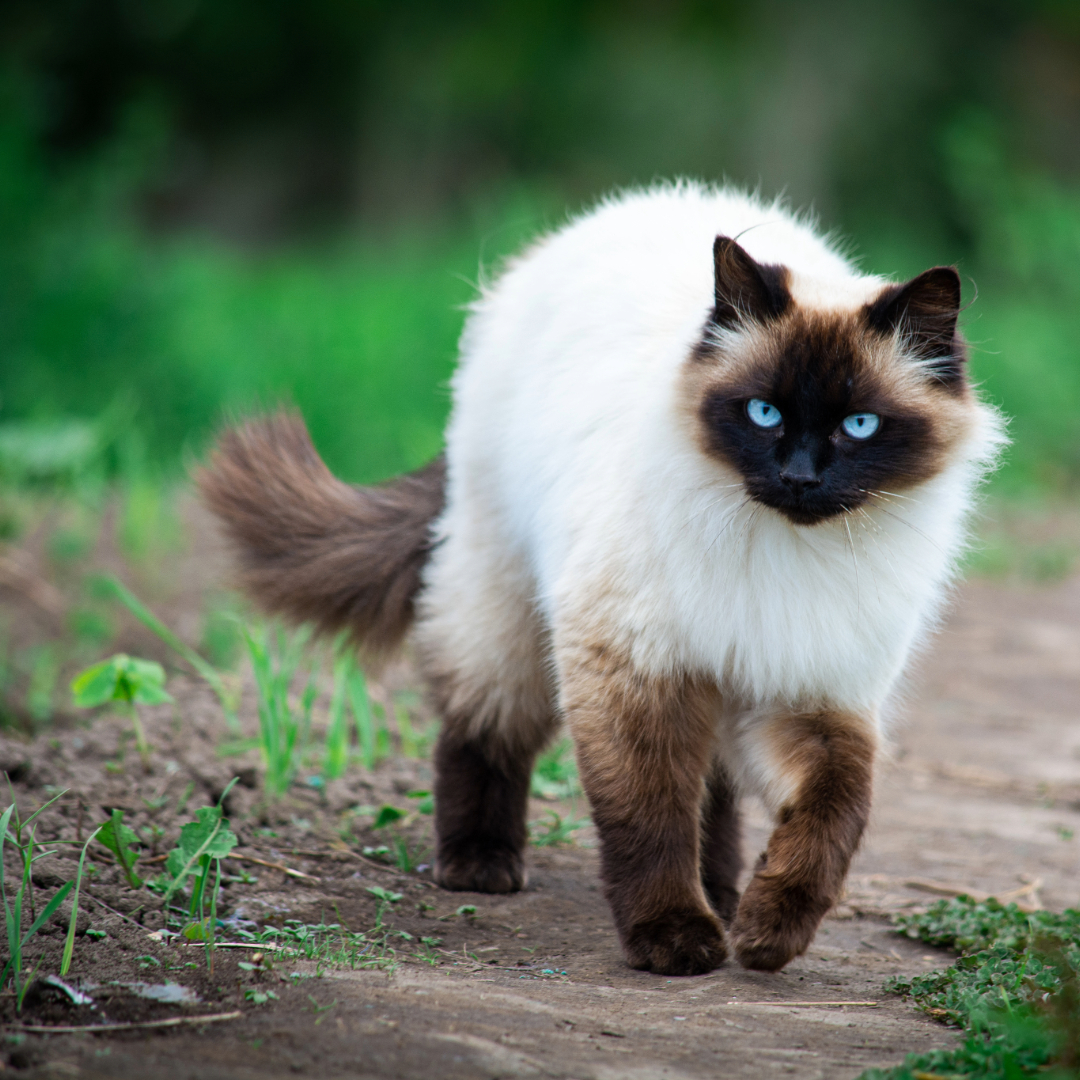
Credit: catfancast.com
Frequently Asked Questions
Which Cat Breeds Live The Longest On Average?
Siamese, Burmese, and Ragdoll cats often live beyond 15 years. Some reach 20+ years with proper care and diet, making them top long-lived breeds.
How Does Breed Affect A Cat’s Lifespan?
Breed influences genetics and health risks. Some breeds have fewer hereditary diseases, promoting longer life. Mixed breeds often have greater longevity due to diverse genes.
What Care Extends A Cat’s Lifespan?
Regular vet visits, balanced diet, and exercise boost longevity. Indoor cats generally live longer by avoiding accidents and diseases common outside.
Are Small Cat Breeds Longer-lived Than Large Ones?
Smaller cats tend to live longer than larger breeds. Their lower body mass reduces stress on organs, contributing to a healthier, longer life.
Conclusion
Choosing a cat breed that lives long means more years of joy. Some breeds naturally live longer than others. Small size and good health help cats live many years. Regular vet visits keep your cat healthy and happy. A loving home also plays a big role in their life span.
Remember, every cat is special, no matter their breed. Enjoy every moment with your furry friend. Longevity is a gift worth cherishing.
