

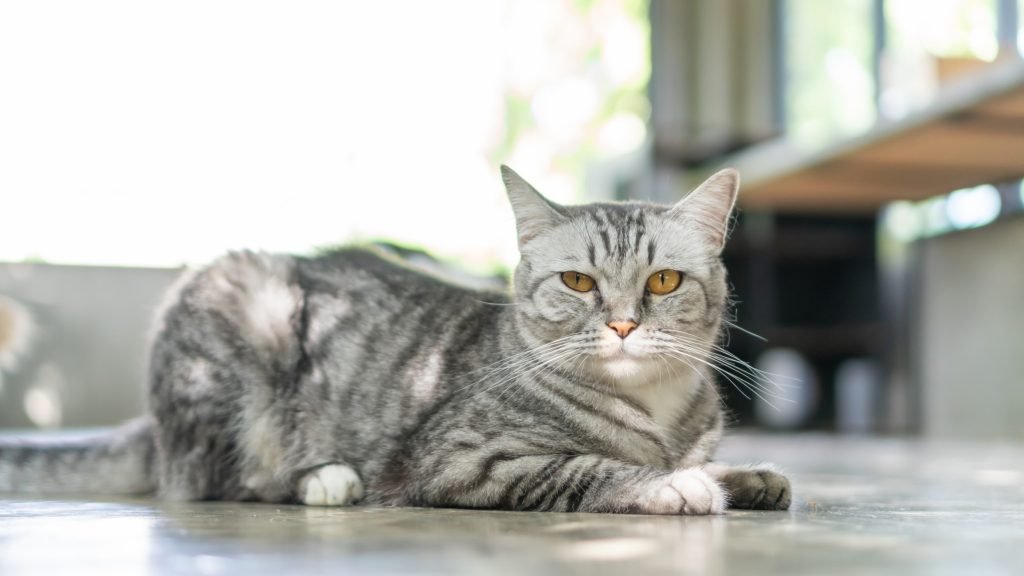
Are you a cat lover curious about the distinct charm of tabby cats? You’re in for a treat.
Tabby cats aren’t a breed but a mesmerizing pattern that adorns a variety of cat breeds. Their unique markings and vibrant personalities have captured the hearts of many. Whether you’re considering adopting a tabby or simply want to know more, this guide will unravel the secrets behind those captivating stripes and spots.
So, why do tabbies stand out in the world of cats? Keep reading, and you’ll discover what makes these feline friends so special and why they might just be the perfect addition to your home.

Credit: worldanimalfoundation.org
Tabby Coat Patterns
Tabby cats are known for their unique and beautiful coat patterns. These patterns are not just random marks but specific designs that appear on their fur. The tabby pattern comes in several distinct types. Each type gives the cat a different look and personality. Understanding these patterns helps cat lovers appreciate their pets even more.
Classic
The classic tabby has broad, swirling stripes. These stripes often form a bullseye or target shape on the sides. The pattern looks like marble or waves. It is one of the oldest and most common tabby patterns. Classic tabbies are bold and eye-catching.
Mackerel
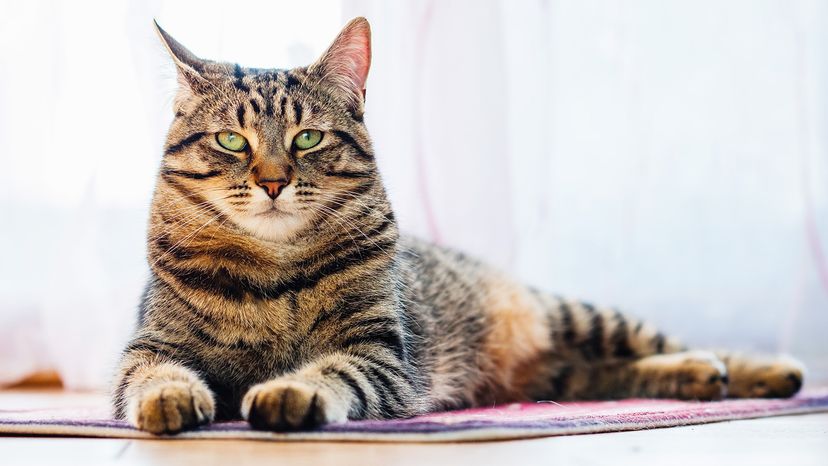
Mackerel tabbies have narrow, straight stripes running down their sides. These stripes look like fish bones, which is why they are called mackerel. The lines are close together and evenly spaced. This pattern gives the cat a sleek and elegant appearance. Mackerel is the most common tabby pattern worldwide.
Spotted
Spotted tabbies have spots instead of stripes. These spots vary in size and shape. They can be round, oval, or rosette-like. The spots often spread across the body evenly. This pattern looks wild and exotic. Spotted tabbies remind many people of small leopards.
Ticked
Ticked tabbies do not have stripes or spots on their bodies. Instead, their fur shows bands of different colors on each hair. This creates a salt-and-pepper or speckled look. The face, legs, and tail may have faint stripes. Ticked tabbies appear smooth and elegant. They are common in breeds like the Abyssinian.
Credit: animals.howstuffworks.com
Common Tabby Breeds
Tabby patterns are common among many beloved cat breeds, each bringing its unique charm and personality. Knowing which breeds commonly showcase these stripes, spots, or swirls can help you choose the perfect feline friend. Let’s look at some popular tabby breeds and what makes them stand out.
American Shorthair
The American Shorthair is famous for its classic tabby coat, often marked with bold stripes and a sturdy build. These cats are friendly, adaptable, and great with families. If you want a low-maintenance cat with a calm demeanor and a tabby pattern that stands out, this breed fits perfectly.
Maine Coon
Maine Coons wear their tabby patterns with pride, featuring long, shaggy fur and large, tufted ears. Their gentle giant reputation is well-earned—they are affectionate and playful without being overly demanding. Imagine a big, fluffy cat curling up on your lap, purring away after a day full of adventures.
Bengal
Bengals bring a wild flair to the tabby look, with their striking spotted or marbled coats that resemble miniature leopards. Their energetic and curious nature means they need plenty of playtime and mental stimulation. Would you enjoy the company of a cat that feels like a little jungle explorer in your home?
Abyssinian
The Abyssinian’s tabby pattern is subtle but beautiful, characterized by a ticked coat where each hair shows bands of color. These cats are incredibly active and intelligent, often engaging in clever antics that keep you entertained. If you want a tabby that’s both elegant and lively, the Abyssinian might catch your eye.
Temperament Traits
Tabby cats are known for their distinct coat patterns and lively personalities. Their temperament traits make them beloved pets in many homes. Understanding these traits helps owners connect better with their feline friends. Tabby cats show a mix of affectionate, playful, intelligent, and adaptable behaviors. Each trait makes them unique and enjoyable companions.
Affectionate Nature
Tabby cats often enjoy close contact with their owners. They seek attention and love gentle petting. Many tabbies follow their humans around the house. They express affection by purring and rubbing against legs. These cats build strong bonds with family members. Their loving nature makes them great companions for quiet evenings or busy days.
Playfulness
Play is a big part of a tabby cat’s life. They love chasing toys and exploring new spaces. Their energy keeps them active and curious. Tabby cats enjoy interactive games with their owners. This playfulness helps keep their minds sharp. It also strengthens the bond between cat and human. Watch for sudden bursts of energy and playful pounces.
Intelligence
Tabbies are smart and quick learners. They solve puzzles and open doors with ease. This intelligence helps them adapt to different environments. Training a tabby cat is often rewarding. They respond well to positive reinforcement. Their curiosity drives them to explore and understand the world around them. Owners appreciate their problem-solving skills and clever behavior.
Adaptability
Tabby cats adjust well to new homes and changes. They handle moving or new family members calmly. Their flexible nature helps reduce stress in new situations. Tabbies can thrive in apartments or houses. They make friends with other pets more easily. This adaptability makes them suitable for many lifestyles and living spaces.
Health Considerations
Tabby cats are known for their beautiful coats and friendly nature. Health is a key part of their care. Understanding their health needs helps keep them happy and active. Some health issues are common in tabbies. Knowing what to watch for can make a big difference.
Genetic Concerns
Tabby cats may inherit certain health problems. These include:
- Hypertrophic cardiomyopathy (heart disease)
- Kidney problems
- Dental disease
Early detection helps manage these conditions. Responsible breeders screen for genetic issues. Adopted tabbies should have health checks.
Diet And Nutrition
Balanced food is vital for tabby cats. Good nutrition supports their coat and energy. Offer high-quality cat food with:
- Proteins from meat or fish
- Essential vitamins and minerals
- Controlled fat content
Avoid feeding too many treats or human food. Fresh water must be available at all times.
Regular Vet Checkups
Routine vet visits catch health problems early. Annual checkups include:
- Physical exams
- Vaccinations
- Parasite control
Older tabbies may need more frequent visits. Keep vet records up to date. Early care leads to a longer, healthier life.
Grooming Tips
Keeping your Tabby cat looking and feeling great takes some regular care. Grooming is more than just keeping their coat shiny—it supports their health and comfort. You’ll find that a little routine grooming time can strengthen your bond and keep your feline friend happy.
Brushing Frequency
Tabbies usually have short to medium-length fur, which means they don’t need intense brushing sessions. Aim to brush your cat about two to three times a week to remove loose hair and reduce shedding.
If your Tabby starts shedding more than usual, try brushing daily for a week or so. You’ll notice less fur around your home and fewer hairballs bothering your cat.
Bathing Guidelines
Most Tabby cats don’t require frequent baths because they groom themselves well. Bathing once every few months is enough unless your cat gets into something messy.
Use a mild cat-specific shampoo and warm water. Always rinse thoroughly to avoid skin irritation, and dry your Tabby gently with a towel or a low-heat hairdryer if they tolerate it.
Nail Care
Trimming your Tabby’s nails every two to three weeks can prevent scratching damage and keep their paws healthy. If your cat resists, try clipping just the sharp tips and gradually trim more as they get comfortable.
Keep some styptic powder handy in case you accidentally cut the quick (the pink part inside the nail). Regular nail care also means fewer chances of your cat getting nails stuck in fabric or furniture.
Credit: animals.howstuffworks.com
Creating A Safe Environment
Creating a safe environment for your Tabby cat is essential for their happiness and well-being. These curious cats love to explore, so your home must balance safety with stimulation. By setting up a secure space, you protect your feline friend while keeping them entertained and healthy.
Indoor Vs Outdoor
Deciding whether your Tabby should stay indoors or roam outside is a big choice. Indoor cats live longer and avoid dangers like traffic, predators, and diseases. However, outdoor time can provide natural exercise and mental stimulation.
If you choose outdoor access, consider a secure catio or supervised walks on a harness. This keeps your Tabby safe while letting them enjoy fresh air. Have you thought about what risks your neighborhood might pose to your cat?
Toys And Enrichment
Your Tabby needs toys that mimic hunting and problem-solving. Simple items like feather wands, laser pointers, and puzzle feeders can keep them active and sharp. Rotate toys regularly to keep your cat interested and prevent boredom.
Watch your Tabby’s preferences—some love chasing, others prefer batting or pouncing. Adding vertical spaces like shelves or climbing trees also helps your cat stay engaged. What new toy could spark your Tabby’s curiosity today?
Scratching Posts
Scratching is a natural behavior that keeps your Tabby’s claws healthy and marks their territory. Providing sturdy scratching posts protects your furniture and gives your cat a safe outlet. Place posts near favorite resting spots or windows for easy access.
Try different materials like sisal, carpet, or wood to find what your Tabby prefers. Rewarding your cat with treats or praise when they use the post encourages good habits. Have you noticed where your Tabby likes to scratch most often?
Frequently Asked Questions
What Defines A Tabby Cat Breed?
A tabby cat is not a breed but a coat pattern. It features stripes, spots, or swirls with an “M” shape on the forehead. This pattern appears in many breeds, making tabby cats unique in appearance and widely loved.
Are All Tabby Cats The Same Breed?
No, tabby is a coat pattern found in many cat breeds. It’s common in breeds like Maine Coon, American Shorthair, and Bengal. Tabby cats vary in size, personality, and traits depending on their breed.
What Are Common Tabby Coat Patterns?
Tabby patterns include classic, mackerel, spotted, and ticked. Classic has bold swirls, mackerel features narrow stripes, spotted shows dots, and ticked has salt-and-pepper fur. Each pattern gives tabby cats a distinct and attractive look.
Do Tabby Cats Have Unique Personalities?
Tabby cats often have friendly and affectionate personalities. They are known to be social, playful, and intelligent. However, personality varies by breed and individual, not just the tabby pattern.
Conclusion
Tabby cats have unique stripes and friendly personalities. They come in many colors and patterns. These cats fit well in most homes. They enjoy playtime and gentle petting. Taking care of a tabby is simple and rewarding. Their charm and warmth brighten any day.
Choosing a tabby means welcoming a loving friend. Their beauty and character make them special pets. Consider a tabby for your next feline companion.
