

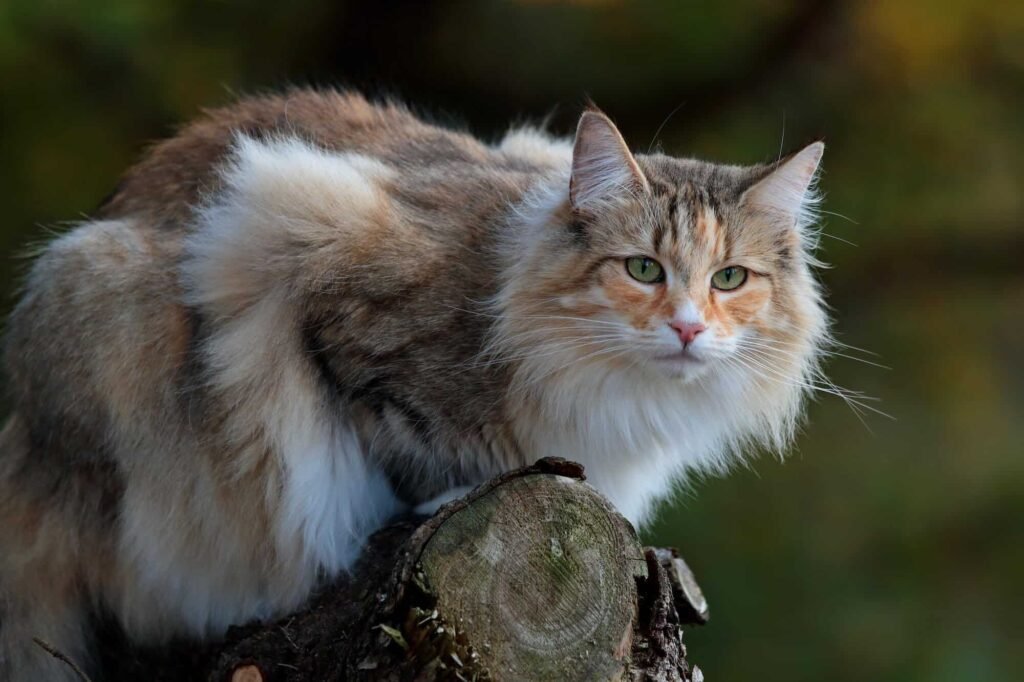
Are you curious about the majestic Norwegian Forest Cat? If you’re looking to add a new feline friend to your home, or if you simply love learning about different cat breeds, you’re in the right place.
This enchanting breed, with its luxurious coat and striking features, is not only a sight to behold but also has a rich history that might surprise you. Imagine having a cat that has been the companion of Vikings, a true symbol of strength and mystery.
You’ll discover what makes the Norwegian Forest Cat so special, why it might be the perfect addition to your family, and how to care for one. Get ready to uncover the secrets behind those mesmerizing eyes and that thick, fluffy fur. Don’t miss out on learning why these cats are more than just a pretty face. Dive in, and let your curiosity lead the way!
Origins And History
The Norwegian Forest cat is a majestic breed with a rich past. Its origins trace back to the cold forests of Norway. This cat evolved naturally to survive harsh climates. Thick fur and strong muscles helped it thrive outdoors. The history of this breed is full of mystery and wonder.
Ancient Roots
Norwegian Forest cats are believed to descend from wild cats living in Scandinavia. Their ancestors roamed the forests centuries ago. They adapted to snowy winters and rugged terrain. These cats were skilled hunters and excellent climbers. Their strong bodies and water-resistant coats helped them survive in nature.
Mythology And Legends
Norwegian folklore often features this cat in tales and myths. It is called “skogkatt” in Norway, meaning forest cat. Stories say these cats were companions of Vikings. They were believed to bring good luck and protect homes. Legends describe them as magical creatures of the forest.
Recognition And Popularity
The breed gained official recognition in the 20th century. Cat clubs in Norway worked to preserve its pure traits. The Norwegian Forest cat became popular worldwide for its beauty and charm. It is now a beloved pet and show cat. Fans admire its friendly nature and striking appearance.
Physical Features
The Norwegian Forest cat stands out with its strong and elegant body. Its physical traits suit cold climates well. Thick fur and solid build keep it warm and agile. Each feature adds to its charm and function.
Coat And Colors
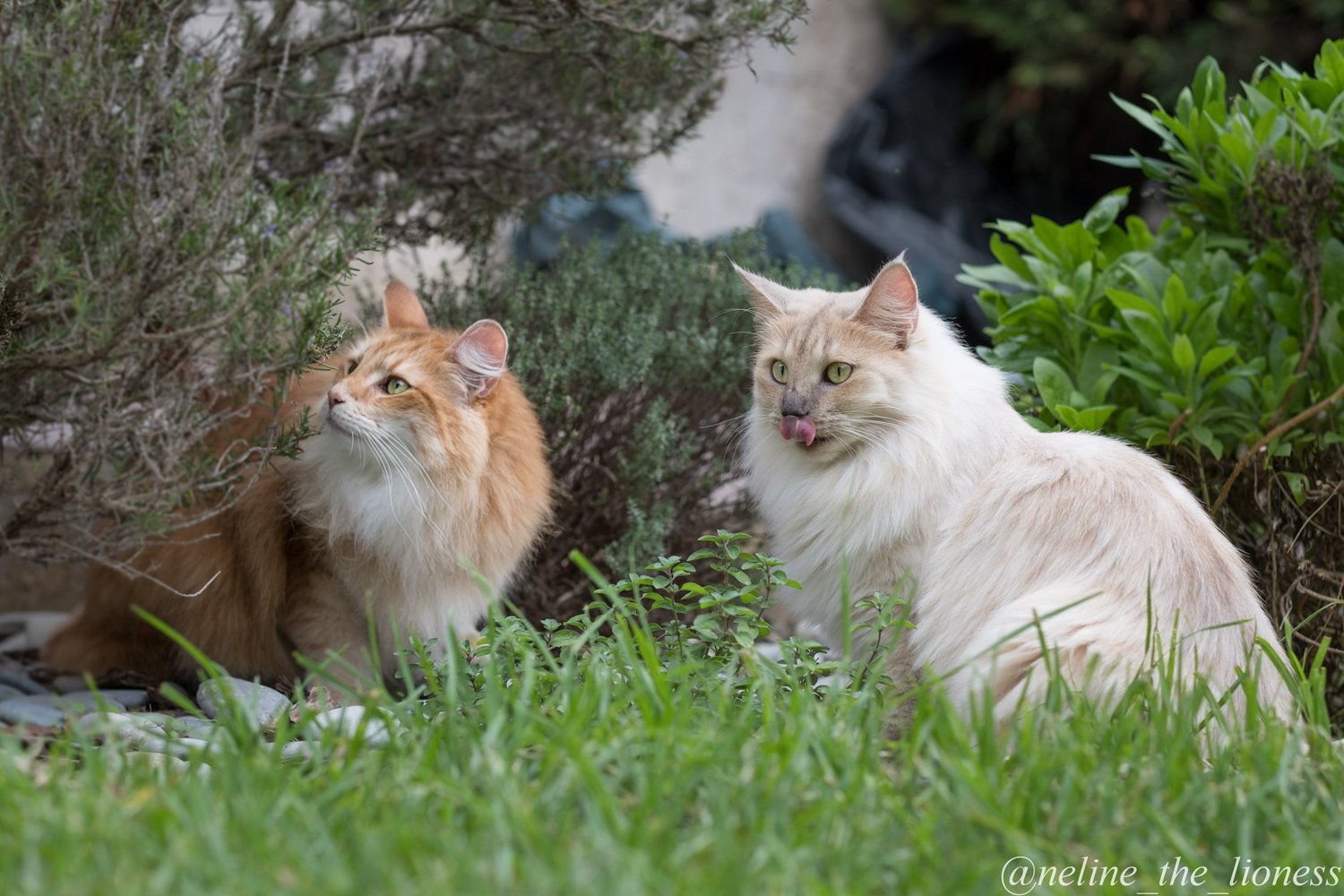
The coat is long and dense with a woolly undercoat. Water-resistant fur protects from rain and snow. Colors vary widely, including:
- White
- Black
- Blue
- Red
- Tabby patterns
- Calico
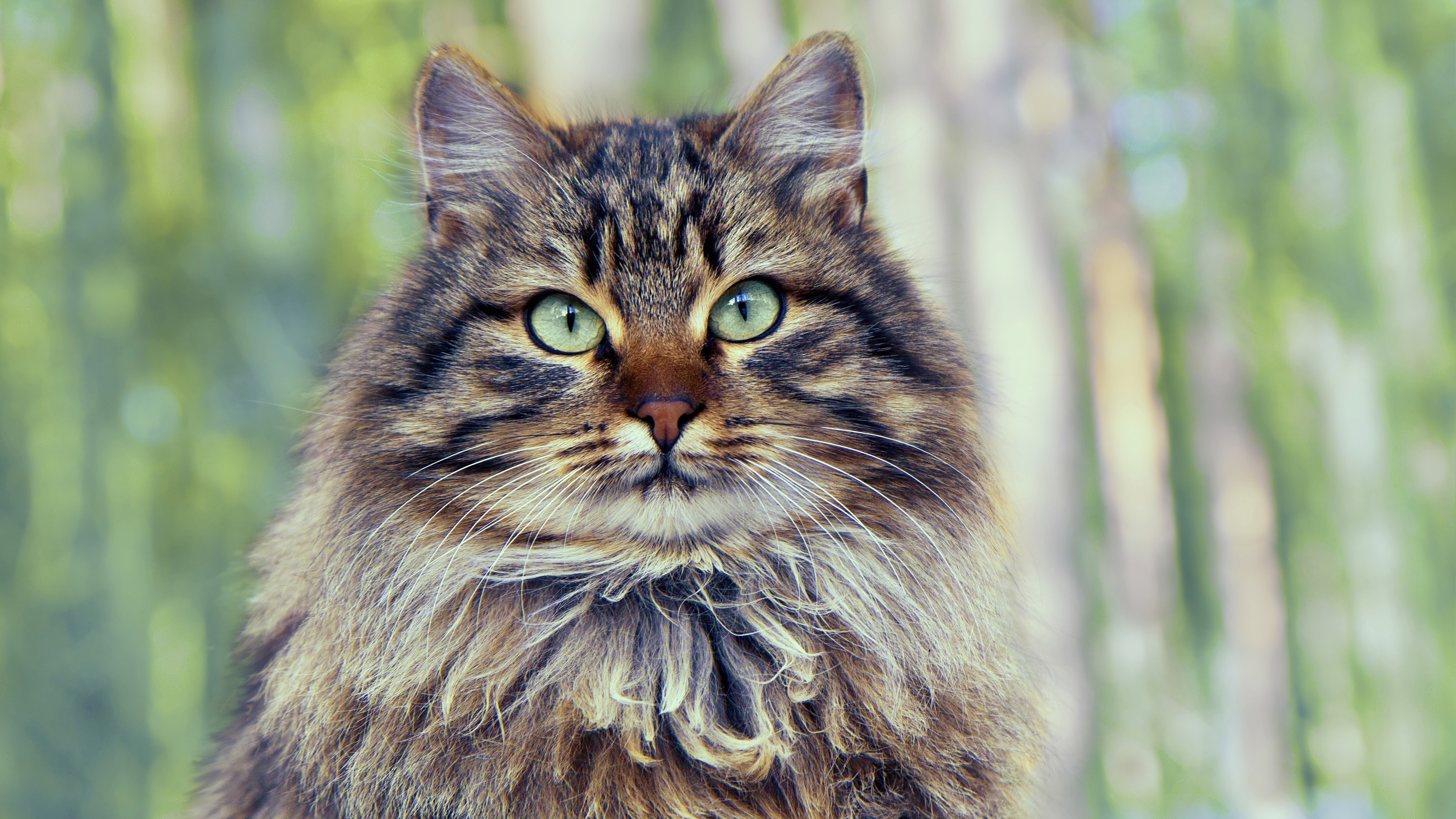
The fur around the neck forms a mane-like ruff. This gives a majestic, lion-like appearance.
Size And Build
Norwegian Forest cats have a large, muscular frame. Males can weigh between 13 to 22 pounds. Females are slightly smaller but still strong. Their legs are sturdy and paws large, perfect for climbing. The tail is long and bushy, helping balance in trees.
Distinctive Facial Traits
They have a triangular face shape with a straight nose. Eyes are almond-shaped and expressive, often green or gold. Ears are large, pointed, and sometimes tufted at the tips. These traits give the cat a wild and alert look.
Personality Traits
The Norwegian Forest cat has a unique personality that many cat lovers admire. This breed combines independence with a warm heart. Their traits make them wonderful pets for different types of homes. Understanding their personality helps in building a strong bond with these cats.
Temperament
Norwegian Forest cats are calm and gentle by nature. They enjoy quiet moments but also show curiosity. These cats adapt well to new surroundings. They rarely show aggression and have a patient attitude. This temperament makes them great companions for families.
Social Behavior
These cats enjoy being around people and other pets. They like attention but are not overly demanding. Norwegian Forest cats form strong bonds with their owners. They appreciate company but also respect personal space. Their social nature helps them fit well in busy homes.
Playfulness And Intelligence
Norwegian Forest cats are playful and smart. They love toys that challenge their mind. These cats enjoy climbing and exploring high places. Their intelligence makes them quick learners. Playtime with them is fun and mentally stimulating.
Credit: thelittlecarnivore.com
Care And Maintenance
Caring for a Norwegian Forest cat means paying attention to its unique needs to keep it healthy and happy. These cats have thick fur and an active nature, so their daily routine should include specific grooming, diet, and exercise habits. Understanding these needs will help you build a strong bond with your feline friend.
Grooming Needs
The Norwegian Forest cat’s long, dense coat requires regular brushing to avoid mats and tangles. Aim to groom your cat at least twice a week, increasing frequency during shedding seasons.
Using a wide-toothed comb and a slicker brush works best to gently remove loose fur without hurting the skin. Have you noticed how much calmer your cat becomes after a good grooming session? This is a great way to build trust and reduce hairballs at the same time.
Diet And Nutrition
This breed thrives on a high-protein diet that supports muscle development and maintains their luxurious coat. You should choose quality cat food rich in animal-based proteins and healthy fats.
Avoid filling their bowl with too many carbs or fillers, which can lead to weight gain. Supplementing with occasional treats like cooked fish or chicken can keep their taste buds happy, but balance is key. Have you checked the ingredients of your cat’s food lately?
Exercise And Enrichment
Norwegian Forest cats are natural climbers and explorers, so they need plenty of physical and mental stimulation. Providing climbing trees, interactive toys, and puzzle feeders can keep their minds sharp and bodies active.
Set aside time daily for play sessions that encourage jumping and hunting behaviors. What creative ways can you find to turn your home into a playground for your adventurous cat?
Health Concerns
The Norwegian Forest cat is known for its robust build and thick coat, but like all breeds, it has specific health concerns you should be aware of. Understanding these issues helps you provide better care and ensures your furry friend stays happy and active. Let’s look at what health challenges might arise and how you can manage them effectively.
Common Health Issues
Norwegian Forest cats can face a few breed-specific health problems. One of the most common is hypertrophic cardiomyopathy (HCM), a heart condition that can affect their overall well-being. Another concern is hip dysplasia, which might cause discomfort or mobility problems as they age.
Some cats may also develop glycogen storage disease, a rare but serious metabolic disorder. Regular vet checkups help catch these issues early. Have you noticed your cat showing signs like lethargy or difficulty jumping? These could be subtle hints of underlying health problems.
Preventive Care
Preventive care is your best tool against health issues. Schedule regular vet visits, including heart and joint health screenings, especially if your cat is older. Maintaining a balanced diet rich in nutrients supports their thick coat and overall vitality.
Brushing your Norwegian Forest cat’s coat not only reduces shedding but also helps you spot skin problems early. Keeping an eye on their weight is crucial since obesity can worsen joint issues. Would you consider setting a reminder for monthly health checks? Small habits like this make a big difference.
Lifespan Expectations
Norwegian Forest cats typically live between 12 and 16 years, but some can live longer with proper care. Their lifespan depends greatly on genetics, diet, and how well you manage their health. Regular exercise and mental stimulation also play a role in keeping them youthful.
Knowing what to expect helps you prepare for changes in their behavior or health. Are you ready to adapt your care routine as your cat ages? Paying attention early can add quality years to your cat’s life and deepen your bond.
Credit: cats.com
Living With A Norwegian Forest Cat
Living with a Norwegian Forest Cat brings a unique blend of beauty and personality into any home. These cats are known for their thick fur, playful nature, and strong hunting instincts. They adapt well to family life and enjoy both indoor and outdoor activities. Understanding their needs makes sharing your space with them a joyful experience.
Ideal Home Environment
Norwegian Forest Cats thrive in homes with plenty of room to explore. They love climbing and need tall cat trees or shelves. A safe outdoor space, like a garden or balcony, adds great enrichment. Their thick coat suits cooler climates better. Regular grooming keeps their fur healthy and reduces shedding. Quiet spaces help them relax and feel secure.
Compatibility With Pets
These cats usually get along with other pets. They enjoy company but also value their independence. Introducing new pets slowly helps prevent stress. Norwegian Forest Cats are gentle with dogs and other cats. They do best with calm and friendly animals. Supervise early interactions to build trust between pets.
Tips For New Owners
- Brush your cat’s fur at least twice a week.
- Provide climbing structures and interactive toys.
- Feed a balanced diet suited to their size and activity.
- Schedule regular vet visits for health checks.
- Offer fresh water daily and keep their litter clean.
- Spend quality time to build a strong bond.
Breeding And Adoption
The Norwegian Forest cat is a majestic breed with a rich history and a striking appearance. If you’re thinking about adding one to your home, understanding the ins and outs of breeding and adoption is crucial. This helps ensure you bring home a healthy, well-adjusted feline companion that fits your lifestyle.
Finding Reputable Breeders
Look for breeders who prioritize the health and temperament of their cats over profit. A good breeder will provide health clearances, vaccination records, and allow you to meet the kitten’s parents. Visiting the breeder’s home or cattery can reveal a lot about how the cats are raised and socialized.
Ask about genetic testing for common Norwegian Forest cat health issues like hypertrophic cardiomyopathy (HCM) and hip dysplasia. Breeders who openly discuss these tests show transparency and responsibility. Have you ever considered how a kitten’s early environment shapes its personality?
Adoption Considerations
Adopting a Norwegian Forest cat from a shelter or rescue is an option that deserves attention. These cats may come with a less predictable background but often have a strong need for loving homes. Adoption allows you to save a cat’s life and can bring unexpected joy and companionship.
Check if the rescue group specializes in purebreds or has experience with Norwegian Forest cats. Ask about the cat’s behavior, health history, and any special needs. Are you ready to provide a patient and stable environment for a cat that might need extra care?
Cost And Commitment
Norwegian Forest cats require more than just an initial purchase or adoption fee. Expect ongoing costs like quality food, grooming tools, routine vet visits, and possible health screenings. Their thick fur needs regular brushing to prevent mats and reduce shedding.
Consider the time and attention you can give your cat daily. These cats are social and enjoy interactive play and companionship. Can you commit to a pet that may live 12-16 years or more?
Credit: www.petsradar.com
Frequently Asked Questions
What Are The Key Traits Of Norwegian Forest Cats?
Norwegian Forest cats have thick, water-resistant fur and a bushy tail. They are large, strong, and agile climbers. Their friendly and social nature makes them great pets. They adapt well to cold climates due to their dense double coat.
How Much Grooming Does A Norwegian Forest Cat Need?
They require regular grooming, ideally 2-3 times a week. Their thick coat can mat easily without brushing. Grooming helps reduce shedding and keeps fur healthy. During shedding seasons, daily brushing is recommended for best results.
Are Norwegian Forest Cats Good With Children?
Yes, they are gentle, playful, and patient with kids. Their calm temperament allows them to bond well with families. They enjoy interactive play but also appreciate quiet time. This makes them ideal companions for children.
Do Norwegian Forest Cats Need Special Diets?
No special diet is required, but high-quality cat food is best. Their active nature benefits from a balanced diet rich in protein. Fresh water should always be available. Consult a vet for specific dietary needs or health concerns.
Conclusion
Norwegian Forest cats are strong and gentle pets. They enjoy playing and love attention. Their thick fur keeps them warm in cold weather. These cats adapt well to families and homes. They need regular care but give lots of love.
Choosing a Norwegian Forest cat brings joy and charm. A perfect friend for many cat lovers. Consider their needs to keep them happy and healthy. A wonderful breed with a unique history. A great choice for those who want a loyal companion.
