

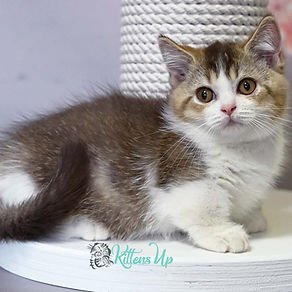
Are you curious about a cat breed that’s as adorable as it is unique? Meet the Munchkin cat—a small feline with short legs and a big personality.
If you want a pet that stands out and fills your home with fun and affection, learning about Munchkin cats is a must. Keep reading to discover what makes these little cats so special and whether they’re the perfect fit for you and your family.

Credit: purebredkitties.com
Origins Of The Munchkin Cat
The origins of the Munchkin cat are as intriguing as their short legs. Understanding where this unique breed comes from helps you appreciate their distinct charm and the science behind their appearance. Let’s dive into the roots of these playful felines and uncover what makes them so special.
History And Discovery
The Munchkin breed first caught public attention in the early 1990s. A cat named “Blackberry” was discovered with unusually short legs, sparking interest and curiosity among breeders and cat lovers. This discovery led to efforts to establish a breed standard based on these distinctive traits.
Before this, cats with short legs were occasionally seen but never bred intentionally. The breed gained official recognition in some cat associations, though debates about their health and ethics continue. Have you ever met a Munchkin cat in person? Their lively personality often surprises people more than their unique look.
Genetic Background
The short legs of the Munchkin cat come from a natural genetic mutation. This mutation affects the length of their limbs, but it is not linked to dwarfism as seen in some other animals. The gene is dominant, meaning only one parent needs to pass it on for kittens to inherit the trait.
Breeders must be careful when pairing Munchkin cats to avoid health problems. Mating two cats with the gene can lead to complications, so responsible breeding practices are essential. Understanding this genetic detail helps you see why the Munchkin’s appearance is both fascinating and delicate.
Physical Features
The Munchkin cat stands out with its unique physical features that make it instantly recognizable. These features are not just about looks—they influence how the cat moves, interacts, and fits into your home life. Understanding these traits helps you appreciate what makes the Munchkin truly special.
Short Legs And Body Structure
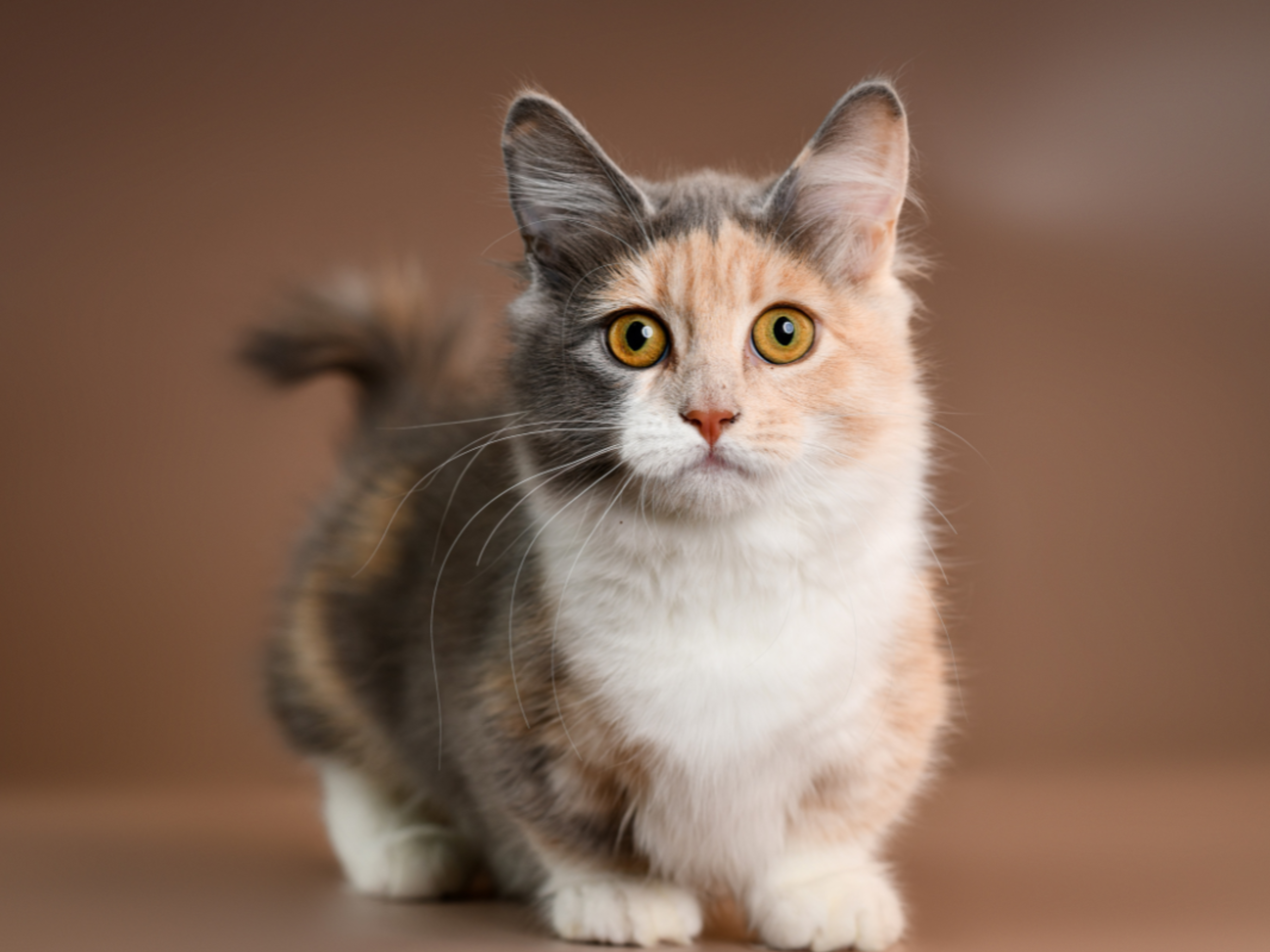
Munchkin cats have notably short legs caused by a genetic mutation. This doesn’t stop them from being agile and playful; in fact, they often surprise owners with their speed and energy. Their body is long and well-proportioned, creating a charming contrast to their stubby limbs.
Ever noticed how a Munchkin’s short legs give it a distinct, low-to-the-ground stance? This feature makes them excellent at squeezing into tight spaces, which might be why they love hiding spots around your house. Have you seen your Munchkin navigate furniture differently from other cats?
Coat Colors And Patterns
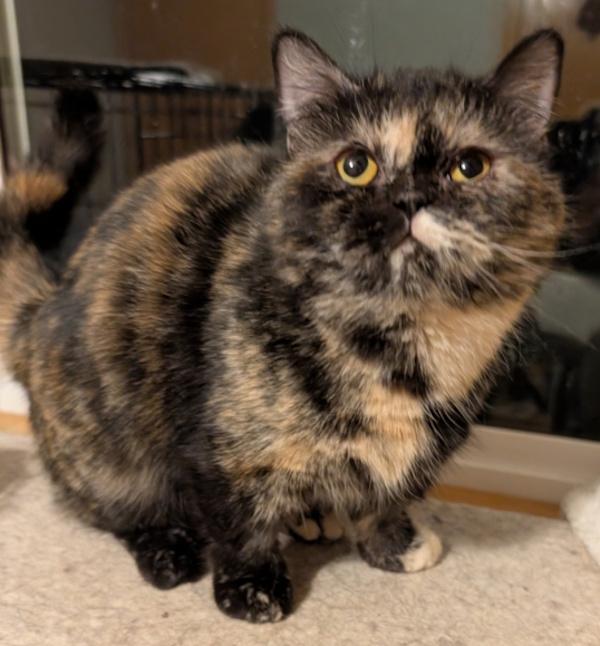
Munchkins come in a wide variety of coat colors and patterns, ranging from solid shades to tabby and calico. This diversity means you can find a Munchkin that matches almost any aesthetic preference. Their fur texture is soft and can be short or medium length, adding to their cuddly appeal.
- Common colors include black, white, gray, and cream.
- Patterns such as stripes, spots, and patches are frequent.
- Coat color doesn’t affect the cat’s personality or health.
Have you ever thought about how a cat’s coat color might influence your connection with it? A vibrant or rare pattern can make your Munchkin feel even more like a one-of-a-kind companion.
Size And Weight
Munchkin cats are small to medium in size, generally weighing between 5 to 9 pounds. Their compact build makes them easier to handle and perfect for smaller living spaces. Despite their size, they carry a surprising amount of strength and endurance.
Think about the last time you picked up a Munchkin—did its weight feel lighter or heavier than expected? This balance of size and weight lets them be both sturdy and nimble, a combination not every cat has.
Personality Traits
The Munchkin cat has a personality that matches its unique look. These cats are known for their lively and loving nature. Their traits make them great pets for many families. Understanding their personality helps owners provide the best care and companionship.
Playfulness And Energy
Munchkin cats have a playful spirit. They love to chase toys and explore their space. Despite their short legs, they move quickly and jump with surprising agility. Their energy levels stay high throughout the day. Playtime is important to keep them happy and healthy.
Affection And Social Behavior
Munchkins enjoy being around people. They often seek attention and like to cuddle. These cats get along well with children and other pets. They are friendly and rarely shy. Their social nature makes them good companions in busy homes.
Intelligence And Curiosity
Munchkin cats are smart and curious by nature. They quickly learn new tricks and routines. Their curiosity leads them to investigate new objects and sounds. This intelligence keeps them mentally active and entertained. Owners can engage them with puzzle toys and games.
Credit: cats.com
Health And Care
The Munchkin cat is known for its short legs and playful nature. Taking care of this unique breed requires attention to their health needs. Understanding their common health issues and providing proper care helps keep them happy and active. Their diet, nutrition, and exercise routines play a key role in their overall well-being.
Common Health Issues
Munchkin cats can face specific health challenges due to their body structure. Spinal problems may occur because of their short legs. Watch for signs of back pain or trouble moving. Joint issues like arthritis can also develop as they age.
Regular vet checkups help catch problems early. Keep an eye on their weight to avoid extra stress on bones and joints. Early care improves their quality of life and mobility.
Diet And Nutrition
Feed Munchkin cats a balanced diet with high-quality protein. Protein supports muscle strength and overall health. Control portion sizes to prevent obesity, which strains their short legs. Provide fresh water daily to keep them hydrated.
Consider foods rich in omega-3 fatty acids. These help reduce inflammation in joints. Avoid feeding too many treats or human food. A healthy diet supports energy and long-term wellness.
Exercise Needs
Munchkin cats enjoy play but need low-impact activities. Encourage gentle climbing and interactive toys to stimulate them. Avoid jumping from high places to protect their spine.
Short, frequent play sessions keep them active without strain. Use soft surfaces like carpets or cushions for safe landing. Regular exercise strengthens muscles and keeps weight in check.
Living With A Munchkin
Living with a Munchkin cat brings joy and a unique charm to any home. These cats are known for their short legs and playful nature. Their small size and lively personality make them excellent companions. Understanding their needs helps create a happy environment for both you and your pet.
Suitable Home Environment
Munchkin cats enjoy safe, indoor spaces where they can explore freely. They love cozy spots for napping and places to climb. Soft bedding and low furniture make moving easier for their short legs. Avoid slippery floors to prevent accidents. Provide toys to keep them active and entertained.
Interaction With Other Pets
Munchkins usually get along well with other pets. Their friendly and curious nature helps them adjust quickly. Introduce new animals slowly and in a calm way. Supervise early meetings to avoid stress. Encourage gentle play to build positive relationships.
Grooming Tips
Grooming a Munchkin is simple and quick. Brush their coat once or twice a week to remove loose hair. Check their nails regularly and trim when needed. Clean their ears gently to avoid infections. Bathing is rarely necessary unless they get dirty. Regular grooming keeps them healthy and happy.
Credit: paradepets.com
Choosing A Munchkin Cat
Choosing a Munchkin cat means more than picking a pet with adorable short legs. These cats have unique needs and characteristics that deserve careful thought. You want to make sure your new feline friend comes from a responsible source and that you understand the commitment ahead.
Finding Reputable Breeders
Start by looking for breeders who prioritize the health and well-being of their cats. A good breeder will provide health clearances and be open about the cat’s lineage and any genetic concerns. Visiting the breeder in person helps you see the living conditions and ask questions directly.
Beware of breeders who rush sales or avoid health discussions. You deserve transparency to avoid future heartbreak with health issues. Have you asked if the breeder offers support after adoption?
Adoption Considerations
Consider adoption as a way to give a Munchkin cat a second chance. Shelters and rescue groups sometimes have these unique cats looking for homes. Adopting can be rewarding and often less costly than buying from a breeder.
Ask about the cat’s behavior, health history, and any special care it might need. This helps you prepare your home and lifestyle. Are you ready to provide a stable environment for a cat that might have special needs?
Cost And Commitment
Munchkin cats can be more expensive than average cats, especially from reputable breeders. Beyond the initial cost, consider veterinary care, especially for joint or spine issues common in this breed. Budgeting for regular check-ups and potential treatments is crucial.
Think about daily care, playtime, and social interaction. Can you commit to providing a loving, attentive home? Your dedication will shape your Munchkin’s happiness and health for years to come.
Frequently Asked Questions
What Makes Munchkin Cats Unique Among Breeds?
Munchkin cats have notably short legs due to a genetic mutation. This feature gives them a distinct, adorable appearance. Despite their stature, they are playful and agile, making them a popular breed worldwide.
Are Munchkin Cats Healthy Pets?
Generally, Munchkin cats are healthy but can face spinal issues. Responsible breeding reduces health risks. Regular vet checkups ensure early detection and care. They usually live 12-15 years with proper care.
How Friendly Are Munchkin Cats With Families?
Munchkin cats are sociable and affectionate, making excellent family pets. They enjoy interaction with children and other pets. Their playful nature fits well in active households, providing companionship and entertainment.
What Is The Ideal Living Environment For Munchkin Cats?
Munchkins adapt well to indoor living with ample play space. They need toys and climbing structures to stay active. Safe, cozy environments help them thrive, especially in apartments or houses.
Conclusion
Munchkin cats bring joy with their short legs and playful nature. They adapt well to many homes and enjoy being around people. Their unique look makes them stand out from other breeds. Caring for a Munchkin is simple but needs gentle handling.
These cats love to explore but stay close to their family. Choosing a Munchkin means welcoming a loving and lively friend. Their charm and warmth create a special bond with owners. A Munchkin cat can brighten any home with fun and affection.
