

Are you captivated by the idea of having a gentle giant as a feline friend? If so, you’re not alone.
The allure of large cat breeds is irresistible for many pet lovers like you. These majestic creatures offer not just their impressive size but also an abundance of love, companionship, and unique personalities. Imagine a cat that not only captures your heart but also becomes the centerpiece of your home.
As you delve into the world of large cat breeds, you’ll discover fascinating details that make each one special. Whether you’re curious about their playful nature or their striking appearance, this guide will satisfy your curiosity and perhaps even help you find your next furry family member. Keep reading to uncover the wonders of these big-hearted giants and see which might be the perfect fit for you.
Largest Cat Breeds
When you think about large cat breeds, images of majestic, fluffy giants often come to mind. These cats are not just about size; they bring unique personalities and charm to your home. If you’re considering adding a large cat to your family, understanding the distinct traits of each breed helps you pick the perfect companion for your lifestyle.
Maine Coon
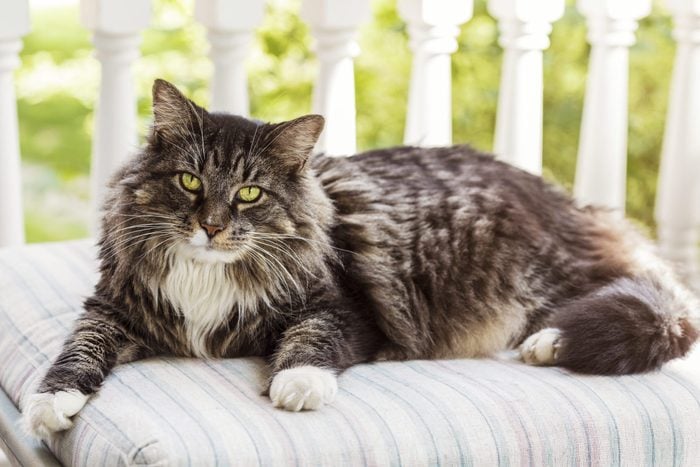
The Maine Coon is often called the “gentle giant” of the cat world. Males can weigh up to 18 pounds or more, and their long, shaggy fur makes them look even bigger.
What’s fascinating is their dog-like behavior—they love to play fetch and follow you around the house. If you want a large cat that’s affectionate yet independent, the Maine Coon is a solid choice.
Savannah Cat
The Savannah Cat stands out with its exotic, wild appearance and impressive size. This breed can grow up to 20 pounds, thanks to its hybrid origins involving the African serval.
They are active and curious, so you’ll need to provide plenty of stimulation and space. Have you thought about how much time you can dedicate to an energetic cat? The Savannah demands attention but rewards it with loyalty and playfulness.
Norwegian Forest Cat
The Norwegian Forest Cat is built for harsh climates with its thick, water-resistant coat and sturdy frame. They typically weigh between 12 and 16 pounds, combining size with agility.
These cats are natural climbers and love high perches, which makes a tall cat tree a must in your home. If you enjoy watching a cat explore and conquer its environment, this breed will keep you entertained.
Ragdoll
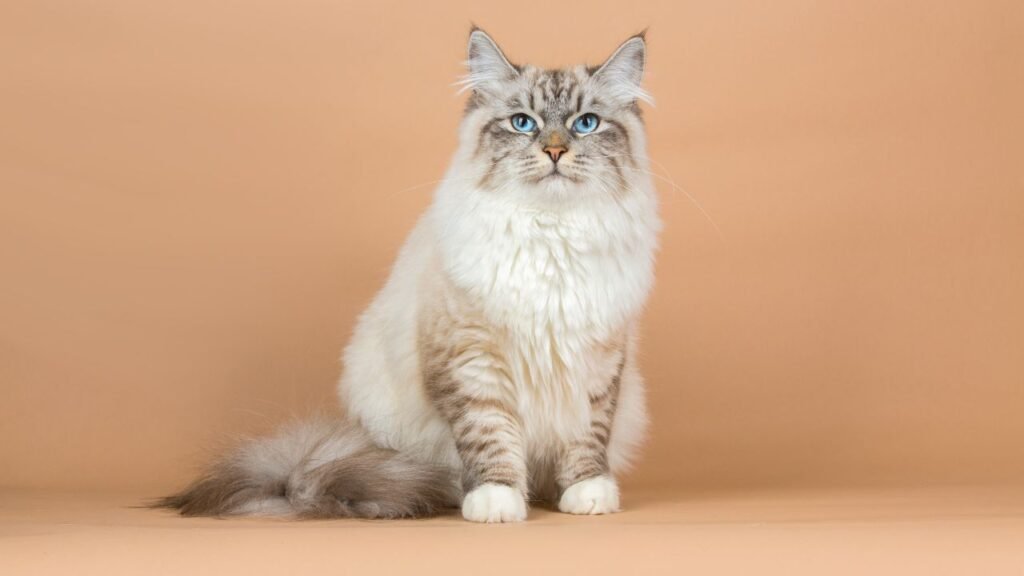
Ragdolls are famous for their striking blue eyes and their tendency to go limp when picked up, which makes them feel like a soft, cuddly doll. They are also one of the largest domestic breeds, often weighing between 15 and 20 pounds.
What sets Ragdolls apart is their calm and gentle nature. If you want a large cat that’s easygoing and loves to be held, this breed could be the perfect match for your household.
Physical Traits Of Big Cats
Big cats captivate us not only with their power but also with their unique physical traits. These traits help each breed stand out and adapt to its environment. Understanding these features can deepen your appreciation of these majestic animals.
Size And Weight
Big cats vary widely in size and weight, which can surprise many. Some, like the Maine Coon, can weigh up to 18 pounds, while others such as the Savannah cat can reach over 20 pounds. This range affects their agility and hunting style, making size a key factor in their behavior.
Have you ever noticed how a larger cat moves differently compared to a smaller one? Their muscle mass and bone structure give clues about their strength and endurance. Paying attention to size can help you understand their needs better.
Coat Patterns And Colors
The coat of big cats often tells a story about their origins and lifestyle. You’ll find everything from the striking stripes of the Bengal to the spotted fur of the Ocicat. These patterns serve more than just beauty—they provide camouflage in their natural habitats.
Colors can range from pure white to deep black, sometimes mixed with shades of brown, gold, or silver. If you’re choosing a big cat breed, think about how these colors might affect shedding and grooming. Have you ever wondered why some cats have such unique markings?
Distinctive Features
Big cats come with special features that make them easy to recognize. Look at the tufted ears of the Caracal or the long legs of the Savannah cat—each feature has a purpose. These traits can influence their behavior and interaction with their environment.
Whisker length, eye color, and tail shape also vary and add to their charm. You might find that these distinctive features help you connect more with your cat’s personality. What unique trait catches your eye the most?
Personality Of Large Cats
Large cat breeds often surprise people with their unique personalities. These cats combine their size with gentle and interesting traits. Understanding their personality helps owners enjoy a better bond.
Temperament
Large cats tend to be calm and patient. They usually show kindness to family members. Many enjoy quiet time and gentle petting. Their size does not mean they are aggressive. Instead, they often have a soft and loving nature.
Activity Levels
Despite their size, many large cats are playful. They like chasing toys and exploring spaces. Some prefer short bursts of energy followed by rest. Their activity can vary by breed but stays balanced. Owners should provide enough playtime to keep them happy.
Social Behavior
Large cats are often social and enjoy company. They can get along well with children and other pets. Some large breeds seek attention and love to be near people. They rarely like being left alone for long. These cats thrive in homes with regular interaction.
Credit: www.rd.com
Care Tips For Big Cats
Big cats need special care to stay healthy and happy. Their size means they have unique needs. Proper care helps them live longer and enjoy life. Focus on three main areas: diet, exercise, and health.
Diet And Nutrition
Big cats require a balanced diet rich in protein. Meat is their main food source. Fresh, high-quality meat helps build strong muscles.
- Provide a variety of meats like chicken, turkey, and fish.
- Include essential vitamins and minerals through supplements if needed.
- Avoid overfeeding to prevent obesity and related issues.
- Fresh water must always be available.
Exercise Needs
Exercise keeps big cats fit and mentally sharp. They need space to move and play.
- Encourage climbing, jumping, and running activities.
- Use toys that stimulate hunting instincts.
- Daily playtime helps reduce stress and boredom.
- Create safe outdoor environments for natural behaviors.
Health Considerations
Regular vet visits are essential for big cats. They may face unique health problems due to size.
- Watch for joint issues and arthritis.
- Monitor weight to avoid obesity-related diseases.
- Keep vaccinations up to date.
- Check teeth and gums regularly to prevent dental problems.
Choosing The Right Large Cat
Choosing the right large cat breed can shape your daily life and overall happiness with your new companion. Large cats often need more attention, space, and care compared to smaller breeds. Understanding these needs upfront helps you make a choice that fits your lifestyle and home.
Living Space Requirements
Large cats require ample space to move and play. A cramped apartment might leave your big feline restless and stressed.
Do you have enough room for climbing trees, cozy beds, and toys? Some breeds like the Maine Coon enjoy exploring vertical spaces, so tall shelves or cat trees can be essential.
Consider if your living area allows for easy cleaning too, since bigger cats tend to shed more and produce more litter waste.
Compatibility With Families
Think about who lives in your home. Large cats can be gentle giants or energetic explorers, and their personalities vary widely.
Are there young children or other pets around? Breeds like the Ragdoll often tolerate kids well, while others might prefer a quieter environment.
Matching the cat’s temperament with your family’s activity level can prevent stress and build a strong bond.
Budget And Maintenance
Big cats often come with bigger expenses. They eat more food, need larger litter boxes, and sometimes require special grooming tools.
Regular vet visits are crucial, especially for breeds prone to health issues like hip dysplasia in larger cats.
How much time and money can you realistically invest in your pet’s care? Planning ahead saves surprises and keeps your cat healthy and happy.

Credit: www.aol.com

Credit: worldanimalfoundation.org
Frequently Asked Questions
What Are The Largest Cat Breeds In The World?
The largest cat breeds include the Maine Coon, Savannah, and Norwegian Forest Cat. These cats can weigh up to 20 pounds or more. They are known for their muscular build and long fur, making them impressive and gentle pets.
How Big Do Maine Coon Cats Typically Get?
Maine Coon cats usually weigh between 13 to 18 pounds. Males are generally larger than females. They can grow up to 40 inches long, including the tail. Their size and friendly nature make them popular among large cat breeds.
Are Large Cat Breeds Good For Families?
Yes, large cat breeds are typically gentle and sociable. They adapt well to family environments and interact positively with children. Their calm temperament makes them excellent companions for households wanting a bigger, affectionate pet.
What Care Do Large Cat Breeds Need?
Large cat breeds need a balanced diet to maintain their size and health. Regular grooming is essential, especially for long-haired breeds. They also require space to move and play to stay active and happy.
Conclusion
Large cat breeds offer a unique charm and presence. They bring warmth and comfort to any home. Their gentle nature often surprises new owners. Choosing the right breed means understanding their size and needs. These cats can be loyal and loving companions.
Remember, size is just one part of their story. Enjoy the joy and calm they bring every day. Large cats make great pets for many families. They show that big hearts come in big bodies.
