

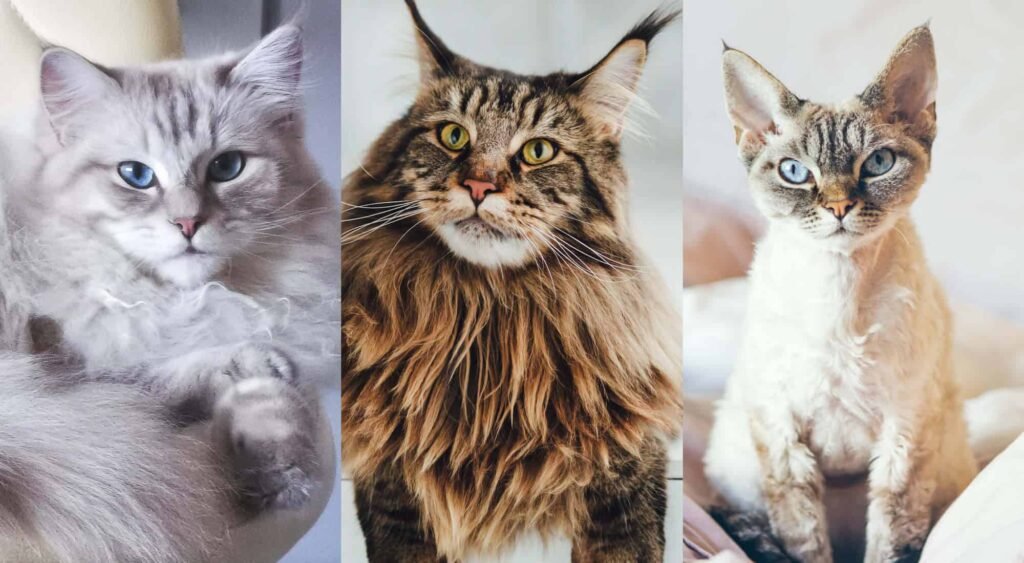
Are you curious about the different cat breeds and how they look? Seeing clear, beautiful images can help you understand each breed’s unique charm.
Whether you’re thinking about adopting a new furry friend or just love cats, these cat breeds images will catch your eye and warm your heart. Get ready to discover your favorite feline and learn what makes each one special—all through stunning pictures that speak louder than words.
Keep reading to find the perfect cat that fits your style and personality!
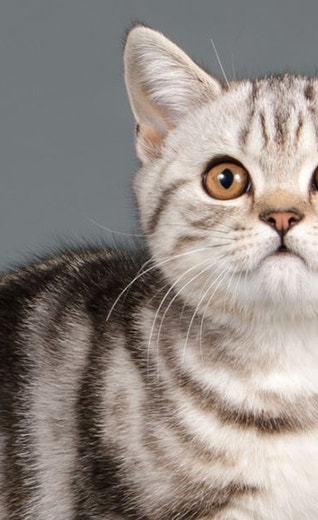
Credit: www.whiskas.com.ph
Popular Cat Breeds
Popular cat breeds capture the hearts of millions around the world. Each breed has unique traits that make it stand out visually and behaviorally. If you want to add a feline friend to your life, understanding these breeds can help you choose one that fits your lifestyle and personality.
Maine Coon
The Maine Coon is known for its large size and tufted ears. Its thick, water-resistant fur makes it perfect for colder climates. If you enjoy a playful and affectionate companion, this breed often acts like a gentle giant in your home.
Siamese
Siamese cats have striking blue eyes and a sleek, short coat. They are vocal and demand your attention with their chatty personalities. Imagine having a pet that almost talks back to you—this breed thrives on interaction.
Persian
With their long, luxurious fur and flat faces, Persians are the epitome of elegance. They prefer calm environments and gentle handling. If you value a quiet and cuddly companion, this breed might be your perfect match.
Bengal
Bengals look like tiny leopards, with bold spots and rosettes on their coats. Their energetic nature means they need plenty of playtime and mental stimulation. Can you keep up with a cat that loves to explore and climb?
Ragdoll
Ragdolls are famous for their docile temperament and striking blue eyes. They often go limp when picked up, making them great lap cats. If you want a relaxed and loving pet, the Ragdoll offers a unique blend of beauty and calmness.

Credit: www.freepik.com
Rare Cat Varieties
Rare cat varieties capture the imagination with their unique looks and intriguing personalities. These breeds often stand out with distinct features that you won’t find in more common cats. If you’re considering adding a rare feline friend to your home, getting to know these special breeds can help you choose the perfect match.
Sphynx
The Sphynx is famous for its hairless body and large ears. Despite the lack of fur, this breed loves warmth and will often curl up on your lap for comfort. Their skin feels like soft suede, and they require regular baths to keep their skin healthy.
Do you think a cat without fur would still feel cuddly? Many Sphynx owners say their pets are some of the most affectionate companions around.
Scottish Fold
Scottish Folds have ears that fold forward and downward, giving them a curious, owl-like appearance. This unique trait is caused by a natural genetic mutation and comes in both long and short-haired varieties. They are gentle and playful, making them great pets for families.
If you want a cat that looks different but acts like a loving lap cat, the Scottish Fold could be your ideal choice.
Savannah
Savannah cats look wild with their tall, lean bodies and large spots. They’re a cross between a domestic cat and the African serval, which gives them a striking appearance and high energy levels. These cats love to play, jump, and explore, so they need lots of stimulation.
Would your home be ready for a pet that acts more like a small wild cat than a typical house cat?
Kurilian Bobtail
The Kurilian Bobtail is easily recognized by its short, pom-pom-like tail. This breed is known for being strong, agile, and excellent hunters. They are also very social and enjoy spending time with their human families.
If you appreciate a cat with a playful spirit and a distinctive tail, the Kurilian Bobtail might be the perfect fit for your lifestyle.
Peterbald
Peterbald cats often have a sleek, hairless or short-coated body, but some can have a velvety or fuzzy coat. They are slender, elegant, and highly intelligent. This breed enjoys interacting with people and can be quite vocal.
How important is a cat’s personality compared to its looks when you choose a new pet? Peterbalds are proof that both can be equally impressive.
Distinctive Coat Patterns
Distinctive coat patterns are what make each cat truly unique. They catch your eye and invite you to learn more about the personality behind the fur. Understanding these patterns can help you appreciate the diversity and beauty found in every feline friend.
Tabby
Tabby cats stand out with their striped, swirled, or spotted fur. The classic “M” shape on their forehead is a signature mark you can’t miss. Have you noticed how no two tabby patterns are exactly alike? It’s like nature’s fingerprint.
Tabbies often display a mix of colors, from light browns to grays, giving them a wild yet familiar look. Their coats can tell stories of their ancestry and environment, making them fascinating companions.
Calico
Calicos bring a splash of colors with patches of white, black, and orange. Their vibrant coats feel like a living piece of art. Ever wondered why most calicos are female? It’s due to genetics linked to their coat colors.
The random mix of colors makes each calico one of a kind. Watching a calico cat move is like seeing a walking mosaic, full of energy and charm. These cats often have playful and affectionate personalities to match their bold looks.
Tortoiseshell
Tortoiseshell cats wear a rich blend of black and orange fur, often mixed with hints of cream or gold. Unlike calicos, their colors are more blended, creating a mottled effect. This pattern is sometimes called “tortie” and is known for its fiery appearance.
Many torties seem to have strong-willed personalities that match their striking coats. Have you met a tortoiseshell who acted like she was running the house? Their looks and attitude often make them unforgettable.
Solid Colors
Solid-colored cats boast a single, uniform coat color that can range from deep black to snowy white. Their simplicity is elegant and timeless. Think about how a pure black or white cat can make a striking impression in any room.
Though their coats lack patterns, their personalities shine in other ways. Solid colors often highlight the cat’s eyes and expressions, making them captivating companions.
Pointed Patterns
Pointed patterns mean the cat’s extremities — ears, face, paws, and tail — are darker than the rest of their body. This is common in breeds like Siamese and Himalayan cats. The contrast draws attention to their graceful shapes and movements.
Have you noticed how pointed cats often look like they’re wearing a mask? This adds an air of mystery and elegance. Their unique coloring often changes with temperature, making their appearance subtly dynamic.
Cat Breed Characteristics
Understanding the unique characteristics of cat breeds helps you choose a feline companion that fits your lifestyle perfectly. Each breed comes with its own set of traits that affect behavior, care, and interaction. Let’s look deeper into what shapes these differences so you can make an informed decision when admiring those beautiful cat breed images.
Temperament Traits
Cat breeds vary widely in personality. Some, like the Ragdoll, are famously gentle and affectionate, often following you around like a loyal friend. Others, such as the Siamese, are vocal and crave constant attention, demanding your engagement.
Think about how much interaction you want daily. Do you prefer a calm cat that’s happy lounging quietly, or one that actively seeks playtime and conversation? Matching temperament to your routine can prevent frustration and deepen your bond.
Size And Build
Size influences more than just space requirements; it affects feeding, health, and activity. Maine Coons, for example, are large and muscular, needing more room to roam and play. Conversely, the petite Singapura fits comfortably in smaller living areas and requires less food.
Consider the space you have and the physical demands you’re ready to meet. Are you prepared for a big, robust cat, or is a smaller, more delicate breed better for your home environment?
Activity Levels
Activity levels can make a big difference in your daily life. High-energy breeds like the Abyssinian love climbing and exploring, requiring plenty of toys and stimulation. On the other hand, breeds such as the British Shorthair are more laid-back, enjoying short bursts of play before settling down.
Ask yourself if you can keep up with an energetic cat or if you prefer a more relaxed companion. Your answer affects the type of environment and engagement you’ll need to provide.
Grooming Needs
Grooming varies tremendously between breeds. Long-haired Persians demand daily brushing to avoid mats, while short-haired breeds like the Burmese need minimal grooming. Some breeds even have unique coat care requirements, like the Cornish Rex, which has a soft, curly coat.
Assess how much time you can dedicate to grooming. Neglecting grooming can lead to discomfort and health issues for your cat, so choose a breed whose needs fit your schedule.
Choosing The Right Cat Breed
Choosing the right cat breed is important for a happy home. Different breeds have unique traits and care needs. Picking a breed that fits your lifestyle helps both you and your cat thrive.
Lifestyle Considerations
Some cats are active and playful. Others prefer quiet and calm environments. Think about your daily routine. Do you have time for play and grooming? Choose a breed that matches your energy level.
Allergy-friendly Breeds
Allergies can stop some people from having cats. Some breeds shed less and produce fewer allergens. Breeds like the Siberian or Balinese are often better for allergy sufferers. They still need care but may cause fewer reactions.
Compatibility With Kids
Children need gentle and patient cats. Some breeds enjoy being handled and are very social. Others prefer solitude and may not like loud noises. Look for breeds known for being good with kids to keep peace at home.
Living Space Factors
Space affects your cat’s comfort. Large breeds need room to move. Small apartments suit smaller or less active breeds. Consider your home size before choosing a breed. This ensures your cat feels safe and happy.
Capturing Cat Images
Capturing the unique charm of cats through images is both an art and a challenge. Their unpredictable movements and curious nature mean you have to be patient and ready at any moment. But when you do catch that perfect shot, it tells a story that words can’t.
Photography Tips
Start by getting on your cat’s level to create a more intimate perspective. Avoid using the flash as it can startle your cat and create harsh shadows. Instead, try to keep your camera steady and use continuous shooting mode to capture a series of quick shots—this boosts your chances of getting the perfect expression.
Have you noticed how cats react differently to sounds? Use soft noises or toys to grab their attention without overwhelming them. Patience is key; sometimes the best photos happen when your cat feels most relaxed and natural.
Best Lighting Conditions
Natural light is your best friend in cat photography. Aim for soft, diffused daylight, such as near a window during early morning or late afternoon. This kind of light highlights the fur’s texture and brings out the eyes without causing harsh shadows.
If you shoot indoors, turn off overhead lights and avoid direct sunlight that creates strong contrasts. Instead, bounce light off a white wall or use a sheer curtain to soften the effect. Have you tried photographing your cat at different times of the day to see how lighting changes the mood?
Posing Cats
Let your cat take the lead—forcing poses rarely works and can stress your pet. Instead, observe their natural behavior and anticipate moments when they stretch, yawn, or curl up. These poses often look more genuine and captivating.
Try using treats or toys to guide your cat’s gaze or encourage playful postures. Remember, a relaxed cat shows off its personality best, so keep the sessions short and fun to avoid frustration.
Using Props
Simple props can add context and interest to your cat photos. Soft blankets, favorite toys, or even a cozy basket can create a warm and inviting scene. But don’t overcrowd the frame; the cat should always remain the focus.
Experiment with seasonal props like autumn leaves or holiday decorations to add a fresh twist. Have you noticed how your cat reacts to different textures or objects? Using props that your cat enjoys can make the photoshoot feel like playtime rather than work.
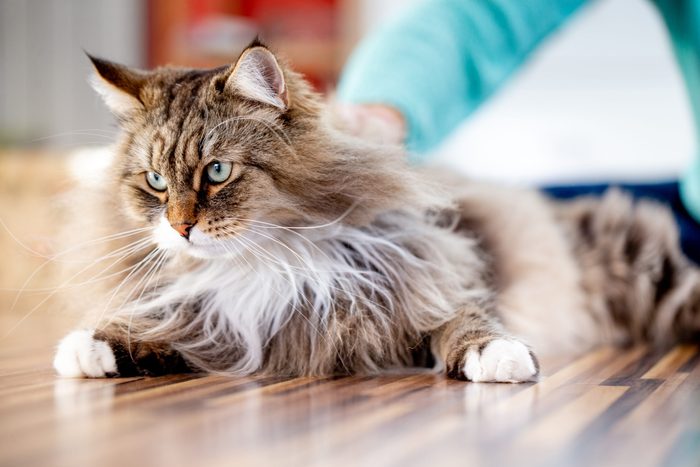
Credit: www.rd.com
Frequently Asked Questions
What Are The Most Popular Cat Breeds Images?
Popular cat breeds images often include Persian, Siamese, Maine Coon, Bengal, and Scottish Fold. These breeds are visually distinct and widely loved. Their photos highlight unique features like fur patterns, eye color, and body shapes. Such images help cat lovers recognize and appreciate breed diversity.
Where Can I Find High-quality Cat Breeds Images?
High-quality cat breeds images are available on stock photo sites, breed-specific websites, and animal shelters. Sites like Shutterstock, Pixabay, and Unsplash offer free or paid images. Official cat breed clubs also provide authentic photos that showcase breed standards and characteristics.
How Do Cat Breed Images Help In Identification?
Cat breed images highlight distinct physical traits like fur length, color, and ear shape. They assist pet owners and enthusiasts in identifying breeds accurately. Visual references reduce confusion between similar breeds. Images also educate about breed-specific features and health considerations.
Can Cat Breed Images Influence Adoption Choices?
Yes, cat breed images significantly influence adoption decisions. Attractive photos showcase a cat’s personality and appeal. Seeing breed-specific traits helps potential adopters choose cats that fit their lifestyle. Clear images create emotional connections and increase adoption rates.
Conclusion
Cat breeds show a wide range of colors, shapes, and sizes. Each breed has unique traits that make them special. Enjoy exploring these beautiful images to learn more. They help you see the differences clearly and simply. Whether you like fluffy or short-haired cats, there is something for everyone.
Keep discovering and appreciating the charm of every cat breed. Pictures make it easier to understand and remember them. Keep your love for cats growing with every new image you see.
