

Are you curious about the unique cat breeds that come from Japan? If you love cats and want to discover something special, you’re in the right place.
Japan has some amazing cat breeds with beautiful looks and fascinating personalities. These cats aren’t just pets; they carry stories and traditions that make them truly one of a kind. Keep reading to find out which Japanese cat breed might be the perfect addition to your home.
You won’t want to miss these charming feline friends!
Japanese Bobtail
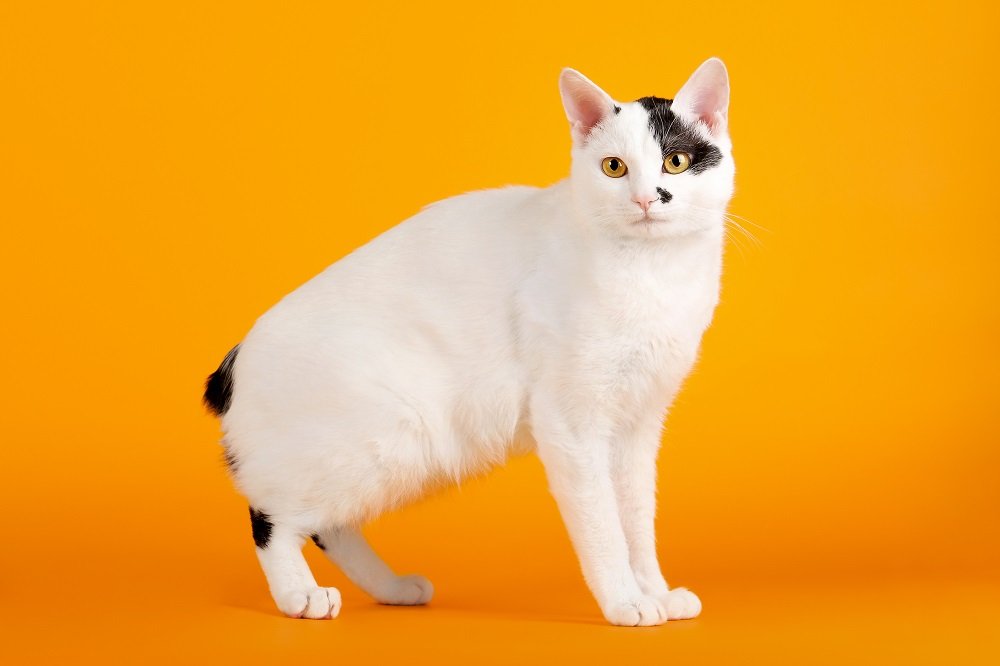
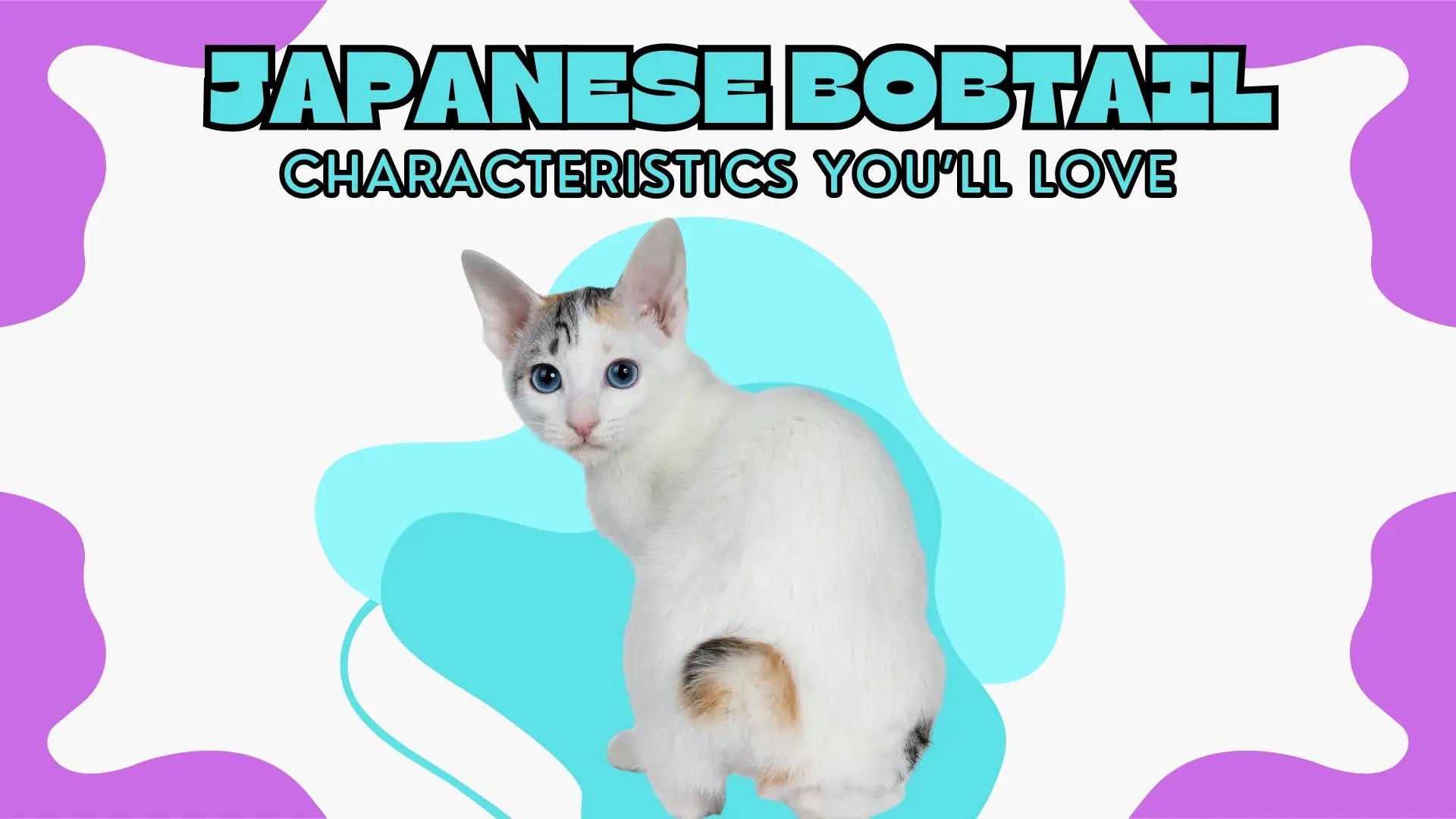
The Japanese Bobtail is a unique cat breed known for its short, curly tail. This breed has a graceful body and a lively personality. It has been part of Japanese culture for centuries and often appears in art and folklore. Many cat lovers admire its playful nature and striking look.
Distinctive Tail Features
The Japanese Bobtail’s tail is its most famous trait. It is short and curved like a bunny’s tail. No two tails look the same; each one is different. This tail shape is due to a natural genetic mutation. The rest of the body is slim and muscular, making the cat very agile.
Historical Significance
The Japanese Bobtail has deep roots in Japan. It is often seen in traditional paintings and sculptures. The breed is linked to good luck and happiness in Japanese culture. Maneki-neko, the beckoning cat statue, is a Japanese Bobtail. It is believed to bring fortune to its owner.
Personality Traits
This breed is friendly and social. It enjoys spending time with people and other pets. Japanese Bobtails are curious and love to explore their surroundings. They are also known for being vocal and expressive. Their playful spirit makes them great companions for families.
Kurilian Bobtail
The Kurilian Bobtail is a fascinating cat breed that often surprises people with its unique look and lively personality. Known for its short, pom-pom tail and robust build, this breed stands out not only in appearance but also in character. If you’re seeking a cat that combines charm with an adventurous spirit, the Kurilian Bobtail might be the perfect companion for you.
Origin And Habitat
The Kurilian Bobtail originated from the Kuril Islands, a chain of volcanic islands stretching between Russia and Japan. This remote habitat shaped their strong, agile bodies and excellent hunting skills. These cats adapted to harsh weather and rugged terrain, making them resilient and hardy pets.
Interestingly, the Kurilian Bobtail has a long history as a working cat, often used by fishermen to keep boats free of rodents. This practical role has kept their natural instincts sharp through generations.
Physical Characteristics
One of the most striking features of the Kurilian Bobtail is its short, curved tail, resembling a fluffy pom-pom. This tail is a natural mutation and varies greatly among individuals, giving each cat a unique look.
Their body is muscular and medium to large-sized, built for strength and agility. Their dense double coat comes in both short and semi-long varieties, suited for cold climates. You will notice a wide range of colors and patterns, adding to their distinctiveness.
Temperament And Behavior
Kurilian Bobtails are known for their intelligence and playful nature. They enjoy interactive toys and puzzles, which keep their minds sharp. If you want a cat that can entertain itself and engage with you, this breed fits well.
These cats are social and tend to form strong bonds with their families. They show affection without being overly demanding, striking a good balance for many pet owners. Have you ever experienced a pet that feels like a true partner in adventure? The Kurilian Bobtail often fills that role perfectly.
Kinkalow
The Kinkalow is a rare and playful cat breed that combines charm with a unique look. This breed is a cross between the American Curl and the Munchkin, giving it curled ears and short legs. The Kinkalow stands out with its small size and sweet personality. It is perfect for families seeking a fun and loving companion.
Unique Appearance
The Kinkalow has curled ears that bend backward, a trait from the American Curl. Its short legs come from the Munchkin, giving it a low-to-the-ground stance. The coat can be short or medium length and comes in many colors and patterns. Its big, round eyes and expressive face add to its charm. This breed looks like a small, playful kitten even as an adult.
Breed Development
The Kinkalow was created by crossing two distinct breeds to combine special traits. Breeders aimed to keep the curled ears and short legs together. This breed is still rare and not fully recognized by all cat associations. Careful breeding helps maintain health and strong genetics. The breed is known for its lively nature and affectionate temperament.
Care And Maintenance
Kinkalows need regular grooming to keep their coat clean and shiny. Brush their fur once or twice a week to remove loose hair. Their curled ears require gentle cleaning to avoid infections. Short legs may make jumping harder, so provide safe spaces for climbing. Regular vet visits ensure they stay healthy and active. This breed enjoys playtime and attention from owners.

Credit: www.freemalaysiatoday.com
Japanese Cat Culture
Japanese Cat Culture offers a fascinating glimpse into how deeply cats are woven into the fabric of Japan’s history and daily life. Cats are more than just pets here; they hold symbolic meanings and appear in stories and traditions that have lasted centuries. Understanding this culture can give you a new appreciation for these mysterious and charming creatures.
Cats In Japanese Folklore
Cats have been featured in Japanese folklore for hundreds of years, often seen as magical or spiritual beings. One famous story is about the Bakeneko, a supernatural cat that can shape-shift and bring both good and bad fortune.
Have you ever wondered why cats are sometimes feared as well as loved in stories? This dual nature makes them intriguing characters in myths and legends.
These tales reflect how people once tried to explain the unknown by attributing mysterious powers to cats, showing their complex role in Japanese culture.
Maneki-neko Symbolism
The Maneki-neko, or “beckoning cat,” is a common sight in shops and restaurants across Japan. This cat statue, usually with one paw raised, is believed to bring good luck and wealth to its owner.
Colors and paw positions carry different meanings. A raised right paw is said to attract money, while a left paw invites customers.
Have you noticed these cats when you walk into a Japanese business? Understanding their symbolism might even inspire you to keep one at home or work.
Cats In Modern Japan
Today, cats continue to hold a special place in Japanese society beyond folklore and superstition. Cat cafes, where you can relax and enjoy a drink while playing with cats, have become popular hangouts, especially in big cities like Tokyo and Osaka.
There are also entire islands, like Tashirojima, known as “Cat Island,” where cats outnumber humans and are treated like local celebrities.
What would it be like to live in a place where cats rule the streets? Visiting these spots can give you a unique perspective on how cats shape modern Japanese life.
Choosing A Japanese Breed
Choosing a Japanese cat breed means finding a pet that fits your lifestyle and home. These breeds often have unique traits and needs. Understanding these helps in making the right choice. Consider how the breed behaves, its health, and care requirements.
Suitability For Families
Japanese cat breeds vary in temperament. Some are calm and gentle, ideal for families with children. Others are more active and curious, needing more attention. Think about your family’s daily routine and energy levels. Choose a breed that matches your household’s pace.
Health Considerations
Each Japanese breed has common health traits. Some may have genetic conditions or special care needs. Regular vet visits keep cats healthy. Know the breed’s typical health issues before adopting. Proper diet and exercise also support long life.
Adoption Tips
- Research breeders carefully to find ethical sources.
- Ask about the cat’s history and health records.
- Visit the cat several times before deciding.
- Consider shelters or rescue groups for adoption.
- Prepare your home with necessary supplies and safe spaces.
Credit: purebredkitties.com
Credit: www.purina.com
Frequently Asked Questions
What Are The Most Popular Cat Breeds From Japan?
The most popular Japanese cat breeds include the Japanese Bobtail and Kurilian Bobtail. These breeds are known for their unique tail shapes and friendly personalities.
How Do Japanese Bobtail Cats Differ From Other Breeds?
Japanese Bobtails have a distinctive short, bobbed tail and are highly active and social. They are often considered lucky in Japanese culture.
Are Japanese Cat Breeds Good For Families?
Yes, Japanese cat breeds like the Japanese Bobtail are affectionate, playful, and adapt well to family life, making them excellent pets.
What Is The Cultural Significance Of Japanese Bobtail Cats?
Japanese Bobtails symbolize good fortune and happiness in Japan. They often appear in traditional art and the famous “Maneki-neko” lucky cat figurines.
Conclusion
Japan offers unique and charming cat breeds with rich histories. Each breed has special traits and a lovely personality. These cats fit well in many homes and bring joy to their owners. Learning about them helps appreciate Japan’s culture and love for cats.
Whether for pets or curiosity, these breeds are worth knowing. Explore their stories and enjoy the beauty they bring. Cats from Japan truly have a special place in the world of pets.
