


Imagine curling up on your couch after a long day, a soft, warm ball of fur nestled by your side, purring gently. Fluffy cats have a magical way of turning any ordinary moment into pure bliss.
But with so many cat breeds out there, how do you find the perfect fluffy feline to match your lifestyle and personality? This guide is here to help you discover the most charming and cuddly cat breeds that will not only captivate your heart but also become your new best friend.
Get ready to explore a world of fluffiness and find out which breed could be the perfect addition to your home. You’re about to uncover the secrets of these adorable companions, ensuring you choose the best furry friend for you and your family.
Traits Of Fluffy Cats
Fluffy cats capture attention with their luxurious coats and charming personalities. Their traits go beyond just appearance, influencing how they interact with you and what kind of care they require. Understanding these traits helps you create a happier home for your furry companion.
Coat Types And Textures
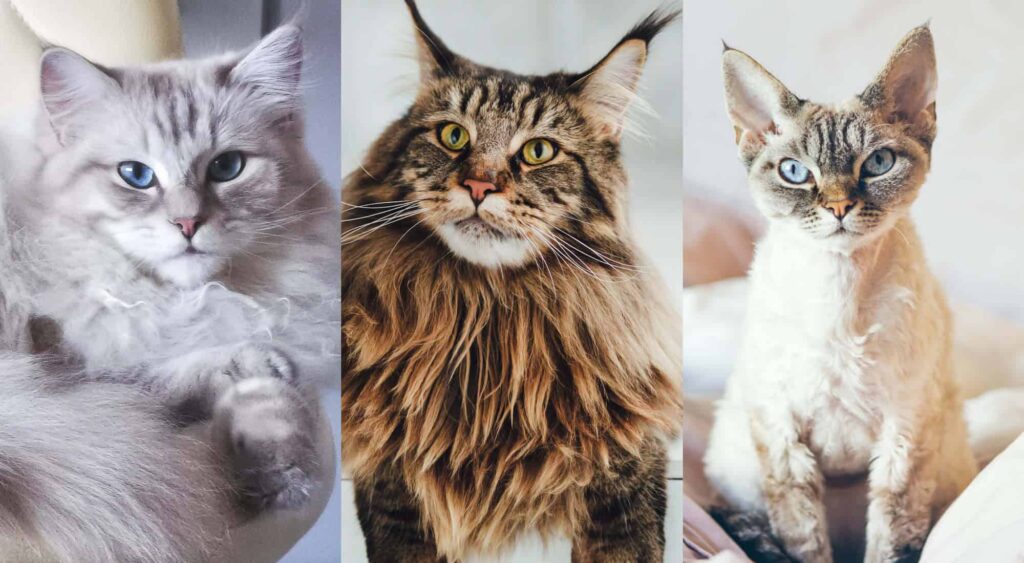
Fluffy cats often have long or medium-length fur that feels soft and plush. Some have silky coats that flow smoothly, while others might have dense, woolly fur that offers extra warmth. Common breeds like the Maine Coon or Persian showcase these rich textures, each needing specific grooming to avoid tangles and mats.
Have you noticed how some fluffy cats shed more during certain seasons? This shedding is part of their natural cycle and affects how often you’ll need to brush them. Regular grooming not only keeps their coat healthy but also reduces the amount of hair around your home.
Common Personality Traits
Many fluffy cats share a gentle and affectionate nature, making them great companions. They often enjoy quiet moments on your lap but can also show bursts of playful energy. Some breeds are known for being more social and curious, while others prefer a calm, peaceful environment.
Think about how your fluffy cat reacts when you come home—do they greet you eagerly or prefer to observe from a distance? These subtle personality cues can guide you in strengthening your bond and providing the right type of interaction.
Care Needs For Fluffy Cats
Fluffy cats need more than just love—they require consistent grooming to keep their coat free from mats and dirt. Brushing daily can prevent painful tangles and skin issues, which are common in long-haired breeds. Bathing occasionally and trimming nails are also part of maintaining their health.
Diet plays a role in coat quality too. High-quality food rich in omega fatty acids can enhance their fur’s shine and softness. Have you checked if your cat’s food supports skin and coat health? Adjusting their diet might improve their fluffiness and overall wellbeing.
Credit: rawznaturalpetfood.com
Top 10 Fluffiest Cat Breeds
Fluffy cats are more than just adorable—they bring a unique charm and softness to any home. Their thick coats not only make them look like living teddy bears but also require special care and attention. If you’re thinking about welcoming one of these plush companions into your life, knowing which breeds top the fluffiness chart can help you pick the perfect match.
Persian Cats
Persians are the classic fluffy cats with long, flowing fur and a sweet temperament. Their coats need daily grooming to avoid mats and tangles, but their calm nature makes the effort worthwhile. Have you ever stroked a Persian’s luxurious fur and felt instantly relaxed?
Maine Coon Cats
Maine Coons boast thick, shaggy fur that keeps them warm in cold climates. They’re large, friendly cats who love being part of the family action. Their fur is dense yet silky, requiring regular brushing to keep it in top shape.
Ragdoll Cats
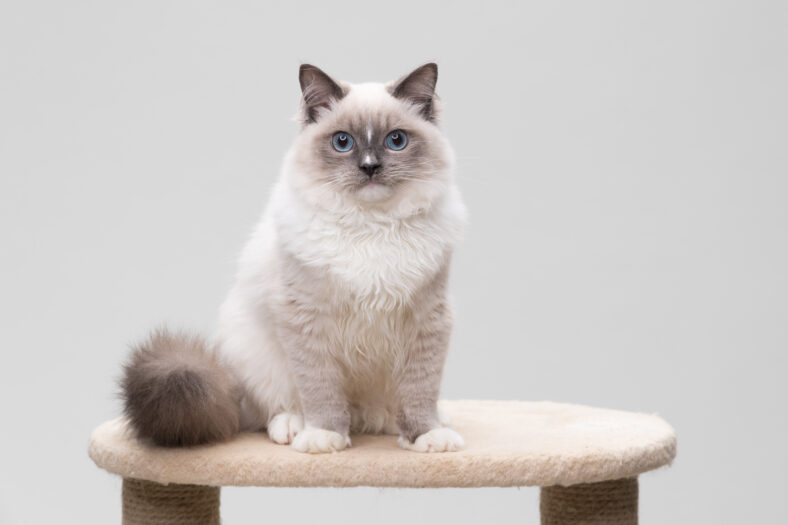
Ragdolls are known for their semi-long, plush coats and striking blue eyes. Their fur feels incredibly soft, almost like a rabbit’s, making them perfect cuddle buddies. They tend to go limp when you hold them—hence the name—adding to their charm.
Siberian Cats
Siberians have a thick triple coat designed for harsh winters. Their fluffiness is matched by their playful and affectionate personality. This breed sheds seasonally, so are you ready to keep up with their grooming needs?
Norwegian Forest Cats
With a dense double coat, Norwegian Forest cats look like little forest creatures. Their water-resistant fur makes them great outdoor explorers. If you want a fluffy cat that can handle the outdoors, this breed might be your ideal companion.
Birman Cats
Birmans have silky, medium-long fur that rarely mats, making grooming easier than other fluffy breeds. Their striking white “gloves” on paws add to their elegant appearance. They’re social cats that enjoy human interaction and attention.
Himalayan Cats
Himalayans combine the Persian’s plush coat with the color points of a Siamese. Their dense fur requires regular brushing to prevent matting. Their gentle and quiet nature makes them perfect for calm households.
Turkish Angora Cats
Turkish Angoras have silky, medium to long fur that flows beautifully when they move. They’re agile and playful, often surprising owners with their bursts of energy. Are you ready for a fluffy cat that’s also a little mischievous?
Scottish Fold Cats
Scottish Folds with long hair have soft, thick coats that add to their unique folded-ear look. Their fur feels plush and velvety, inviting endless petting sessions. They adapt well to indoor living, making them great for apartment dwellers.
British Longhair Cats
British Longhairs sport dense, plush fur that gives them a rounded, cuddly appearance. They’re calm and easygoing, fitting well into family life. Their moderate grooming needs make them a good choice if you want fluff without too much hassle.
Grooming Tips For Fluffy Cats
Fluffy cats require a bit more attention when it comes to grooming. Their thick coats can easily tangle and trap dirt, making regular care essential. Understanding how to maintain their fur not only keeps them looking great but also supports their overall health.
Brushing Techniques
Regular brushing is the cornerstone of grooming for fluffy cats. Use a wide-toothed comb to gently detangle knots without pulling on their skin. Follow up with a soft bristle brush to smooth the coat and distribute natural oils.
Try brushing in the direction of hair growth to avoid discomfort. If your cat resists, break sessions into short, calm periods. Have you noticed how some cats actually enjoy this bonding time?
Bathing Frequency
Bathing fluffy cats isn’t needed too often unless they get particularly dirty. Too much washing can strip their fur of natural oils, causing dryness. Aim for a bath every 6 to 8 weeks, or as needed based on activity and coat condition.
Use a mild cat shampoo and lukewarm water. Remember, drying is crucial—towel dry thoroughly and use a pet-safe dryer on a low setting if your cat tolerates it. Have you tried using a damp cloth for spot cleaning between baths?
Managing Shedding
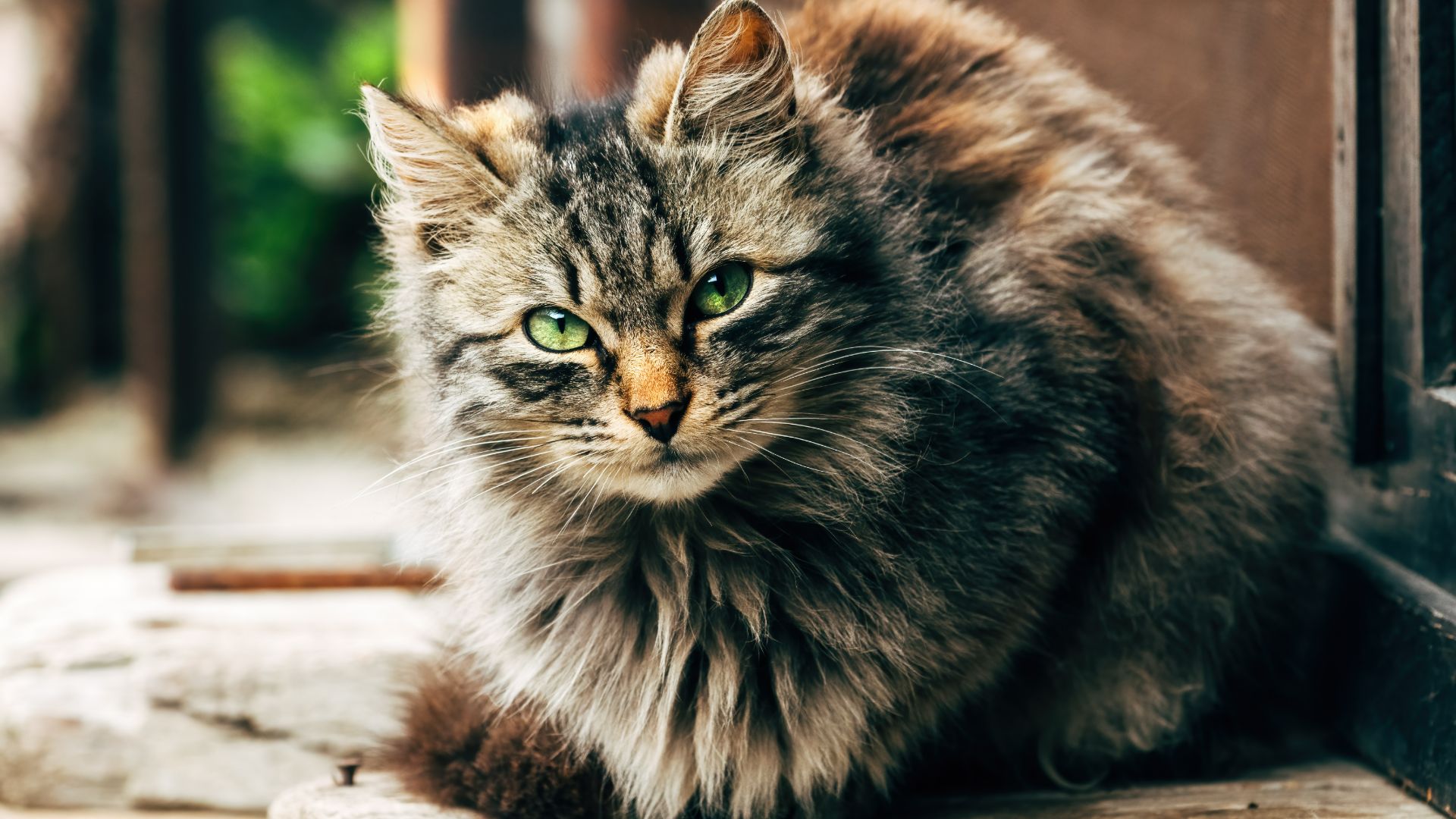
Shedding can be a big challenge with fluffy breeds, especially during seasonal changes. Increase brushing frequency during these times to catch loose fur before it spreads around your home. You might want to invest in a grooming glove or de-shedding tool for easier fur removal.
Keep your cat hydrated and feed a balanced diet to support healthy skin and coat. Have you noticed how your cat’s shedding changes with their diet or environment?
Credit: www.petsradar.com
Health Considerations
Fluffy cat breeds bring joy with their soft coats and charming personalities, but their health needs require special attention. Understanding these needs helps you keep your feline friend happy and thriving. Let’s look closely at key health considerations to watch for, and how you can support your fluffy companion’s well-being every day.
Common Health Issues
Fluffy cats often face specific health challenges linked to their thick fur and body type. Hairballs are a frequent problem because their dense coats shed a lot. You might notice your cat coughing or gagging more often—this signals the need for extra grooming or hairball remedies.
Some fluffy breeds are prone to obesity, which can cause joint pain and heart problems. Keep an eye on your cat’s weight and watch for signs of lethargy or difficulty moving. Regular vet checkups can catch issues like kidney disease or respiratory problems early.
Diet And Nutrition
Feeding fluffy cats well is crucial for managing their weight and coat health. Opt for high-protein, low-carb cat food to maintain muscle and reduce fat buildup. Including omega-3 and omega-6 fatty acids supports a shiny, healthy coat and reduces skin irritation.
Consider smaller, more frequent meals to keep metabolism steady and avoid overeating. Have you noticed if your cat prefers wet or dry food? Offering both can improve hydration and dental health. Always provide fresh water and avoid giving too many treats, which can lead to weight gain.
Exercise For Fluffy Cats
Exercise keeps fluffy cats agile and prevents weight gain, but it can be a challenge if your cat prefers lounging. Try interactive toys like feather wands or laser pointers to spark their hunting instincts. Short, daily play sessions often work better than long, infrequent ones.
Some fluffy breeds enjoy climbing, so adding cat trees or shelves can encourage movement. Even older or less active cats benefit from gentle play—have you tried rolling a ball or dangling a string? These simple activities make a big difference in their overall health.
Choosing The Right Fluffy Cat
Choosing the right fluffy cat means matching their personality and needs with your lifestyle. Fluffy cats come in many breeds, each with unique traits and care requirements. Taking time to understand what fits your daily routine helps you enjoy a happy relationship with your new companion.
Lifestyle Compatibility
Think about your daily schedule and home environment. Some fluffy cats, like the Persian, enjoy calm and quiet spaces. Others, such as the Maine Coon, are more active and playful, needing space to roam and interact.
If you work long hours, consider a breed that’s more independent and low-maintenance. Do you have kids or other pets? Choose a cat known for being sociable and gentle. Your lifestyle shapes how well you and your fluffy cat will get along.
Adoption Vs. Breeders
Adopting a fluffy cat can be rewarding and often gives a homeless animal a second chance. Shelters sometimes have long-haired cats needing loving homes. Visiting local rescues or breed-specific rescue groups might surprise you with options.
Buying from breeders guarantees a specific breed and health history. Make sure the breeder is reputable and ethical. Ask about health checks and temperament testing to avoid surprises later.
Which option feels right for you—rescuing a cat in need or choosing a particular breed from a breeder?
Cost And Commitment
Fluffy cats often require more grooming, which means time and money. Regular brushing prevents mats and keeps their coat healthy. Professional grooming sessions add to the cost but can be necessary for some breeds.
Veterinary care, food, toys, and a safe environment also add to your expenses. Some fluffy breeds have specific health concerns that might increase vet visits. Are you ready to invest in your cat’s well-being for years to come?
Remember, fluffy cats are a long-term commitment that involves more than just their adorable looks. Your dedication will make all the difference in their happiness and health.
Credit: www.chipchick.com
Frequently Asked Questions
What Are The Most Popular Fluffy Cat Breeds?
Popular fluffy cat breeds include Persian, Maine Coon, Ragdoll, and Siberian. These cats have long, thick fur and gentle temperaments, making them ideal pets for those who love soft, cuddly companions.
How Do I Care For A Fluffy Cat’s Coat?
Fluffy cats need regular grooming to prevent matting and tangles. Brush their fur daily, use appropriate shampoos, and schedule professional grooming if needed. Proper care keeps their coat healthy and reduces shedding around your home.
Are Fluffy Cat Breeds Hypoallergenic?
Most fluffy cat breeds are not hypoallergenic. Their long fur traps more allergens like dander. However, breeds like the Siberian may cause fewer allergic reactions for some people, but no fluffy cat is completely allergen-free.
What Health Issues Affect Fluffy Cat Breeds?
Fluffy cats are prone to hairballs, skin infections, and obesity due to limited activity. Some breeds, like Persians, may have respiratory problems. Regular vet visits and proper grooming help maintain their health and well-being.
Conclusion
Fluffy cat breeds bring charm and comfort to any home. Their soft fur invites gentle pets and warm hugs. Many breeds have unique looks and friendly personalities. Choosing a fluffy cat means enjoying beauty and companionship. Each cat needs care, love, and attention daily.
These furry friends make life happier and more peaceful. Think about your lifestyle and space before picking one. A fluffy cat can brighten your days and nights. Simple joys come from their playful and calm nature. Embrace the warmth that a fluffy cat provides.
