

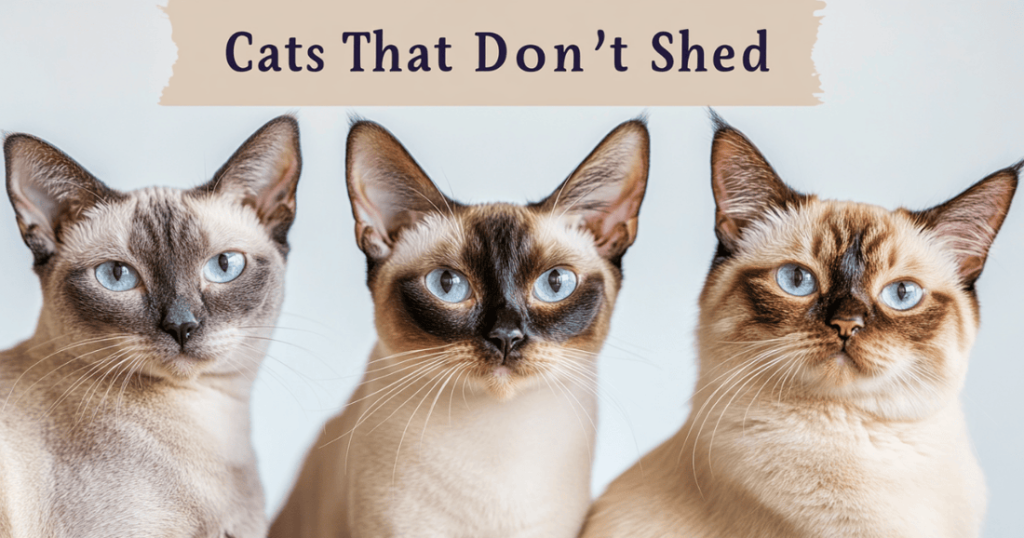
Are you tired of finding cat hair on your clothes, furniture, and everywhere in between? You’re not alone.
Shedding can be frustrating, especially if you love cats but want to keep your home clean and allergen-free. What if you could enjoy the companionship of a cat without the constant mess? You’ll discover cat breeds that don’t shed—or shed very little—so you can have a furry friend who fits perfectly into your lifestyle.
Keep reading to find the perfect low-shedding cat for your home.

Credit: www.thepioneerwoman.com
Why Some Cats Shed Less
Understanding why some cats shed less can help you choose the right feline friend for your home. Shedding depends on several factors that influence the amount and frequency of hair loss. Knowing these can make living with your cat a cleaner, more enjoyable experience.
Genetics And Coat Types
Genetics play a big role in how much a cat sheds. Cats with certain coat types naturally lose less hair. For example, breeds like the Sphynx have almost no fur, while others like the Russian Blue have dense but short coats that shed minimally.
Coat texture also matters. Cats with curly or wavy fur, such as the Cornish Rex, tend to shed less because their hair is different from straight-haired cats. Have you noticed how some cats barely leave fur on your furniture? Their genes are the reason.
Environmental Factors
Your cat’s surroundings affect shedding too. Indoor cats usually shed less because they are not exposed to seasonal changes that trigger heavy shedding. Temperature, humidity, and stress levels at home can also impact hair loss.
If your cat spends a lot of time outside, expect more shedding during spring and fall. You might want to create a comfortable indoor space to help regulate your cat’s coat condition.
Health And Diet Influence
Good health and nutrition are crucial for a shiny, well-maintained coat. Cats with balanced diets rich in omega-3 and omega-6 fatty acids usually shed less. Poor nutrition or illness often leads to excessive shedding or patchy fur.
Have you ever noticed your cat shedding more when they don’t feel well? That’s because stress and health problems affect their skin and coat health. Regular vet visits and a healthy diet can keep shedding under control.
Top Low-shedding Cat Breeds
Finding a cat that doesn’t leave fur all over your furniture can feel like a quest. Luckily, some breeds naturally shed less, making them ideal for those sensitive to pet hair or anyone who prefers a tidier home. Here’s a closer look at some of the top low-shedding cat breeds that might fit perfectly into your life.
Sphynx: The Hairless Wonder
The Sphynx stands out with its almost completely hairless body. This unique look means you won’t be vacuuming fur daily, but don’t expect zero maintenance. Their skin requires regular cleaning to prevent oil buildup, which is something to consider if you like low-effort pets.
If you’ve ever seen a Sphynx, you know their personality is as warm as their skin. They’re social and affectionate, making them great companions despite their unusual appearance.
Bengal: Minimal Fur Maintenance
Bengals sport a short, dense coat that sheds very little compared to other cats. Their fur feels more like a soft pelt, and you’ll notice less hair on your clothes and furniture. Just brushing once a week can keep their coat in top shape.
These cats are energetic and curious. If you want a low-shedding cat that stays active and playful, Bengals can be a great match.
Russian Blue: Silky And Sparse
Russian Blues have a thick double coat, yet they shed minimally. Their fur is soft and dense but tends to stay put rather than floating around your home. Regular brushing helps control shedding, but it’s rarely a big issue.
Their gentle and reserved nature might surprise you. If you prefer a calm companion with minimal hair mess, this breed could be ideal.
Cornish Rex: Soft And Curly
The Cornish Rex’s coat is short, wavy, and fine, which leads to very light shedding. Their unique fur texture feels almost like velvet and rarely clings to your clothes. They require occasional grooming, but it’s much less than standard cats.
These cats are playful and love attention. Their minimal shedding combined with friendly nature makes them a favorite for many pet owners.
Siberian: Hypoallergenic Qualities
Though Siberians have a thick, long coat, they are known for producing fewer allergens. Their shedding is moderate, but many allergy sufferers find them easier to live with. Regular grooming helps keep their fur manageable and your home cleaner.
Have you ever wondered if a long-haired cat can be allergy-friendly? Siberians challenge that idea by blending beauty, personality, and hypoallergenic traits.
Benefits Of Low-shedding Cats
Choosing a low-shedding cat breed can change your pet ownership experience in many positive ways. These cats not only reduce the mess around your home but also offer health benefits that improve your daily life. If you’ve ever struggled with pet hair on your clothes or sneezing fits, a low-shedding cat might be the perfect companion for you.
Allergy-friendly Pets
Many people worry that allergies will keep them from enjoying a cat’s company. Low-shedding cats produce less dander, which is the main trigger for allergies. This means you can spend more time cuddling without constant sneezing or itchy eyes.
Breeds like the Siberian or Balinese are known for being more allergy-friendly. You might find that your reaction is milder or even disappears altogether. Have you noticed your symptoms improve around certain cats? That’s a sign a low-shedding pet could work well for your home.
Reduced Cleaning Effort
Pet hair can quickly take over your furniture, carpets, and clothes. Low-shedding cats leave behind far less fur, cutting down the time you spend cleaning. Imagine no longer needing to vacuum daily or lint-roll your clothes constantly.
Less shedding means fewer clogged air filters and less hair on your favorite chair. This frees up your time for activities you enjoy instead of endless tidying. What would you do with extra minutes in your day?
Better Indoor Air Quality
Shedding fur and dander can affect the air you breathe at home. Low-shedding cats contribute less to indoor allergens and airborne particles. This can make a noticeable difference, especially if you have asthma or sensitive lungs.
Cleaner air can improve your overall well-being and create a more comfortable living space. Have you ever thought about how pet hair impacts the air quality in your home? Reducing shedding might be an easy step toward breathing easier every day.

Credit: shamelesspets.com
Care Tips For Low-shedding Cats
Low-shedding cats may save you from endless fur cleanup, but they still need your attention to keep their coats healthy and skin comfortable. Caring for these cats means focusing on grooming, nutrition, and skin health to ensure they stay happy and vibrant. How well you care for your low-shedding cat can make a big difference in their overall well-being.
Regular Grooming Practices
Even cats that shed less need regular grooming to remove loose hairs and prevent matting. Brushing your cat a few times a week keeps their coat shiny and reduces the chance of hairballs. Use a brush designed for your cat’s fur type, and watch how they respond—some cats love the attention, while others prefer short sessions.
Grooming is also a great way to check for skin issues early. Look for redness, bumps, or dry patches as you brush. If your cat tolerates baths, an occasional gentle wash with a cat-safe shampoo can refresh their coat without stripping natural oils.
Nutrition For Healthy Coats
Your cat’s diet plays a major role in the quality of their coat. Foods rich in omega-3 and omega-6 fatty acids help keep fur soft and skin hydrated. Look for high-quality cat foods that list fish oils or flaxseed as ingredients.
Consider supplements only if recommended by your vet. Over-supplementing can cause imbalances that might harm your cat. Have you noticed how your cat’s coat changes with different foods? It’s a strong indicator of their nutritional health.
Managing Skin Health
Healthy skin means less irritation and fewer scratches that can lead to infections. Keep your cat’s environment clean and free of allergens that might cause itching. Regularly check for fleas or ticks, as even low-shedding cats can be affected.
Dry skin can be a hidden problem, especially in heated homes during winter. Use a humidifier if the air feels dry, and always provide fresh water to keep your cat hydrated. If you spot persistent redness or your cat is scratching nonstop, a vet visit is necessary to rule out allergies or infections.
Choosing The Right Cat For Your Home
Choosing the right cat for your home is more than just picking a cute face. It means finding a companion that fits your daily routine, living space, and care preferences. Understanding what different cat breeds need helps you avoid surprises and ensures a happy life for both you and your feline friend.
Lifestyle Compatibility
Think about your daily schedule. Do you spend most of your time at home, or are you often out? Some cat breeds that don’t shed require more attention and interaction, while others are happy being independent.
For example, if you work long hours, a low-maintenance, non-shedding breed like the Sphynx might be a better fit than a breed that craves constant play. Matching your energy level with your cat’s personality can prevent stress for both of you.
Space And Activity Needs
How much room do you have? Larger breeds or active cats need space to roam and play. A small apartment might suit a calm, less active non-shedding cat like the Russian Blue.
Consider creating vertical spaces, like shelves or cat trees, to keep your cat entertained without needing a big floor area. Ask yourself: Can your home support your cat’s activity needs comfortably?
Budget And Care Considerations
Non-shedding cats often have unique care requirements that affect your budget. Grooming might be less about fur but more about skin care or special diets.
Think about vet visits, grooming supplies, and food costs. Some breeds like the Devon Rex might need regular ear cleaning, which adds to care time and expenses. Are you ready to invest in what your chosen breed needs?

Credit: www.thepioneerwoman.com
Frequently Asked Questions
Which Cat Breeds Shed The Least?
Breeds like the Sphynx, Russian Blue, and Cornish Rex shed very little. Their unique coats reduce loose hair. These cats are ideal for allergy sufferers and those wanting less pet hair around the house.
Are There Truly Non-shedding Cat Breeds?
No cat breed is completely non-shedding. However, some shed so minimally that shedding is hardly noticeable. Regular grooming further reduces loose fur and helps maintain coat health.
How To Manage Shedding In Low-shed Cats?
Regular brushing removes loose hair and prevents matting. A balanced diet promotes healthy skin and coat. Keeping cats hydrated also reduces shedding and improves fur quality.
Do Low-shed Cats Cause Fewer Allergies?
Low-shed cats often produce fewer allergens, but no breed is hypoallergenic. Allergic reactions depend on individual sensitivity to dander and saliva proteins. Choosing low-shed breeds may help reduce symptoms.
Conclusion
Choosing a cat that sheds less can help keep your home cleaner. These breeds offer softer grooming needs and less fur on clothes. They still need love, care, and regular vet visits. Remember, every cat has its own unique personality and charm.
Find one that fits your lifestyle and enjoy the company. A low-shedding cat can be a great pet for many homes. Consider these breeds if you want a tidier, happier living space.
