

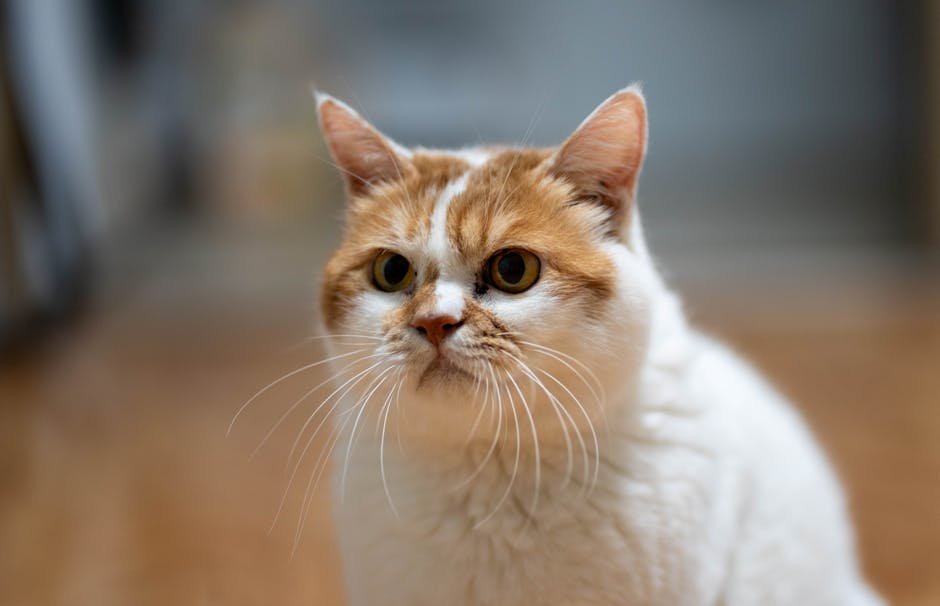
Are you captivated by the charm and elegance of cats? If so, the British Longhair might just steal your heart.
This delightful breed, known for its luxurious fur and calm demeanor, is a perfect companion for those who appreciate a blend of beauty and tranquility. Imagine a plush, living teddy bear that purrs contentedly on your lap, offering warmth and companionship.
With their enchanting eyes and soft, flowing coats, British Longhairs are more than just a sight to behold; they’re a joy to live with. As you delve deeper into the world of British Longhairs, you’ll discover their unique traits and why they might be the perfect addition to your home. Keep reading to uncover the secrets of this majestic breed and see if they resonate with your lifestyle and heart.
Credit: paradepets.com
Origins Of British Longhair
The origins of the British Longhair cat are a fascinating journey through history and genetics. Understanding where this breed comes from helps you appreciate its unique charm and characteristics. Let’s uncover the story behind the British Longhair.
History And Development
The British Longhair traces its roots back to the British Shorthair cats of the 19th century. Breeders wanted to create a cat with the British Shorthair’s sturdy build but with a longer, luxurious coat.
To achieve this, they introduced longhaired cats, often Persians, into the breeding lines. This crossbreeding gave rise to cats with the British Shorthair’s solid features but with longer fur.
Have you ever noticed how the British Longhair’s calm demeanor feels like a throwback to an older, quieter era? This history explains much of that personality.
Genetic Background
The British Longhair carries genes from both British Shorthairs and longhaired breeds like Persians. This genetic mix is responsible for their thick, plush coat and round features.
Because of this blend, you might find variations in their coat length and texture even within the same litter. It’s a reminder of the diverse heritage packed into their DNA.
Knowing this can help you anticipate grooming needs and health considerations that differ from their shorthaired cousins.
Relation To British Shorthair
The British Longhair is essentially a close relative of the British Shorthair, sharing many traits except for the coat length. Think of them as siblings with different hairstyles.
Both breeds have the same calm temperament, round face, and sturdy body. The primary difference lies in the British Longhair’s need for regular grooming to keep their fur from matting.
Do you prefer a cat that requires a bit more grooming but offers a plush, soft coat to pet? The British Longhair might just be your perfect match.
Physical Features
The British Longhair cat stands out with its unique physical features that combine both elegance and strength. Knowing these traits helps you appreciate the breed’s beauty and understand its care needs better. Let’s look closely at what makes their appearance so captivating.
Coat And Color Variations
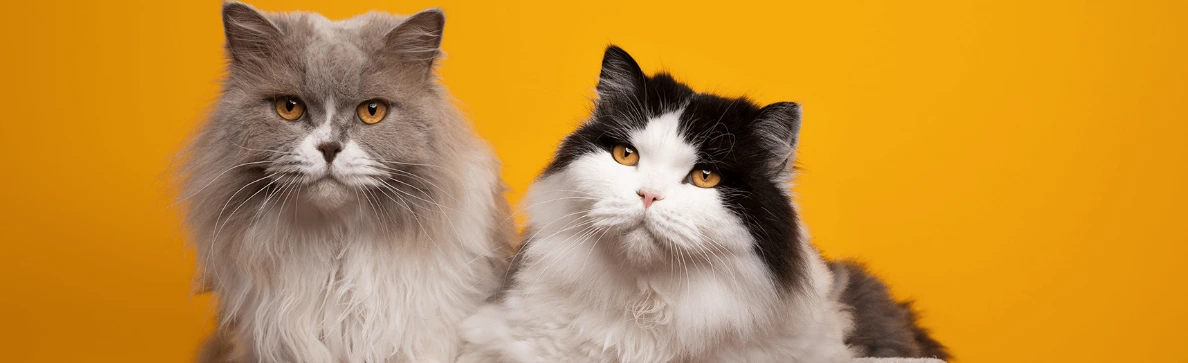
The British Longhair boasts a thick, dense coat that feels soft and plush to the touch. Its long fur requires regular grooming to prevent mats and tangles, which you’ll find rewarding as the cat’s coat shines beautifully.
Color variations range widely—from classic solid shades like blue and black to patterns such as tabby, shaded, and bicolor. You might be surprised to see how diverse their appearance can be, even within the same litter.
Size And Build
This breed has a sturdy, muscular build with a medium to large size that gives it a solid presence. Their broad chest and strong legs make them look robust but still graceful when they move.
If you’ve seen a British Longhair stretch out, you’ll notice their body is quite compact, which adds to their charm. Their weight usually ranges between 9 to 17 pounds, so they’re substantial without being bulky.
Distinctive Facial Traits
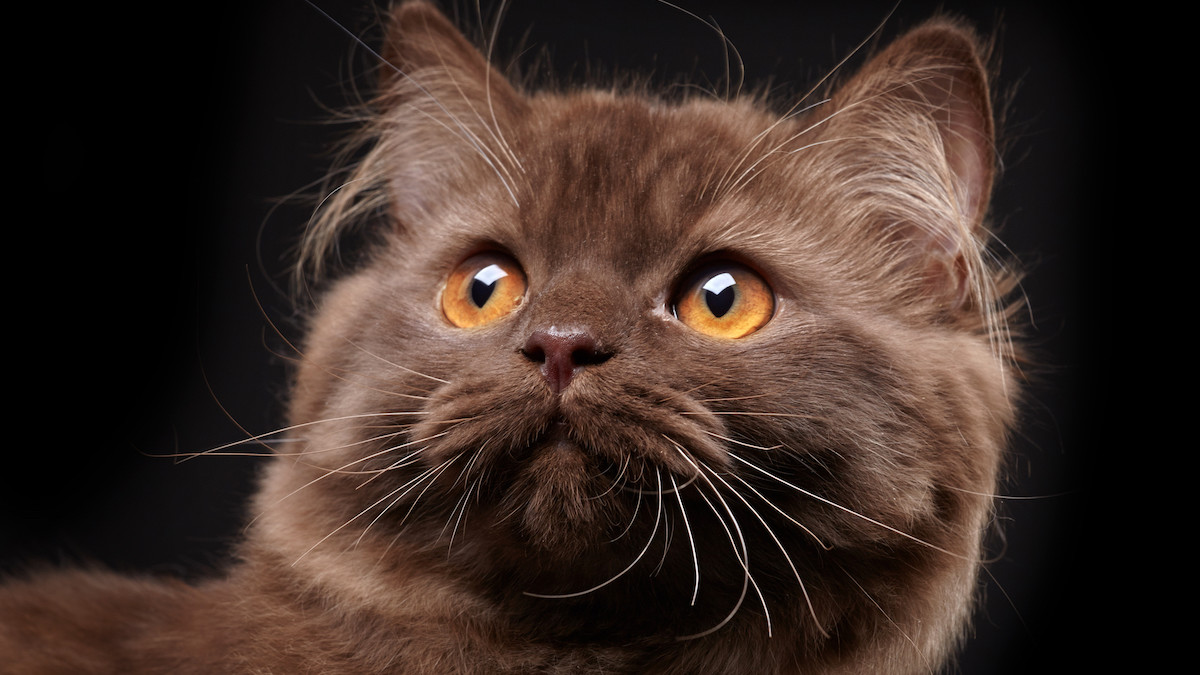
One of the most striking features is their round face, framed by full cheeks and a broad skull. Their large, round eyes often glow with an intense copper or gold color, catching your attention instantly.
Have you noticed how their small, rounded ears sit low on the head? This subtle detail gives them a sweet, approachable expression that many cat lovers find irresistible.
Personality Traits
The British Longhair cat is known for its gentle and calm personality. These cats enjoy quiet environments and show affection in subtle ways. Their personality makes them a great companion for many types of households.
Temperament And Behavior
British Longhairs are calm and easygoing. They rarely show aggressive behavior. These cats enjoy lounging but also like short play sessions. They adapt well to indoor living. Their laid-back nature makes them low-maintenance pets.
Social Interaction
They are friendly but not overly demanding of attention. British Longhairs prefer to approach people on their own terms. They enjoy gentle petting and quiet time with their owners. These cats can be shy around strangers but warm up slowly.
Compatibility With Families And Pets
British Longhairs get along well with children who treat them gently. They are patient and tolerant with kids. These cats usually accept other pets, especially calm dogs and cats. They thrive in peaceful homes without too much noise or chaos.

Credit: cats.fandom.com
Care And Grooming
British Longhair cats require regular care to stay healthy and happy. Their thick, plush coat needs special attention to prevent mats and tangles. Proper grooming also supports skin health and reduces shedding. Balanced nutrition and exercise keep these cats active and fit.
Coat Maintenance Tips
- Brush the coat at least twice a week to avoid knots.
- Use a wide-toothed comb for gentle detangling.
- Check for debris or dirt during grooming sessions.
- Trim nails regularly to prevent scratching injuries.
- Bathing is rarely needed but can be done with cat-safe shampoo.
Diet And Nutrition
Feed high-quality cat food rich in protein. British Longhairs thrive on balanced meals with essential vitamins. Avoid overfeeding to prevent obesity. Fresh water should always be available. Consider wet food to support hydration.
Exercise Needs
- Provide toys that encourage jumping and chasing.
- Create play sessions to stimulate their mind and body.
- Offer scratching posts to satisfy natural instincts.
- Indoor exercise helps maintain a healthy weight.
- Regular interaction strengthens your bond with the cat.
Health Concerns
British Longhair cats have unique health needs. Knowing these helps keep them happy and well. Regular care supports their strong build and thick coat. Understanding common health issues aids early detection and treatment. Lifespan expectations guide owners in providing proper care throughout their cat’s life.
Common Health Issues
- Hypertrophic Cardiomyopathy (HCM): A heart condition common in many cat breeds.
- Polycystic Kidney Disease (PKD): Causes cysts in the kidneys, affecting function.
- Obesity: Due to their calm nature, they can gain weight easily.
- Dental Problems: Plaque buildup and gum disease are frequent concerns.
- Respiratory Issues: Their dense coat can sometimes cause breathing difficulties.
Preventive Care
Regular vet checkups detect problems early. Vaccinations keep infections at bay. A balanced diet prevents obesity and supports overall health. Grooming removes loose fur and reduces hairballs. Dental care, like brushing or treats, helps maintain oral health. Exercise keeps them active and fit.
Lifespan Expectations
British Longhairs usually live 12 to 16 years. Good care can extend their lifespan. A stress-free environment supports their well-being. Regular monitoring helps spot issues early. A happy, healthy cat lives longer and thrives.
Choosing A British Longhair
Choosing a British Longhair means welcoming a calm and beautiful cat into your home. These cats have thick, plush coats and sweet personalities. They need care and attention, so it is important to prepare before bringing one home.
Finding Reputable Breeders
Start by researching breeders with a good reputation. A responsible breeder will show health records and allow visits. Avoid places that sell many cats quickly or have poor conditions. Look for breeders who care about the cat’s health and temperament.
Ask questions about the cat’s parents and their medical history. A good breeder will provide this information openly. This helps ensure your British Longhair will be healthy and well-socialized.
Adoption Considerations
Adoption is a kind choice. Shelters sometimes have British Longhairs or similar cats. Adopting gives a cat a second chance at a happy life. Consider your lifestyle and space before adopting. Make sure you can meet the cat’s needs for grooming and care.
Visit the shelter and spend time with the cat. Watch how the cat behaves around people. This helps you find a cat that fits your home and personality.
Costs And Commitment
British Longhairs require regular grooming to keep their coat healthy. Grooming tools and vet visits add to the cost. Food, toys, and litter must be included in your budget. Plan for unexpected health care expenses too.
These cats live many years, sometimes up to 15 years or more. Commitment means caring for them throughout their life. Make sure you have time and resources to give them a good home.
Living With A British Longhair
Living with a British Longhair means welcoming a calm and loving companion. These cats enjoy quiet spaces and gentle attention. Their thick, plush coats need regular care. British Longhairs adapt well to indoor life and enjoy cozy spots by windows or near heaters.
Home Environment Setup
Provide soft bedding in warm, quiet areas. British Longhairs like to observe from high places. Cat trees or shelves work well. Keep litter boxes clean and easy to access. Avoid loud noises and sudden changes to keep them calm.
Training And Enrichment
Use gentle training with treats and praise. These cats respond well to positive reinforcement. Offer toys that encourage gentle play. Puzzle feeders help keep their minds active. Rotate toys to keep their interest alive.
Building A Strong Bond
Spend quiet time petting and talking softly. Respect their need for personal space. Offer your lap for cozy naps. Learn their favorite spots and routines. Consistent care builds trust and friendship.
Credit: britishlonghaircat.info
Frequently Asked Questions
What Are The Main Traits Of British Longhair Cats?
British Longhair cats are known for their dense, plush coats and round faces. They are calm, affectionate, and adapt well to indoor living. Their gentle nature makes them great family pets. They require regular grooming due to their long fur.
How Do British Longhair Cats Differ From British Shorthairs?
British Longhairs have longer, fluffier coats compared to the short, dense fur of British Shorthairs. Both breeds share a sturdy build and sweet temperament. Longhairs need more grooming to prevent matting, while Shorthairs are easier to maintain.
What Health Issues Are Common In British Longhair Cats?
British Longhairs may face obesity, dental problems, and hypertrophic cardiomyopathy (heart disease). Regular vet check-ups and a balanced diet help prevent issues. Grooming also reduces the risk of skin infections caused by matted fur.
How Much Grooming Does A British Longhair Need?
British Longhairs require grooming 2-3 times weekly to avoid tangles and mats. Brushing keeps their coat healthy and reduces shedding. Regular grooming also helps monitor their skin and overall health.
Conclusion
British Longhair cats offer a calm and loving companion. Their soft fur and gentle nature attract many pet lovers. They need regular grooming to stay healthy and happy. These cats enjoy quiet homes and gentle playtime. Choosing a British Longhair means welcoming a loyal friend.
Small efforts bring great joy with this breed. Consider their needs before bringing one home. A British Longhair fits well in families and quiet spaces. Their charm and calmness make them special pets. A perfect choice for those seeking a peaceful cat.
