


Are you curious about how cat breeding works and want to understand the best way to plan it? A cat breeding chart can be your secret weapon.
It helps you track important dates, predict litters, and ensure healthy kittens. Whether you’re a first-time breeder or just want to keep your cats’ health on point, this guide will give you clear, simple steps to follow. Keep reading, and you’ll discover everything you need to make your cat breeding experience smooth and successful.
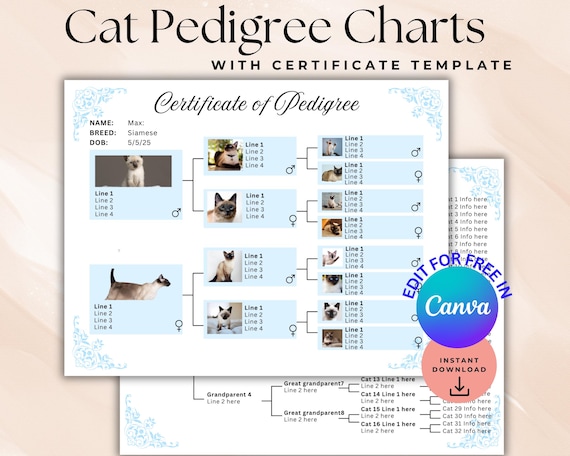
Credit: www.etsy.com
Genetics Basics
Understanding genetics is key to successful cat breeding. Genetics explains how traits pass from parent cats to their kittens. It helps predict coat colors, patterns, and health issues. Breeders use this knowledge to plan matings and produce desired traits.
Genetics is the study of genes, which carry information for traits. Every cat has two copies of each gene, one from each parent. These genes interact in ways that decide the kitten’s appearance and health.
Genes And Inheritance
Genes are units of heredity found in chromosomes. Cats inherit one gene copy from their mother and one from their father. These gene pairs determine traits like fur color and eye shape. Some traits show up only if both gene copies match. Others appear if just one copy is present. This process is called inheritance.
Dominant Vs Recessive Traits
Dominant genes show their traits even if only one copy is present. Recessive genes need two copies to show the trait. For example, a dominant gene can cause black fur, while a recessive gene might cause white fur. If a kitten inherits one dominant and one recessive gene, the dominant trait usually appears.
Common Cat Genes
- Agouti (A):Controls fur pattern stripes or spots.
- Black (B):Determines black or chocolate fur color.
- Orange (O):Causes orange or cream fur color.
- White Spotting (S):Creates white patches on the coat.
- Long Hair (L):Decides if a cat has long or short hair.
Coat Color Patterns
Understanding coat color patterns is essential if you want to predict or identify your cat’s unique look. These patterns are more than just pretty markings; they reveal a lot about genetics. By knowing how colors and patterns combine, you can appreciate your cat’s beauty on a deeper level and even anticipate what kittens might look like in a breeding program.
Solid And Tabby Colors
Solid colors mean the cat’s fur is one uniform shade without any stripes or spots. You might see cats in pure black, white, or even vibrant orange. These colors come from specific genes that suppress any pattern formation.
Tabby patterns, on the other hand, show stripes, swirls, or spots. They are the most common and come in several types such as classic, mackerel, spotted, and ticked. Each type gives a different visual effect, making every tabby unique.
Have you noticed how a tabby’s stripes can look like a fingerprint? No two tabby cats have the exact same pattern, which makes identifying them easier.
Pointed Patterns
Pointed patterns are famous because of breeds like the Siamese. These cats have darker colors on their ears, face, paws, and tail, while the rest of their body remains lighter. This contrast happens due to temperature-sensitive enzymes affecting pigment production.
These points can come in different colors like seal, blue, chocolate, and lilac. The cooler areas of the body develop the darker color, which creates that classic “mask” look.
If you’ve ever wondered why a Siamese cat’s face is darker than its body, it’s because the body’s warmth prevents the pigment from fully developing. Does this make you curious about how environment affects coat colors?
Color Dilution Effects
Color dilution turns strong, vivid colors into softer, muted versions. For example, black becomes blue (a grayish shade), and red turns into cream. This happens because the dilution gene affects the distribution of pigment in the hair.
Seeing a dense black cat and a blue-gray cat together shows how dramatic this change can be. The diluted colors often give cats a plush, velvety appearance.
When breeding, understanding dilution is crucial if you want a specific shade. Have you ever seen a dilute tortoiseshell and wondered how that mix of colors appeared so softly blended?
Eye Color Predictions
Eye color predictions in cat breeding open a fascinating window into genetics and aesthetics. Understanding how eye color is passed down can help you anticipate the look of future kittens. This knowledge is not only exciting but can guide you in making informed breeding choices.
Genetic Influence On Eye Color
Eye color in cats is controlled by multiple genes that affect pigment production and distribution. The main pigments involved are melanin for darker colors and lipochrome for lighter shades.
These genes interact in complex ways, so even two cats with similar eye colors can produce kittens with unexpected hues. Have you noticed how some kittens have strikingly different eyes from their parents? That’s the genetic variety at work.
Common Eye Colors In Cats
Most cats display eye colors ranging from golden yellow, green, and copper to blue and odd-eyed (two different colored eyes). Some breeds, like Siamese, often have striking blue eyes, while others, such as the Russian Blue, tend to show vivid green eyes.
Here’s a quick overview of common eye colors:
- Green:Often seen in breeds like Russian Blue and Egyptian Mau.
- Yellow/Amber:Typical in domestic shorthairs and many mixed breeds.
- Blue:Common in pointed breeds like Siamese and Birman.
- Odd-eyed:One eye blue and the other green or yellow, often found in white cats.
Breeding For Specific Eye Colors
When you aim to breed cats for a particular eye color, start by selecting parents with the desired traits. Keep in mind that dominant and recessive genes can influence outcomes unpredictably.
For example, breeding two blue-eyed cats increases the chances of blue-eyed kittens, but it’s not guaranteed. Tracking the eye colors of several generations can give you more confidence in your predictions.
Have you considered keeping detailed records or charts of your cats’ eye colors and breeding results? This simple practice can reveal patterns and improve your breeding success over time.
Coat Length And Texture
Coat length and texture define a cat’s look and feel. These traits come from genes passed down by parents. Breeders study these traits to predict kitten appearance. Knowing coat characteristics helps in planning breed goals.
Short Vs Long Hair Genes
Short hair is usually dominant over long hair. One short hair gene can make kittens have short fur. Long hair appears when both parents pass the long hair gene. This gene difference changes the cat’s silhouette and grooming needs.
Curly And Hairless Traits
Curly coats come from special gene mutations. Breeds like the Cornish Rex have soft, wavy fur. Hairless cats, such as the Sphynx, have a gene that stops normal hair growth. These traits are rare and require careful breeding to keep healthy kittens.
Mixing Coat Types
When short, long, curly, or hairless genes mix, kittens show many patterns. Some kittens may have soft curls, others straight fur. Mixing creates unique looks but can make predicting coats tricky. Breeders track parent genes closely to understand possible outcomes.
Breed-specific Traits
Understanding breed-specific traits helps you anticipate your cat’s behavior, appearance, and care needs. These traits aren’t just fun facts—they shape your daily interactions and long-term expectations. Knowing them can make you a more confident and prepared cat owner.
Popular Breeds And Their Traits
Each cat breed carries unique characteristics that influence personality and health. Take the Siamese, for example: they are vocal, social, and crave attention. On the other hand, Maine Coons are gentle giants, known for their friendly nature and thick fur.
Here’s a quick glance at some popular breeds and what you might expect:
| Breed | Personality | Physical Traits | Care Needs |
|---|---|---|---|
| Bengal | Energetic, playful | Spotted coat, muscular | High activity, mental stimulation |
| Persian | Calm, affectionate | Long fur, flat face | Daily grooming, eye care |
| Scottish Fold | Sweet, adaptable | Folded ears, round eyes | Regular health checks for cartilage issues |
Predicting Traits In Mixed Breeds
Mixed breed cats can surprise you with a blend of traits from their diverse ancestry. Predicting their traits is less exact but still possible by observing their parents and lineage. You might notice a mix of behaviors or physical features that don’t fit a single breed standard.
Look for dominant features like coat color, ear shape, and activity level. Over time, your cat’s personality will emerge, shaped by both genetics and environment. Have you ever seen a mix that acts just like a purebred? That’s the fascinating part of genetics in action.
Health Considerations
Breed traits also come with specific health risks you should be aware of. For example, Persians often face respiratory issues due to their flat faces, while Bengals can be prone to heart problems. Knowing these risks helps you plan vet visits and preventive care.
Regular checkups and early detection make a big difference. Ask your vet about breed-related screenings. What health challenges might your cat face? Preparing ahead can save you stress and ensure a happier life for your feline friend.
Credit: www.rover.com
Using A Breeding Chart
Using a breeding chart helps predict the traits of kittens from two parent cats. It is a useful tool for breeders and cat lovers. The chart shows how different genes combine and what traits may appear in the offspring. Understanding this chart can guide breeding choices and expectations.
How To Read The Chart
A breeding chart uses symbols and letters to represent genes. Each parent’s traits are listed along the top and side. Where the rows and columns meet, you find the possible traits of the kittens. The chart shows dominant and recessive genes clearly. It helps identify which traits are more likely to appear.
Combining Parent Traits
The chart shows how traits from both parents mix. Some traits blend, while others dominate. For example, a parent with long hair and one with short hair may have kittens with either type. The chart helps predict color, fur length, and eye color. It gives a visual guide to the variety of kittens possible.
Limitations Of Predictions
Breeding charts offer predictions, not guarantees. Genetics can be complex and sometimes surprising. Some traits do not follow simple rules and may skip generations. Environmental factors also affect how traits develop. Use the chart as a guide, but expect some variation in real life.
Ethics Of Cat Breeding
Cat breeding carries great responsibility. It affects the health and happiness of cats. Ethical breeding protects cats and their future generations. It balances breed standards with animal welfare. Breeders must act with care and respect for the animals.
Responsible Breeding Practices
Good breeders plan each mating carefully. They choose cats with good health and strong traits. They keep detailed records of each cat’s background. Breeding only healthy cats reduces risks for kittens. Breeders provide proper care during pregnancy and after birth. Socializing kittens early helps them grow into friendly pets.
Avoiding Genetic Disorders
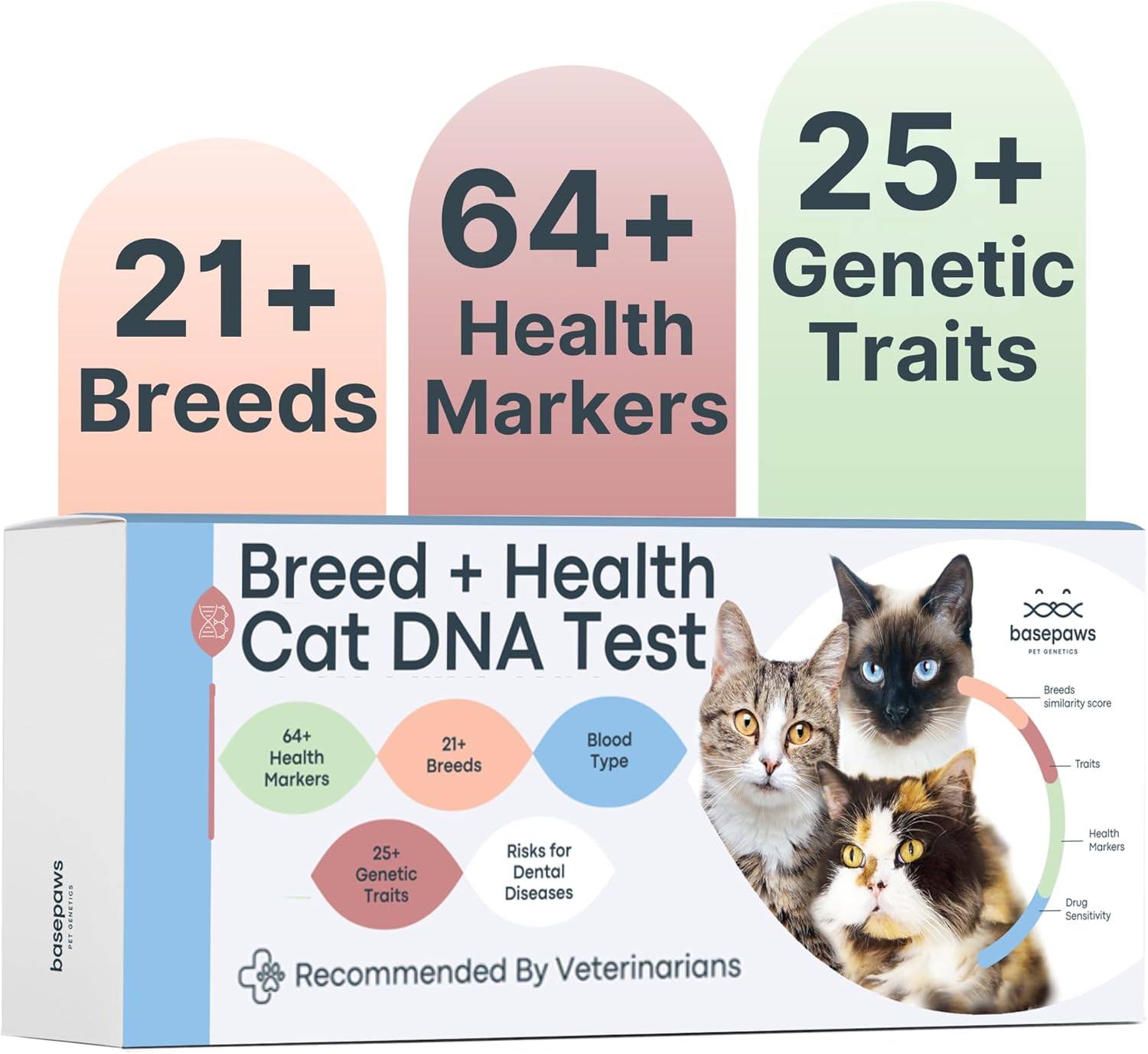
Many cat breeds have risks of genetic diseases. Testing cats before breeding helps find these risks. Avoiding breeding cats with harmful genes protects future kittens. Breeders should learn about common disorders in their breed. Health screening must be routine and thorough. It keeps the breed strong and healthy.
Promoting Cat Welfare
Cat welfare means more than just health checks. It includes good living conditions and nutrition. Cats need clean, safe spaces with plenty of attention. Breeders should avoid overbreeding or keeping cats in poor conditions. Kittens must go to homes that can care for them well. Ethical breeders support lifelong care for their cats.
Credit: www.petbook-magazine.com
Frequently Asked Questions
What Is A Cat Breeding Chart?
A cat breeding chart is a visual guide. It helps breeders understand genetic traits and potential outcomes. These charts showcase possible coat colors, patterns, and health traits. They assist in predicting kitten characteristics. Breeders use them to make informed decisions for healthy and desirable litters.
How Do You Use A Cat Breeding Chart?
To use a cat breeding chart, identify parent traits first. Match them on the chart to predict potential kitten outcomes. Consider genetic health, coat color, and patterns. This aids in planning breeding for desired traits. It’s essential for maintaining healthy, well-bred cats.
Why Are Cat Breeding Charts Important?
Cat breeding charts are vital for responsible breeding. They provide insights into potential genetic outcomes. This ensures healthy kittens with desirable traits. Breeders use them to avoid genetic disorders and maintain breed standards. They play a crucial role in ethical and informed breeding practices.
Can Cat Breeding Charts Predict Health Issues?
Yes, cat breeding charts can help predict potential health issues. They highlight genetic predispositions to certain conditions. This allows breeders to make informed decisions. By avoiding problematic pairings, breeders can reduce the risk of inheriting genetic disorders, promoting healthier cat generations.
Conclusion
A cat breeding chart helps track important details easily. It shows breeding dates, kittens’ birth, and key milestones. Using the chart saves time and avoids mistakes. It keeps all information clear and organized. Breeders can plan better and care for cats well.
This simple tool supports healthy breeding practices. Keep your chart updated for best results. It makes the breeding process less stressful. Start using a cat breeding chart today. You will find it very helpful.
