

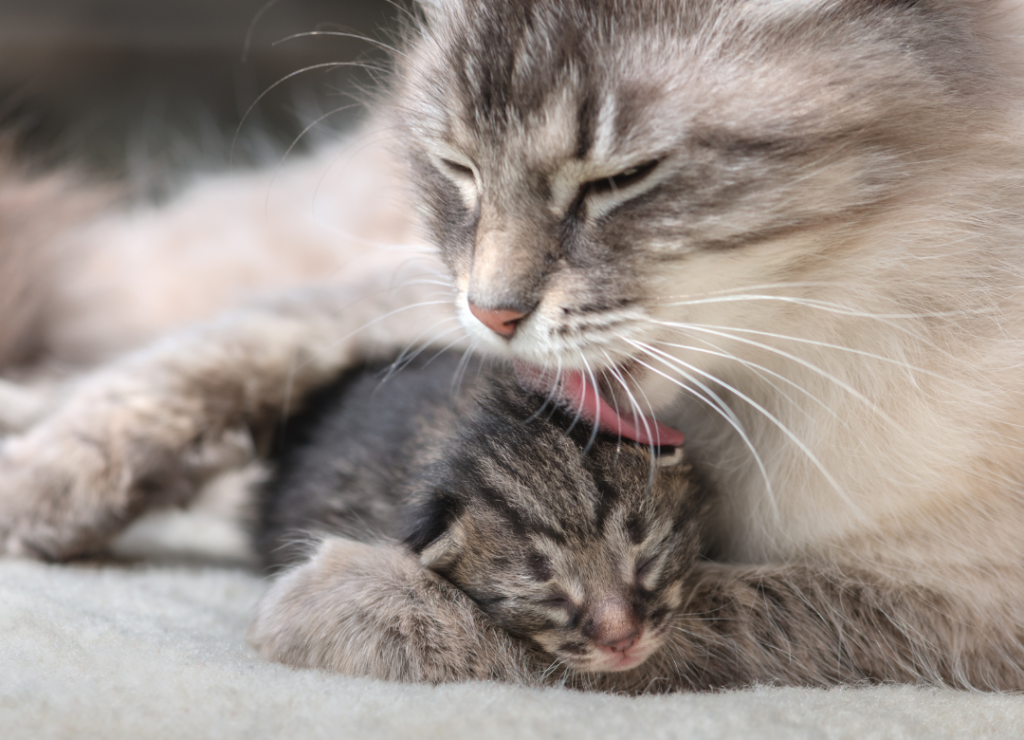
Are you curious about cat breeding and what it takes to bring healthy, happy kittens into the world? Whether you’re thinking of starting your own breeding program or just want to understand the process better, this guide will give you clear, practical insights.
You’ll discover important tips on care, genetics, and the responsibilities that come with breeding cats. Keep reading to unlock the secrets that can help you succeed and ensure your cats thrive every step of the way.
Basics Of Feline Genetics
Understanding the basics of feline genetics can change how you approach cat breeding. Knowing what traits your cats carry helps you predict the kittens’ appearance and health. This knowledge makes breeding more responsible and rewarding.
Genetic Traits In Cats
Genetic traits determine everything from coat color to eye shape in cats. Some traits are visible, like fur length or pattern, while others affect behavior or health. For example, the gene for blue eyes in Siamese cats is linked to their unique coat pattern.
Genes come in pairs, one from each parent, and they interact to form these traits. Dominant genes usually show up more often, but recessive ones can surprise you if both parents carry them. Have you ever wondered why two tabby cats can have a solid-colored kitten?
Inheritance Patterns
Inheritance in cats follows certain patterns, mainly dominant, recessive, and sex-linked traits. Dominant traits only need one gene copy to appear, while recessive traits need two. This explains why some kittens look like neither parent exactly.
Sex-linked traits, like some types of color blindness or coat colors, are tied to the cat’s sex chromosomes. Male cats have one X and one Y chromosome, while females have two X chromosomes. This difference can lead to unique genetic outcomes, such as the rare calico male cats.
Common Genetic Disorders
Some genetic traits can cause health problems in cats. Polycystic kidney disease (PKD) is common in Persian cats and can shorten their lifespan. Knowing if your breeding cats carry these genes helps you avoid passing them on.
Hypertrophic cardiomyopathy (HCM) affects the heart muscle and is another inherited disorder seen in some breeds. Regular genetic testing can protect your cats and kittens from these issues. Are you ready to take the extra step to ensure your cats’ health?

Credit: dremmanuelfontaine.com
Selecting Breeding Cats
Selecting the right cats for breeding is a crucial step that shapes the future of your breeding program. Your choices affect not only the health and appearance of the kittens but also their temperament and overall quality of life. Careful evaluation and thoughtful decisions help you build a strong foundation for success.
Evaluating Health And Temperament
Start by checking the health history of each cat. Look for signs of genetic diseases or chronic conditions that could pass to the kittens.
Temperament matters just as much as physical health. A calm and friendly cat is more likely to produce kittens with balanced behavior.
Ask yourself: Would you want this cat’s personality in your home? This question helps keep your breeding goals realistic and humane.
Choosing Desirable Traits
Decide which traits are important for your breed and your goals. This might include coat color, pattern, size, or specific physical features.
Think about traits that improve the cat’s quality of life, such as good muscle tone or strong bone structure.
Remember, perfect looks don’t always mean healthy kittens. Traits that support health and vitality should weigh heavier in your decisions.
Genetic Testing Importance
Genetic testing can identify carriers of inherited diseases before breeding. This step helps avoid passing serious health problems to future generations.
Tests are available for many common breed-specific issues, so don’t skip this precaution.
Consider genetic testing as an investment in your breeding program’s long-term reputation and the wellbeing of your cats.
Breeding Techniques
Understanding the different breeding techniques is essential if you want to achieve healthy and successful cat litters. Each approach has its own benefits and challenges, and choosing the right one depends on your goals and the cats involved. Let’s look at some key methods that can help you breed cats effectively.
Natural Mating Methods
Natural mating is the most traditional way to breed cats. It involves allowing the male and female to mate naturally during the female’s fertile period. This method often leads to strong, healthy kittens because the mating process is instinct-driven and less stressful for the cats.
However, it requires that you closely observe your cats’ behavior. You’ll need to recognize signs of receptiveness and ensure both cats are healthy and compatible. Have you ever noticed how a queen signals readiness with vocalizations and body language? Paying attention to these details can make a big difference.
Artificial Insemination
Artificial insemination (AI) is a more controlled breeding technique where semen is collected from the male and then manually inserted into the female’s reproductive tract. This method is particularly useful when the cats are geographically distant or when natural mating is risky due to health or temperament issues.
AI requires specialized equipment and knowledge, but it allows for precise timing and genetic selection. If you are considering AI, partnering with a veterinarian experienced in feline reproduction is crucial. Have you thought about how technology can expand your breeding possibilities beyond natural limitations?
Timing And Estrus Cycle
Knowing the timing of the female cat’s estrus cycle is critical for successful breeding. Cats are induced ovulators, meaning they release eggs after mating. The estrus cycle typically lasts about 7 to 10 days, with the female being receptive to mating during the heat phase.
Monitoring your cat’s cycle through behavioral changes and physical signs helps you choose the best time for mating or insemination. You might notice increased vocalization, restlessness, or rubbing against objects. How closely do you track these signs to improve your breeding outcomes?
Managing Pregnancy And Birth
Managing pregnancy and birth in cats requires careful attention and timely actions. Your role is crucial to ensure the health and safety of both the mother and her kittens. Understanding what to expect at each stage helps you prepare and respond effectively.
Care During Gestation
During pregnancy, your cat needs a nutritious diet rich in proteins and vitamins. You can switch to high-quality kitten food to support her increased nutritional demands. Keep her environment calm and stress-free, avoiding sudden changes or loud noises.
Regular vet checkups are essential to monitor the mother’s health and catch any complications early. You might notice her belly growing visibly around the fourth week, along with increased appetite and mild behavioral changes. Have fresh water always available, and encourage gentle play to maintain her muscle tone.
Signs Of Labor
Recognizing labor signs helps you prepare for the birth process. Your cat may become restless and start nesting, seeking quiet, private spaces. She could also groom herself excessively and show a drop in appetite.
Watch for contractions, which usually begin as mild abdominal tightening. Panting, pacing, and vocalizing often increase as labor progresses. If labor lasts more than 24 hours without delivering kittens, it’s time to contact your veterinarian.
Postnatal Kitten Care
Once the kittens arrive, your attention shifts to their immediate needs and the mother’s recovery. Make sure the newborns are nursing well and staying warm. You can use a heating pad set to low beneath their bedding to maintain a cozy temperature.
Monitor the mother for any signs of distress or infection, such as unusual discharge or lethargy. Handle the kittens minimally during the first week to avoid stressing the mother. Have you prepared a quiet, safe area where the mother feels comfortable caring for her new family?
Record Keeping And Pedigree Tracking
Record keeping and pedigree tracking are essential parts of responsible cat breeding. They help maintain clear family lines and ensure the health of future litters. Accurate records give breeders insight into traits and prevent unwanted genetic issues.
Good documentation supports better decision-making and builds trust with buyers. It also helps breeders follow breed standards closely. Keeping detailed records saves time and avoids confusion in the long run.
Documenting Lineage
Recording a cat’s lineage shows its family history and breed purity. It lists parents, grandparents, and sometimes further ancestors. This information helps identify patterns in physical traits and behavior.
Lineage documentation often includes:
- Names of ancestors
- Registration numbers
- Breed types
- Dates of birth
- Titles or awards won
Clear lineage records protect against accidental inbreeding. They also add value to cats with strong pedigrees.
Tracking Genetic Health
Genetic health tracking focuses on hereditary diseases and conditions. This helps breeders select mates that reduce the risk of passing on illnesses. Testing for common genetic issues varies by breed.
Keeping health records includes:
- DNA test results
- Vaccination history
- Health screening outcomes
- Details of any illnesses or treatments
Tracking these details promotes healthier kittens. It also supports ethical breeding practices and responsible ownership.
Tools For Record Management
Using the right tools makes record keeping easier and more reliable. Digital tools allow quick updates and secure storage. Physical notebooks and binders still serve some breeders well.
Popular tools include:
- Spreadsheet software like Excel or Google Sheets
- Specialized breeding software
- Online pedigree databases
- Mobile apps for quick data entry
Organized records save time and reduce errors. They also provide clear evidence of a cat’s background for buyers and clubs.
Ethical Breeding Practices
Ethical breeding practices are the backbone of responsible cat breeding. They ensure the health and happiness of each kitten and respect the well-being of parent cats. Focusing on these practices helps you create a positive impact on the feline community and avoid common pitfalls that harm cats.
Avoiding Inbreeding
Inbreeding can cause serious health problems and weaken the genetic pool. To avoid it, keep detailed records of your cats’ lineage and never breed close relatives.
Instead, look for unrelated mates to maintain strong and healthy offspring. Have you checked your cats’ family trees carefully before planning a litter?
Promoting Genetic Diversity
Genetic diversity reduces the risk of inherited diseases and improves the resilience of the breed. You can promote this by introducing new bloodlines and selecting mates with complementary traits.
Tracking genetic markers through testing helps you make informed decisions. Think about how you can expand your breeding program to include cats from different backgrounds.
Welfare Considerations
Ethical breeders prioritize the physical and emotional welfare of their cats. Provide clean, safe environments and regular veterinary care to keep your cats healthy.
Also, respect the natural breeding cycles and avoid overbreeding. How often do you evaluate your cats’ well-being beyond just physical health?
Improving Breeding Outcomes
Improving breeding outcomes is essential for any cat breeder aiming to produce healthy, well-tempered kittens that meet specific breed standards. It involves careful planning, keen observation, and making informed decisions about which cats to breed. By focusing on key strategies, you can enhance the quality of your breeding program and avoid common pitfalls.
Selecting For Desired Traits
Choosing the right cats to breed starts with identifying traits you want to emphasize. These could be physical features like coat color, eye shape, or body structure, as well as behavioral traits such as friendliness or playfulness.
Keep detailed records of each cat’s lineage and characteristics. This helps you spot patterns and decide which pairings are likely to produce kittens with the best combination of traits.
Have you noticed how some cats in your breeding program consistently pass on positive traits? Prioritizing these individuals will increase your chances of success.
Correcting Genetic Defects
Genetic defects can harm the health and wellbeing of kittens. You need to identify any hereditary issues in your breeding cats before pairing them.
Use health screening tests and consult with veterinary geneticists to detect problems like hypertrophic cardiomyopathy or polycystic kidney disease. Avoid breeding cats that carry these defects to reduce the risk of passing them on.
If a cat has a mild defect but strong positive traits, think carefully about whether breeding is worth the risk. Sometimes, pairing with a genetically clear mate can help minimize the impact.
Long-term Breeding Goals
Think beyond the next litter. What do you want your breeding program to achieve in 5 or 10 years? Defining long-term goals guides your daily decisions and keeps you focused.
Set clear objectives such as improving health, enhancing temperament, or refining physical characteristics. Your choices today will shape the future of your cats.
Ask yourself: Are your current breeding pairs aligned with these goals? Regularly reviewing your progress helps you adjust strategies and stay on track.
Credit: www.petbook-magazine.com

Credit: www.catbreedingforbeginners.com
Frequently Asked Questions
What Is The Best Age For Cat Breeding?
Cats are best bred between 1 and 5 years old. This age ensures physical maturity and healthier kittens.
How Often Can A Cat Be Bred Safely?
Cats can be bred once or twice a year. Overbreeding harms their health and reduces kitten quality.
What Are Common Health Checks Before Breeding Cats?
Health checks include vaccinations, parasite control, and genetic screening. These prevent diseases and hereditary issues in kittens.
How Long Is A Cat’s Pregnancy Period?
A cat’s pregnancy lasts about 63-65 days. Monitor closely for any signs of distress or complications.
Conclusion
Breeding cats takes patience and care. Choose healthy cats with good traits. Keep their environment clean and safe. Watch their health closely every day. Learn about genetics to avoid problems. Responsible breeding helps keep cats strong. It also supports happy, healthy kittens.
Always think about the cats’ well-being first. Breeding can be rewarding but needs effort. Care and knowledge make the difference.
