


Have you ever felt a sudden nip from your cat while grooming them? It can be surprising and even painful.
But why does your furry friend bite you during what should be a calm, bonding moment? Understanding this behavior is key to keeping both you and your cat happy and safe. You’ll discover the reasons behind cat bites during grooming and learn simple ways to prevent them.
Keep reading to turn those unexpected nips into gentle purrs.
Reasons Cats Bite During Grooming
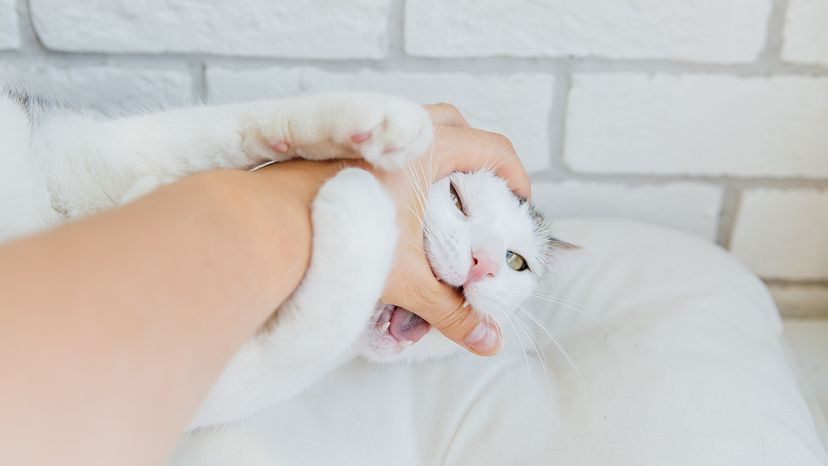
Cats biting during grooming can confuse many pet owners. Understanding why cats bite helps improve your grooming experience. Cats use biting as a way to express feelings or needs. It is a natural behavior rooted in their instincts and communication style.
Overstimulation And Sensory Overload
Grooming can sometimes overwhelm cats. Too much touching or brushing causes sensory overload. Their skin and fur are sensitive to pressure and movement. When overstimulated, cats may react by biting. It is their way to say, “Enough, please.”
Communication Through Biting
Cats use biting to communicate clearly. It signals discomfort or a desire to stop grooming. Biting acts as a warning before more aggressive actions. Paying attention to these bites helps prevent bigger problems. It is a form of cat language that owners should respect.
Pain Or Discomfort Signals
Pain during grooming often triggers biting. Cats might have skin irritations or injuries. Grooming over these areas causes pain and distress. Biting helps cats protect themselves from hurt. Checking for wounds or sensitive spots is important before grooming.
Playfulness And Hunting Instincts
Sometimes biting is playful, not aggressive. Cats have strong hunting instincts. Grooming tools can resemble prey, sparking their chase instinct. Biting becomes part of their play during grooming. Recognizing playful bites helps keep sessions fun and safe.
Credit: animals.howstuffworks.com
Common Triggers For Grooming Bites
Understanding why your cat bites during grooming can help you manage these moments better. Cats don’t bite randomly; there are specific triggers that make them react this way. Identifying these triggers allows you to adjust your approach and make grooming a more comfortable experience for both of you.
Sensitive Areas On The Cat’s Body
Some parts of your cat’s body are more sensitive than others. Areas like the belly, tail, paws, and around the ears often cause discomfort when touched. If you notice your cat biting when you reach these spots, it’s a clear sign to be gentler or avoid those areas altogether.
Think about how you feel if someone suddenly touches a sore spot. Would you stay calm or react? Your cat’s body has similar “no-go” zones that need respect during grooming.
Timing And Duration Of Grooming
Timing is key when grooming your cat. Long sessions can overwhelm your pet and lead to biting as a way of saying “enough.” Short, frequent grooming times usually work better than long, intense ones.
Try to observe how your cat behaves as you groom. If you see signs of irritation, pause or stop. Have you ever felt uncomfortable with someone touching you for too long? Cats feel the same way.
Environmental Stress Factors
Stress in your cat’s environment can make grooming a challenge. Loud noises, unfamiliar smells, or even changes in routine can heighten their anxiety and increase biting. Creating a calm, quiet space for grooming helps reduce these stress triggers.
Notice if your cat reacts differently in various settings. Does grooming go smoother in a quiet room versus a busy household area? Adjusting the environment can make a big difference.
Individual Cat Personality
Every cat is unique, with their own tolerance levels and preferences. Some cats are naturally more sensitive or easily startled, which can lead to biting during grooming. Others may simply dislike being handled for long periods.
Understanding your cat’s personality helps you tailor your grooming approach. Have you noticed if your cat prefers certain types of touch or specific grooming tools? Paying attention to these details can prevent bites and build trust.
Behavioral Patterns Linked To Grooming Bites
Understanding the behavioral patterns behind cat bites during grooming helps you respond better and keep both you and your feline friend safe. Cats don’t just bite randomly; their actions are often signals wrapped in body language and mood. Recognizing these patterns can prevent bites and improve your grooming sessions.
Body Language Before Biting
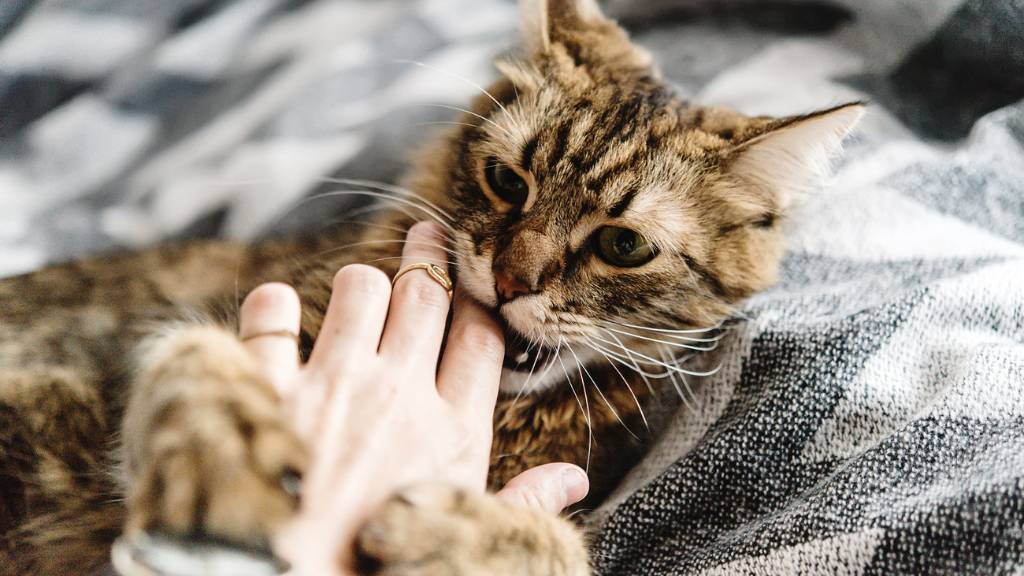
Before a cat bites, it often gives clear signals through its body language. Watch for twitching tails, flattened ears, or wide eyes—these are early warnings. Your cat might also freeze or suddenly stop purring, indicating discomfort.
Have you noticed your cat staring intently or shifting weight before a nip? These subtle movements often mean your cat is on edge. Paying attention to these cues helps you pause before things escalate.
Signs Of Anxiety Or Irritation
Many cats bite during grooming because they feel anxious or irritated. Signs include rapid blinking, yawning, or licking lips repeatedly. These behaviors show your cat is stressed, even if it seems calm at first.
Understanding what triggers this anxiety can make a big difference. Is it the grooming tool, a sensitive spot, or a sudden movement? Identifying the cause lets you adjust your approach and reduce biting.
Frequency And Intensity Of Bites
How often and how hard your cat bites during grooming reveals a lot about its tolerance level. Light, quick nips may be playful or a mild warning. Strong, repeated bites mean your cat is overwhelmed and wants to stop immediately.
If biting happens more frequently over time, it’s a sign to change your grooming routine or seek help from a professional. Tracking bite patterns helps you understand your cat’s limits and keeps grooming stress-free.
Credit: americanpaws.club
Preventing Cat Bites During Grooming
Cat bites during grooming can quickly turn a peaceful routine into a stressful experience. Preventing these bites starts with understanding your cat’s needs and behaviors. You can create a safer and more enjoyable grooming session by making thoughtful choices and paying close attention to your cat’s signals.
Choosing The Right Grooming Tools
Using the right tools can make a huge difference in your cat’s comfort. Soft-bristled brushes or rubber grooming gloves work well for sensitive skin and reduce irritation. Avoid harsh combs that can pull on fur and cause discomfort, which often triggers biting.
Think about your cat’s coat type before selecting tools. Long-haired cats may need detangling combs, while short-haired cats respond better to gentle brushes. Have you noticed how your cat reacts to different tools? Let their reaction guide your choices.
Setting A Calm Environment
Grooming in a quiet, familiar space helps your cat feel safe. Turn off loud noises and distractions like TV or music. Soft natural light or dim lighting can also keep your cat relaxed.
Try to groom your cat when they are naturally calm, such as after a nap or meal. Does your cat have a favorite spot for relaxation? Bringing grooming to that spot can lower stress and reduce the chance of biting.
Recognizing And Respecting Boundaries
Watch for signs that your cat is uncomfortable, such as tail flicking, ears flattening, or growling. These are clear warnings to pause or stop. Ignoring these signals often leads to bites.
Respecting boundaries means stopping before your cat becomes upset. Short, frequent sessions work better than long grooming marathons. Have you ever noticed how your cat reacts when you push too far? Learning their limits is key to trust.
Positive Reinforcement Techniques
Reward your cat with treats, gentle praise, or play after grooming. This helps them associate grooming with positive experiences. Consistency is important—rewarding good behavior each time builds trust over time.
Try using clicker training or soft verbal cues to signal calm behavior during grooming. How does your cat respond to rewards? Tailoring reinforcement to what they like most makes grooming something they look forward to.
What To Do After A Cat Bite
Cat bites during grooming can cause pain and lead to serious infections. Knowing what to do right after a bite helps reduce risks. Acting quickly ensures the wound heals well and prevents complications.
Immediate First Aid Steps
- Clean the bite with warm water and mild soap.
- Rinse the area thoroughly to remove dirt and saliva.
- Apply pressure gently to stop any bleeding.
- Use an antibiotic ointment on the wound.
- Cover the bite with a clean, sterile bandage.
When To Seek Medical Attention
- The bite is deep, bleeding heavily, or won’t stop.
- Signs of infection appear, such as redness, swelling, or warmth.
- Fever develops after the bite.
- You have not had a tetanus shot in the last five years.
- The cat’s vaccination status is unknown or the cat looks sick.
Preventing Infection
- Keep the wound clean and dry after initial care.
- Change the bandage daily or if it becomes wet or dirty.
- Watch for symptoms like pus or increasing pain.
- Avoid scratching or picking at the wound.
- Follow any medical advice or prescribed antibiotics fully.
Handling Behavioral Responses
- Stay calm to avoid stressing your cat further.
- Observe your cat for signs of pain or fear.
- Use gentle restraint during grooming to prevent bites.
- Give your cat breaks if it seems agitated.
- Consult a vet or a behaviorist if biting continues.
Credit: americanpaws.club
Frequently Asked Questions
Why Do Cats Bite During Grooming Sessions?
Cats may bite during grooming due to overstimulation or discomfort. It’s their way of communicating that they want to stop or need a break. Understanding their body language can help prevent bites and maintain a positive grooming experience.
How Can I Prevent Cat Bites While Grooming?
To prevent bites, groom your cat gently and watch for signs of irritation. Use short sessions and positive reinforcement. Stop immediately if your cat shows stress or aggression. Regular grooming can reduce biting incidents over time.
Are Cat Bites During Grooming Dangerous?
Cat bites can introduce bacteria into the skin, potentially causing infections. It’s important to clean any bite wounds promptly and seek medical advice if swelling or redness occurs. Timely treatment helps prevent complications.
What Grooming Tools Reduce Cat Biting Risk?
Using soft brushes and combs designed for cats can minimize discomfort. Avoid sharp or harsh tools that irritate the skin. Proper tool selection helps keep your cat calm and less likely to bite during grooming.
Conclusion
Cat bites during grooming happen more than you think. They often show your cat’s feelings or discomfort. Watch your cat’s body language closely. Gentle grooming helps build trust and calm your pet. Keep tools clean and use soft strokes. Remember, patience works better than force.
Understanding your cat’s needs makes grooming easier. Safe grooming keeps your cat happy and healthy. Small steps lead to better moments together.
