

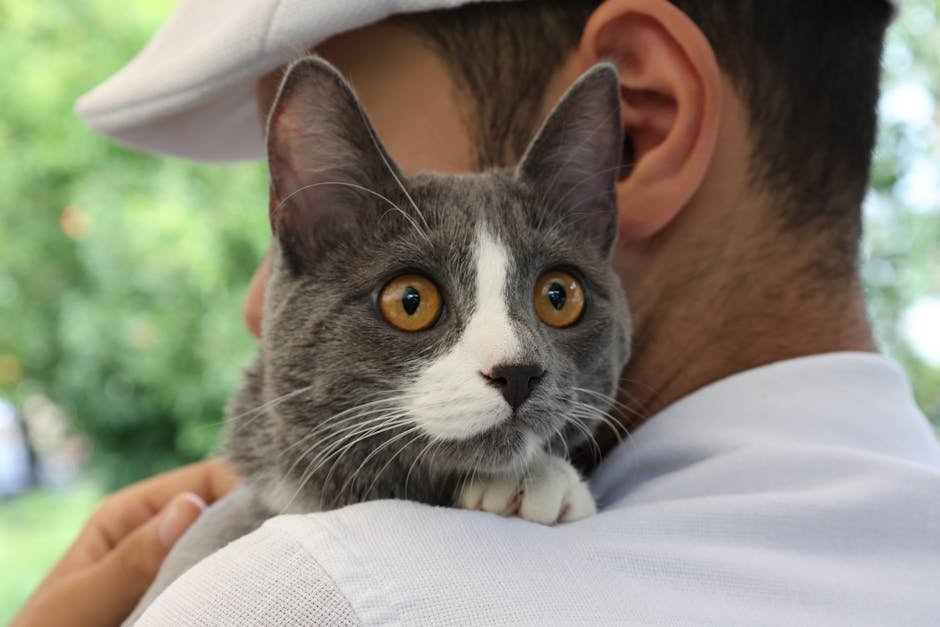
Ever wondered why your cat suddenly dashes around the room or stares at you for what seems like forever? Understanding cat behaviors can feel like solving a mystery, but it doesn’t have to be.
You’re about to discover the secrets behind those quirky cat habits that have puzzled you for so long. Imagine finally knowing why your feline friend does what it does, and how this can transform your bond with them. Stick around, because by the end of this article, you’ll not only decode your cat’s actions but also learn how to make your home a happier place for both of you.
Common Cat Behaviors
Understanding common cat behaviors can transform your relationship with your feline friend. Cats communicate in subtle ways that often go unnoticed. Recognizing these behaviors helps you respond better to their needs and moods.
Body Language Cues
Cats use their bodies to say a lot without making a sound. A flicking tail might mean irritation, while slow blinking shows trust and affection. Watch the ears too—forward ears mean curiosity, but flattened ears signal fear or anger.
Have you noticed your cat’s pupils dilate suddenly? That often means excitement or fear. Paying close attention to these cues can prevent misunderstandings and deepen your bond.
Vocalizations And Their Meanings
Cats have a wide range of vocal sounds, each with its own meaning. A soft purr usually means contentment, but sometimes cats purr when they’re nervous or in pain. Loud meows often ask for attention or food, especially in cats that have learned to communicate with their owners.
Try to listen closely to the tone and pitch. Does your cat’s meow change when it’s hungry versus when it wants to play? You might start to “hear” what your cat is really saying.
Play And Hunting Instincts
Play isn’t just fun for cats—it’s a way to practice hunting skills. Your cat might chase toys, pounce on shadows, or stalk your feet as if they were prey. These actions satisfy natural instincts that keep your cat mentally and physically sharp.
Have you ever noticed your cat suddenly freeze and stare? That’s their hunting mode activating. Giving your cat regular play sessions with interactive toys can reduce boredom and prevent unwanted behaviors like scratching furniture.

Credit: www.littergenie.com
Unusual Cat Habits
Cats have many strange habits that confuse their owners. These actions may seem odd but have deep meaning. Understanding these habits helps to bond with your pet better.
Some habits show comfort and trust. Others reveal their natural instincts. Watching these behaviors can be both fun and insightful.
Kneading And Purring Explained
Kneading is when cats push their paws in and out on soft surfaces. This action comes from kittenhood when they pressed their mother’s belly to get milk. Adult cats knead to feel calm and happy. It shows they feel safe and relaxed.
Purring is a soft, continuous sound cats make. It often means contentment but can also mean they are nervous or in pain. Purring helps cats heal and reduce stress. It is a way they communicate their feelings quietly.
Why Cats Bring ‘gifts’
Cats sometimes bring small animals or toys to their owners. This behavior comes from their hunting instincts. They see you as part of their family and want to share their catch. These “gifts” show love and care from the cat’s point of view.
Sleeping Patterns And Preferences
Cats sleep a lot—up to 16 hours a day. They are crepuscular, meaning most active at dawn and dusk. Cats choose cozy, hidden spots to feel safe during rest.
Their sleep is light and broken into short naps. This helps them stay alert to danger. Understanding their sleep habits lets you create a better environment for your cat.
Communication With Humans
Cats communicate with humans using many subtle signals. They express feelings through body language, sounds, and actions. Understanding these signals helps build a strong bond with your cat. Cats use gentle ways to show love, stress, or their mood. Paying attention to these cues makes living with cats more joyful.
How Cats Show Affection
Cats show affection in quiet and gentle ways. They often purr when feeling happy and safe. Rubbing their heads or bodies against you means they trust you. Slow blinking is a sign of love and comfort. Bringing you small gifts, like toys or even prey, shows care. Sitting close or on your lap expresses a need for closeness.
Signals Of Stress Or Anxiety
Stress in cats can look different from affection. A cat may hide or avoid eye contact. Tail flicking quickly means irritation or nervousness. Ears flattened back show fear or anger. Excessive grooming or loss of appetite signals anxiety. Vocalizations like hissing or growling warn to keep distance.
Using Eyes And Tail To Communicate
Eyes and tail are powerful tools in cat communication. Wide-open eyes often show surprise or curiosity. Slow blinking tells your cat feels safe and calm. Narrowed eyes can mean contentment or focus. A tail held high signals confidence and happiness. A twitching tail tip may mean excitement or slight annoyance. A low or tucked tail warns of fear or submission.

Credit: www.utahhumane.org
Behavioral Changes To Watch
Cats often show changes in behavior that signal different needs or problems. Watching these changes helps keep cats healthy and happy. Many factors affect behavior, including health, age, and environment. Understanding these signs makes caring for your cat easier and more effective.
Signs Of Illness Or Discomfort
Changes in behavior can indicate sickness or pain. Cats may hide more or avoid their usual activities. Appetite loss, unusual vocal sounds, and grooming changes are common signs. Watch for sudden aggression or withdrawal. Lethargy and frequent sleeping can also signal problems. Early detection of these signs leads to faster treatment.
Changes Due To Aging
Older cats often slow down and sleep more. They may forget litter box habits or become less social. Some cats get confused or restless at night. Joint stiffness can reduce activity and playfulness. These changes are natural but need attention. Comfort and routine help aging cats feel secure.
Impact Of Environment On Behavior
Environment greatly affects cat behavior. Moving to a new home can cause stress and hiding. Loud noises or new pets may make cats anxious. Lack of stimulation leads to boredom and destructive acts. Providing safe spaces and toys helps reduce stress. A calm, stable environment supports good behavior.
Tips For Encouraging Positive Behavior
Encouraging positive behavior in your cat builds a stronger bond and makes living together more enjoyable. Cats respond well to environments and routines that respect their natural instincts and needs. By focusing on simple, effective strategies, you can guide your cat toward good habits without stress or confusion.
Creating A Stimulating Environment
Your cat’s surroundings play a big role in their behavior. Provide a variety of toys and scratching posts to keep them entertained and prevent boredom. Vertical spaces like shelves or cat trees offer climbing opportunities that satisfy their curiosity.
Consider rotating toys every week to maintain your cat’s interest. Have you noticed how your cat suddenly ignores a toy after a few days? Changing the environment regularly keeps their mind sharp and reduces destructive behavior.
Effective Playtime Strategies
Interactive play is one of the best ways to encourage positive behavior. Use wand toys or laser pointers to mimic hunting, which taps into your cat’s natural instincts. Aim for sessions lasting 10 to 15 minutes, twice a day, to burn off excess energy.
After playtime, offer treats or affection as a reward. This helps your cat associate good behavior with positive outcomes. Have you tried changing the type of play based on your cat’s mood? Sometimes slow, gentle play works better than high-energy chasing games.
Handling Unwanted Behaviors
Addressing unwanted behaviors requires patience and consistency. Instead of punishment, redirect your cat’s attention to acceptable activities. For example, if your cat scratches furniture, gently guide them to a scratching post and praise them when they use it.
Set clear boundaries with firm but calm responses. Avoid yelling or physical punishment as it can harm your relationship. What strategies have you found effective in calming your cat without causing stress?

Credit: www.seemour.ai
Frequently Asked Questions
Why Do Cats Knead With Their Paws?
Cats knead to mark territory and feel comfort. This behavior stems from kittenhood when they pressed their mother’s belly to stimulate milk flow. Kneading also helps cats relax and express contentment.
What Does A Cat’s Tail Position Mean?
A cat’s tail reveals its emotions. A raised tail shows happiness and confidence. A puffed-up tail signals fear or aggression. A low or tucked tail means the cat feels anxious or submissive.
Why Do Cats Purr When Relaxed?
Cats purr to communicate contentment and relaxation. Purring can also soothe cats when they’re stressed or in pain. It’s a natural, comforting sound that helps cats bond with humans and other cats.
How Do Cats Show Affection?
Cats show affection by purring, head-butting, and slow blinking. They may also knead, follow you closely, or curl up beside you. These behaviors indicate trust and a strong bond with their owner.
Conclusion
Cats show many behaviors that help us understand them better. Watching their actions reveals their feelings and needs. Each cat has a unique way to communicate. Paying attention builds a stronger bond with your pet. Knowing common behaviors helps you care for cats well.
Enjoy the journey of learning your cat’s personality. Small actions often tell big stories. Keep observing and loving your feline friend every day.
